Category: Open Source

  • Vibe Coding: The Open Source Revolution Gone Awry

    Vibe Coding: The Open Source Revolution Gone Awry

    Imagine a world where coding is as easy as picking your favorite flavor of ice cream—not just any vanilla, but the artisanal, organic, gluten-free, unicorn-sparkled kind. Enter vibe coding, the latest trend that’s taken the programming community by storm—or perhaps a gentle drizzle—if we’re being honest. While it sounds like a groovy way to code, it’s also raising eyebrows and causing a few virtual facepalms in the open-source world. Let’s break this down, shall we?

    First off, let’s define vibe coding. It’s the concept that programming can be done based on the ‘vibe’ or ‘feel’ of the moment. Think of it like trying to assemble IKEA furniture without instructions—sure, it’s creative, but it might end up looking like an abstract art piece instead of a coffee table. Essentially, vibe coding encourages developers to rely on their intuition rather than structured methodologies. While this may sound liberating, it can lead us down a rabbit hole of chaos and confusion.

    Now, let’s talk about the elephant in the room (not the cute, cuddly one, but the one that’s a bit grumpy): the implications of vibe coding on open-source projects. Open-source software has long been lauded for its collaborative spirit. Developers from all walks of life contribute their expertise, and a well-structured project thrives on this diversity. But with vibe coding, we’re inviting chaos to the party.

    Imagine a scenario: you’ve got a team of developers trying to work on a project. One is vibing with a minimalist approach, another is channeling their inner Picasso with complex algorithms, and someone else is just trying to figure out how to change the color of a button. The result? A codebase that resembles a jigsaw puzzle with missing pieces and an instruction manual written in a language no one understands. Not exactly the harmonious collaboration we’re aiming for, right?

    Let’s not forget about the maintainability of the code. If vibe coding is the wild west of programming, then maintainability is the sheriff that’s been thrown in jail. When you rely on vibes instead of solid coding principles, you’re asking for trouble. Good luck trying to hand off the project to someone else when the code looks like it was written during a caffeine-fueled existential crisis.

    Now, onto the controversial bit: is vibe coding just an excuse for laziness? Some might argue it’s a way for developers to avoid the hard work of following best practices and writing comprehensible code. “Why use a design pattern when you can just go with your gut?” they say, as they unleash their inner coding artist. This approach may seem freeing, but it’s like driving a car without brakes—thrilling at first, but you’re bound to crash eventually.

    Of course, we can’t throw vibe coding completely under the bus. There’s something to be said for intuition and creativity in programming. After all, some of the best software comes from those ‘aha!’ moments that just can’t be planned. But let’s find a happy medium. Creativity should complement structured coding practices, not replace them. Think of it like adding a dash of hot sauce to your grandma’s famous casserole—it elevates the dish without burning your taste buds off.

    In conclusion, vibe coding may sound like the next big thing, but let’s not get carried away. While it offers a refreshing perspective on creativity in programming, it also risks plunging us into a chaotic world where maintainability and collaboration take a backseat. So, let’s keep the vibes alive, but maybe crack open that dusty old coding manual every once in a while. After all, we’re not just crafting code; we’re building the future—one well-structured line at a time.

    So, dear coder friends, let’s vibe responsibly!


    Inspired by: “Vibe Coding Is the New Open Source—in the Worst Way Possible” (r/technology)
  • Discover Open Printer: The Revolutionary Open-Source Inkjet with DRM-Free Ink and No Subscription Fees

    Discover Open Printer: The Revolutionary Open-Source Inkjet with DRM-Free Ink and No Subscription Fees

    Hey there, fellow ink enthusiasts! Today, we’re diving into a topic that may just blow your mind, or at the very least, make you do a double-take while holding your morning cup of coffee. Have you ever felt like you’re being held hostage by your printer? You know, that moment when you realize you need a new ink cartridge, and the prices are higher than your last trip to the dentist? Enter the Open Printer – the superhero of the printing world that’s here to save your wallet and your sanity!

    What is Open Printer?

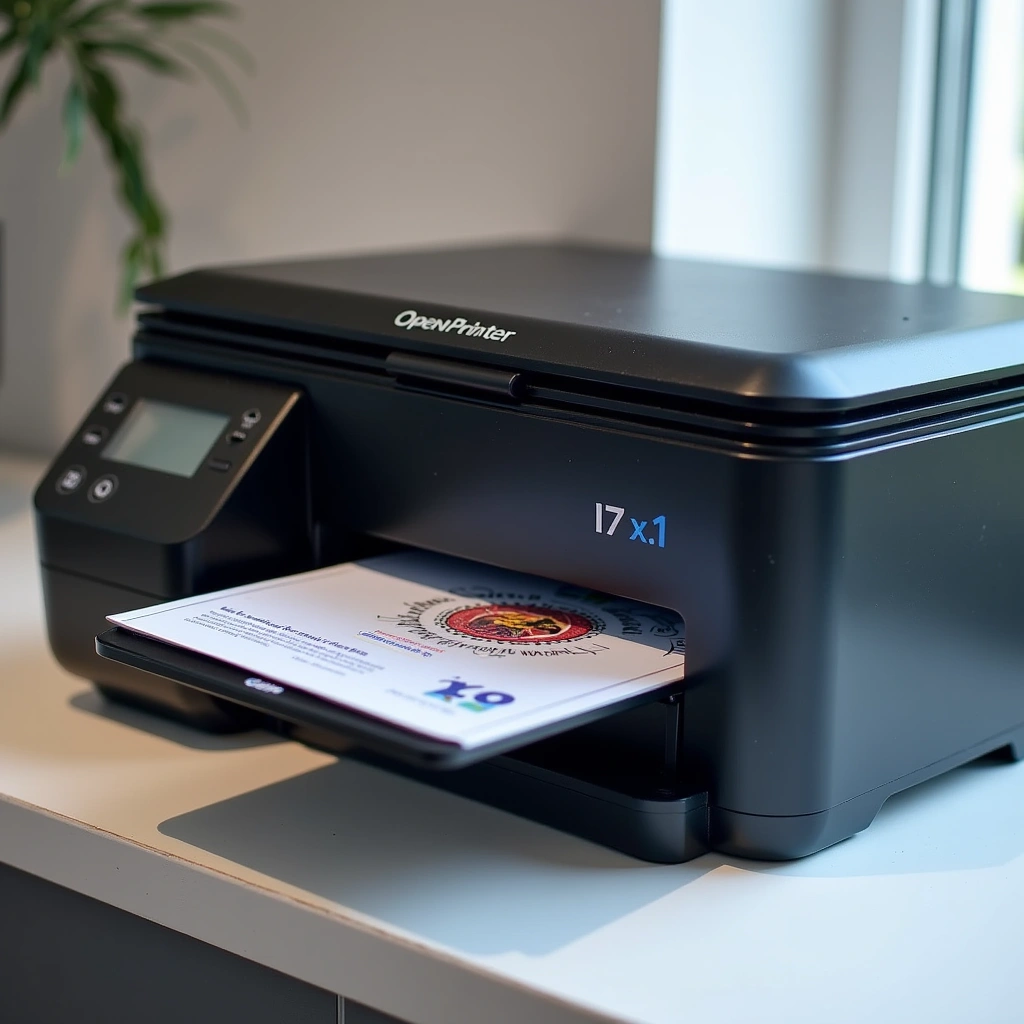
    So, what exactly is this Open Printer? It’s a fully open-source inkjet printer that comes with a promise: no more pesky subscription fees, no more DRM (Digital Rights Management) restrictions on your ink, and a whole lot of freedom! Yes, you heard that right.

    Imagine a world where you can print anything you want, whenever you want, without having to worry about whether your ink is going to cost an arm and a leg. You can print a family photo, an important document, or even that meme you’ve been saving for the perfect moment, all without the nagging feeling that your printer manufacturer is lurking in the shadows, ready to pounce on your wallet!

    The Open-Source Revolution

    Now, let’s talk about the open-source aspect. Open-source software and hardware are like the cool kids in the tech world who don’t care about exclusivity. They share everything! With the Open Printer, you’ll get access to the schematics and software that run the printer. So if you’re the type who likes to tinker, modify, and make things your own, this is your playground. You can customize it to suit your needs, or even improve it for the community.

    This is a revolution folks! Instead of being stuck with a printer that refuses to work unless you buy their overpriced ink, you can now be the master of your printing domain.

    DRM-Free Ink: What Does That Mean?

    Let’s get to the juicy part: the ink. DRM-free ink means you can buy it from any vendor you want. You won’t be locked into buying ink from a specific brand, and you certainly won’t have to worry about those shifty third-party inks that sometimes ruin your prints. You can mix and match, experiment, and be the ink connoisseur you’ve always aspired to be!

    And yes, you can even go the DIY route. Print your own ink? Why not! Just don’t ask me how to do that, I can barely make toast without burning it.

    No Subscription Fees: Is It Too Good to Be True?

    In a world where everything seems to be subscription-based, the Open Printer is like a breath of fresh air. No more paying monthly fees for ink that mysteriously runs out just when you need it the most. It’s like finally getting rid of that clingy friend who always wants to borrow money. You’re free to live your life!

    But wait, you might be thinking, “What’s the catch?” Well, there is no catch! This is not a late-night infomercial. The Open Printer is genuinely designed to empower users and promote sustainability. It’s all about transparency, reliability, and independence.

    The Community Aspect

    Oh, did I mention the community? The Open Printer is not just a product; it’s a movement. You’ll be joining a community of fellow print aficionados who are just as passionate about their printing freedom. You can share tips, tricks, and hacks, or even collaborate on projects. It’s like joining a secret club, but instead of a treehouse, you get to print your heart out!

    Final Thoughts

    In conclusion, if you’re tired of feeling like a prisoner to your printer’s ink prices and subscription models, the Open Printer might just be your new best friend. It’s all about freedom, creativity, and a little bit of rebellion against the corporate printing overlords. So, grab your coffee, check out the Open Printer, and get ready to unleash your inner print ninja!

    You can find more details in the Reddit post by /u/lurker_bee [here](link). Let’s print our way to freedom, one page at a time!


    Inspired by: “Open Printer is a fully open-source inkjet with DRM-free ink and no subscriptions” (r/technology)

  • Austria’s Armed Forces Ditches Microsoft Office for LibreOffice: A Bold Move in the Tech Battlefield

    Austria’s Armed Forces Ditches Microsoft Office for LibreOffice: A Bold Move in the Tech Battlefield

    So, grab your helmets and get ready to dive into the world of military tech decisions! Because guess what? The Austrian Armed Forces have decided to kick Microsoft Office to the curb and swap it out for the open-source darling, LibreOffice! I mean, can you imagine generals using LibreOffice Writer while discussing top-secret plans for world domination? It’s like watching a thriller movie where the hero suddenly decides to use a flip phone instead of a smartphone. Intriguing, right?

    Now, before you start picturing soldiers furiously typing away on their LibreOffice spreadsheets as they plan tactical maneuvers, let’s break down why this decision might just be the best thing since sliced bread – or at least better than paying exorbitant licensing fees for software that keeps asking if you want to update.

    Cost Savings: Can You Say Budget Bliss?

    Let’s face it, everyone loves saving a few bucks, especially in the military. With budgets tighter than a pair of skinny jeans post-holiday season, Austria’s military leaders realized they could save a fortune by saying goodbye to Microsoft. LibreOffice is free, and with those savings, they could potentially fund an extra tank or two (or maybe just a few extra rounds of coffee for those long meetings). Who wouldn’t want to bring in a little more caffeine to the battlefield?

    Security: The Stronghold of Open-Source

    Now, I know what you’re thinking: “But what about security?” Well, my friend, that’s the beauty of open-source software! Instead of keeping everything locked behind a fortress of proprietary codes, LibreOffice allows the community to review and improve the software constantly. So, while Microsoft Office may be busy sending you annoying updates, LibreOffice is out there fortifying its defenses, making it harder for cyber-attackers to breach their walls. It’s like having a military-grade moat around your data! Who doesn’t want that?

    Flexibility and Customization: The Swiss Army Knife of Software

    You know how soldiers have all sorts of gadgets to help them on their missions? Well, LibreOffice is like that trusty Swiss Army knife. It can be customized to fit the specific needs of the Austrian Armed Forces. Whether they want to tweak templates for mission reports or create specialized forms, LibreOffice is there to help. Plus, it’s compatible with Microsoft formats, which means no more awkward moments of sending files that look like a toddler got hold of the keyboard. Everyone’s happy, and the troops can focus on the important stuff, like, you know, not getting lost in the woods.

    A Symbol of Independence: No More Software Colonialism

    In a world where tech giants have become the new overlords, Austria’s decision to embrace LibreOffice is like planting a flag on an uncharted island. It’s a statement that says, “We can do this ourselves!” No longer shackled to the whims and pricing strategies of a corporate behemoth, they’re taking control of their software destiny. It’s like watching a rebellious teenager finally deciding they want to choose their own music instead of listening to their parents’ oldies. Freedom never sounded so good!

    Conclusion: Marching to a New Beat

    In the grand scheme of things, Austria’s Armed Forces substituting Microsoft Office for LibreOffice is a bold and somewhat quirky move that could pave the way for other military organizations to follow suit. Will this lead to a revolution in how the military handles software? Only time will tell. But for now, let’s raise a glass (or a cup of coffee) to the Austrians for their innovative spirit and willingness to embrace change. Who knows, maybe one day we’ll see troops rolling into battle with LibreOffice stickers on their tanks.

    In the end, whether you’re a soldier or just someone typing away in your cubicle, we can all appreciate a little humor and ingenuity in our choice of software. And if nothing else, at least we can all agree that LibreOffice is way more fun to say than Microsoft Office! Cheers to that!


    Inspired by: “Austria's Armed Forces Gets Rid of Microsoft Office (Mostly) for LibreOffice” (r/technology)

  • Discover the Open Printer: Your New Best Friend in the World of Inkjet Printing

    Discover the Open Printer: Your New Best Friend in the World of Inkjet Printing

    Gather ’round, fellow tech aficionados and paper enthusiasts! Today, we’re diving deep into a revolutionary innovation that’s shaking up the inkjet printer game: the Open Printer. Yes, you heard that right! This isn’t just your average ink-squirting box that sits in the corner of your office looking like a glorified paperweight. No, this is an open-source marvel that even your tech-savvy aunt would be proud to own!

    What is the Open Printer?

    Imagine a world where you can print anything from your grocery list to that embarrassing old school photo of you wearing parachute pants without worrying about running out of overpriced ink cartridges. Enter the Open Printer—an open-source inkjet printer that not only supports DRM-free ink but also caters to roll paper. Sounds like a dream, right?

    Say Goodbye to DRM Drama

    First off, let’s tackle the juicy bit: DRM-free ink. For those blissfully unaware, DRM stands for Digital Rights Management, which is just a fancy way of saying, “We want to control what you can and cannot do with your printer ink!” The Open Printer gives a big middle finger to that notion. You can buy your ink from anywhere (even that suspicious dude on the corner who claims he’s got the best deals). No more overpriced cartridges that cost more than your last date!

    Roll Paper Support: Because Who Doesn’t Love a Good Roll?

    Now, let’s talk about roll paper support—because why not make printing more like preparing a sushi roll? With traditional printers, you’re limited to those awkwardly shaped sheets of paper that always seem to jam when you’re printing something important. With the Open Printer, you can use roll paper, which is not only more efficient but also makes your printouts look way cooler. Imagine whipping out a long scroll of your favorite meme to share with friends!

    Open Source: The Gift That Keeps on Giving

    What does it mean for a printer to be open source? It means that the community can tweak, modify, and improve the printer’s design and software. So, if you’re a techie who loves to tinker, you can contribute to making this printer better. Or if you’re like me and can barely change a light bulb without Googling it, you can still enjoy the benefits of collective genius without feeling overwhelmed!

    The Controversy: Is This the End of Printer Companies?

    Now, let’s get a bit spicy here. Some folks might argue that the Open Printer is the harbinger of doom for traditional printer companies. Sure, they’ve been raking in cash from overpriced ink and proprietary cartridges for years. But is it fair to say that innovation should lead to their downfall? After all, competition breeds better products. The Open Printer could be the wake-up call these companies need to innovate or perish!

    Conclusion: Join the Printing Revolution!

    So, there you have it! The Open Printer is not just a printer; it’s a statement. It’s a rebellion against overpriced ink and the constraints of traditional printing. If you’re the kind of person who loves freedom—freedom to print, freedom to choose your ink, and freedom to use roll paper—then the Open Printer is calling your name.

    In a world where printers have been stuck in the dark ages, this little beauty shines a light on what’s possible. Join the movement, embrace the future of printing, and who knows? You might just inspire a whole new generation of DIY printers!

    So, what are you waiting for? Dust off that old printer, or better yet, toss it out and make way for the Open Printer—the future of printing is here, and it’s looking good!


    Inspired by: “Open Printer is an open source inkjet printer with DRM-free ink and roll paper support” (r/technology)

  • Vibe Coding: The Open Source Revolution Gone Awry

    Vibe Coding: The Open Source Revolution Gone Awry

    Imagine a world where coding is as easy as picking your favorite flavor of ice cream—not just any vanilla, but the artisanal, organic, gluten-free, unicorn-sparkled kind. Enter vibe coding, the latest trend that’s taken the programming community by storm—or perhaps a gentle drizzle—if we’re being honest. While it sounds like a groovy way to code, it’s also raising eyebrows and causing a few virtual facepalms in the open-source world. Let’s break this down, shall we?

    First off, let’s define vibe coding. It’s the concept that programming can be done based on the ‘vibe’ or ‘feel’ of the moment. Think of it like trying to assemble IKEA furniture without instructions—sure, it’s creative, but it might end up looking like an abstract art piece instead of a coffee table. Essentially, vibe coding encourages developers to rely on their intuition rather than structured methodologies. While this may sound liberating, it can lead us down a rabbit hole of chaos and confusion.

    Now, let’s talk about the elephant in the room (not the cute, cuddly one, but the one that’s a bit grumpy): the implications of vibe coding on open-source projects. Open-source software has long been lauded for its collaborative spirit. Developers from all walks of life contribute their expertise, and a well-structured project thrives on this diversity. But with vibe coding, we’re inviting chaos to the party.

    Imagine a scenario: you’ve got a team of developers trying to work on a project. One is vibing with a minimalist approach, another is channeling their inner Picasso with complex algorithms, and someone else is just trying to figure out how to change the color of a button. The result? A codebase that resembles a jigsaw puzzle with missing pieces and an instruction manual written in a language no one understands. Not exactly the harmonious collaboration we’re aiming for, right?

    Let’s not forget about the maintainability of the code. If vibe coding is the wild west of programming, then maintainability is the sheriff that’s been thrown in jail. When you rely on vibes instead of solid coding principles, you’re asking for trouble. Good luck trying to hand off the project to someone else when the code looks like it was written during a caffeine-fueled existential crisis.

    Now, onto the controversial bit: is vibe coding just an excuse for laziness? Some might argue it’s a way for developers to avoid the hard work of following best practices and writing comprehensible code. “Why use a design pattern when you can just go with your gut?” they say, as they unleash their inner coding artist. This approach may seem freeing, but it’s like driving a car without brakes—thrilling at first, but you’re bound to crash eventually.

    Of course, we can’t throw vibe coding completely under the bus. There’s something to be said for intuition and creativity in programming. After all, some of the best software comes from those ‘aha!’ moments that just can’t be planned. But let’s find a happy medium. Creativity should complement structured coding practices, not replace them. Think of it like adding a dash of hot sauce to your grandma’s famous casserole—it elevates the dish without burning your taste buds off.

    In conclusion, vibe coding may sound like the next big thing, but let’s not get carried away. While it offers a refreshing perspective on creativity in programming, it also risks plunging us into a chaotic world where maintainability and collaboration take a backseat. So, let’s keep the vibes alive, but maybe crack open that dusty old coding manual every once in a while. After all, we’re not just crafting code; we’re building the future—one well-structured line at a time.

    So, dear coder friends, let’s vibe responsibly!

  • Discover Open Printer: The Revolutionary Open-Source Inkjet with DRM-Free Ink and No Subscription Fees

    Discover Open Printer: The Revolutionary Open-Source Inkjet with DRM-Free Ink and No Subscription Fees

    Hey there, fellow ink enthusiasts! Today, we’re diving into a topic that may just blow your mind, or at the very least, make you do a double-take while holding your morning cup of coffee. Have you ever felt like you’re being held hostage by your printer? You know, that moment when you realize you need a new ink cartridge, and the prices are higher than your last trip to the dentist? Enter the Open Printer – the superhero of the printing world that’s here to save your wallet and your sanity!

    What is Open Printer?

    So, what exactly is this Open Printer? It’s a fully open-source inkjet printer that comes with a promise: no more pesky subscription fees, no more DRM (Digital Rights Management) restrictions on your ink, and a whole lot of freedom! Yes, you heard that right.

    Imagine a world where you can print anything you want, whenever you want, without having to worry about whether your ink is going to cost an arm and a leg. You can print a family photo, an important document, or even that meme you’ve been saving for the perfect moment, all without the nagging feeling that your printer manufacturer is lurking in the shadows, ready to pounce on your wallet!

    The Open-Source Revolution

    Now, let’s talk about the open-source aspect. Open-source software and hardware are like the cool kids in the tech world who don’t care about exclusivity. They share everything! With the Open Printer, you’ll get access to the schematics and software that run the printer. So if you’re the type who likes to tinker, modify, and make things your own, this is your playground. You can customize it to suit your needs, or even improve it for the community.

    This is a revolution folks! Instead of being stuck with a printer that refuses to work unless you buy their overpriced ink, you can now be the master of your printing domain.

    DRM-Free Ink: What Does That Mean?

    Let’s get to the juicy part: the ink. DRM-free ink means you can buy it from any vendor you want. You won’t be locked into buying ink from a specific brand, and you certainly won’t have to worry about those shifty third-party inks that sometimes ruin your prints. You can mix and match, experiment, and be the ink connoisseur you’ve always aspired to be!

    And yes, you can even go the DIY route. Print your own ink? Why not! Just don’t ask me how to do that, I can barely make toast without burning it.

    No Subscription Fees: Is It Too Good to Be True?

    In a world where everything seems to be subscription-based, the Open Printer is like a breath of fresh air. No more paying monthly fees for ink that mysteriously runs out just when you need it the most. It’s like finally getting rid of that clingy friend who always wants to borrow money. You’re free to live your life!

    But wait, you might be thinking, “What’s the catch?” Well, there is no catch! This is not a late-night infomercial. The Open Printer is genuinely designed to empower users and promote sustainability. It’s all about transparency, reliability, and independence.

    The Community Aspect

    Oh, did I mention the community? The Open Printer is not just a product; it’s a movement. You’ll be joining a community of fellow print aficionados who are just as passionate about their printing freedom. You can share tips, tricks, and hacks, or even collaborate on projects. It’s like joining a secret club, but instead of a treehouse, you get to print your heart out!

    Final Thoughts

    In conclusion, if you’re tired of feeling like a prisoner to your printer’s ink prices and subscription models, the Open Printer might just be your new best friend. It’s all about freedom, creativity, and a little bit of rebellion against the corporate printing overlords. So, grab your coffee, check out the Open Printer, and get ready to unleash your inner print ninja!

    You can find more details in the Reddit post by /u/lurker_bee [here](link). Let’s print our way to freedom, one page at a time!

  • Austria’s Armed Forces Ditches Microsoft Office for LibreOffice: A Bold Move in the Tech Battlefield

    Austria’s Armed Forces Ditches Microsoft Office for LibreOffice: A Bold Move in the Tech Battlefield

    So, grab your helmets and get ready to dive into the world of military tech decisions! Because guess what? The Austrian Armed Forces have decided to kick Microsoft Office to the curb and swap it out for the open-source darling, LibreOffice! I mean, can you imagine generals using LibreOffice Writer while discussing top-secret plans for world domination? It’s like watching a thriller movie where the hero suddenly decides to use a flip phone instead of a smartphone. Intriguing, right?

    Now, before you start picturing soldiers furiously typing away on their LibreOffice spreadsheets as they plan tactical maneuvers, let’s break down why this decision might just be the best thing since sliced bread – or at least better than paying exorbitant licensing fees for software that keeps asking if you want to update.

    Cost Savings: Can You Say Budget Bliss?

    Let’s face it, everyone loves saving a few bucks, especially in the military. With budgets tighter than a pair of skinny jeans post-holiday season, Austria’s military leaders realized they could save a fortune by saying goodbye to Microsoft. LibreOffice is free, and with those savings, they could potentially fund an extra tank or two (or maybe just a few extra rounds of coffee for those long meetings). Who wouldn’t want to bring in a little more caffeine to the battlefield?

    Security: The Stronghold of Open-Source

    Now, I know what you’re thinking: “But what about security?” Well, my friend, that’s the beauty of open-source software! Instead of keeping everything locked behind a fortress of proprietary codes, LibreOffice allows the community to review and improve the software constantly. So, while Microsoft Office may be busy sending you annoying updates, LibreOffice is out there fortifying its defenses, making it harder for cyber-attackers to breach their walls. It’s like having a military-grade moat around your data! Who doesn’t want that?

    Flexibility and Customization: The Swiss Army Knife of Software

    You know how soldiers have all sorts of gadgets to help them on their missions? Well, LibreOffice is like that trusty Swiss Army knife. It can be customized to fit the specific needs of the Austrian Armed Forces. Whether they want to tweak templates for mission reports or create specialized forms, LibreOffice is there to help. Plus, it’s compatible with Microsoft formats, which means no more awkward moments of sending files that look like a toddler got hold of the keyboard. Everyone’s happy, and the troops can focus on the important stuff, like, you know, not getting lost in the woods.

    A Symbol of Independence: No More Software Colonialism

    In a world where tech giants have become the new overlords, Austria’s decision to embrace LibreOffice is like planting a flag on an uncharted island. It’s a statement that says, “We can do this ourselves!” No longer shackled to the whims and pricing strategies of a corporate behemoth, they’re taking control of their software destiny. It’s like watching a rebellious teenager finally deciding they want to choose their own music instead of listening to their parents’ oldies. Freedom never sounded so good!

    Conclusion: Marching to a New Beat

    In the grand scheme of things, Austria’s Armed Forces substituting Microsoft Office for LibreOffice is a bold and somewhat quirky move that could pave the way for other military organizations to follow suit. Will this lead to a revolution in how the military handles software? Only time will tell. But for now, let’s raise a glass (or a cup of coffee) to the Austrians for their innovative spirit and willingness to embrace change. Who knows, maybe one day we’ll see troops rolling into battle with LibreOffice stickers on their tanks.

    In the end, whether you’re a soldier or just someone typing away in your cubicle, we can all appreciate a little humor and ingenuity in our choice of software. And if nothing else, at least we can all agree that LibreOffice is way more fun to say than Microsoft Office! Cheers to that!

  • Discover the Open Printer: Your New Best Friend in the World of Inkjet Printing

    Discover the Open Printer: Your New Best Friend in the World of Inkjet Printing

    Gather ’round, fellow tech aficionados and paper enthusiasts! Today, we’re diving deep into a revolutionary innovation that’s shaking up the inkjet printer game: the Open Printer. Yes, you heard that right! This isn’t just your average ink-squirting box that sits in the corner of your office looking like a glorified paperweight. No, this is an open-source marvel that even your tech-savvy aunt would be proud to own!

    What is the Open Printer?

    Imagine a world where you can print anything from your grocery list to that embarrassing old school photo of you wearing parachute pants without worrying about running out of overpriced ink cartridges. Enter the Open Printer—an open-source inkjet printer that not only supports DRM-free ink but also caters to roll paper. Sounds like a dream, right?

    Say Goodbye to DRM Drama

    First off, let’s tackle the juicy bit: DRM-free ink. For those blissfully unaware, DRM stands for Digital Rights Management, which is just a fancy way of saying, “We want to control what you can and cannot do with your printer ink!” The Open Printer gives a big middle finger to that notion. You can buy your ink from anywhere (even that suspicious dude on the corner who claims he’s got the best deals). No more overpriced cartridges that cost more than your last date!

    Roll Paper Support: Because Who Doesn’t Love a Good Roll?

    Now, let’s talk about roll paper support—because why not make printing more like preparing a sushi roll? With traditional printers, you’re limited to those awkwardly shaped sheets of paper that always seem to jam when you’re printing something important. With the Open Printer, you can use roll paper, which is not only more efficient but also makes your printouts look way cooler. Imagine whipping out a long scroll of your favorite meme to share with friends!

    Open Source: The Gift That Keeps on Giving

    What does it mean for a printer to be open source? It means that the community can tweak, modify, and improve the printer’s design and software. So, if you’re a techie who loves to tinker, you can contribute to making this printer better. Or if you’re like me and can barely change a light bulb without Googling it, you can still enjoy the benefits of collective genius without feeling overwhelmed!

    The Controversy: Is This the End of Printer Companies?

    Now, let’s get a bit spicy here. Some folks might argue that the Open Printer is the harbinger of doom for traditional printer companies. Sure, they’ve been raking in cash from overpriced ink and proprietary cartridges for years. But is it fair to say that innovation should lead to their downfall? After all, competition breeds better products. The Open Printer could be the wake-up call these companies need to innovate or perish!

    Conclusion: Join the Printing Revolution!

    So, there you have it! The Open Printer is not just a printer; it’s a statement. It’s a rebellion against overpriced ink and the constraints of traditional printing. If you’re the kind of person who loves freedom—freedom to print, freedom to choose your ink, and freedom to use roll paper—then the Open Printer is calling your name.

    In a world where printers have been stuck in the dark ages, this little beauty shines a light on what’s possible. Join the movement, embrace the future of printing, and who knows? You might just inspire a whole new generation of DIY printers!

    So, what are you waiting for? Dust off that old printer, or better yet, toss it out and make way for the Open Printer—the future of printing is here, and it’s looking good!