Category: Nature

  • The Adorable Adventures of a Little Yellow Warbler Taking a Bath: Nature’s Comedy Show

    The Adorable Adventures of a Little Yellow Warbler Taking a Bath: Nature’s Comedy Show

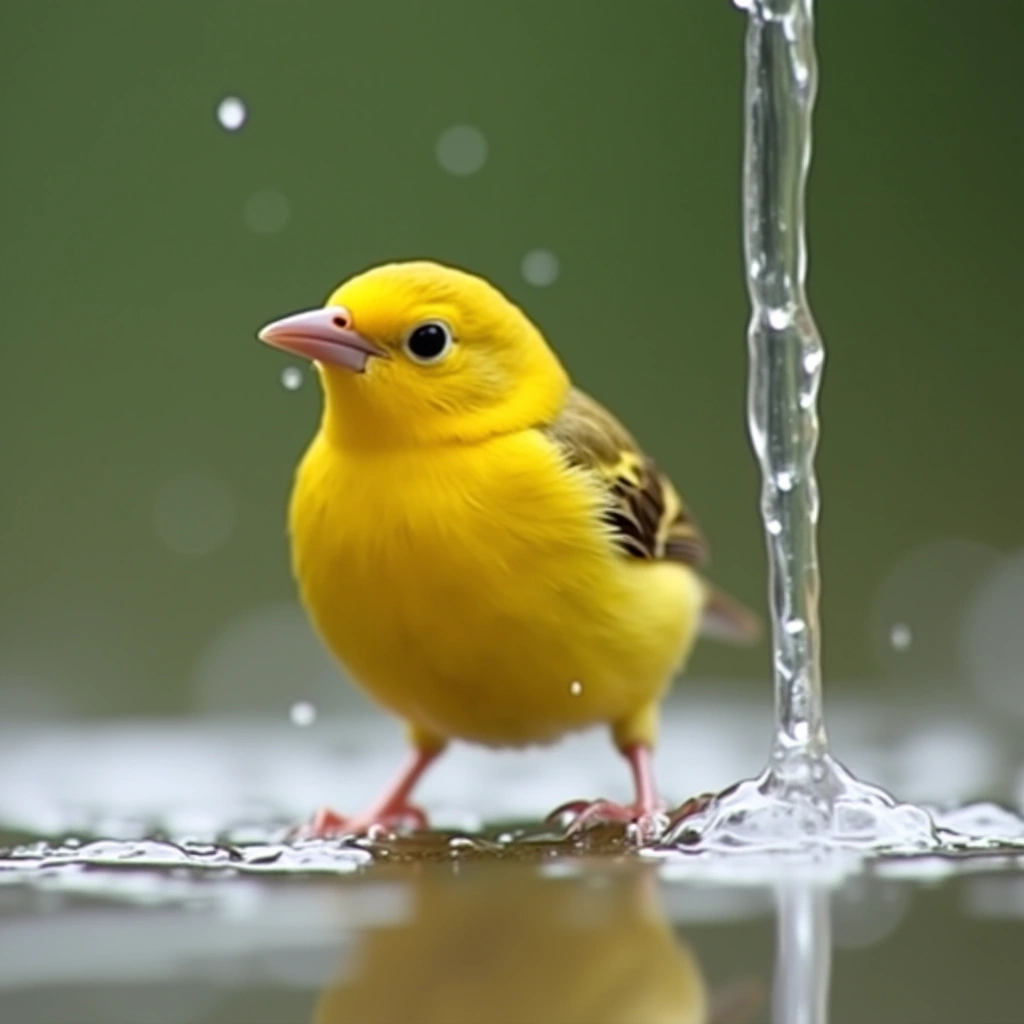
    So picture this: a little yellow warbler, the feathered equivalent of a tiny sunbeam, decides it’s time for a spa day. Yes, you heard it right—a spa day! While you might be lounging on your couch, binge-watching Netflix in your pajamas, this little guy is out here living his best life. Let’s dive into the delightful world of our feathered friend and explore just why watching a warbler take a bath is the ultimate feel-good content.

    First things first, let’s talk about the little yellow warbler. These birds are not only cute; they’re practically the social butterflies of the avian world. With their bright yellow feathers and cheerful chirps, they could easily star in a Disney movie. Just imagine: “The Little Warbler Who Could.” Spoiler alert: he can, and he will, especially when it comes to taking a bath!

    Now, why would a bird choose to take a bath, you ask? Isn’t that what we humans do after a long day of work, or when we’ve decided to take a break from the world? Well, for little yellow warblers, bathing is more than just a luxury—it’s essential. These birds need to keep their feathers clean and in top shape for flight. Dirty feathers? That’s like trying to run a marathon in flip-flops, my friend. Not gonna happen!

    But here’s where it gets interesting. Warblers, like many of their feathered friends, have a rather unique approach to bathing. They hop into shallow puddles, birdbaths, or even the occasional garden hose spray, and let the fun begin! Watching them flap around, shaking off droplets like they just stepped out of a sauna, is honestly the most entertaining thing you’ll see all week. If you think reality TV is wild, you haven’t seen anything until you’ve witnessed a warbler mid-bath!

    And let’s not forget about their audience. When a little yellow warbler takes a bath, it’s as if they’re performing for an audience. Birds of different species gather around, some perhaps shaking their heads, saying, “Look at that little guy go!” It’s basically nature’s version of a talent show—where the only talent involved is looking ridiculously cute while splashing water everywhere.

    Now, if you’re not convinced that this is the best content ever, let me hit you with some science. Bathing helps remove parasites and dirt from their feathers, ensuring they can fly efficiently. So, in a way, the little yellow warbler is not just a cute creature; it’s also the epitome of self-care. Take that, overpriced spas! Who needs a $200 facial when you can just splash around in a puddle?

    In conclusion, the next time you find yourself scrolling through social media, remember that a little yellow warbler taking a bath is not just a cute video; it’s a reminder to embrace joy, cleanliness, and the art of living your best life—one puddle at a time. So go ahead, take a note from this tiny bird. Splash a little, laugh a lot, and don’t forget to enjoy your own version of a spa day… even if it’s just sitting in your bathtub with a rubber ducky!
  • The Incredible Disguise of the Octopus: Nature’s Ultimate Shape-Shifter

    The Incredible Disguise of the Octopus: Nature’s Ultimate Shape-Shifter

    Hey there, fellow sea life enthusiasts! Have you ever seen an octopus in action? No, not the one at your local aquarium that looks like it’s auditioning for a reality show, but the real deal—the masters of disguise lurking in the depths of the ocean. You know, those eight-armed wonders that can change color faster than your friend changes their Netflix password!

    Now, let’s talk about why the octopus is the ultimate shapeshifter. Imagine you’re at a party, and someone is wearing the same outfit as you. What do you do? You either cry in the bathroom or change your outfit. The octopus? It has a third option: it changes its entire appearance, and it does it right before your eyes! Talk about confidence!

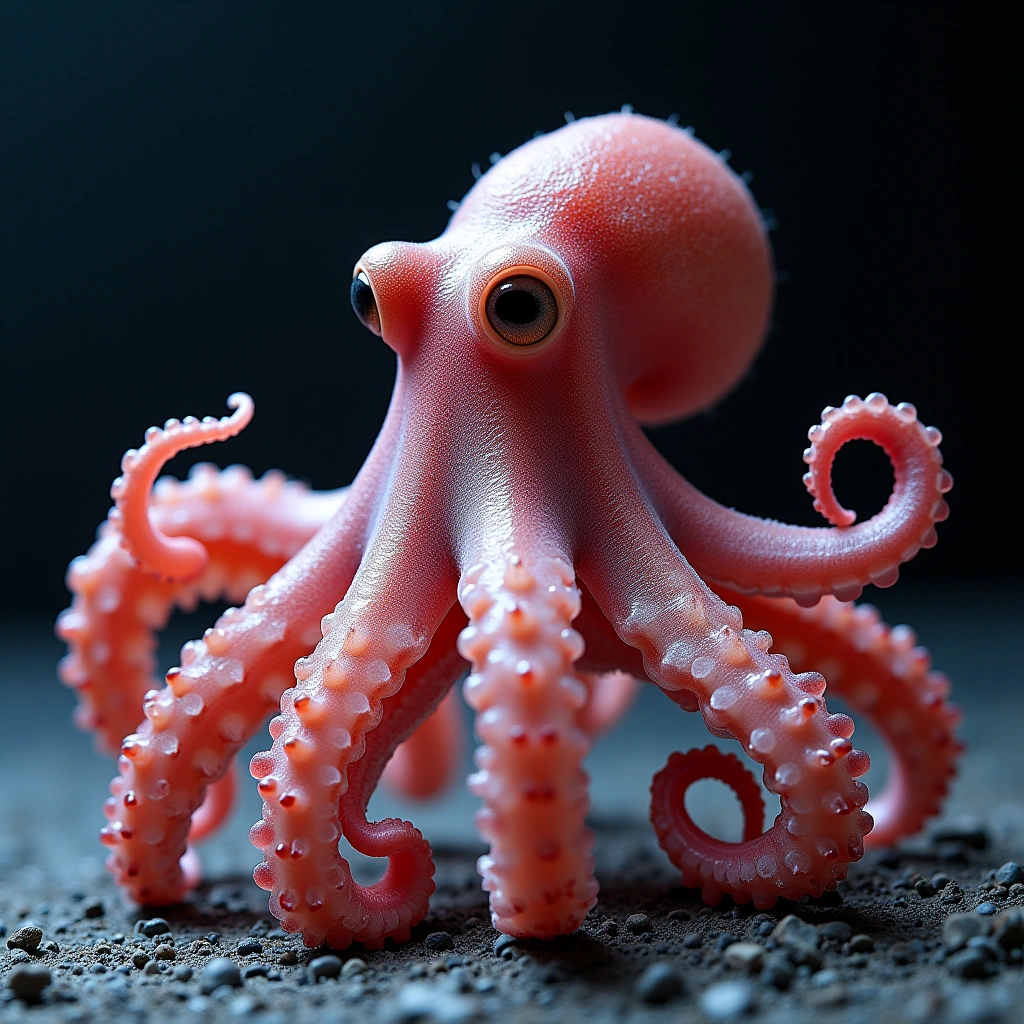
    These brainy cephalopods can not only change their color but also their texture. Yes, they can go from smooth as a baby’s bottom to looking like a rocky coral reef in a matter of seconds. It’s like nature’s way of saying, “You think you’ve got style? Watch this!” They have specialized cells called chromatophores that allow them to manipulate pigments and create stunning displays of color. So, the next time you’re feeling drab in a plain outfit, just remember: the octopus has you beat!

    But wait, there’s more! Besides color, octopuses can also change their shape. They can flatten out, puff up, or even mimic the shapes of other sea creatures. Imagine being able to transform into a rock when the in-laws visit—now that’s a superpower we all need! This incredible ability helps them not only to blend in and evade predators but also to ambush prey. Talk about having your cake and eating it too, right?

    And here’s where things get a bit controversial—some people think octopuses are just showing off. But let’s be real; if you could change into anything you wanted, wouldn’t you strut your stuff too? It’s like going to the gym and flexing in front of the mirror, except in this case, the mirror is a potential predator, and the octopus is saying, “You don’t want to mess with me, buddy!”

    In a world where survival is the name of the game, these clever creatures have mastered the art of intimidation. They can puff up their bodies to appear larger, flash bright warning colors, or even mimic the appearance of more dangerous animals like lionfish or flatfish. It’s like the ocean’s version of a high-stakes game of dress-up!

    So, the next time you find yourself scrolling through Reddit and come across a post about these mesmerizing creatures, remember: the octopus is not just a marine marvel; it’s a reminder that in the face of danger, sometimes the best defense is a fabulous outfit change!

    In conclusion, the octopus is a true testament to the wonders of evolution. With their breathtaking transformations and unique adaptations, they stand out in the ocean’s vast ecosystem. And hey, if they can pull off such amazing feats, maybe it’s time for us to step up our game—who knows what we might achieve if we put our minds to it (and maybe a little bit of glitter)!

  • The Brutal Ballet of Nature: A Falcon’s Mid-Air Assassin Act

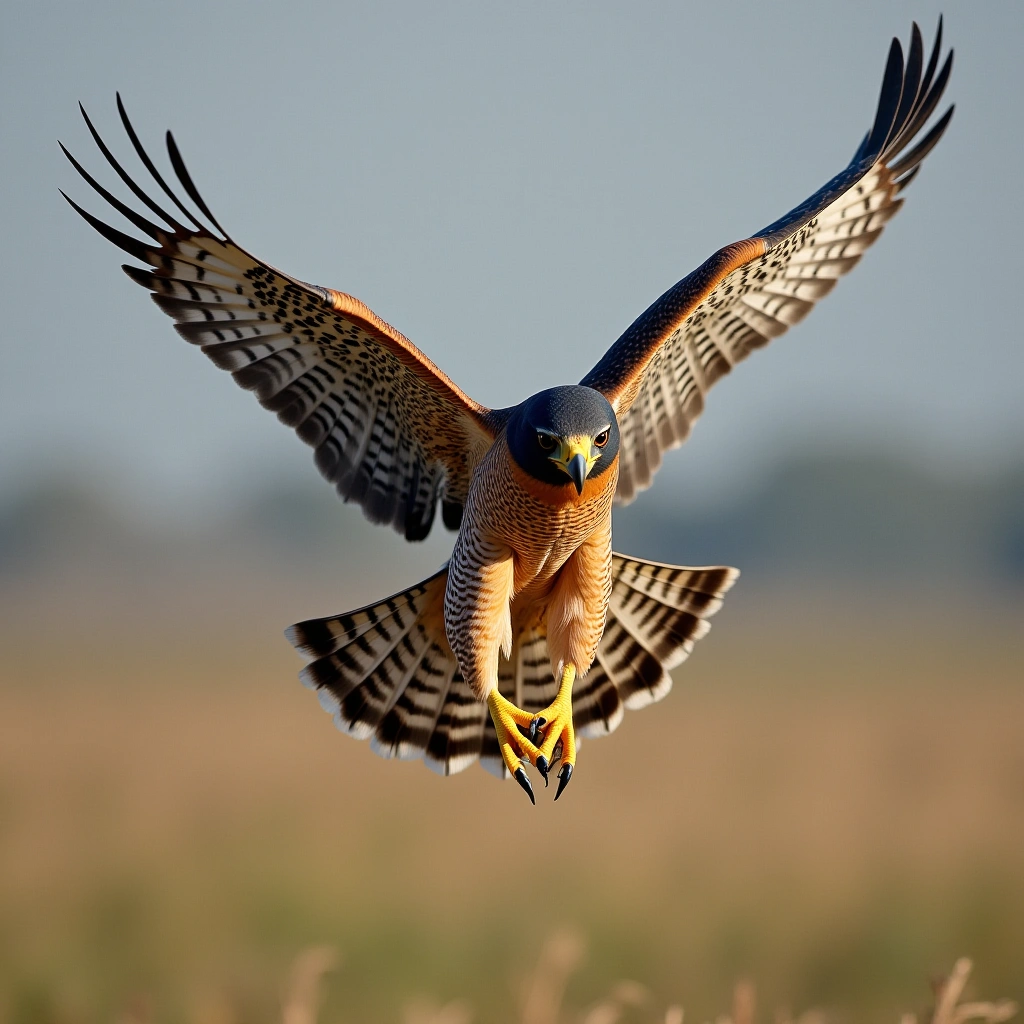
    The Brutal Ballet of Nature: A Falcon’s Mid-Air Assassin Act

    Ah, nature! It’s the ultimate reality show we never signed up for, full of drama, suspense, and a sprinkle of horror. Just when you thought the animal kingdom was all about bunnies frolicking in the meadow and dolphins doing backflips, in swoops a falcon to remind us that Mother Nature can be a ruthless diva. Let’s talk about the recent spectacle of a falcon breaking a pelican’s neck mid-air. Yes, you read that right. Buckle up!

    First off, let’s set the scene. Picture this: a pelican, with its oversized beak and goofy waddle, is probably just minding its own business, maybe thinking about what to have for lunch—fish, perhaps? Meanwhile, a falcon, sleek and aerodynamic, is soaring above like it owns the sky. In the world of birds, this is basically the equivalent of a superhero showdown. Except instead of capes, we have feathers. Instead of a city skyline, we have the open sky, and instead of saving the day, well, let’s just say that this falcon is more of a villain than a hero.

    Now, before you clutch your pearls, let’s dive into the science of this savage act. Falcons are known for their incredible speed and hunting prowess. In fact, the peregrine falcon can reach speeds of over 240 mph during a dive. That’s faster than most sports cars. So, when you mix this level of speed with the unfortunate position of a pelican, well, let’s just say it’s a recipe for disaster. It’s like watching a high-speed chase where the unsuspecting pelican has no clue that it’s been cast as the victim.

    Some might argue this is just nature being nature. Survival of the fittest and all that jazz. But let’s be real—this is not exactly your happy-go-lucky Disney movie where every animal is friends with one another. In the wild, it’s eat or be eaten, and sometimes that means pulling off some pretty brutal stunts to secure your next meal. To the falcon, this is a Tuesday. To the pelican? Well, let’s just say it didn’t see that plot twist coming.

    And speaking of plot twists, let’s not forget the viewers—us humans, who have a front-row seat to this gritty performance. We might be horrified, but deep down, there’s a part of us that can’t help but be fascinated. It’s like watching a horror movie where you know the killer is lurking, but you can’t look away because you want to see how it all unfolds. It’s morbid curiosity at its finest!

    So, what can we take away from this avian drama? For one, it’s a reminder that nature is not a petting zoo. It’s a complex ecosystem where every creature plays a role, even if that role involves breaking necks mid-flight. It’s a harsh reality, but it’s also a necessary part of life. Every predator needs its prey, and every prey needs to be a little more vigilant. In the grand scheme of things, it’s a brutal ballet of survival.

    In conclusion, while we may feel a pang of sympathy for the pelican, let’s not forget that this is just another day in the wild. So the next time you’re enjoying a serene moment in nature, just remember: somewhere out there, a falcon is probably plotting its next aerial ambush. And isn’t that just the circle of life? Cheers to the wild, my friends!

  • Meet the Slow Loris: Nature’s Adorable Yet Venomous Primate

    Meet the Slow Loris: Nature’s Adorable Yet Venomous Primate

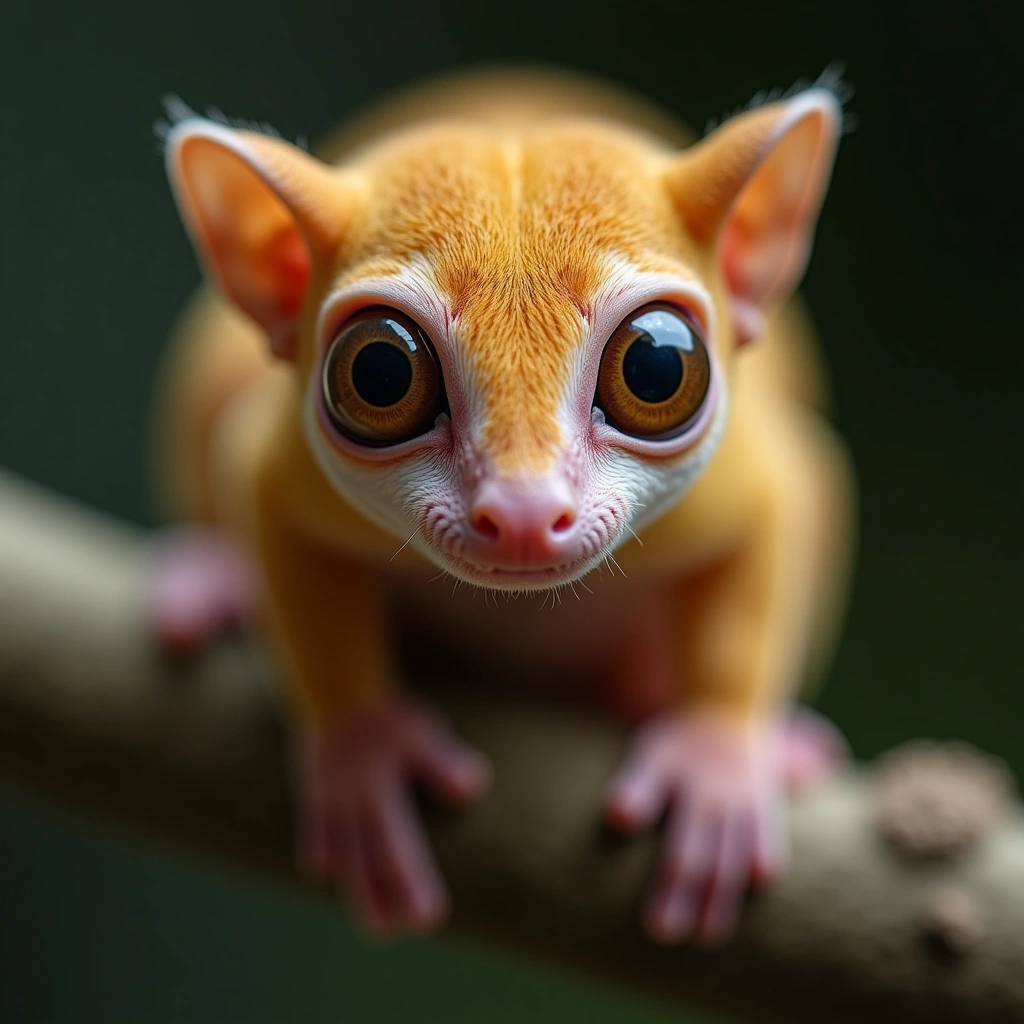
    Ah, the Slow Loris! When you think of primates, you might picture cheeky monkeys swinging from trees or a family of apes causing a ruckus at the zoo. But wait! Hold onto your hats, folks, because the Slow Loris is here to steal the spotlight—and it’s a bit more venomous than you might expect!

    First off, let’s get this straight: the Slow Loris is a primate that’s not just slow in movement but also in the way it approaches life. With their big, round eyes and adorable faces, they look like they just got out of bed and are trying to figure out where they left their morning coffee. But don’t let those sleepy eyes fool you; this little guy packs a venomous punch!

    Yes, you heard that right. The Slow Loris is the only venomous primate in the world. You might be asking, “How does that even work?” Well, grab your notepad because this is where it gets interesting. Slow Lorises have a special gland in their elbows that produces a toxin. What do they do with this toxin? They lick it off their arms like it’s the latest trend in skincare! That’s right, instead of a fancy moisturizer, they apply their very own venomous concoction.

    Once the venom is activated, it’s time to unleash the fury. When a Slow Loris feels threatened, it can deliver a bite that would make even the toughest predator reconsider its life choices. Imagine being a snake or a bird of prey, thinking you’ve got a tasty meal in front of you, only to be met with a mouthful of venomous fury. Talk about a plot twist!

    But let’s not be too harsh on our venomous friends. Slow Lorises are more than just their bite. They are nocturnal creatures, which means they party hard at night while the rest of us are dreaming about work deadlines and laundry. They’re also very social, often hanging out in groups, grooming each other, and sharing tips on how to avoid becoming a meal.

    However, let’s talk about the elephant in the room—er, I mean, the Slow Loris in the tree. These little guys are facing some serious threats due to habitat destruction and illegal pet trade. You might see them on social media looking cute and cuddly, but owning one as a pet is a bad idea. They require specialized care and love that most people can’t provide. Plus, who wants to deal with a venomous pet? That sounds like a recipe for disaster!

    In conclusion, the Slow Loris is a fascinating, albeit venomous, member of the primate family. They remind us that nature is full of surprises—some adorable, some a bit terrifying. So the next time you see a Slow Loris, give it a nod of respect. This little guy might look like a cuddly ball of fluff, but it’s got a secret weapon that would make even the bravest predator think twice. And let’s be honest, who doesn’t love a creature with a little bit of bite?

  • When Wild Dogs Meet Domesticated Dogs: A Tale of Survival, Shenanigans, and Snouts

    When Wild Dogs Meet Domesticated Dogs: A Tale of Survival, Shenanigans, and Snouts

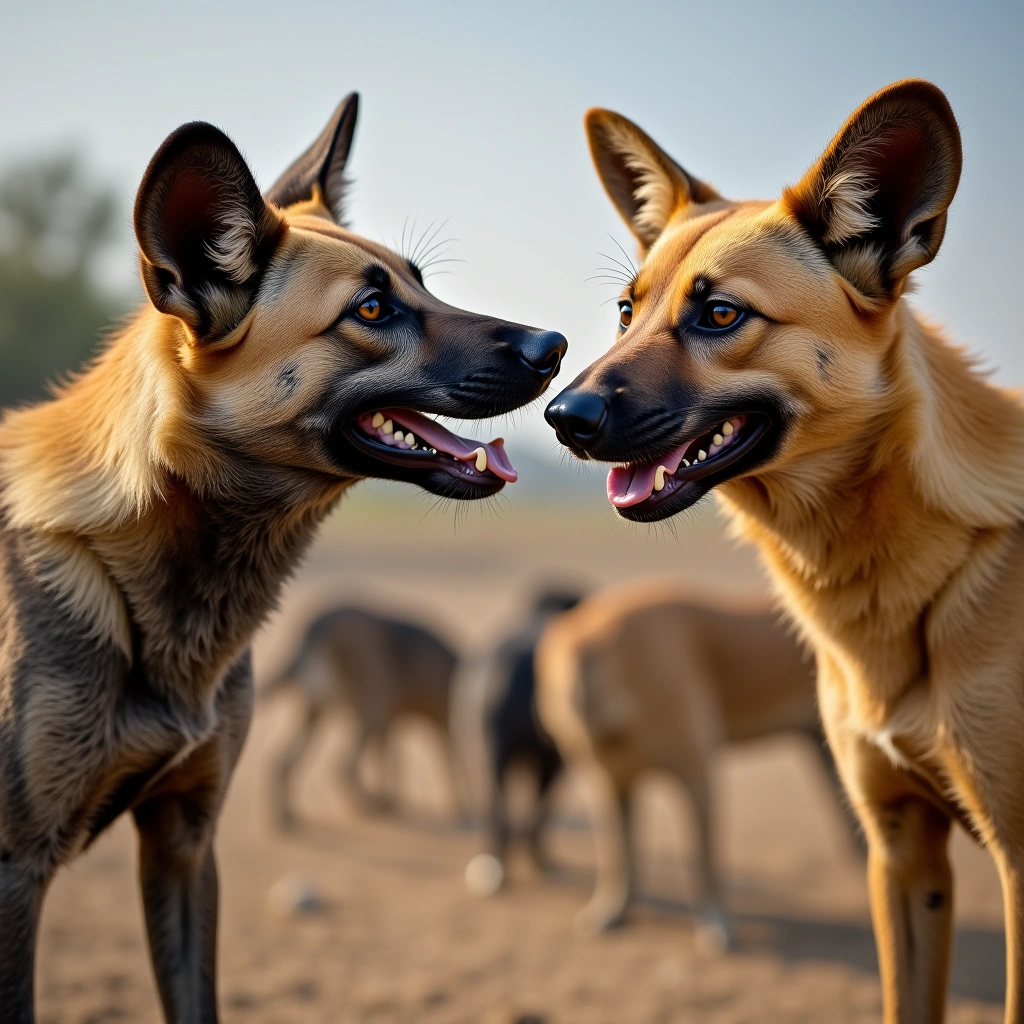
    Ah, the age-old clash of canines: wild dogs versus our beloved couch potatoes, aka domesticated dogs. Picture this: a pack of wild dogs, fur wild and free, galloping through the savannah, when suddenly, they spot a fluffy golden retriever lounging on a sunny porch, blissfully unaware of the drama unfolding around him. What happens next could be the plot of a canine soap opera!

    First things first, let’s address the elephant—or shall I say, the golden retriever—in the room. Wild dogs, with their fierce survival skills and pack mentality, are the rock stars of the canine world. They hunt, they gather, they have a well-coordinated dance routine when chasing down prey. Meanwhile, our domesticated friends are experts at begging for food and napping on the couch. It’s a classic case of “you had one job.”

    Now, imagine the wild dogs approaching the domesticated dog. The wild ones, with their piercing eyes and muscular physiques, are probably sizing up the situation like a group of bouncers at an exclusive club. And what do they see? A dog who has never chased a squirrel in his life, too busy wondering why the mailman is so suspicious. The wild dogs must be thinking, “Is this what they call evolution?”

    But let’s take a step back. This encounter is not just a comedy of errors; it’s a fascinating glimpse into how nature works. Wild dogs are social animals. They communicate and strategize, often bonding through their shared experiences. In contrast, domesticated dogs have been bred for companionship, making them more like that friend who can’t decide where to eat—always looking to you for guidance.

    So, what happens when these two worlds collide? For starters, the wild dogs might be confused. “Is this a new species? Do we need to teach it how to hunt?” They could be thinking. Meanwhile, the domesticated dog is likely to wag its tail, thinking, “New friends? I hope they bring snacks!”

    And here comes the kicker: the wild dogs might try to school the domesticated dog in the art of survival. Imagine them trying to teach him to fetch a stick—not just for fun, but as a means to catch dinner. The domesticated dog, however, is more interested in fetching that tennis ball his human threw last week. “Dinner? I get kibble! I’m living the dream!”

    Now, let’s not forget the humor that ensues. The wild dogs might attempt to initiate a game of chase, only for the domesticated dog to plop down on the grass, panting and looking for belly rubs. It’s like inviting someone to an intense workout session, only to find them sprawled out, snoring softly in the sun. The wild dogs must be rolling their eyes, thinking, “This is why we can’t have nice things.”

    In a world that often takes itself too seriously, this unlikely meeting of wild and domestic dogs serves as a reminder that while we may come from different walks of life—or in this case, different hunting techniques—we can still coexist, even if it means sharing a confused look and a good laugh. So next time you see your dog staring at the mailman, remember: somewhere out there, a wild dog is probably scratching its head at what we humans have created. And just like that, the circle of life continues in the canine kingdom.

  • Mama Bear’s Swimming Lessons: A Heartwarming Dive into Parenting and Nature

    Mama Bear’s Swimming Lessons: A Heartwarming Dive into Parenting and Nature

    Ah, the wonders of nature! If you ever thought your mom was a bit too overprotective, just look at the animal kingdom. Take a moment to picture this: a mama bear, standing proudly on the bank of a sparkling lake, ready to teach her adorable cubs the fine art of swimming. Let’s take a dive into this heartwarming scene and explore what it means for both wildlife and parenting!

    First off, can we just appreciate how adorable bear cubs are? They’re like fluffy marshmallows with legs! And when momma bear gives each of her little ones a sweet kiss of encouragement, it’s enough to make even the toughest among us shed a tear. That’s right, I’m talking to you, tough guy in the back. You know you’re already teary-eyed just imagining it!

    Now, let’s talk about the swimming lessons. It’s not just about splashing around in the water. No, no, no! This is bear boot camp! Mama bear knows that swimming is essential for survival. It’s about catching fish, escaping predators, and, let’s be real, cool summer fun! Who doesn’t want to take a dip on a hot day? (Well, besides you, if you can’t swim – but that’s a different story!)

    As the cubs teeter on the edge, their little hearts racing, you can almost hear them say, “Mom, are you sure this is a good idea?” But as the wise old saying goes, “If you never leap, you’ll never learn to swim!” Okay, maybe I just made that up, but it sounds good, right?

    When mama bear leans in to give them a reassuring kiss, it’s not just a gesture of love; it’s a moment of trust. She’s showing them that it’s okay to take risks, to explore the unknown, and most importantly, to believe in themselves (and also in their flotation abilities). What a lesson for us all!

    But here’s where it gets even more interesting. Some might argue that this nurturing approach is a perfect metaphor for modern parenting. Just like mama bear, parents today walk a fine line between encouraging independence and making sure their little ones don’t drown in life’s challenges. It’s a balancing act! So, when you see a mom cheering on her kid from the sidelines of the local pool, just know she’s channeling her inner bear.

    Of course, not all parents are like mama bear. Some take a more hands-off approach, letting their kids figure things out on their own. And while that’s a valid method, let’s not forget who’s less likely to end up on a viral video of a kid belly-flopping into the kiddie pool – that’s right, the overprotective mom, armed with floaties and life jackets galore!

    So, what can we learn from our furry friends? Whether you’re a parent, a bear enthusiast, or just someone who enjoys a good nature documentary, let’s take a page from mama bear’s book. Encourage your little ones to take the plunge, even if it means a few belly flops along the way. And always remember, a little love and encouragement can go a long way, whether you’re a bear or a human!

    In conclusion, the next time you see a mom teaching her cubs how to swim, remember that it’s about more than just getting wet. It’s about building confidence, fostering independence, and creating memories that will last a lifetime (or at least until the next fish dinner!). Now, who’s ready to dive in?

  • Meet the World’s Only Known White Giraffe: A Rare Marvel of Nature

    Meet the World’s Only Known White Giraffe: A Rare Marvel of Nature

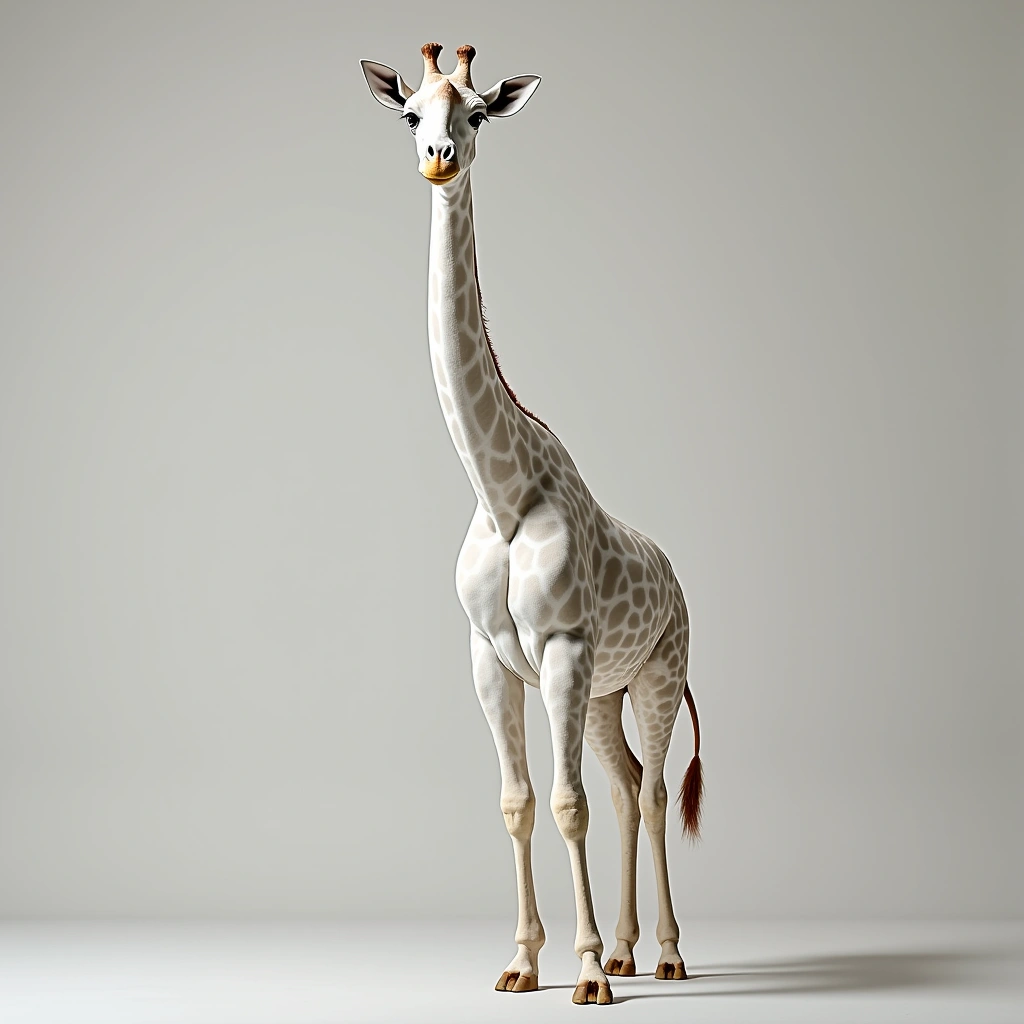
    Hey there, fellow animal lovers and curious minds! Have you heard the latest buzz? As of 2026, there’s a one-of-a-kind celebrity roaming the plains of Africa – the world’s only known white giraffe! And before you start thinking it’s just some overhyped Photoshop job, let me tell you, this majestic creature is as real as your aunt’s obsession with knitting.

    This stunning giraffe isn’t just a fashion statement in the animal kingdom; it has a rare condition known as leucism. Now, leucism is not just a fancy term to impress your friends at the next dinner party; it’s a genetic mutation that prevents pigment cells from producing color in the skin. Imagine being the only giraffe in a sea of classic brown-and-tan, where the rest of the herd is probably looking at you like, ‘Dude, where’s your tan?’

    But let’s be real: this white giraffe is not just a pretty face. It’s a living testament to the wonders and weirdness of nature! Leucism isn’t common in giraffes, which is why this gentle giant stands out like a sore thumb at a black-tie gala. While you might think it’s unique, leucism can also come with a few challenges. For instance, our dear white giraffe may face difficulties in the wild. Those bright white patches can make it easier for predators to spot it. Talk about a wardrobe malfunction!

    Now, you might be wondering, ‘How did we find out about this rare beauty?’ Well, thanks to wildlife photographers and conservationists, the white giraffe has been spotted in its natural habitat multiple times. It’s like it’s got its own paparazzi following it around; move over, Kardashians! These folks are dedicated to ensuring that our white giraffe friend remains safe from harm and can prance around without fear.

    Additionally, this rare giraffe sheds light on the importance of conservation efforts. It’s a reminder that nature can be unpredictable, and sometimes, it hands us a living miracle. As we continue to face environmental challenges, like habitat loss and poaching, the existence of this white giraffe encourages us to take action. Because let’s face it, if we can save a giraffe that looks like it just walked out of a snowstorm, we can certainly do better for the rest of the planet.

    So, the next time you’re scrolling through your social media feed and see a picture of this rare white giraffe, remember that it’s more than just a cute animal. It’s a symbol of resilience and a wake-up call for all of us. And who knows? Maybe it’ll inspire a new fashion trend in the animal kingdom. Let’s just hope the other giraffes don’t start dyeing their spots white. We don’t need that kind of drama!

    In conclusion, here’s to our one-and-only white giraffe! May it roam free and continue to dazzle us with its unique beauty. Remember, nature has a funny way of showing us that even the oddest creatures have a place in this world. So, let’s celebrate this rare gem and do our bit to protect its natural habitat. Cheers!

  • Paws and Waves: A Hilarious Guide to Taking Your Dog to the Beach in Goa, India

    Paws and Waves: A Hilarious Guide to Taking Your Dog to the Beach in Goa, India

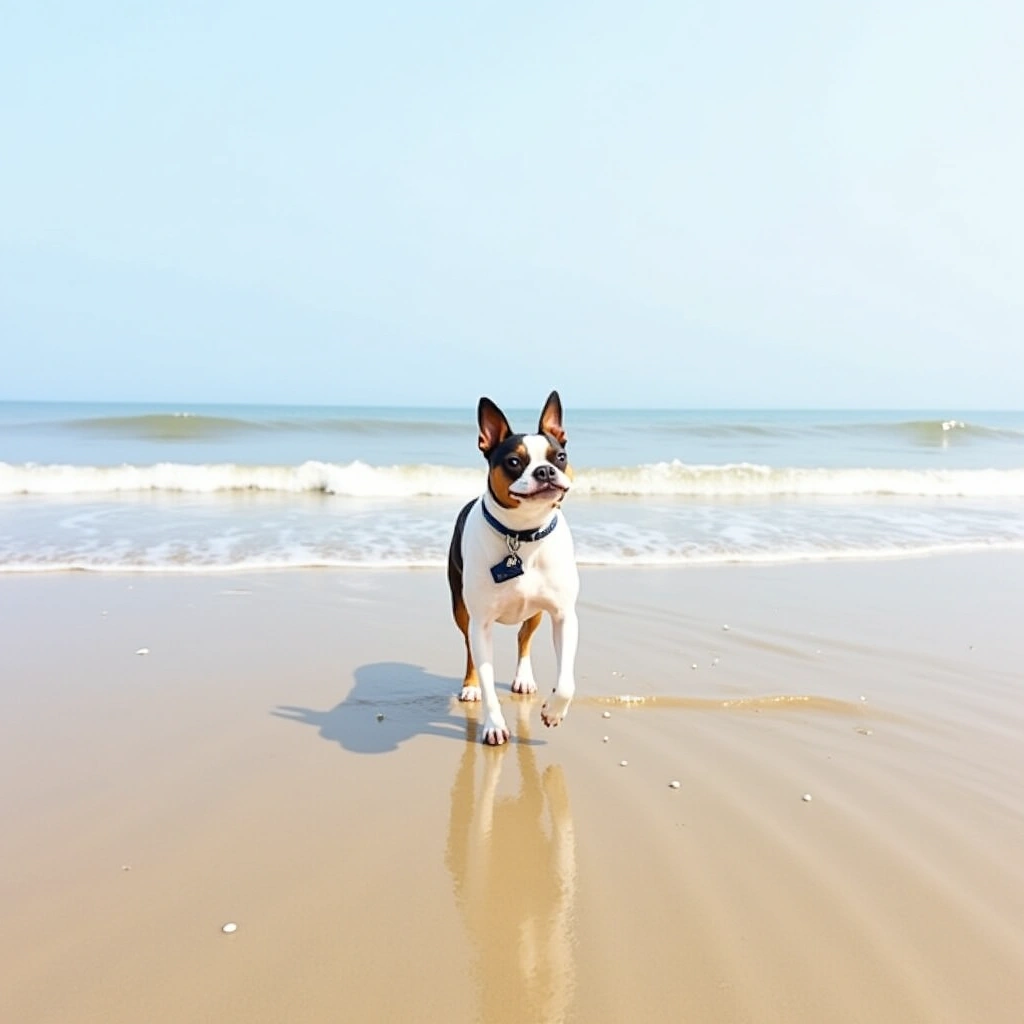
    Ah, Goa! The land of sun, sand, and… snouts? That’s right, folks! If you think beach vacations are just for humans, think again. Our four-legged friends are packing their tiny backpacks and heading to the sandy shores of Goa. But before you unleash your pup on the beach, let’s dive into the hilarious (and sometimes chaotic) world of dogs at the beach.

    First things first, dogs and beaches go together like peanut butter and jelly. Imagine your furry friend running freely, making friends with seagulls (who, let’s be honest, are probably judging them), and frolicking in the surf like a scene from a heartwarming dog movie. But before you grab your shades and leash, let’s make sure you’re prepared for this paw-some adventure!

    1. The Packing List

    Just like you wouldn’t go to the beach without sunscreen (unless you want to end up looking like a lobster), your dog needs some essentials too. Think about packing:
    – A doggy life jacket (because Fluffy may think he’s a great swimmer, but let’s be real).
    – Plenty of water (because hydration is key, and we all know how much dogs love to drink from the ocean — yuck!).
    – A beach towel (for those post-swim naps, obviously).
    – Toys (because what’s a beach without a game of fetch?)

    2. Beach Etiquette

    Just because your dog is adorable and thinks he’s the king of the beach doesn’t mean he can run wild like a mini tornado. Remember, not everyone loves dogs like you do. Make sure to keep your pup on a leash unless you’re in a designated dog area. And please, for the love of all things sandy, clean up after your dog. Nobody wants to step in your dog’s “presents” while walking barefoot!

    3. The Great Sand Debate

    Let’s talk about sand. Some dogs treat the beach like a giant litter box, rolling in it like it’s the best thing since sliced bread. Others? Not so much. You might find your pooch looking like a shaggy sandcastle. Who knew washing a dog could be an Olympic sport? Bonus points if you manage to get the sand out of their ears — you might just win the ‘Parent of the Year’ award!

    4. Seagulls: Nature’s Jerks

    Ah, the seagulls. The flying rascals that steal fries and taunt your dog from a distance. Watching your pup try to chase them is like watching a live-action cartoon. Just remember, no matter how fast they run, those seagulls are basically the Usain Bolt of the bird world. Spoiler alert: your dog will lose. A lot.

    5. The Aftermath

    After a day of sunbathing and splashing in the waves, your dog is going to be as tired as a toddler after a birthday party. Expect them to crash the moment you get home. The only thing left to do is to let them snooze while you sip on a coconut drink, reminiscing about the day’s adventures. Maybe next time, you’ll even remember to put sunscreen on yourself!

    So, there you have it! Taking your dog to the beach in Goa is not only possible but absolutely hilarious. Just remember to prepare, keep your pup in check, and enjoy the hilarity that ensues. Who knows? Your dog might just become the next beach celebrity, starring in their own Instagram account — “@DoggoneGoa.” Now, go out there, make some waves, and let the good times roll!

  • The Gravity-Defying Snow Leopard: Nature’s Feline Acrobat

    The Gravity-Defying Snow Leopard: Nature’s Feline Acrobat

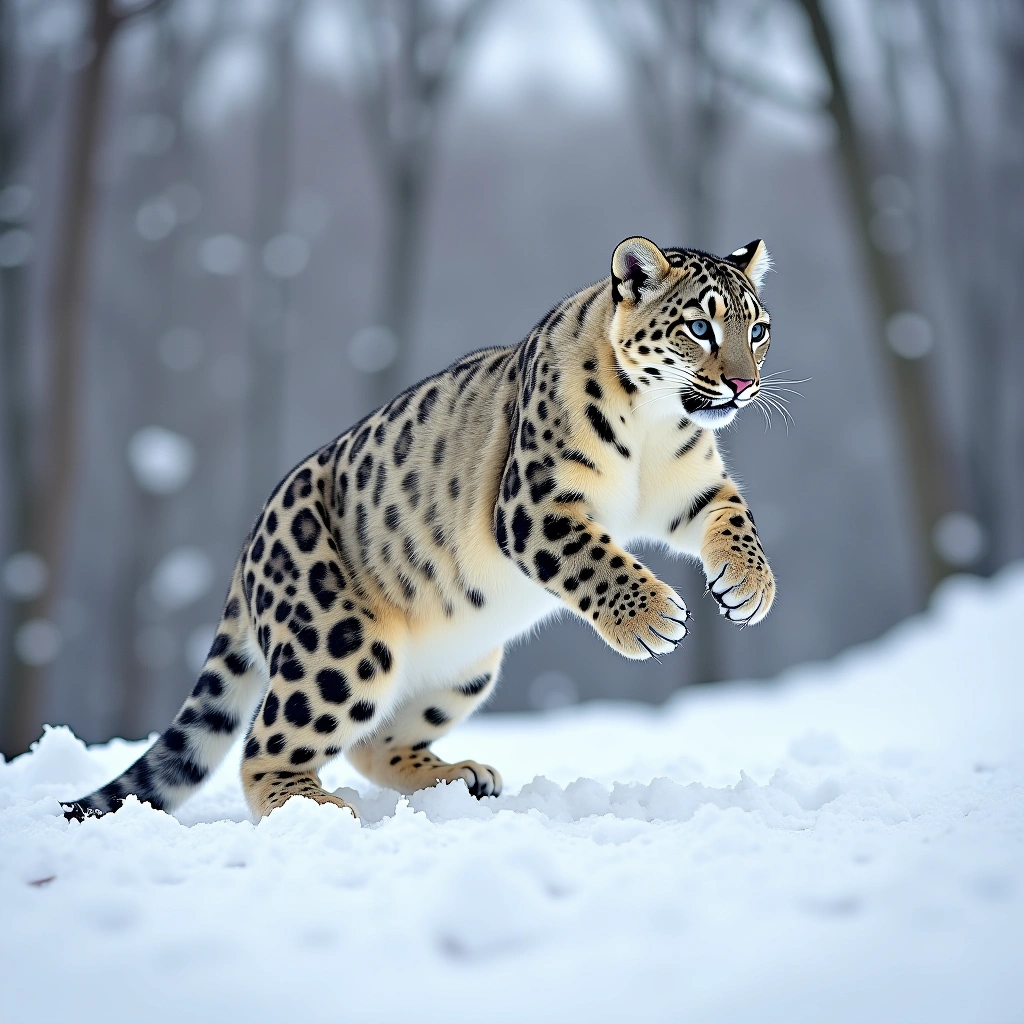
    Have you ever seen a cat jump? I mean, really jump? You know, the kind of leap that makes you question the laws of physics and your own ability to do a simple squat without embarrassing yourself? Well, let me introduce you to the snow leopard, the feline equivalent of a Cirque du Soleil performer. These majestic cats can leap an astonishing 50 feet (15 meters) in a single bound! Yes, they make your average house cat look like it’s stuck in quicksand.

    Now, before you start picturing these cats as the superheroes of the animal kingdom, let’s break down how they achieve such gravity-defying feats. Snow leopards have specialized adaptations that make them not just jumpers, but acrobatic ninjas of the high Himalayas. Their long tails help them balance, while their powerful leg muscles give them the strength to launch themselves into the air like a furry rocket. It’s like they’ve been binge-watching Olympic gymnastics and decided to give it a go themselves.

    But wait, there’s more! These big cats don’t just jump for fun (though I’d like to think they do it for the ‘Gram). They leap to hunt. Their diet primarily consists of mountain goats and sheep, which makes them the ultimate high-altitude predators. Imagine being a goat, minding your own business, when suddenly—BAM!—a snow leopard descends from the heavens like a fluffy angel of doom. Talk about a rude awakening!

    Snow leopards are solitary creatures, which means they don’t have to share their food or their dramatic jumps with anyone else. They are the introverts of the animal world, preferring the company of craggy cliffs and snowy slopes to the bustling crowds of the savannah. This solitary lifestyle has its perks, like being able to practice their acrobatics without an audience. Can you imagine the pressure of leaping 15 meters while your friends are watching? Talk about performance anxiety!

    Now, let’s get a tad controversial here. Some people might argue that snow leopards are just show-offs. But let’s be real—wouldn’t you show off if you could leap half the length of a football field? I mean, if I could jump that far, I would never pay for a taxi again. Just imagine the savings!

    In summary, snow leopards are not just your average big cats; they are extraordinary athletes equipped with the skills to outjump most creatures in their territory. So the next time you see a video of one of these magnificent leapers, remember to appreciate the blend of grace, power, and a dash of feline arrogance that makes them the acrobatic wonders of the wild. Just don’t ask them to give you a jumping lesson unless you want to end up in the emergency room!

  • The Secret Life of Sand Bubbler Crabs: Nature’s Tiny Seafood Hunters

    The Secret Life of Sand Bubbler Crabs: Nature’s Tiny Seafood Hunters

    Hey there, fellow nature enthusiasts! Buckle up, because we’re about to dive into the sandy world of sand bubbler crabs – the pint-sized predators of the beach who are basically the unsung heroes of the coastal ecosystem!

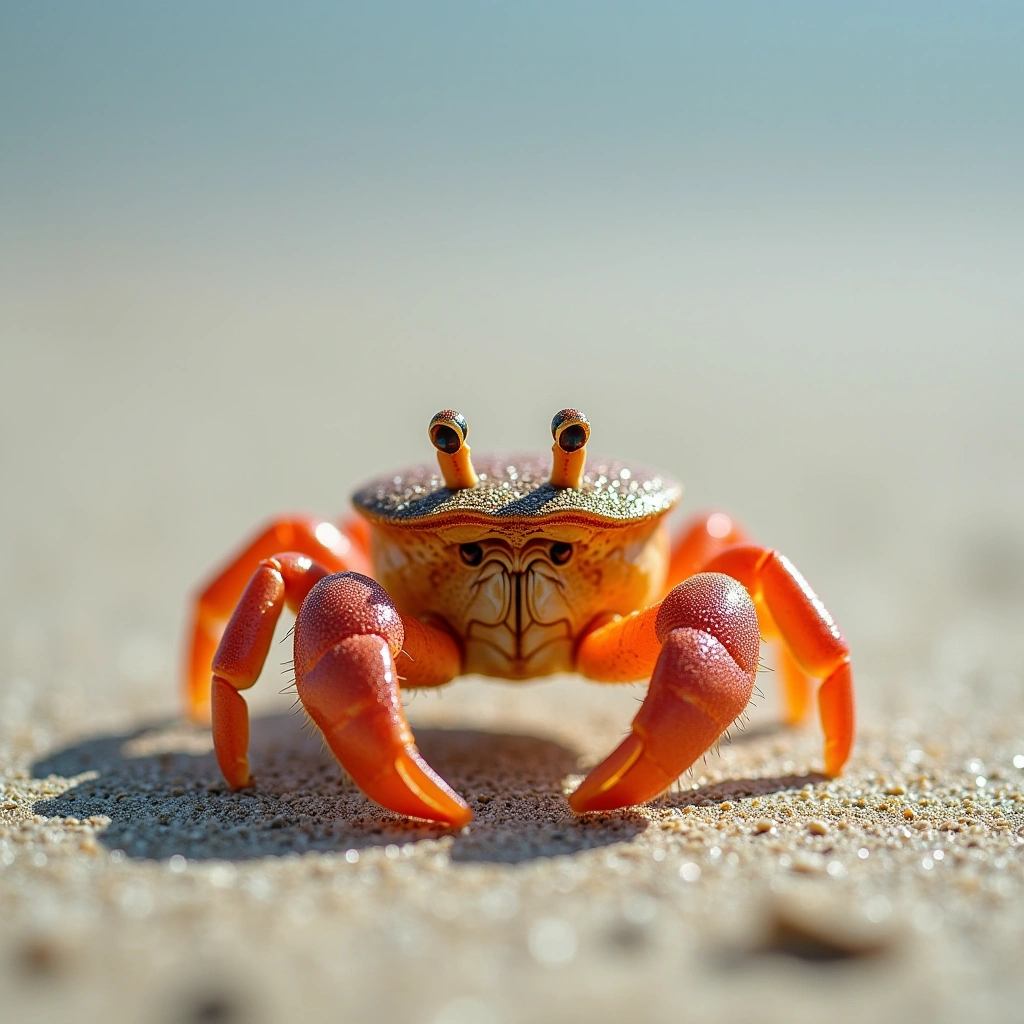
    Now, if you’ve ever strolled along a beach and noticed those tiny, perfectly round balls of sand scattered everywhere, you might have thought, “What on Earth made these little sand nuggets?” Well, my friend, the answer lies in the busy little claws of the sand bubbler crab. These guys are not just digging around for a snack; they’re on a mission!

    These crabs are like the vacuum cleaners of the beach, but instead of sucking up dust bunnies, they’re filtering out microscopic life known as meiofauna from the damp sand. Meiofauna are tiny creatures – think of them as the shrimp cocktail of the sand world. They’re so small you’d need a microscope to see them clearly, which makes sand bubbler crabs the ultimate seafood connoisseurs!

    Picture this: a sand bubbler crab scuttling across the beach, looking like it just downed a double espresso. They’re working at breakneck speed, sifting through sand grains like a seasoned barista crafting the perfect latte. Their little mouths are like high-tech filters, expertly separating the yummy meiofauna from the mundane sand. And what happens to the leftover grains? They get kicked aside, rolled into those charming little sand balls we see dotting the beach. It’s like the crab’s version of a takeout box for their dinner!

    But let’s not forget the bigger picture here. While we’re busy sunbathing and building sandcastles, these crabs are playing a crucial role in the coastal ecosystem. By hunting down meiofauna, they help maintain the balance of life in the sand. Without them, we might end up with an overabundance of microscopic creatures, which could throw the entire ecosystem into chaos. And trust me, you don’t want to be the reason we have a sand apocalypse!

    Now, you might be wondering, what’s the deal with these crabs’ speed? Are they on some sort of caffeine high? Well, they have adapted to be super efficient in their quest for food. In a world where every second counts, they’ve mastered the art of speed-eating – a skill I think we can all admire, especially during Thanksgiving dinners!

    So, the next time you find yourself at the beach, take a moment to appreciate the hardworking sand bubbler crabs. They might be small, but they’re making a big impact, one grain of sand at a time. And who knows? Maybe you’ll catch one in action, working its magic and reminding us all that even the tiniest creatures can have a huge role in our world!

    In conclusion, let’s raise a toast (with our ice-cold drinks, of course) to the sand bubbler crab – the micro-hunters of the beach! Keep your eyes peeled, and remember: in the grand scheme of nature, it’s often the little guys who pack the biggest punch. Cheers!