Category: Human Interest

  • Joe Scarborough vs. Trump: The Morning Joe Showdown

    Joe Scarborough vs. Trump: The Morning Joe Showdown

    Scarborough continued to hammer Trump and the other members of his administration for standing so staunchly against anyone with concerns about the dangers that rapid AI development presents.

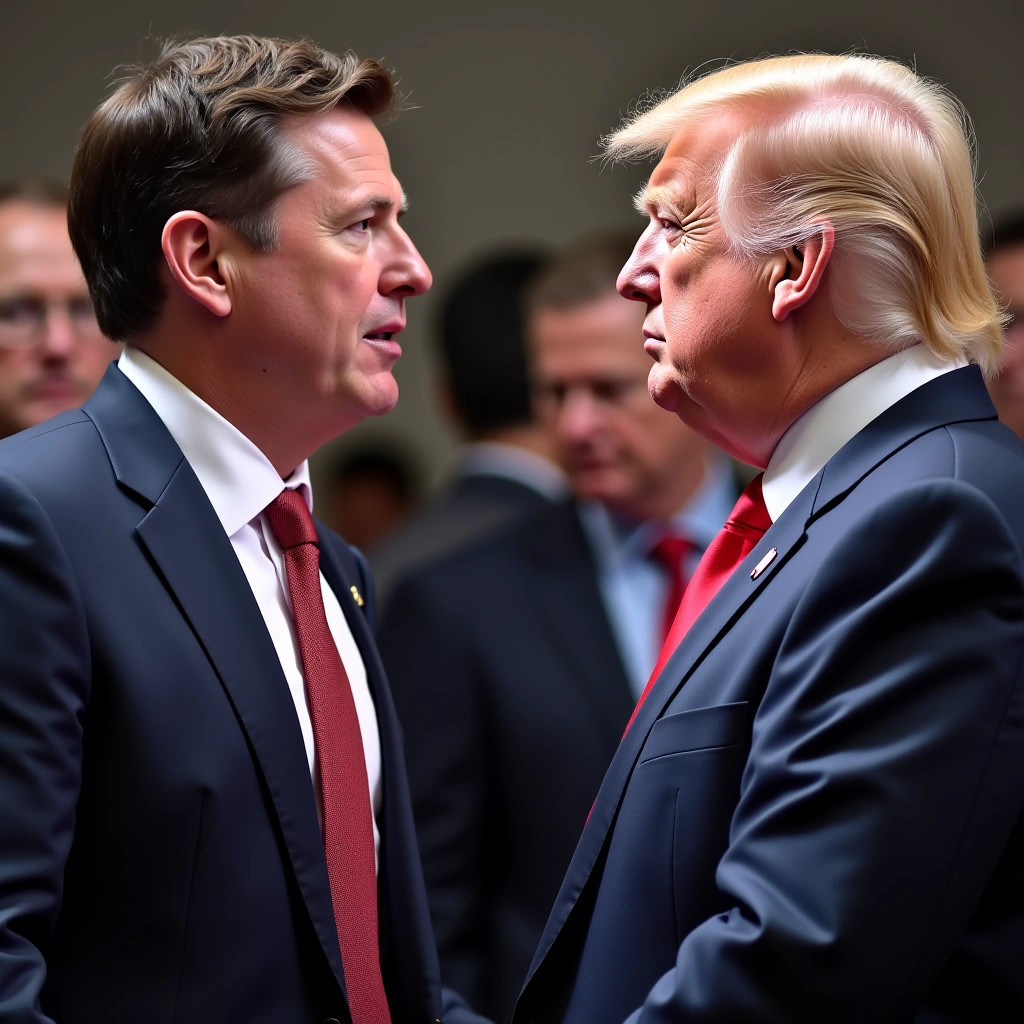
    In the world of morning television, few things are as entertaining as a good old-fashioned feud, and when it comes to Joe Scarborough and Donald Trump, the drama is practically a daily special. Just the other day, during an ad break on the popular MSNBC show, Morning Joe, Trump decided it was the perfect moment to take a jab at Scarborough. I mean, who wouldn’t want to stir the pot while the audience is distracted by a commercial for the latest miracle cleaning product?

    In a post on Truth Social (because, of course, that’s where all the real action happens), Trump declared Morning Joe ‘dead!’ Apparently, he missed the memo that the show is still alive and kicking, with a panel that’s always ready to dish out some hot takes. Scarborough, not one to sit idly by while someone throws shade from their digital soapbox, fired back in real time. And let me tell you, it was a response that could have made even the most hardened political analyst crack a smile.

    Scarborough, with his usual blend of sarcasm and wit, urged Trump to go ahead and watch shows that say things he likes. I mean, if there’s one thing we’ve learned about Trump, it’s that he’s all about the shows that cater to his taste—after all, who doesn’t enjoy a good echo chamber?

    The panel didn’t miss a beat either, jumping in with their own commentary as the situation unfolded live on air. It’s almost as if they were waiting for a chance to engage in some verbal sparring, and boy, did they get it! The banter was sharp, and the audience was treated to a front-row seat of the ongoing rivalry between Scarborough and Trump. It’s like watching a political boxing match but with more coffee and fewer gloves.

    Now, let’s talk about the irony here. Trump, who has a penchant for calling out anyone who dares to criticize him, seems to forget that Morning Joe has been doing just fine despite his claims. Scarborough and his co-host, Mika Brzezinski, have built a loyal audience that tunes in daily, perhaps to hear the latest political gossip or to see if Trump will drop another bombshell tweet. It’s a love-hate relationship that keeps viewers coming back for more.

    In the end, the whole exchange serves as a reminder that in politics (and television), nothing stays dead for long. Morning Joe is likely to continue thriving, and Scarborough will keep delivering his brand of commentary that can make you chuckle, cringe, or both. So, grab your coffee, turn on the TV, and get ready for the next episode of this ongoing saga. Who knows what Trump will say next? But one thing’s for sure: Scarborough will be ready with a witty retort, and we’ll all be watching.


    Inspired by: “Joe Scarborough Fires Back in Real Time After Trump Attacks Him: Go Watch Shows ‘That Say Sh*t That…” (r/Media)


  • Asian Games 2026: Javelin Throw Drama as Yashvir and Rohit Shine Brightly

    Asian Games 2026: Javelin Throw Drama as Yashvir and Rohit Shine Brightly

    Yash Vir and Rohit registered their best throws at 85.72 and 84.35m , respectively.

    Hold onto your hats, folks! The Asian Games 2026 just delivered a javelin throw showdown that could rival even the most intense reality TV drama. Picture this: the crowd is buzzing, the athletes are pumped, and the javelins are flying. And guess who made a splash? Yashvir Singh and Rohit Yadav, our very own Indian stars, snagging silver and bronze medals, respectively. Talk about a podium finish!

    Now, before we dive deeper into the thrilling details, let’s address the elephant in the room—or rather, the missing champion. Yes, I’m talking about Neeraj Chopra, the reigning javelin king who, due to injury, was unfortunately sidelined for this competition. One can only imagine the heartbreak of not being able to defend your title, but hey, sometimes life throws you curveballs—or in this case, javelins.

    But fear not! The absence of Chopra didn’t dampen India’s javelin spirit. Yashvir Singh stepped up to the plate (or should I say, the throw?) and delivered a personal best of 85.72 meters. That’s right, folks, he threw that javelin farther than most of us can throw a paper airplane! His stellar performance not only earned him a shiny silver medal but also continued the proud legacy of Indian javelin throwers that was so brilliantly established in 2023.

    And let’s not forget about Rohit Yadav, who snatched up the bronze with his own impressive throw. It’s like a buddy cop movie where both leads end up with medals instead of just a high-five. Talk about teamwork!

    Now, let’s give a round of applause to Sri Lanka’s Rumesh Pathirage, who took home the gold with a jaw-dropping throw of 88.55 meters. Seriously, did he have a rocket strapped to that javelin? Pathirage’s performance was nothing short of spectacular, and he certainly made a name for himself on this grand stage.

    As the dust settles on this javelin drama, it’s clear that the Asian Games 2026 is shaping up to be a memorable one. With athletes pushing their limits and breaking personal records, it’s hard not to get caught up in the excitement. Who knows what the rest of the games will bring? More medals? More thrilling moments? Maybe even a javelin-throwing cat video? (Okay, I might be getting ahead of myself.)

    In conclusion, Yashvir and Rohit have not only made India proud but have also set the stage for future javelin throwers. With Neeraj Chopra cheering them on from the sidelines, we can only imagine how fierce the competition will be in the coming years. So, here’s to the thrill of the throw, the glory of the podium, and the undeniable spirit of sportsmanship that brings us all together. Until next time, keep your javelins sharp and your spirits high!


    Inspired by: “Asian Games: Yashvir wins silver, Rohit bronze as Pathirage takes javelin gold” (r/World)

  • J Street: The New Cool Kids on the Jewish Advocacy Block

    J Street: The New Cool Kids on the Jewish Advocacy Block

    J Street (Hebrew: ג’יי סטריט) is an American nonprofit liberal Zionist advocacy and lobby group based in the United States whose aims include strengthening Jewish democracy in Israel, promoting a diplomatic end to the Israeli–Palestinian conflict with a two-state solution, and opposing …

    Alright, folks, grab your favorite beverage and settle in because we’re diving into an intriguing development in the Jewish advocacy scene. If you haven’t heard of J Street yet, it’s time to pay attention. This group is shaking things up like a good cocktail mixer at a party, and it looks like some heavy hitters from the Jewish establishment are jumping on board. Yes, you heard that right!

    So, what’s the big news? J Street is forming a Jewish Community Advisory Council featuring some prominent figures from the Jewish community. Now, this isn’t just a casual meet-up over bagels and lox. This is a strategic move aimed at gaining broader acceptance and legitimacy as a voice for American Jews, especially on those oh-so-controversial issues related to Israel.

    For years, J Street has been like that kid who wasn’t invited to the popular kids’ table at lunch. While mainstream Jewish organizations often gave them the cold shoulder, J Street has been advocating for a more nuanced approach to Israeli policies, and it seems the tide is finally turning. The formation of this advisory council suggests that their criticisms of Israeli government policies are no longer considered taboo. It’s like they’ve finally been let into the club and given a VIP pass.

    Now, let’s face it: the Jewish community is not a monolith. It’s a vibrant tapestry of opinions, beliefs, and yes, plenty of debates that could rival a competitive sport. Some folks are still hanging on to the traditional views about Israel, while others are ready to embrace a more progressive stance. J Street is positioning itself as the voice of those who want to advocate for a peaceful and just resolution to the Israeli-Palestinian conflict without being labeled as pariahs.

    But what does this mean for the future? Well, it’s a sign of the changing times, my friends. The Jewish establishment is beginning to realize that there’s a whole spectrum of opinions out there, and perhaps it’s time to listen to the voices that have been sidelined for too long. J Street’s rise could lead to a more inclusive dialogue that allows for differing perspectives without the fear of being ostracized.

    Of course, not everyone is on board with this shift. There are still plenty of folks who cling to the old ways, and they might not be thrilled about J Street’s growing influence. But hey, change is hard, right? It’s like trying to teach an old dog new tricks, or convincing someone that pineapple on pizza isn’t a crime against humanity.

    In conclusion, J Street’s establishment of a Jewish Community Advisory Council is not just a move to gain legitimacy; it’s a reflection of the evolving landscape of Jewish identity and advocacy. As more prominent figures join their ranks, it will be fascinating to see how this reshapes the conversation around Israel in America. So, whether you’re a die-hard supporter of J Street or a skeptic, it’s clear that the winds of change are blowing, and they’re bringing a whole new flavor to the table.

    Stay tuned, because this is just the beginning of what could be a very interesting chapter in Jewish advocacy. Who knows? Maybe one day we’ll all be sitting together at that lunch table, debating the best bagel toppings without the fear of judgment. Now, wouldn’t that be something?


    Inspired by: “Jewish establishment heavy hitters are joining J Street in a sign of the changing times” (r/World)

  • Explosions in the DMZ: A Not-So-Welcome Reminder of Tensions

    Explosions in the DMZ: A Not-So-Welcome Reminder of Tensions

    The assessment could further heighten tensions between the rivals. Relations have deteriorated sharply in recent years amid North Korea’s accelerating nuclear weapons program and the collapse of U.S.-led diplomacy aimed at resolving the nuclear …

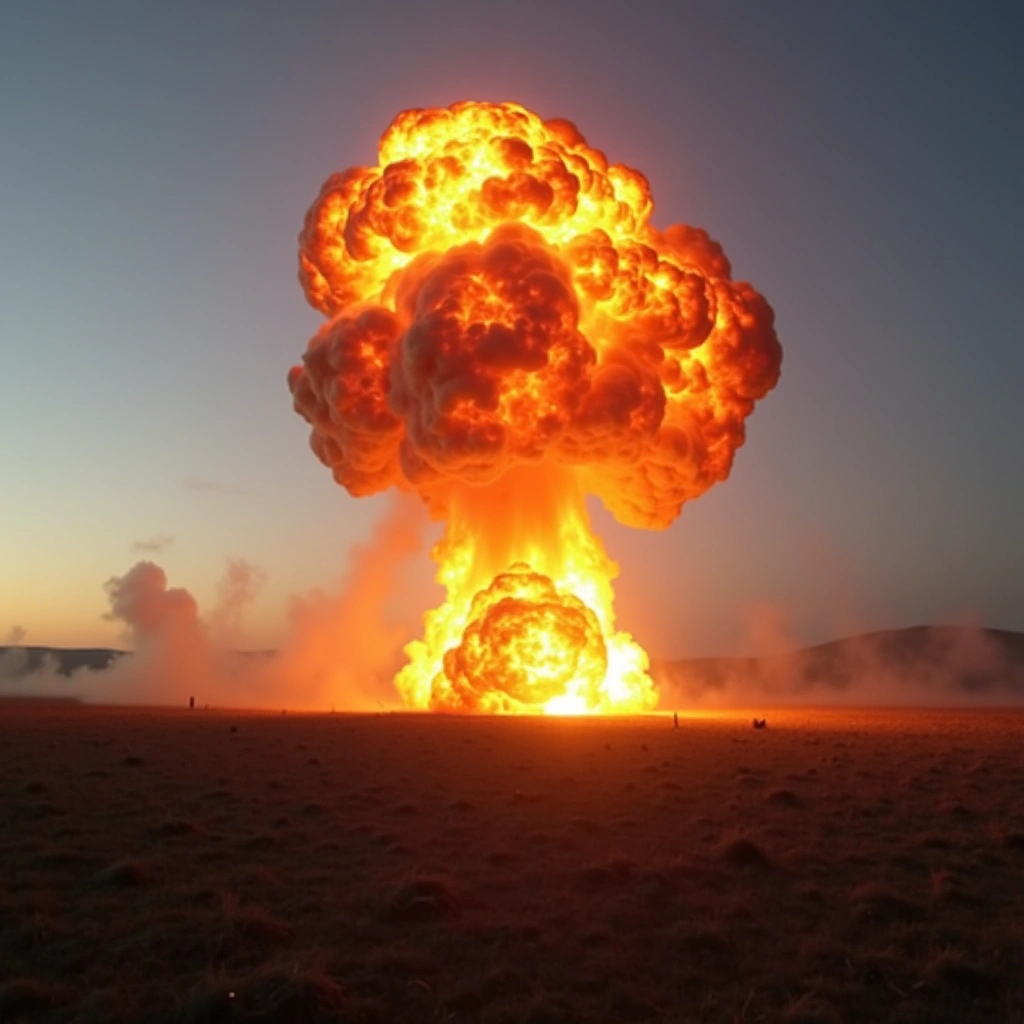
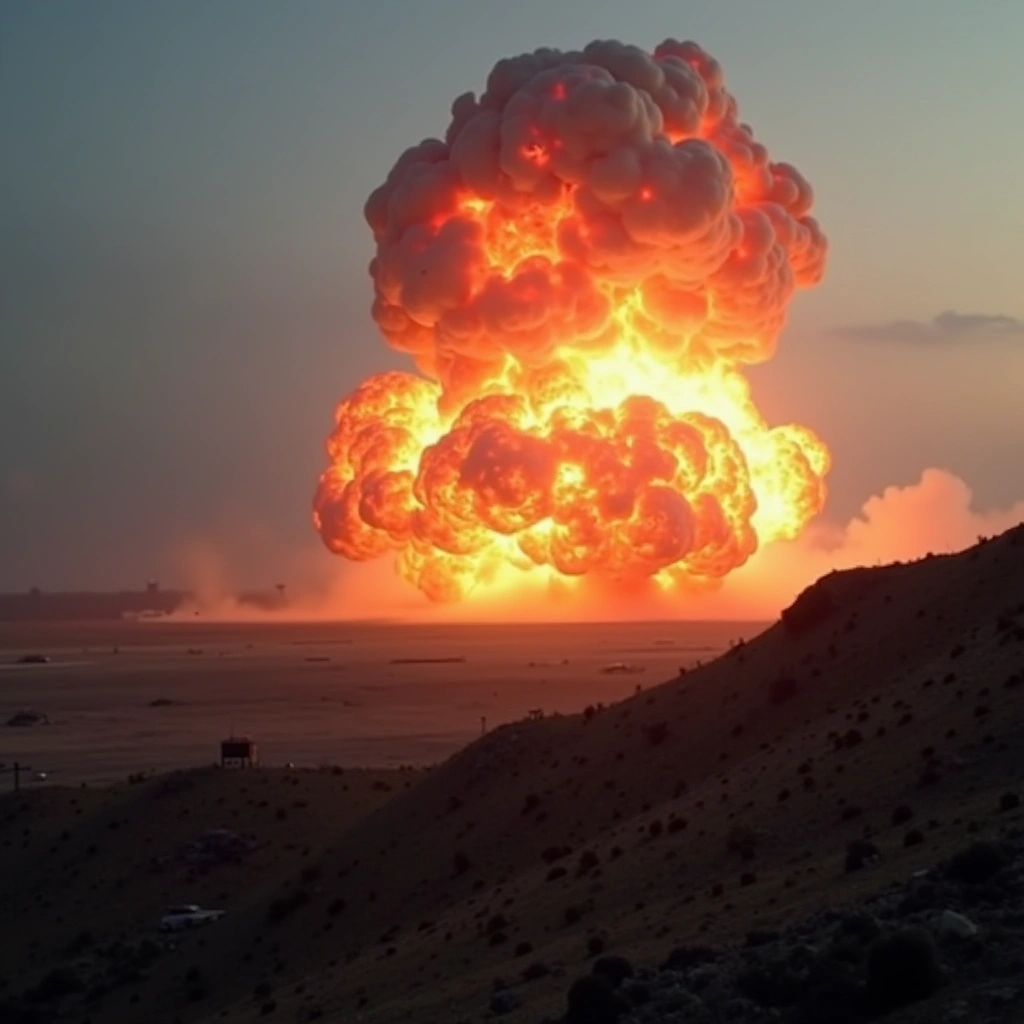
    On September 21, the Demilitarized Zone (DMZ) – that odd stretch of land that’s supposed to be a buffer between North and South Korea – had an unfortunate moment of excitement. And by excitement, I mean explosions. Yes, you read that right. Three South Korean soldiers were injured, two of them seriously, after what appears to be a mine-related mishap. Talk about a bad day at work.

    Now, if you’re asking yourself, ‘How did we get here?’, you’re not alone. The South Korean military is currently scratching its collective head, but they have a theory: North Korean landmines might be the culprits behind these blasts. And no, they didn’t just pull this theory out of a hat; troops reported finding an undetonated mine near the explosion site that resembles the North Korean design. You know, the kind of design that screams, ‘I’m here to ruin your day!’

    As if the DMZ wasn’t already tense enough, this incident has sparked a joint investigation by the South Korean military and the UN Command. Because nothing says ‘let’s work together’ like investigating a possible act of aggression from your neighbor. It’s almost like a couple arguing over who forgot to take out the trash, but instead, they’re debating who’s responsible for planting explosives in the backyard.

    But let’s take a moment to appreciate the irony here. The DMZ, established as a buffer zone after the Korean War, is ironically one of the most militarized places on the planet. It’s like putting a sign that says ‘No Trespassing’ in front of a house that’s surrounded by a moat, barbed wire, and guard dogs. And yet, here we are, with mines planted like they’re going out of style. If only they could plant some peace instead.

    The South Korean soldiers involved in this incident were just doing their jobs, patrolling an area that’s supposed to be a no-go zone for both sides. Yet, the presence of these mines is a stark reminder that the tensions between North and South Korea are far from over. It’s almost as if they’re playing a game of chess, but instead of pawns, they’re using landmines.

    In the aftermath of the explosions, South Korea is left to ponder not just the safety of its soldiers, but also the broader implications of North Korea’s military strategies. Are they trying to send a message? Or are they just really bad at keeping their explosives under control? Either way, it’s not exactly a confidence booster for those on the southern side of the DMZ.

    As investigations continue, we can only hope that this incident serves as a wake-up call for both sides. The DMZ is not just a line on a map; it’s a reminder of a divided nation and the need for dialogue instead of detonations. So, here’s to hoping that next time, instead of explosions, we hear about peace talks or a joint picnic. Because let’s face it, nobody wants to see more injuries or explosions – we’ve had enough of that drama already.

    In the meantime, let’s keep our fingers crossed for the injured soldiers and hope that this situation doesn’t escalate any further. Because if there’s one thing we can all agree on, it’s that nobody wants to see a minefield turn into a battlefield.


    Inspired by: “South Korea probes possible North Korean mine in DMZ blast” (r/News)

  • Mediators, Iran, and the US: The Ongoing Dance of Diplomacy

    Mediators, Iran, and the US: The Ongoing Dance of Diplomacy

    In 2025 and 2026, Iran and the United States began a series of negotiations aimed at reaching a nuclear peace agreement, following a letter from US president Donald Trump to Iranian supreme leader Ali Khamenei, setting a 60-day deadline for Iran to reach an agreement.

    Ah, the Strait of Hormuz. It’s not just a crucial waterway for oil shipments; it’s also the setting for the latest episode of international negotiations that seem to be taking longer than a Netflix series with five seasons. Mediators are still at it, trying to hash out a deal between Iran and the United States. If only they could use a time machine to fast forward past all these indirect talks!

    For those of you who might not be following this saga closely (and who could blame you?), the discussions have been ongoing for eight months now. That’s right, eight months—longer than some people take to plan a wedding! And just like wedding planning, negotiations can get a little messy.

    The mediators are employing a strategy that resembles a game of telephone: they talk to one party, then the other, hoping that the message stays relatively intact. You can only imagine how that goes. “Did you say we can reopen the Strait of Hormuz?” “No, no, I said we need to open a can of worms!” It’s a delicate balancing act, folks.

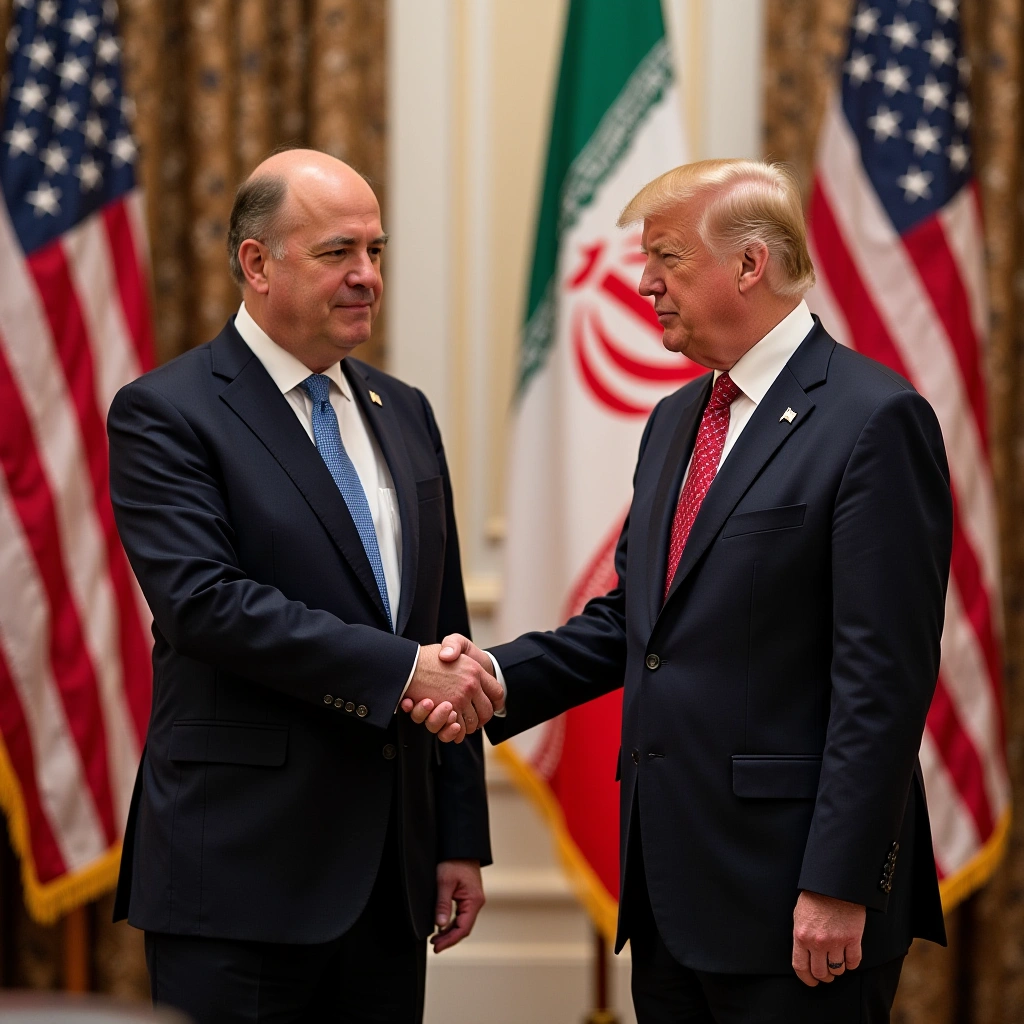
    Recently, Iran proposed to reopen the strait within a week—because who doesn’t love a good deadline?—in exchange for some relief from sanctions and the release of assets. Sounds reasonable, right? Well, President Trump wasn’t having any of it. He rejected the proposal faster than you can say, “I’d like to speak to your manager.” And just like that, the ball is back in the court of the mediators.

    Now, the whole situation is a bit like trying to negotiate with a toddler over candy. One side wants something sweet, and the other is just trying to avoid a meltdown. It’s exhausting, really. You can almost picture the mediators at the end of the day, collapsing on their couches, muttering, “Why didn’t I just become a cat person instead?”

    Despite the challenges, the mediators are pushing on, because what else can they do? They’ve got to keep the hope alive that one day, we might actually see an end to this conflict. After all, reopening the Strait of Hormuz could mean smoother sailing for oil shipments and, let’s be honest, a little less drama on the global stage.

    So, as we continue to watch this diplomatic ballet unfold, let’s keep our fingers crossed that the parties involved can find some common ground. And who knows? Maybe one day we’ll be able to look back at this period and laugh—or at least roll our eyes—over how long it took to reach an agreement. Until then, grab your popcorn, folks; the negotiations are far from over!


    Inspired by: “Officials say mediators are still working with Iran and the US on a possible deal” (r/News)

  • Khamenei’s Bold Claims: Enemy Forces Beware of the Arabian Sea!

    Khamenei’s Bold Claims: Enemy Forces Beware of the Arabian Sea!

    (AP Photo/Vahid Salemi) DUBAI, United Arab Emirates — Iranian forces have driven enemy forces back from waters off southern Iran to the Arabian Sea , Supreme Leader Mojtaba Khamenei says, according to his Telegram channel, warning that Iranian …

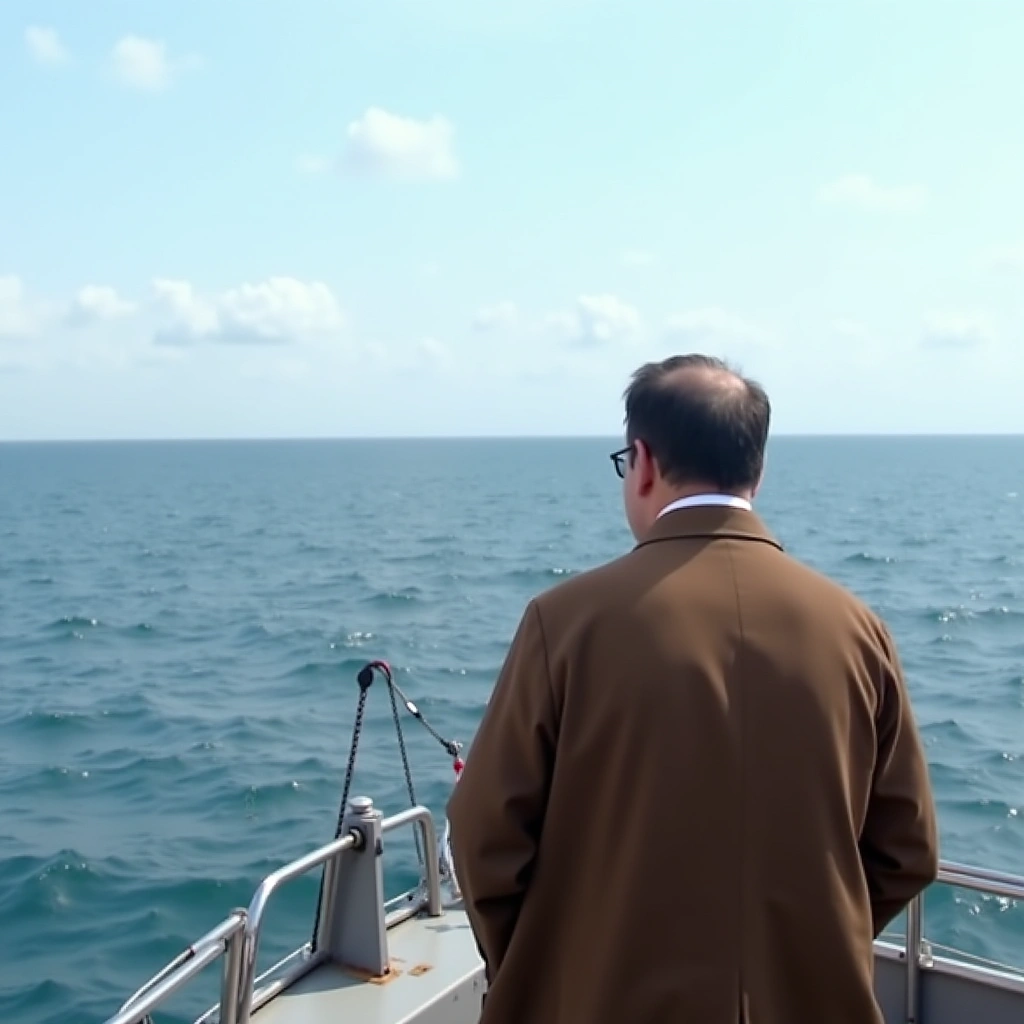
    So, it seems that Iran’s Supreme Leader, Mojtaba Khamenei, has been feeling a bit feisty lately. In a recent address commemorating Sacred Defence Week—whatever that is—he declared that enemy forces don’t just fear entering the Gulf; they apparently tremble at the thought of the Arabian Sea as well. I mean, who wouldn’t? It’s a sea! Full of water! And fish!

    Khamenei’s comments came hot on the heels of some reports suggesting he had a little mishap involving a strike on a Tehran hospital. I guess the old saying goes, ‘what doesn’t kill you makes you stronger,’ unless you’re talking about a hospital strike, in which case it might just make you grumpy and prone to hyperbole. But I digress.

    In his fiery proclamation, Khamenei emphasized that the Arabian Sea would be ‘cleared of enemies.’ That’s a pretty bold statement, especially considering that the Arabian Sea is a rather large body of water. I mean, do you really want to take on the entire sea? That’s like trying to take on an entire ocean with just a water gun.

    It’s fascinating how leaders often use grandiose language to rally their supporters—after all, nothing says ‘we’re winning’ quite like claiming you’re about to clear out a massive body of water of all its enemies. You have to wonder if Khamenei has ever actually looked at a map.

    The Supreme Leader’s comments come in the context of a long-standing tension between Iran and the United States, among other nations. So, when he says enemy forces ‘do not dare’ to enter the Gulf, it’s a classic case of puffing out your chest and trying to sound tough. You can almost hear the sound of his metaphorical chest thumping from here.

    It’s worth noting that the term ‘enemy forces’ is a pretty ambiguous label. It could mean anything from actual military ships to that one guy who always cuts you off in traffic. In this geopolitical context, it mostly refers to U.S. naval forces, who have been known to cruise the Gulf like they own the place—because, well, they kinda do.

    But hey, who wouldn’t want to make a statement like that? It’s a great way to rally the troops, so to speak. The rhetoric is as much about national pride as it is about real military capability. And let’s face it, sometimes it’s easier to declare war on the idea of an enemy than to actually confront them.

    So, what’s next? Will Khamenei take to the seas in a giant inflatable boat, leading the charge against the enemies of Iran? Probably not. But it’s always fun to imagine the Supreme Leader with a pirate hat and a foam sword, swashbuckling his way through the Arabian Sea.

    In conclusion, while Khamenei’s claims may sound bold and intimidating, they are also a reminder of the grand stage of international politics where leaders often use dramatic language to assert their dominance. So, as we keep an eye on the Arabian Sea, let’s remember that sometimes, all it takes is a bit of bravado to keep the world on its toes. And maybe just a smidgen of reality check wouldn’t hurt either.


    Inspired by: “IRAN’S SUPREME LEADER CLAIMS ENEMY FORCES ‘DO NOT DARE’ ENTER GULF AS ARABIAN SEA WILL BE CLEARED O…” (r/News)

  • US and Iran: The Mediators Are Back at It Again

    US and Iran: The Mediators Are Back at It Again

    Officials tell The Associated Press that mediators are working with Iran and the United States on a deal to end fighting and open the Strait of Hormuz

    Well, folks, it looks like the diplomatic rollercoaster is gearing up for another loop-de-loop. Mediators are gearing up to hold separate talks with the United States and Iran this week. Yes, you heard that right! It seems like we can’t get enough of these high-stakes chats that often feel more like a game of telephone than actual negotiations.

    According to insiders—who I can only assume are sipping coffee and whispering secrets in shadowy corners—these discussions will focus on a revised seven-day proposal that Iran presented during the United Nations General Assembly. Because, you know, who doesn’t love a good proposal? Especially one that’s revised more times than the script for a bad rom-com.

    So what’s on the agenda? Well, it’s still a bit hazy, but we do know that the talks are set for early this week, presumably before everyone gets too comfortable with their coffee and donuts. Reports suggest that officials from both sides will be sitting down for these separate sessions on Monday and Tuesday. I can already imagine the awkward small talk before they dive into the heavy stuff—”So, how about that weather?” followed by a collective sigh as they dive into the abyss of international relations.

    Now, let’s be real for a second. Negotiating with Iran is no walk in the park. It’s more like trying to navigate a maze blindfolded while holding a live chicken. There are so many layers of history, politics, and, let’s not forget, a healthy dose of mistrust. But hey, if anyone can pull off this diplomatic ballet, it’s the mediators who have bravely stepped up to the plate.

    Of course, we can’t ignore the fact that this isn’t the first time we’ve seen talks like these. It’s almost like a recurring episode of your favorite TV show. You know the one where the characters keep getting into misunderstandings but somehow end up in the same place over and over again? Yeah, that’s pretty much the US-Iran negotiations in a nutshell.

    But who knows? Maybe this time will be different. Maybe the revised proposal will finally break the ice. Or maybe it will just end up in the pile of ‘Things We Tried But Didn’t Work Out.’ Either way, we’ll be watching closely, popcorn in hand, waiting for the next episode of ‘As the World Turns: Diplomatic Edition.’

    So, as we gear up for these talks, let’s keep our fingers crossed, our expectations in check, and our sense of humor intact. Because if there’s one thing we’ve learned from history, it’s that diplomacy is a lot like a fine wine—it takes time, patience, and sometimes, just a little bit of luck to make it work. Cheers!


    Inspired by: “TALKS LOOM AS MEDIATORS SET SEPARATE SESSIONS WITH US AND IRAN” (r/News)

  • Uzbekistan’s $6 Billion Bet on AI: A Data-Center Wonderland

    Uzbekistan’s $6 Billion Bet on AI: A Data-Center Wonderland

    Uzbekistan signs agreements for $6 billion in private investments to build 800 MW of AI data centers by 2030 , boosting local fintech and IT exports.

    So, here’s a fun fact: Uzbekistan just snagged over $6 billion in investment commitments to build a new fleet of data centers. Yes, you heard that right. $6 billion! That’s more than what I’ll ever see in my entire lifetime—unless I discover the secret to time travel and a winning lottery ticket. But I digress.

    This hefty investment is all about developing artificial intelligence capabilities within Uzbekistan. The government is on a mission to reduce its reliance on foreign computing infrastructure. Basically, they’re saying, ‘Hey, we can build our own tech empire right here, thank you very much!’ And honestly, who wouldn’t want to be the king or queen of their own digital castle?

    The icing on the cake? Uzbekistan already has a government-backed Nvidia cluster operational. For those of you who might not be in the loop, that’s a fancy way of saying they’ve got some serious computing power in their corner. Nvidia, the rockstar of graphics processing units (GPUs), is like having a high-performance engine in your car while everyone else is still trying to figure out how to steer.

    Now, let’s talk about what this means for Uzbekistan. With these data centers popping up, the country is positioning itself as a potential tech hub for Central Asia. Yes, Central Asia! Move over Silicon Valley, there’s a new player in town. We might not be seeing Uzbek tech giants on every street corner just yet, but this investment is certainly a step in the right direction.

    This influx of international capital is also a big deal. It’s like when you finally convince your friends to invest in your start-up idea, even if it’s just a really elaborate plan to sell artisanal pickles. The point is, people are taking notice of Uzbekistan’s ambitions, and that’s crucial for both the national economy and the tech sector’s growth.

    But let’s be honest for a moment: developing AI is no walk in the park. It’s not just about throwing money at shiny new data centers and hoping for the best. There’s a whole world of algorithms, machine learning, and data privacy concerns—oh my! Not to mention the talent pool. Uzbekistan will need to cultivate its own tech-savvy workforce, which means investing in education and training. Because let’s face it, you can’t just sprinkle some cash and expect a generation of AI geniuses to magically appear.

    In conclusion, while Uzbekistan’s push for a robust AI infrastructure is commendable (and let’s be real, mildly impressive), it’s only the beginning. The country has a long road ahead filled with challenges, opportunities, and probably a few hiccups along the way. But if they play their cards right, we might just see an exciting new chapter in Central Asia’s tech story. And who knows? Maybe one day we’ll be talking about the next big Uzbek tech unicorn right alongside our beloved pickles.


    Inspired by: “AI infrastructure push draws $6bn in data-centre commitments” (r/World)

  • Explosions at the Border: Just Another Day in the Korean Peninsula

    Explosions at the Border: Just Another Day in the Korean Peninsula

    Three officers were injured due to an explosion in the demilitarized zone . The explosion occurred in the western section of the DMZ, south of the demarcation line, during a mine search operation.

    So, it seems like South Korea had a bit of a rough day recently, with three officers getting injured due to what is likely North Korean mines. Yes, you heard that right—mines. Just when we thought things were getting a little too calm around the Korean Peninsula, the North decided to spice things up.

    Let’s break this down. The blasts occurred at the border, which, if you didn’t know, is one of the most militarized and tense borders in the world. It’s like a reality show, but instead of dramatic confessions and rose ceremonies, you get landmines and border patrols. Fun, right?

    According to South Korean officials, the injuries were caused by North Korean mines. Now, I can’t help but picture a North Korean soldier sitting in a bunker somewhere, chuckling to himself saying, “Let’s see how they handle this one!” I mean, it’s not like they were playing a friendly game of catch.

    Injuries aside, this situation raises a lot of questions about border security and the overall state of affairs between North and South Korea. You might be thinking, “Why are there still mines in 2023?” Good question! It’s almost like they’re stuck in a time warp where landmines are still considered a valid military tactic.

    For those who might not be familiar, the Korean War ended in 1953, but the two Koreas are still technically at war since no peace treaty was ever signed. It’s like that awkward family gathering where everyone pretends to get along but secretly holds grudges. And with incidents like this, it’s clear that the tension is far from over.

    Now, here’s the kicker: the area is supposed to be a demilitarized zone (DMZ). I guess the “D” in DMZ stands for “Definitely Not Demilitarized” when you have mines exploding. It’s a bit ironic, if you ask me.

    The South Korean government is likely going to ramp up security measures in light of this incident. After all, you can’t have officers getting blown up while trying to keep the peace. That’s like hiring a lifeguard who can’t swim.

    In conclusion, while we can all appreciate a good plot twist, let’s hope the next chapter in the Korean Peninsula saga involves fewer explosions and more diplomacy. Because honestly, who needs more mines when we can have a peace treaty? Here’s to hoping for calmer days ahead, but given the history, I wouldn’t hold my breath.


    Inspired by: “South Korea says border blasts that injured 3 officers was likely caused by North Korean mines” (r/News)

  • Citi and Coinbase: The Dynamic Duo of Stablecoin Payments

    Citi and Coinbase: The Dynamic Duo of Stablecoin Payments

    Institutional clients of Citigroup, including large multinational corporations, can use the stablecoin payment service.

    In a move that has the financial world buzzing like a caffeine-fueled squirrel, Citi has decided to partner with Coinbase to help its big clients accept stablecoin payments. Yes, you heard that right! Traditional banking is finally dipping its toes into the crypto pool, and it looks like they’ve brought floaties. According to the Wall Street Journal, this partnership could be a game changer for stablecoin adoption in traditional finance. So, what does this mean for you, the average Joe or Jane? Let’s break it down.

    First off, let’s talk about stablecoins. For those who are still figuring out how to pronounce ‘cryptocurrency’ without sounding like they’re choking, stablecoins are digital currencies designed to have a stable value. Think of them as the calm, collected friend in a group of wild, spontaneous party-goers—like Ethereum and Bitcoin on a Friday night.

    Citi’s decision to team up with Coinbase is like watching your favorite superhero team-up movie. You know, where two seemingly different entities come together to fight the forces of chaos (or in this case, outdated payment methods). This partnership is expected to accelerate the adoption of stablecoins among institutional clients, which is fancy talk for saying that big companies might start accepting these digital coins as payment. Imagine paying for your next corporate retreat with stablecoins instead of boring old cash—how cool would that be?

    Now, let’s address the elephant in the room: what does this mean for Ethereum? Well, if stablecoins gain traction, it could boost Ethereum’s role in the market. It’s like Ethereum is the older sibling who’s been patiently waiting for their younger sibling (stablecoins) to shine. As more companies start using stablecoins, they might also find themselves using Ethereum’s blockchain technology, which is the backbone for many stablecoins. So, it’s a win-win situation, really.

    But wait, there’s more! This partnership is not just about making payments easier; it’s about shaking up market dynamics. Think of it as a financial revolution that could lead to more transparency and efficiency in transactions. No more waiting for days for payments to clear, or the agony of dealing with annoying bank fees. With stablecoins, transactions could become almost instantaneous. It’s like streaming your favorite show without buffering—truly a modern miracle.

    Of course, this doesn’t mean that everything will be smooth sailing. There are still regulatory hurdles to jump over, and let’s not forget the skeptics who still think cryptocurrencies are just a fad. But hey, if we can put a man on the moon, surely we can figure out how to make stablecoins work in the real world, right?

    In conclusion, Citi and Coinbase are stepping into the ring together, and it’s shaping up to be an interesting bout. If you’re a fan of innovation and a little bit of chaos, keep your eyes peeled on this partnership. Who knows? You might just find yourself paying for your next latte with stablecoins before you know it. And if that happens, don’t forget to thank Citi and Coinbase for making your coffee run a little more exciting. Cheers to the future of finance!


    Inspired by: “Citi taps Coinbase to help big clients accept stablecoin payments: WSJ” (r/Crypto)