Category: Human Interest

  • GM’s Next-Gen Super Cruise: Training on a Century of Human Driving Wisdom (And Madness!)

    GM’s Next-Gen Super Cruise: Training on a Century of Human Driving Wisdom (And Madness!)

    Hey there, fellow road warriors! Buckle up because we’re diving into the wild world of automotive innovation, where General Motors is revving up their engines on something called Super Cruise. And no, it’s not the latest superhero flick starring Vin Diesel, but rather their next-generation technology designed to make driving as easy as pie (and probably about as safe as eating it while driving, but let’s not go there just yet).

    So, what’s the big deal? GM has decided to take a page out of humanity’s driving handbook, a book that’s been scribbled on for over 100 years. That’s right, folks! They’re training their autonomous systems on a century’s worth of driving habits—from the good, the bad, to the downright ridiculous. Ever seen someone try to parallel park while texting? Yeah, they’re training for that too!

    Imagine this: every time you take a turn, change lanes, or get road rage over someone going 25 in a 50 zone, GM’s technology is watching. It’s like a digital flying squirrel, except instead of gathering nuts, it’s gathering driving data. This data is then used to make the next-gen Super Cruise smarter and better. It’s like giving AI a crash course in human errors, which sounds like the plot of a bad sci-fi movie, but here we are.

    Now, let’s address the elephant in the room: can we really trust machines that have learned from our driving? I mean, we’ve all seen that one person who thinks a stop sign is more of a suggestion than a command. If these autonomous systems are learning from our collective driving wisdom, does that mean they’ll be swerving to avoid potholes while simultaneously flipping off the guy who cut them off? One can only hope!

    But jokes aside, this is a monumental leap in the world of autonomous vehicles. By analyzing the quirks and nuances of human driving, GM aims to create a system that not only drives but understands the chaos of the road. It’s like a therapist for your car, helping it cope with the stress of daily commutes and road trip mishaps.

    And let’s not forget the implications for safety. With a century of driving behavior as a backdrop, these AI systems can potentially predict and mitigate dangerous situations better than your average human driver. So, while I might still be yelling at the GPS for taking me down a one-way street, at least my car will be smart enough not to follow my lead into a potential disaster.

    In conclusion, GM’s next-gen Super Cruise is set to revolutionize the way we think about driving. It’s a bold move that combines history, technology, and a touch of human folly. So, if you see a GM vehicle on the road acting a bit odd, just remember: it’s not malfunctioning; it’s just having a flashback to all those crazy drivers it learned from. Cheers to the future of driving, where your car might just know you better than your best friend!


  • Alaska Rivian Owners: Caught in the EV Warranty Bermuda Triangle

    Alaska Rivian Owners: Caught in the EV Warranty Bermuda Triangle

    Hey there, fellow car enthusiasts! Buckle up because we’re diving into a wild ride through the frosty landscapes of Alaska, where our beloved Rivian owners are finding themselves in a bit of a pickle. You see, when you buy an electric vehicle (EV) like the Rivian R1T or R1S, you expect it to be a smooth sailing experience—like surfing the gentle waves of the Pacific. But alas, things have taken a turn, and it seems Alaska’s shipping restrictions have turned this experience into more of a snowstorm than a sunny beach day.

    So, what’s the fuss all about? Imagine you’ve invested your hard-earned money into an adventurous electric vehicle, only to find out that getting warranty work done is about as feasible as finding a snowman in July. Rivian, like many other EV manufacturers, has a warranty system that relies heavily on service centers. But in Alaska, the nearest service center might as well be on Mars. With shipping restrictions making it difficult (and expensive) to transport vehicles for repairs, owners are left in a lurch.

    Now, before we go full-on conspiracy theorist, let’s unpack the implications of this situation. The warranty, typically a blanket of comfort for new car owners, becomes more like a damp towel when you realize that ensuring your Rivian gets the TLC it needs involves a game of logistical chess. You can almost hear the collective groans of Rivian owners every time they think about shipping costs. Seriously, it’s like they’re being asked to pay for a first-class ticket to the nearest repair shop!

    But wait, there’s more! This isn’t just about inconvenience; it raises some serious questions about the accessibility of EV maintenance in remote areas. Are Alaska’s Rivian owners just too far off the grid to receive the same level of service that their counterparts in the contiguous U.S. enjoy? Shouldn’t the electric vehicle revolution be a revolution for everyone, regardless of their postal code? Talk about a double standard, right?

    Now, I know what you’re thinking: “Why don’t these owners just take a road trip to the nearest service center?” Well, unless they fancy a month-long trek through the wilderness, that’s not exactly an option. It’s like suggesting someone with a broken leg go for a run—just not practical, my friend.

    Let’s not forget that Rivian has marketed itself as a brand for adventurers, right? So why are they leaving their Alaskan adventurers out in the cold? It would be great to see them step up and figure out a solution. Perhaps mobile service units that can travel to these remote areas? Or a partnership with local mechanics to tackle warranty issues? Just throwing ideas out there!

    In conclusion, while we all love a good adventure (especially one that involves a sleek electric truck), it’s clear that Alaska’s Rivian owners are feeling a bit like they’ve been left out in the cold. Let’s hope Rivian takes notice and makes some changes so that every electric vehicle owner, regardless of where they live, can enjoy the full benefits of their warranty without feeling like they’re navigating a snowstorm without a map. Until then, may your chargers be plentiful and your shipping costs low!

  • The Electrician Dilemma: How Texas’ Data Center Boom is Sparking a Housing Crisis

    The Electrician Dilemma: How Texas’ Data Center Boom is Sparking a Housing Crisis

    Hey there, friend! Let’s talk about something that’s more shocking than your uncle’s conspiracy theories at Thanksgiving dinner—Texas’ booming data centers and the electricians that are caught in the crossfire. Who knew that the realm of ones and zeros could have such a tangible impact on Texas homebuilders?

    As more data centers pop up in the Lone Star State, it’s like watching an episode of Extreme Makeover: Data Center Edition. These high-tech fortresses are popping up faster than you can say ‘artificial intelligence’, and let me tell you, they’re hungry—hungry for power, and not just the coffee kind.

    With the demand for data storage skyrocketing (thanks, internet memes), Texas is becoming the go-to spot for all things data. But with great power (and data) comes great responsibility—and in this case, a desperate need for skilled electricians. Homebuilders are finding themselves in a pickle, trying to keep up with the demand for new housing while electricians are busy wiring up the latest data fortress.

    Now, let’s get real for a second. If you’ve ever tried to get an electrician to show up on time, you know it’s like trying to find a unicorn. You might as well just hand over your wallet and say, “Take my money, but can you actually come fix my lights?” The demand for electricians has skyrocketed, and they’re being lured away from homebuilding projects like moths to a data center flame.

    This is where the plot thickens. As homebuilders scramble to find electricians, prices are going up faster than the number of TikTok dances in a month. It’s like a game of musical chairs, but instead of chairs, we have job sites—and the music is the sound of angry homeowners wondering why their new house is still a construction zone.

    On one hand, it’s a real opportunity for electricians to cash in on their skills, but on the other hand, it’s a nightmare for homebuilders trying to keep costs down. And let’s not even start on the homebuyers who are stuck in limbo, waiting for their dream home to materialize like a magic trick gone wrong.

    Some folks might say, “Why don’t we just train more electricians?” But let’s face it—training takes time, and the data centers don’t care if you’re still figuring out how to properly wire a light switch. They want electricity, and they want it now!

    So what’s the solution? Well, if I had a crystal ball, I’d probably be charging admission. But perhaps it’s time for Texas to start thinking outside the box—or should I say, outside the data center? Maybe we invest in training programs, or better yet, offer some attractive incentives for electricians to work on those residential projects. It’s like a win-win, but without the awkward forced smiles.

    In conclusion, as Texas continues to grow as a data hub, homebuilders and electricians are going to have to come together like the Avengers, or else we might just end up with a housing crisis that’s more dramatic than a soap opera cliffhanger. So, let’s raise a glass (or a circuit board) to finding a balance and ensuring that the only thing shocking us is a good pun—not a housing shortage!

  • Waymo is Rolling into Portland: Are We Ready for Self-Driving Cars?

    Waymo is Rolling into Portland: Are We Ready for Self-Driving Cars?

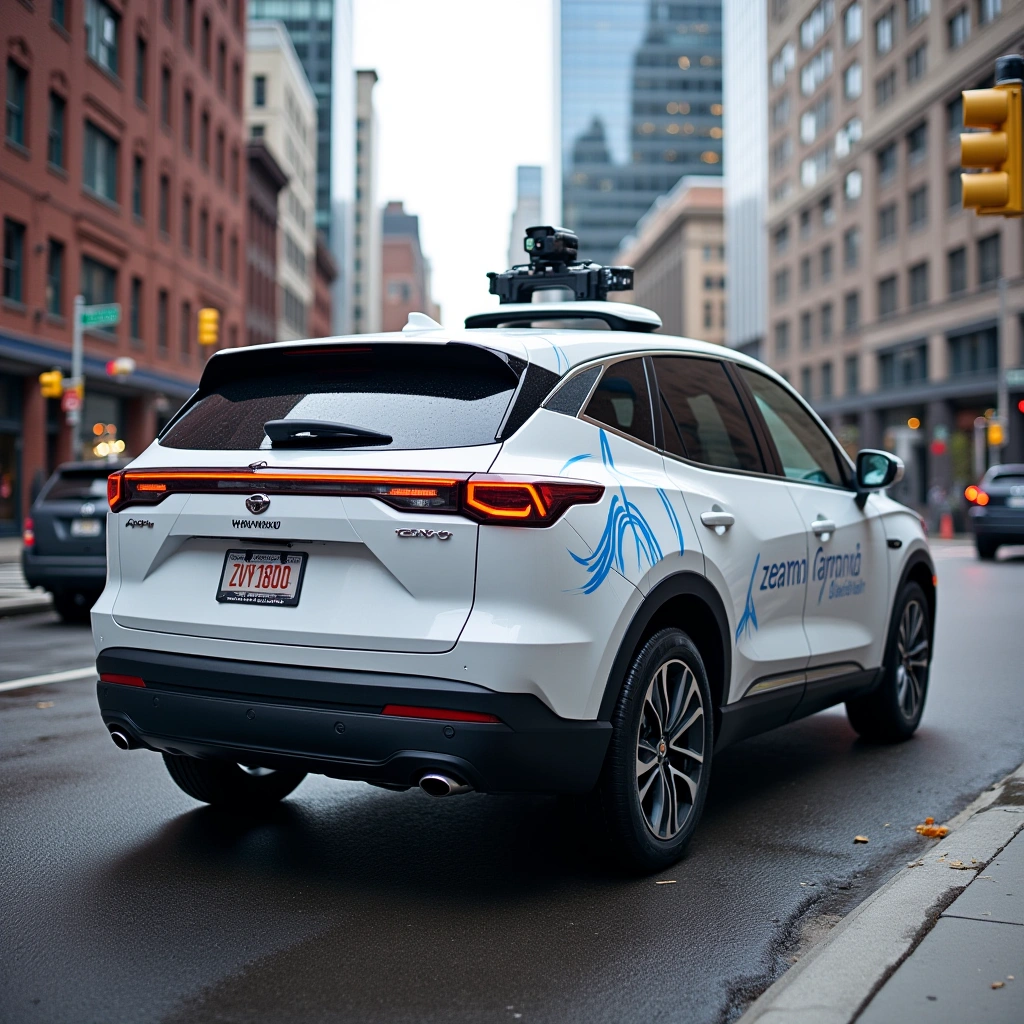
    Hey there, Portlanders! Gather ‘round because we’ve got some electrifying news hotter than a fresh batch of Voodoo Doughnuts: Waymo, the self-driving car service, is coming to our beloved city! Yes, you heard that right. The future is here, and it’s bringing a fleet of autonomous vehicles that could make even the most seasoned Uber driver shake in their boots.

    Now, let’s dive into what this means for us. First off, if you thought the streets of Portland were chaotic with bicycles, scooters, and the occasional rogue skateboarder, just wait until you add a bunch of driverless cars into the mix. I mean, how many times can you dodge a self-driving car trying to make a left turn into a coffee shop? Spoiler: it’s going to be a lot!

    But on a serious note, Waymo’s arrival in Portland could revolutionize our transportation landscape. Think about it: no more hunting for parking spots or awkward small talk with your ride-share driver. Just hop in, sit back, and let the car take you to your destination. You can even binge-watch your favorite Netflix series while cruising down Burnside. Just don’t get too comfortable; we all know how those cliffhangers can be!

    Of course, the skeptics are already raising their eyebrows. What about safety, they ask? What happens if something goes wrong? Well, let’s face it—if you’ve ever taken a city bus during rush hour, you might just argue that a self-driving car is a quantum leap in safety. But hey, I’m not trying to dismiss valid concerns. The tech is still evolving, and we all remember how clunky the first smartphones were, right?

    Another thing to consider is the environmental impact. Waymo’s electric cars could mean fewer emissions on the streets of Portland, which is a win for Mother Earth. Just think of all those trees in Forest Park celebrating with a little shimmy every time a Waymo zips by. More trees, less pollution—sounds like a solid plan, right?

    Now, let’s get to the juicy part: the controversy. Will this new tech put local drivers out of work? Will we see a rise in jobs for car technicians, or is this just a gateway to a dystopian future ruled by robots? The truth is, innovation often comes with a side of disruption. It’s a classic case of “out with the old, in with the new.” But don’t worry, Portlanders—your favorite food cart operators aren’t going anywhere. They’ll still be there to feed you after a long day of self-driving car rides.

    In conclusion, Waymo’s entry into Portland is an exciting development that could redefine how we navigate our fair city. Will we embrace this tech marvel, or will we resist like a hipster turning down a mainstream coffee chain? Only time will tell. So buckle up, Portland! The future is about to get a whole lot more interesting, and who knows? You might just find yourself laughing at the absurdity of a driverless car trying to parallel park (spoiler: it will probably take longer than you think).

  • Are Humanoid Robots the Future of Airline Ground Handling? Japan Airlines Thinks So!

    Are Humanoid Robots the Future of Airline Ground Handling? Japan Airlines Thinks So!

    So, Japan Airlines has decided to play real-life version of Transformers by introducing humanoid robots as ground handlers. Yes, you heard it right! No more waiting for your luggage to arrive at the carousel; these robots are here to make your travel experience as smooth as a sushi roll!

    Now, let’s dive into this futuristic rabbit hole. Imagine walking through the airport and being greeted by a friendly robot that looks like it just stepped out of a sci-fi movie. You’d be like, ‘Whoa, am I at an airport or a tech convention?’ But let’s not get too carried away. These robots are primarily designed to assist human staff with tasks like baggage handling, which means they’re basically the new interns of the airport world.

    But why stop there? If Japan Airlines is testing these humanoid helpers, could this be a sign that we’re inching closer to having robots take over more jobs? I mean, we’ve already got robots in fast food chains flipping burgers and making our coffee. Next thing you know, your flight attendant might be a robot named “Jetson” who can not only serve you peanuts but also tell you the meaning of life.

    Now, let’s talk about the potential benefits. For starters, these robots don’t need coffee breaks, don’t complain about overtime, and certainly don’t need health insurance. They are the perfect employees—always punctual and never late for their shifts. Plus, they can work in extreme weather conditions without breaking a sweat. Can you imagine a robot standing outside in a snowstorm, cheerfully unloading luggage while humans are bundled up like marshmallows? That’s some serious dedication!

    However, before you start handing out the ‘Employee of the Year’ awards to these robots, let’s not forget the downsides. While they may be efficient, they lack the human touch. Who’s going to comfort you when your flight gets delayed? A robot can’t give you a sympathetic pat on the back or share a good story about their last vacation. Let’s face it, a robot saying, ‘Don’t worry, your flight will be rescheduled shortly,’ just doesn’t have the same warm fuzzies as a human saying, ‘Hey, I totally get it. I once had a layover that felt like an eternity.’

    In conclusion, while Japan Airlines’ trial of humanoid robots as ground handlers sounds like a scene from a futuristic movie, it’s a fascinating step into the future of travel. Whether this is the beginning of a robot takeover or simply an innovative way to enhance airline operations, one thing’s for sure: the future is here, and it’s bringing along some very interesting co-workers. Just remember to treat them nicely; you never know when they might develop a conscience and start asking for vacation days!

  • The Downgrading of the American Tech Worker: A Comedy of Errors

    The Downgrading of the American Tech Worker: A Comedy of Errors

    Ah, the American tech worker. Once the golden child of the job market, armed with a fancy degree, a strong coffee, and the ability to code in languages that sound more like spells from Harry Potter than actual programming languages. But what’s this? The glittering tech dream is starting to look more like a sad rom-com where the protagonist can’t find love—or a decent job. Let’s dive into this slippery slope of the American tech worker’s downgrading, shall we?

    First off, let’s address the elephant in the room: outsourcing. It’s like that one friend who always shows up uninvited to the party, eats all your snacks, and somehow ends up with your date. Companies are increasingly outsourcing tech jobs to countries where the cost of living is lower, and the talent pool is just as deep. So, while you’re sipping your overpriced latte, someone halfway across the world is coding away for half your salary. Thanks, globalization!

    Then we have automation. Remember when you were the star of the show, running the office like a tech wizard? Well, guess what? Robots have entered the chat. From AI algorithms to machine learning, technology is evolving faster than your grandma can say “What’s a smartphone?” While it’s cool to have robots doing the boring stuff, it’s also making many tech roles redundant. Who needs a human when a robot can do it better and not require a lunch break or a salary?

    And let’s not forget about the infamous tech bubble. You know, the one that keeps inflating until it bursts, leaving a bunch of confused developers standing around wondering what happened. The tech industry is notorious for its ups and downs, and currently, we might be standing on the edge of a cliff, looking down at a not-so-bouncy bottom. With layoffs happening like it’s Black Friday every day, the fear of job security is real. Just ask the last five people who got let go from your favorite social media platform.

    Now, if you think things couldn’t get worse, let’s talk about “bro culture.” Tech companies have long been accused of fostering a workplace environment that’s more like a frat house than a professional setting. With endless ping-pong tables, free beer, and a “work hard, play harder” mentality, it can be hard for the average tech worker—especially women and minorities—to feel included. Instead of a diverse team of brains working together, we often have a homogenous group of dudes talking about their latest gaming achievements. Why not add a little more spice to the mix?

    But it’s not all doom and gloom! The American tech worker is resilient, and we’re learning to adapt. With the rise of remote work, there are more opportunities than ever to find a job that fits your lifestyle—whether you’re coding in your pajamas or working from a beach in Bali. Plus, we’re seeing a growing demand for skills in areas like cybersecurity and AI ethics, which means there’s still hope for those who are willing to pivot.

    So here’s my advice, dear tech workers: Embrace the chaos! Learn new skills, network like your career depends on it (because it does), and for the love of all that is holy, keep your resume updated. The world might be changing faster than you can say “Silicon Valley,” but with a little humor and adaptability, you can still carve out your niche in this crazy tech landscape.

    In conclusion, while the downgrading of the American tech worker is a real phenomenon, it’s not the end of the world. Just remember, if life gives you lemons, start a tech startup. Or at least, find a way to code those lemons into a successful app. Cheers!

  • China’s Meta Block: A $2 Billion Wake-Up Call for Tech Giants

    China’s Meta Block: A $2 Billion Wake-Up Call for Tech Giants

    So, grab your popcorn because the tech drama just got a whole lot juicier! In a plot twist worthy of a prime-time soap opera, China has decided to block Meta’s $2 billion acquisition of AI agent startup Manus. And if that wasn’t enough, they’ve slapped a travel ban on Meta’s top executives. I mean, talk about making a statement!

    Let’s break this down. First off, Meta (formerly known as Facebook) has been trying to pivot hard into the world of artificial intelligence. You know, that magical realm where machines do our bidding like a well-trained puppy. They had their eyes set on Manus, a talented little startup that specializes in AI agents—think of them as digital minions that can handle mundane tasks while you sip your coffee and contemplate life.

    But hold your horses! China, the gatekeeper of tech innovation and regulation, said, “Not so fast, my friends!” The reasons behind this move are as complex as your Aunt Sally’s fruitcake recipe. On one hand, it’s about national security and control over emerging technologies; on the other, it’s a blatant power play in the ongoing tech cold war. It’s like watching two heavyweight boxers spar but with more algorithms and fewer punches.

    Now, what about that travel ban? Imagine being a top executive at Meta, sitting in your plush office, and suddenly finding out that your passport is as useful as a chocolate teapot. Talk about a bad day at the office! This travel ban isn’t just about getting your kicks in Beijing; it’s a stark reminder that global business relationships can turn sour faster than milk left out in the sun.

    But let’s not pretend this is just a one-sided affair. Meta has had its share of controversies, from privacy scandals to spreading misinformation faster than an internet meme. And while it’s easy to point fingers at China for being the bad guy, let’s face it: Meta’s global image isn’t exactly squeaky clean either. This whole saga raises the question: should we be more concerned about government interventions or corporate ethics? Spoiler alert: it’s both!

    Furthermore, this incident highlights a growing trend where countries are becoming more protective of their domestic tech ecosystems. After all, nobody wants to be the next victim of corporate colonization. The battle for AI domination is heating up, and it seems like every nation is trying to play chess while the rest of us are still figuring out checkers.

    So, what’s next for Meta? They might need to rethink their strategy. Perhaps it’s time to cozy up with some local startups or focus on developing their own tech prowess. After all, there’s nothing like a little competition to get the creative juices flowing, right?

    In conclusion, this saga is just one of the many episodes in the ongoing series of ‘As the Tech World Turns.’ It’s a wild ride full of intrigue, drama, and perhaps a touch of irony as businesses navigate the choppy waters of international relations. So, stay tuned, because if there’s one thing we know, it’s that the tech world never sleeps—and neither do its controversies!

  • The Great American Data Center Divide: Where Your Data Lives and Laughs

    The Great American Data Center Divide: Where Your Data Lives and Laughs

    Ah, the great American data center divide! It’s not just a catchy title; it’s a phenomenon that’s more complex than your grandmother’s secret spaghetti sauce recipe. You see, while some states are practically swimming in data centers, others are as barren as a desert without Wi-Fi. So, grab your popcorn and let’s dive into the abyss of bits and bytes!

    First off, let’s define what a data center is. Imagine a giant, air-conditioned warehouse filled with rows and rows of servers, blinking lights, and probably a few very confused IT professionals. These places are the backbone of the internet, storing everything from your embarrassing cat videos to sensitive financial information. But not all states are created equal when it comes to housing these digital fortresses.

    Now, why is this divide so significant, you ask? Well, it’s all about geography, economics, and a sprinkle of political drama. The tech-savvy states like California, Texas, and Virginia are practically throwing data centers at each other like it’s a game of hot potato. Meanwhile, places like Wyoming and Montana are left wondering if they should just set up a lemonade stand instead.

    One reason for this imbalance is the availability of resources. States with cooler climates are like the cool kids in school; they attract all the data centers because they help save on cooling costs. Nobody wants to pay for a sauna when they’re just trying to store petabytes of data, right? So, states like Oregon and Washington are basking in the glory of chilled servers while others sweat it out.

    Then we have the economic incentives. Some states offer tax breaks and incentives to lure in these data-hungry companies. It’s like offering free pizza at a party to get people to show up. And who doesn’t want free pizza? On the flip side, states with stricter regulations might find themselves on the losing end of this data center showdown. It’s a classic case of “you scratch my back, I’ll scratch yours”—just replace “back” with “data centers.”

    But wait, there’s more! The great American data center divide also raises questions about digital equity. You know, the idea that everyone should have equal access to the digital world. With most data centers concentrated in a few states, there’s a risk that some regions might get left behind. It’s like being the last kid picked for dodgeball, and nobody wants that!

    And let’s not forget the environmental impact. Data centers consume a staggering amount of energy! So, while some states are basking in the glow of server lights, others are left to deal with the carbon footprint. The debate is as heated as a summer day in Phoenix: Should we prioritize tech growth or environmental sustainability? Spoiler alert: it’s a tricky balancing act.

    So, what does the future hold for this great American data center divide? Will we see a leveling up of data center distribution across the states, or will it continue to be a tale of the haves and have-nots? Only time—and perhaps a few more tech conferences—will tell!

    In conclusion, the great American data center divide is more than just a tech issue; it’s a socio-economic conundrum that impacts us all. So, the next time you’re scrolling through Reddit or binge-watching your favorite show, take a moment to appreciate the invisible world of data centers working tirelessly behind the scenes. And who knows? Maybe one day, your state will be the next data center hotspot. But until then, let’s just say, some states are living the data dream while others are still figuring out how to connect to Wi-Fi.

  • The Curious Case of Penguin Egg Whites: Why They Turn Transparent When Boiled

    The Curious Case of Penguin Egg Whites: Why They Turn Transparent When Boiled

    Hey there, fellow egg enthusiasts and curious minds! Today, we’re diving into a topic that’s not just egg-citing but also a bit egg-straordinary: the transformation of penguin egg whites when boiled. Yes, you heard that right—penguin eggs! Who knew these avian wonders had more tricks up their feathery sleeves than just waddling around and looking adorable?

    First off, let’s talk about what happens when you boil an egg. For most birds, including our common chicken friends, egg whites (or albumen, if you want to sound fancy) turn from a clear, viscous liquid into a firm, opaque mass. It’s like magic, but with science! Now, when it comes to our tuxedo-wearing friends, the penguins, things get a little funky. Their egg whites turn transparent instead. Why? Well, let’s crack this mystery wide open!

    Scientists believe that this phenomenon could be linked to the unique protein composition of penguin egg whites. Penguins are not your average birds; they live in some of the harshest conditions on Earth. So, it makes sense that their eggs have evolved to withstand extreme temperatures, both hot and cold. The proteins in their egg whites are structured differently, allowing for this curious transformation when exposed to boiling water. It’s like they have a built-in survival mechanism—or perhaps they’re just showing off!

    Now, before you rush off to your local zoo to boil some penguin eggs (please don’t), let’s talk about the implications of this discovery. Understanding how penguin egg whites behave could provide insights into evolutionary biology and the adaptability of species. Plus, it opens up a whole new world of culinary exploration—imagine the Instagrammable dishes you could create with these transparent whites! “Look, Mom! I made a penguin egg soufflé!”

    Of course, we must address the elephant—or should I say, the penguin—in the room: ethical considerations. While studying penguin eggs is fascinating, it’s essential to approach the topic with respect for these incredible creatures and their habitats. Boiling their eggs is definitely not on the menu. Instead, let’s celebrate their uniqueness by observing and appreciating these magnificent birds in their natural environments.

    In conclusion, the world of penguin egg whites is a slippery slope (pun totally intended) of science, curiosity, and ethical responsibility. So the next time you’re enjoying your breakfast omelet, take a moment to appreciate the wonders of nature and the quirky adaptations that make our animal friends so special. And who knows? Maybe one day we’ll figure out the secret to those transparent egg whites and bring a piece of the penguin magic into our kitchens—just without the actual penguins, okay?

  • Texas Developer Cashes in Big: A $2 Billion Loan for Oracle Data Centers in the Suburbs!

    Texas Developer Cashes in Big: A $2 Billion Loan for Oracle Data Centers in the Suburbs!

    Hey there, tech enthusiasts and suburban dreamers! Grab your favorite snack because we’re diving into a juicy piece of news that’s hotter than a Texas summer day: a developer has snagged a whopping $2 billion loan to build Oracle data centers right in the heart of suburbia! Yes, you heard that right. Two billion dollars. That’s more zeros than I can count on my fingers and toes combined!

    Now, let’s set the stage here. Picture the idyllic Texas suburbs, where the grass is greener, BBQ smoke wafts through the air, and kids are riding their bikes. But wait! Instead of just houses and parks, we’re about to get shiny new data centers. It’s like trading your quaint little lemonade stand for a full-on tech empire. Who wouldn’t want that?

    But let’s talk turkey (or brisket, since we’re in Texas). Oracle, the tech giant known for its databases, is not just casually dropping a couple of million dollars here; they’re going all in! And what does it mean for the local economy? Jobs, baby! We’re talking construction jobs, tech jobs, and perhaps even a few positions dedicated to making sure the data centers have enough coffee flowing to keep those servers buzzing.

    Now, I can hear the skeptics already. “But wait! Data centers mean more power consumption!” Yes, they do, my eco-conscious friends, but let’s look on the bright side. More jobs also mean more people who can afford to buy those electric cars we all love to gossip about. It’s like a cycle of techy goodness!

    However, before we all jump on the bandwagon, let’s not forget the potential downsides. Increased traffic! More people moving in! Is this the beginning of a suburban tech dystopia where you can’t even find a parking spot for your Ford F-150? The horror! But hey, they say every cloud has a silver lining, and maybe this is just the push we need for better public transport. Who knows?

    And let’s not forget the age-old debate: are we sacrificing the charm of the suburbs for the sake of progress? Is a data center the equivalent of a giant blinking alien ship landing in our backyards? Some may say yes; others may say, “Bring it on!”

    At the end of the day, whether you’re in favor of this massive investment or not, one thing’s for sure: Texas is becoming a new tech hub, and it’s going to be fascinating to see how this unfolds. Will the locals embrace their new data overlords, or will there be protests with signs saying, “Keep our suburbs quaint!”? Only time will tell.

    So, as we watch the dust settle on this monumental loan, let’s keep our eyes peeled for updates. And remember, whether you love or loathe the idea of data centers in suburbia, at least we can all agree that the drama is going to be entertaining. Cheers to the future, my friends!