
Category: Human Interest

  • Tai Lopez’s Ponzi Scheme Allegations: The Man Behind the Garage and His Controversial Journey

    Tai Lopez’s Ponzi Scheme Allegations: The Man Behind the Garage and His Controversial Journey

    Alright, friends, gather ’round because we’re diving deep into the wild world of online entrepreneurship and dubious financial schemes. You know that guy, Tai Lopez? Yeah, the one who got famous for his ‘Here in my garage’ videos, showcasing his collection of luxury cars while preaching the gospel of self-help and financial freedom? Well, it looks like the SEC has come knocking at his door with some serious allegations. Buckle up, because this ride is about to get bumpy!

    First off, let’s paint the picture of who Tai Lopez is. Imagine if a motivational speaker, a used car salesman, and a self-proclaimed millionaire had a baby. Voilà! You have Tai Lopez. He’s been known to toss around phrases like “knowledge is power” while lounging in a mansion—because nothing says “I’m an expert” quite like a well-decorated living room.

    But wait, there’s more! The SEC is now claiming that Lopez ran a Ponzi scheme. Yes, a Ponzi scheme! For those of you who might be wondering, a Ponzi scheme is like a pyramid scheme but with more flair and less legality. It’s basically a way to make money by using the investments of new people to pay off earlier investors. Think of it like a financial game of musical chairs, except when the music stops, there’s no chair for you, and you’re left with just a sad little balloon.

    So, what exactly did Tai do? According to the SEC, Lopez allegedly misled investors about his supposed business acumen and the profitability of his investments. You know, the usual shenanigans—promising the moon and delivering a sad little rock. He’s been accused of luring folks in with the classic “I made millions, and you can too!” spiel, only to find out they were really just helping fund his next luxury escapade.

    Now, let’s talk about the reaction from the internet. It’s like watching a slow-motion car crash where you can’t look away. You can practically hear the collective gasp of disbelief from his followers. Some are staunch defenders, saying, “He’s just misunderstood!” while others are throwing popcorn at their screens, saying, “I told you so!” It’s a real-life drama unfolding, and we’re all just here for the juicy details.

    But here’s where things get a bit spicy. Lopez has amassed a large following by selling online courses, webinars, and a lifestyle that many dream of—fast cars, beautiful models, and a life of luxury. But let’s be real, how many of us can actually live that life? It’s like buying a lottery ticket and then being surprised when you don’t win the jackpot.

    In the grand scheme of things, this whole situation raises some serious questions about the world of online influencers and the fine line between inspiration and deception. At what point does motivational speaking cross into the territory of fraud? Are we all just one bad investment away from becoming the next cautionary tale? And let’s not get started on the ethics of selling dreams wrapped in shiny packages.

    In conclusion, as we await the outcome of this SEC investigation, let’s keep our eyes peeled for the latest updates. Whether Tai Lopez will emerge unscathed or face the music remains to be seen. One thing’s for sure, though: this saga is far from over, and I, for one, can’t wait to grab my popcorn and see how it all unfolds. Until next time, my friends, stay savvy and remember—if it sounds too good to be true, it probably is!


    Inspired by: “SEC Says ‘Here in My Garage’ YouTuber Tai Lopez Ran a Ponzi Scheme” (r/technology)
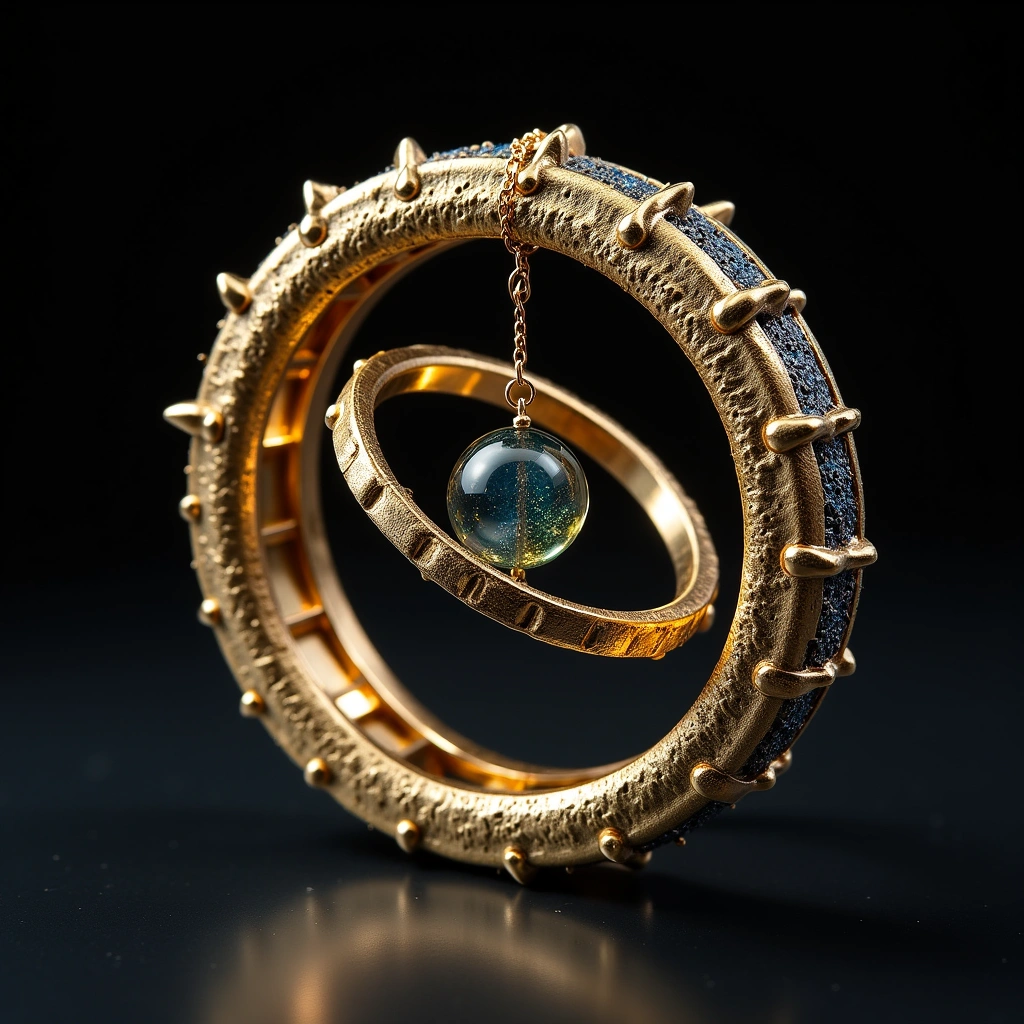
  • Discovering the Marvels of the 16th Century: The German Ring That Unfolds into an Astronomical Sphere

    Discovering the Marvels of the 16th Century: The German Ring That Unfolds into an Astronomical Sphere

    Imagine this: you’re casually wearing a ring, just like any other day, when suddenly—BAM!—you’re not just a person, but an astronomer! Yes, it’s not magic; it’s a 16th-century German ring that unfolds into an astronomical sphere, and it’s about as cool as a Renaissance-era superhero gadget.

    Let’s rewind to the 1500s. While people were busy figuring out how to not get plague and looking for the best way to roast a turkey, some genius decided that jewelry should do more than just sparkle. Enter the idea of functional fashion. This ring wasn’t just a shiny accessory; it was a portable planetarium! Talk about multi-tasking!

    For those of you who might be wondering, what on Earth (or any other planet) is an astronomical sphere? Picture a miniature model of the heavens, complete with celestial bodies and constellations, all there for your stargazing pleasure. No need to whip out a telescope or even leave your living room. Just flip open your ring and get ready to impress your friends with your newfound knowledge of the cosmos. No more awkward silences at parties—just you, your ring, and a conversation about the Pleiades cluster (I mean, who doesn’t love a good star talk?).

    Now, let’s talk about craftsmanship. This isn’t your average piece of bling. The level of detail that went into making these rings is mind-boggling. Skilled artisans spent countless hours meticulously crafting these tiny celestial wonders. You can almost hear the watchmaker muttering, “Just a little more precision, and I’ll have the universe in the palm of someone’s hand.” It’s like they were the original nerds, obsessively perfecting their craft while everyone else was busy trying to invent the next best thing in medieval snacks (seriously, why were they so obsessed with meat pies?).

    But wait, there’s more! These rings weren’t just for the posh elites; they were a statement of intellect. Owning one of these was like wearing a badge of scholarly honor—”Look at me! I can tell you exactly when the next lunar eclipse is happening while looking fabulous!” Talk about a power move. If only we had a similar trend today where wearing a smartwatch meant you were also the smartest person in the room.

    Now, let’s not forget the controversy. Some argue that these rings were a symbol of elitism, a way for the rich to flaunt their knowledge while the common folk struggled to read a map. But let’s be real: if you could turn your jewelry into a mini universe, wouldn’t you want to show it off? It’s like saying, “Hey, I can explore the stars and still look fabulous doing it!” It’s a win-win.

    So, the next time you see a simple ring, remember that somewhere in the depths of history, individuals were strutting around with astronomical spheres on their fingers, unraveling the mysteries of the universe one fold at a time. If that doesn’t inspire you to dig through your grandma’s jewelry box for hidden treasures, I don’t know what will!

    In conclusion, the German 16th-century ring that unfolds into an astronomical sphere is not just a piece of jewelry; it’s a testament to human creativity, intellect, and a little sprinkle of show-off flair. So, here’s to the artisans of the past who dared to think outside the box—or, in this case, outside the ring. And if you ever find one of these beauties, just remember: you’re not just wearing jewelry; you’re wearing history.

    Now, go forth, my friend, and let your inner astronomer shine! Just don’t forget to share the knowledge you gain from your ring… unless you want to keep all that stargazing wisdom to yourself, which is totally cool too.


    Inspired by: “German 16th century ring that unfolds into an astronomical sphere” (r/interestingasfuck)

  • Meet the Miniature Marvel: Sergey Dashevsky and the Smallest Functional Bicycle in the World

    Meet the Miniature Marvel: Sergey Dashevsky and the Smallest Functional Bicycle in the World

    Hold onto your handlebars, folks! The world of cycling has just been rocked by a new record that’s so tiny, you might need a magnifying glass to see it. Yes, you heard that right—Sergey Dashevsky has pedaled his way into the Guinness World Records with a bicycle that measures a mind-boggling 8.4 cm (3.31 inches). That’s about the size of a standard coffee cup. Who knew that the next big thing in cycling would be so… small?

    Now, before you start questioning how anyone can actually ride this pint-sized bike, let’s dive into the details. Sergey, a man whose creativity knows no bounds (or maybe just a very small bounds), has crafted a functional bicycle that’s as much a work of art as it is a feat of engineering. Think about it: a bicycle that can actually be ridden—albeit by a toy-sized version of yourself or, perhaps, a particularly ambitious hamster.

    *Look at it! It’s so cute, you might want to take it home and name it!*

    Let’s address the elephant in the room (or should I say, the giant in the room?)—why would anyone want to make a bike this small? Well, it’s all about the thrill of creativity and the joy of pushing boundaries. Sergey didn’t just wake up one day and decide to make a mini bike. No, it took vision, dedication, and probably a steady supply of caffeine. You can imagine him hunched over his workbench, surrounded by tiny tools, muttering, “Just one more gear and I’ll show them!”

    The process of creating this miniature masterpiece wasn’t just a walk in the park. Sergey had to consider materials, balance, and, of course, the physics of riding a bike that could fit in your pocket. It’s like trying to build a skyscraper with LEGO blocks—exciting, challenging, and potentially very painful if you step on one of those blocks in the middle of the night.

    Some might argue that this record is a bit ridiculous, but let’s not forget that the world record books are filled with quirky achievements. From the fastest time to eat a bowl of spaghetti while juggling to the longest time spent balancing a broom on your chin, it’s all about showcasing human ingenuity (and sometimes, a complete lack of common sense, but let’s not go there).

    So what’s next for Sergey? Will he aim for the record for the smallest functional unicycle? Perhaps a tiny tandem bike for two? The possibilities are as endless as the jokes about how he might ride this little beauty to work. “Excuse me, sir, is that a bicycle in your pocket, or are you just happy to see me?”

    In a world where everything seems to be getting bigger, Sergey’s achievement serves as a reminder that sometimes, less really is more. So here’s to you, Sergey Dashevsky! You’ve not only broken a record; you’ve also brought a smile to our faces and a new perspective on cycling. Now, if only we could figure out how to ride it without looking like a giant in a dollhouse.

    In conclusion, the smallest functional bicycle in the world may not be practical for your daily commute, but it’s a testament to human creativity and the ability to think outside the box (or, in this case, the toolbox). Keep pedaling, Sergey, and who knows? Maybe the next record will be for the smallest functional bicycle shop—right next to the dollhouse!


    Inspired by: “Sergey Dashevsky won the Guinness World Record for the smallest functional bicycle in the world wit…” (r/interestingasfuck)

  • Remembering Jane Goodall: The Controversial FAR SIDE Connection

    Remembering Jane Goodall: The Controversial FAR SIDE Connection

    Ah, Jane Goodall—an icon, a legend, and the ultimate friend to our primate pals. If you haven’t heard of her, you’ve probably been living under a rock or, more realistically, binge-watching reality TV. Goodall has been the voice for chimpanzees and has given us a peek into their world, educating us about conservation, animal behavior, and the importance of treating our furry friends with respect. But wait, there’s more! Let’s dive into a little controversy that swirled around her, courtesy of the beloved comic strip, The FAR SIDE.

    You might be wondering, “What does a comic strip have to do with a woman who revolutionized primatology?” Well, hold onto your banana peels! The FAR SIDE, created by the brilliant Gary Larson, is known for its quirky humor and often bizarre take on the animal kingdom. However, there was a particular comic that raised a few eyebrows in the scientific community.

    In one of the infamous strips, Larson depicted a bunch of chimpanzees sitting around a table with a human being in a cage, with the caption, “The meeting was a success; they finally decided to let the humans out of the cage!” Now, the humor is undeniable—who wouldn’t chuckle at the thought of the tables being turned? But the implications? Well, that’s a different story.

    For some, this comic strip was a funny poke at human arrogance, but others saw it as trivializing the serious issues surrounding animal rights and conservation, particularly in relation to Goodall’s work. Jane famously said, “What you do makes a difference, and you have to decide what kind of difference you want to make.” So, was Larson’s comic making a difference, or just making us giggle while glossing over the realities of animal captivity?

    As we celebrate Goodall’s remarkable legacy, it’s essential to understand the impact of humor on serious topics. The FAR SIDE was a staple of many childhoods, and its irreverent take on life, death, and everything in between has left a lasting impression. But were we laughing at the expense of the very animals Goodall dedicated her life to protecting? That’s a loaded question, my friend.

    On one hand, we need humor to address serious subjects. It lightens the mood and opens up discussions that might otherwise be too heavy to bear. On the other hand, there’s the risk that we become desensitized to the issues at hand, forgetting that behind every punchline is a real-life creature experiencing real-life struggles.

    In a world where memes and comics can shape opinions faster than a speeding bullet, it begs the question: Should we tread lightly when it comes to humor about animals? If we’re not careful, we could end up creating a society that thinks it’s okay to laugh at the plight of those who can’t speak for themselves. Now, that’s a soggy banana peel we don’t want to slip on.

    So, as we remember Jane Goodall and all she has done for science and animal welfare, let’s also question the narratives we consume. Laughter can be a powerful tool, but let’s not forget to use it wisely. Goodall’s work reminds us that while we can chuckle at the absurdities of life, we also have a responsibility to advocate for those who can’t advocate for themselves.

    In the end, the FAR SIDE might have made us laugh, but Goodall made us think—and that’s a legacy worth celebrating. Keep the dialogue going, my friends, and let’s make sure our laughter leads to positive change. And remember, if you see a chimpanzee in a cage, it better be in a sanctuary, not in a comic strip. Because, honestly, the last thing we need is a bunch of angry chimps plotting revenge against humanity for all the jokes we’ve made at their expense!

    (image: Jane Goodall with chimpanzees, showcasing her legacy in conservation)


    Inspired by: “In Memory of Jane Goodall, The FAR SIDE controversy” (r/interestingasfuck)

  • The Impact of Fake News Quotes on Everyone, Even the EFF

    The Impact of Fake News Quotes on Everyone, Even the EFF

    Ah, the world of news! It’s like that one friend who always has a wild story to tell, except half the time it’s complete nonsense. Nowadays, we’re inundated with a wave of phony news quotes that are affecting everyone, including organizations like the Electronic Frontier Foundation (EFF). Let’s dive into this spicy soup of misinformation and see how it’s impacting our digital lives.

    The Rise of Phony News Quotes

    Once upon a time, news was something you consumed with your morning coffee, accompanied by a croissant and a dash of trust. Fast forward to today, and those croissants have been replaced with stale bread and a side of skepticism. Phony news quotes are popping up like mushrooms after a rainstorm, and they’re not just affecting your grandma’s Facebook feed; they’re making their way into serious discussions regarding digital rights and freedom of expression.

    When organizations like the EFF, which are supposed to stand up for our digital freedom, start getting pulled into the muck of misinformation, it’s a red flag waving furiously in the wind. This is not just some harmless prank; it’s more like a pie in the face of democracy.

    What’s So Special About Phony Quotes?

    You may be wondering, “Why should I care about a few fake quotes?” Well, let me paint you a picture: Imagine you’re at a party, and someone starts spreading rumors about a mutual friend. Before you know it, everyone’s either laughing or gasping in shock, and the poor friend is left wondering why they’ve suddenly become the star of a soap opera.

    Phony news quotes function similarly. They can distort public perception, influence opinions, and even change the course of legislation. When people read an outrageous quote attributed to a public figure or organization, the immediate reaction is often outrage or disbelief. And guess what? That’s the sweet, sweet nectar of engagement that keeps the digital monster fed.

    The EFF and the Battle Against Misinformation

    The EFF is like the superhero of the internet, armed with a cape made of digital rights and a shield forged in free speech. But even superheroes have their kryptonite, and misinformation is like a sneaky little villain that can undermine their efforts. When false quotes circulate, they can dilute the serious conversations surrounding privacy and freedom in the digital age.

    Imagine someone quoting a fabricated statement by the EFF that claims they support online censorship. Cue the outrage! Suddenly, people are calling for boycotts, and the EFF is left scrambling to clarify their stance. It’s like trying to put out a fire with a squirt gun.

    The Ripple Effect of Fake News

    In our fast-paced world, misinformation has a ripple effect. One fake quote can lead to a series of events that spiral out of control, much like your friends trying to recreate a TikTok dance and ending up in the ER. When people spread these quotes without fact-checking, they become unwitting pawns in a larger game of misinformation chess.

    The consequences can be severe. Trust in credible sources erodes, people become more polarized, and the internet feels more like a battleground than a place for open dialogue. It’s like we’re all trapped in an episode of Black Mirror, but with a slightly less cool soundtrack.

    What Can We Do?

    So, what can you do about this wave of phony news quotes? First off, channel your inner detective. Before sharing something, check the source. Is it a reputable outlet? Can you find the quote in multiple trustworthy places? Don’t let misinformation run wild like an untrained puppy!

    Additionally, support organizations like the EFF. They’re fighting the good fight to uphold our rights online. Follow them, donate if you can, and, most importantly, spread awareness about the importance of fact-checking. Maybe even send them a thank-you card for dealing with all the nonsense we throw at them.

    Final Thoughts

    In a world where phony news quotes are as common as cat videos, it’s crucial to stay informed and question what we read. Remember, just because it’s on the internet doesn’t mean it’s true. Let’s be the wise friends at the party who don’t just nod along with the wild stories but instead seek the truth. After all, the future of our digital rights depends on it. And who knows? Maybe we’ll have a few laughs (and less drama) along the way!


    Inspired by: “Wave of Phony News Quotes Affects Everyone—Including EFF” (r/technology)

  • Unconventional Airport Signage: A Quirky Journey Through Travel

    Unconventional Airport Signage: A Quirky Journey Through Travel

    We’ve all been there: you arrive at the airport, frantically checking your boarding pass, and then—bam!—you’re hit with the usual barrage of signs that look like they were designed by a committee of over-caffeinated graphic designers. But what if I told you that some airports are breaking the mold and giving us signage that’s not only functional but downright entertaining? Buckle up, because we’re about to take off into the wacky world of unconventional airport signage!

    The Wacky World of Airport Signage

    You might be wondering, “What’s so special about airport signs?” Well, my friend, while most airports stick to the standard “Check-In Here” or “Baggage Claim This Way” signs, some have decided to spice things up with a little humor and creativity. Imagine walking through an airport and seeing signs that read, “Gate 42: The Portal to Narnia” or “Baggage Claim: Where Your Suitcase Goes to Find Itself.” Now that’s the kind of whimsy that makes a layover feel less like a chore and more like a mini-vacation!

    Why Humor in Signage Matters

    Let’s face it: airports can be stress factories. Between security checks, flight delays, and the eternal search for a decent cup of coffee, travelers often find themselves on the verge of a meltdown. That’s where humorous signage comes in! It’s like a little ray of sunshine in the gloomy reality of cramped terminals and overpriced snacks. Airports that incorporate humor into their signage not only lighten the mood but also create memorable experiences for travelers. Plus, who wouldn’t want to share a laugh about that ridiculous sign with friends on social media?

    Examples of Unusual Signage

    1. The Unexpected Directions: Some airports have signs that take a playful jab at the traveler experience. Instead of just pointing you toward the restrooms, how about a sign that says, “Restroom: Because Even Heroes Need to Answer Nature’s Call”? It might just make you chuckle as you rush to find a stall.

    2. Cultural References: There are airports that tap into pop culture for their signage. Imagine seeing a sign that reads, “Welcome to the Upside Down (aka Terminal B)”—a delightful nod to fans of Stranger Things. It not only serves its purpose but also makes you feel like you’re part of something bigger than just catching a flight.

    3. Playful Warnings: You know those signs that warn you about the slippery floor? How about one that says, “Caution: Slippery When Wet – Like My Dance Moves After a Few Drinks”? Now that’s a sign that could double as an icebreaker!

    The Controversial Take: Are We Going Too Far?

    Now, I know what you might be thinking: “Isn’t there a limit to how quirky airport signage can get?” And you might be right! Some folks could argue that there’s a fine line between humor and confusion. If I’m late for my flight, the last thing I want is to be deciphering a riddle to find my gate. However, when done right, these creative touches can turn a mundane travel experience into an unforgettable adventure.

    Conclusion: A Sign of the Times

    So, the next time you find yourself wandering through an airport, keep your eyes peeled for those signs that break the norm. They might just make your day a little brighter and your travel experience a whole lot more enjoyable. Let’s embrace the quirky side of airport signage and remember that travel doesn’t have to be all about the destination; sometimes it’s about the laughs along the way. And who knows? You might even find yourself sharing that hilarious sign on Reddit, just like our friend Cleetis McGee. Safe travels, and may your signage always be entertaining!


    Inspired by: “Not your usual airport signage.” (r/interestingasfuck)

  • Exploring Refractography: Capturing Video Without a Lens and Directly Viewing Caustics

    Exploring Refractography: Capturing Video Without a Lens and Directly Viewing Caustics

    Hey there, fellow science enthusiasts! Today, we’re diving into the fascinating world of refractography, where we get to play with light, water, and a sprinkle of magic—minus the lenses! Yes, you heard it right. We’re talking about capturing videos without the traditional glassy gadgets and instead observing the whimsical caustics that dance before our eyes. So grab your favorite beverage, and let’s get into it!

    What Is Refractography, Anyway?

    Refractography is essentially the art and science of recording images (or videos, in our case) by harnessing the power of refraction. Refraction, my dear Watson, is that nifty phenomenon that occurs when light bends as it passes through different mediums. Think of it as light doing the limbo while trying to cross from air into water, or from glass to air. How low can it go? Spoiler alert: very low, and it can even create some mind-bending visuals!

    The Magic of Caustics

    Now, let’s talk caustics—the star of the show! Caustics are those mesmerizing patterns of light that you see when sunlight is refracted through water. Imagine a sunbeam hitting the bottom of a swimming pool, creating that dazzling dance of light. It’s like nature’s very own disco party, and everyone’s invited! When you bypass the lens and directly observe these caustics, it’s like discovering an entirely new dimension of visual artistry. You get to see light behaving like a playful puppy, wagging its tail in all directions.

    How Do You Capture Video Without a Lens?

    This is where it gets a bit tricky, but bear with me! Instead of using a standard camera lens, which is basically the adult version of a magnifying glass, refractography employs various techniques to manipulate light paths directly. You might use a flat surface, like a pool of water or a curved glass, to create these light patterns. By placing a camera above or around the medium, you can capture the light in all its refractive glory. Boom! Video captured. It’s like sneaking into a club without an ID—if you do it right, no one will even notice!

    The Science Behind It

    If we want to get a little nerdy (and why not?), the science behind this is rooted in optics and wave theory. Light behaves like both a particle and a wave, and when it encounters a change in medium, its speed changes, leading to that delightful bending effect. Think of it as the light having an identity crisis and trying to figure out which medium it belongs to. The beauty of refractography lies in how we can manipulate these changes to create stunning visuals.

    Applications of Refractography

    So why should you care about this nerdy art form? Well, aside from impressing your friends at parties (because who doesn’t want to be the ‘cool science nerd’?), refractography has practical applications too. It’s used in fields like art, design, and even in scientific research to visualize complex data. Think about it: you can literally see the light at the end of the tunnel—or at least in your pool!

    Final Thoughts

    In conclusion, refractography is a remarkable way to explore the bending behavior of light without the need for those pesky lenses. It invites you to connect with the ethereal beauty of caustics and to appreciate the intricacies of nature in a whole new light—pun absolutely intended. So, next time you find yourself near a body of water, grab your camera and start capturing those dazzling patterns. Who knows? You might just stumble upon your own masterpiece!

    If you’re curious and want to see some refractography in action, check out this [image](insert-image-url-here) that showcases the kind of stunning visuals you can create. Who knew science could be so visually appealing? Keep exploring, and may the light be with you!


    Inspired by: “Refractography is recording video without a lens and viewing the caustics directly” (r/interestingasfuck)

  • AOL’s Dial-Up Internet Takes Its Final Curtain Call: Goodbye to the Soundtrack of an Era

    AOL’s Dial-Up Internet Takes Its Final Curtain Call: Goodbye to the Soundtrack of an Era

    Ah, AOL dial-up internet. Just saying it brings back a wave of nostalgia, doesn’t it? That iconic screeching sound as the modem connected, like a digital cat wailing in agony, was the soundtrack of many a teenager’s life in the late ’90s and early 2000s. Well, folks, it’s time to dust off your floppy disks and pour one out for our dear friend because AOL’s dial-up internet has officially taken its last bow. Cue the sad violin music.

    Let’s rewind for a moment, shall we? Picture this: the year is 1997. You’re in your parents’ basement, probably trying to find the latest gossip about your crush on an angsty Geocities website. You hit that glorious ‘connect’ button, and suddenly you’re greeted by a cacophony that sounds like robots battling it out in a dumpster behind a karaoke bar. And just like that, you’re online… until someone picks up the phone and disconnects you. Ah, memories!

    Back in the day, AOL was more than just a service provider; it was a lifestyle. Remember those iconic CDs that were everywhere? You could collect them like Pokémon cards. “Gotta catch ’em all!” But instead of Charizard, you were hoping for a 100 free hours of internet. That was the real prize!

    Fast forward to now, and the digital landscape has transformed faster than a teenager can change their TikTok handle. High-speed internet is everywhere, and waiting for your page to load is about as obsolete as a Blockbuster membership card. So why, you may ask, is this a big deal? Because AOL dial-up represents a time when the internet was still a wild frontier, full of mystery and a touch of danger—like a childhood sleepover where someone’s older brother decided to show you a horror movie.

    But let’s not pretend everything was sunshine and rainbows. Dial-up had its fair share of issues. Remember the sheer panic of hearing that familiar connection sound only to find out that your best friend had sent you an email containing a GIF of a dancing hamster? Your connection would drop faster than a hot potato. And let’s not even get started on the horror of trying to load a web page that looked like it was designed by someone with a color blindness issue on a dial-up connection. You could brew a pot of coffee while waiting!

    And now, as we bid adieu to this piece of internet history, it’s a reminder that technology moves on—sometimes leaving us behind in a cloud of nostalgia. Sure, we may not miss the slow speeds and constant disconnections, but isn’t it nice to reminisce about a time when the internet felt a little more personal? When you could actually hear the modem’s struggle like it was a moody teenager trying to connect with Wi-Fi at a family reunion?

    So here’s to AOL dial-up. May your screeching sounds echo in our memories, and may we never forget the joy of logging into chat rooms where we could pretend to be anyone we wanted. You were more than just a service; you were a rite of passage. And while we’re at it, let’s raise a glass (or a floppy disk) to the countless hours spent in front of the screen, navigating the chaotic world of the early internet. Cheers to you, AOL dial-up! You will be missed, but we promise not to shed too many tears—mostly because our Wi-Fi is too fast to bother.

    Now, let’s all take a moment of silence… or just scroll through TikTok like the rest of the world.


    Inspired by: “AOL’s dial up internet takes its last bow, marking the end of an era” (r/technology)

  • Affinity Graphics Editing Software Temporarily Suspends Purchases – What It Means for Users

    Affinity Graphics Editing Software Temporarily Suspends Purchases – What It Means for Users

    Hey there, fellow creative souls! So, unless you’ve been living under a rock or in a very, very deep Photoshop layer, you might have heard about the latest drama in the world of graphics editing software. Yup, Affinity – the company known for its affordable yet powerful graphics tools – has temporarily hit the brakes on software purchases. Grab your favorite caffeinated beverage because we need to dissect this juicy tidbit!

    First off, let’s set the stage. Affinity has been the underdog in the graphics editing arena, challenging the giants like Adobe with its budget-friendly prices and a one-time purchase model that had us all singing its praises. However, it seems that even the most reliable champions can get a little wobbly sometimes.

    According to a post by the ever-watchful /u/Skullfurious on Reddit, Affinity announced that they would be pulling the ability to purchase their software temporarily. Now, before you go throwing your stylus at the wall, let’s dive into what this really means.

    Temporary Suspension: What’s Going On?

    You might be wondering, ‘Why on Earth would a company stop selling its product?’ Well, it could be any number of reasons. Maybe they’re cooking up some delicious updates behind the scenes, or perhaps they’re trying to tackle some pesky bugs that have been pestering users like a fly at a picnic.

    While the exact reason hasn’t been disclosed (we’re not in a spy movie after all), it’s important to remember that temporary suspensions can sometimes lead to better things. Think of it like a Netflix show getting canceled – yes, it’s disappointing, but sometimes it’s just the universe’s way of saying, ‘Hang tight, something amazing is on the way!’

    What Does This Mean for Current Users?

    If you’re already part of the Affinity family, breathe easy. Your existing software isn’t going anywhere. It’s not like they’re going to send a digital ninja to your house to retrieve your beloved Affinity Designer. You’ll still be able to use the software you’ve got, and any updates that come out will surely make your design process smoother than a fresh jar of Skippy.

    For those of you who were contemplating joining the Affinity hype train, well, you might have to sit on the sidelines for a bit. But don’t worry, being on the sidelines doesn’t mean you can’t keep your creative juices flowing. There are plenty of other tools out there that could tide you over until Affinity’s triumphant return to the sales floor.

    What Lies Ahead?

    Now let’s talk about the elephant in the room (or should I say the graphics tablet?). What does the future hold for Affinity? Speculation is rife in the comments section of the Reddit post, with users theorizing everything from a brand-new interface to a possible subscription model (cue dramatic music).

    While change can be scary, especially in the realm of software that we’ve grown to love, it’s essential to keep an open mind. If they are planning updates or new features, it could revolutionize the way we design, making our processes easier and more intuitive.

    Final Thoughts

    In conclusion, while it’s a bummer that you can’t throw your hard-earned cash at Affinity right now, remember that sometimes, the best things come to those who wait. Whether you’re an experienced designer or a newbie trying to find your way, the creative world is full of possibilities.

    So, hang tight, keep your eyes on the horizon, and don’t forget to check back for updates. Who knows? You might find that this temporary pause leads to something way more exciting than you ever expected. Until then, let’s keep creating and laughing at the absurdities of life (like that time I tried to use a mouse instead of a graphics tablet – yikes!).

    And, while we’re at it, here’s a little something to brighten your day:

    Stay creative, my friends!


    Inspired by: “Affinity, a Graphics Editing Software Company, has pulled the ability to purchase it's software tem…” (r/technology)

  • Satya Nadella’s Bold Move: A New CEO to Lead Microsoft’s Powerhouse Divisions

    Satya Nadella’s Bold Move: A New CEO to Lead Microsoft’s Powerhouse Divisions

    Alright, folks, grab your digital popcorn because we’ve got some juicy news from the land of Microsoft! In a move that has everyone buzzing more than a caffeinated squirrel, Satya Nadella has appointed a new CEO to steer the giant’s biggest businesses. Yes, you heard that right. It’s like finding out your favorite sitcom is getting a new character, or that your favorite pizza place has suddenly started offering pineapple – shocking but oh-so-intriguing!

    Now, before you go imagining boardrooms filled with serious faces and PowerPoint slides, let’s break this down. Satya Nadella, the tech wizard himself, has been at the helm of Microsoft, steering it through stormy seas and calm waters alike since 2014. Under his leadership, the company has transformed from a slightly cranky old giant into a sleek, cloud-computing, AI-powered dream machine. But as they say, even the best of us need a sidekick, or in this case, a new CEO to manage the mega businesses that keep Microsoft’s engine purring like a well-oiled machine.

    So, who is this new CEO? Well, that’s the million-dollar question, but let’s not jump the gun. What we do know is that this appointment is part of Nadella’s grand vision to keep Microsoft at the forefront of innovation and growth. You see, Microsoft is not just a software company anymore; it’s a behemoth that’s delving into AI, cloud services, and even gaming. It’s like the Swiss army knife of tech companies, and we all know how important it is to have a good blade for every occasion.

    Now, let’s talk about the implications of this new appointment. Change can be scary – like finding out that your favorite childhood toy is now a collector’s item worth a fortune. But it’s also an opportunity! A chance to shake things up, bring fresh ideas, and maybe even a little chaos. Who doesn’t love a bit of chaos in the tech world? Just think of the excitement! New strategies, new products, and perhaps even a new way to make Windows updates less of a nightmare!

    Some skeptics might say, “Oh, here we go again, another corporate shuffle.” But let’s not be the Eeyores of the tech industry. Change is often the mother of invention, and Microsoft’s new CEO could bring a wave of creativity that we didn’t even know we were missing. Let’s just hope they don’t decide to replace Microsoft Office with a new app that requires interpretative dance as a user interface.

    In the end, whether you’re a die-hard Windows user, a casual Xbox player, or an Office 365 subscriber, this change could impact you in ways you might not even realize. So keep your eyes peeled, folks! We’re on the brink of something exciting, and who knows? This new CEO might just lead us to the tech promised land. Now, if only I could figure out how to make my printer work on the first try…

    In summary, Satya Nadella’s choice to bring a new CEO into the mix is a bold move, one that reflects the dynamic nature of the tech world. It’s a reminder that in business, as in life, sometimes you have to mix things up to keep the magic alive. And who knows? This might just be the beginning of a new chapter for Microsoft, one filled with innovation, creativity, and perhaps a sprinkle of delightful chaos.

    Stay tuned, because the tech world is about to get a whole lot more interesting, and I can’t wait to see what happens next! (P.S. If you have any tips on how to fix a cranky printer, I’m all ears!)


    Inspired by: “Satya Nadella appoints a new CEO to run Microsoft’s biggest businesses” (r/technology)