Hey there, fellow human! So, you’ve probably heard that Ukraine is sending robots into the battlefield instead of human soldiers. Yes, you read that right—robots! While some may think this is straight out of a sci-fi movie, I assure you that we’re living in the future, and it’s not all about flying cars and food replicators (yet).
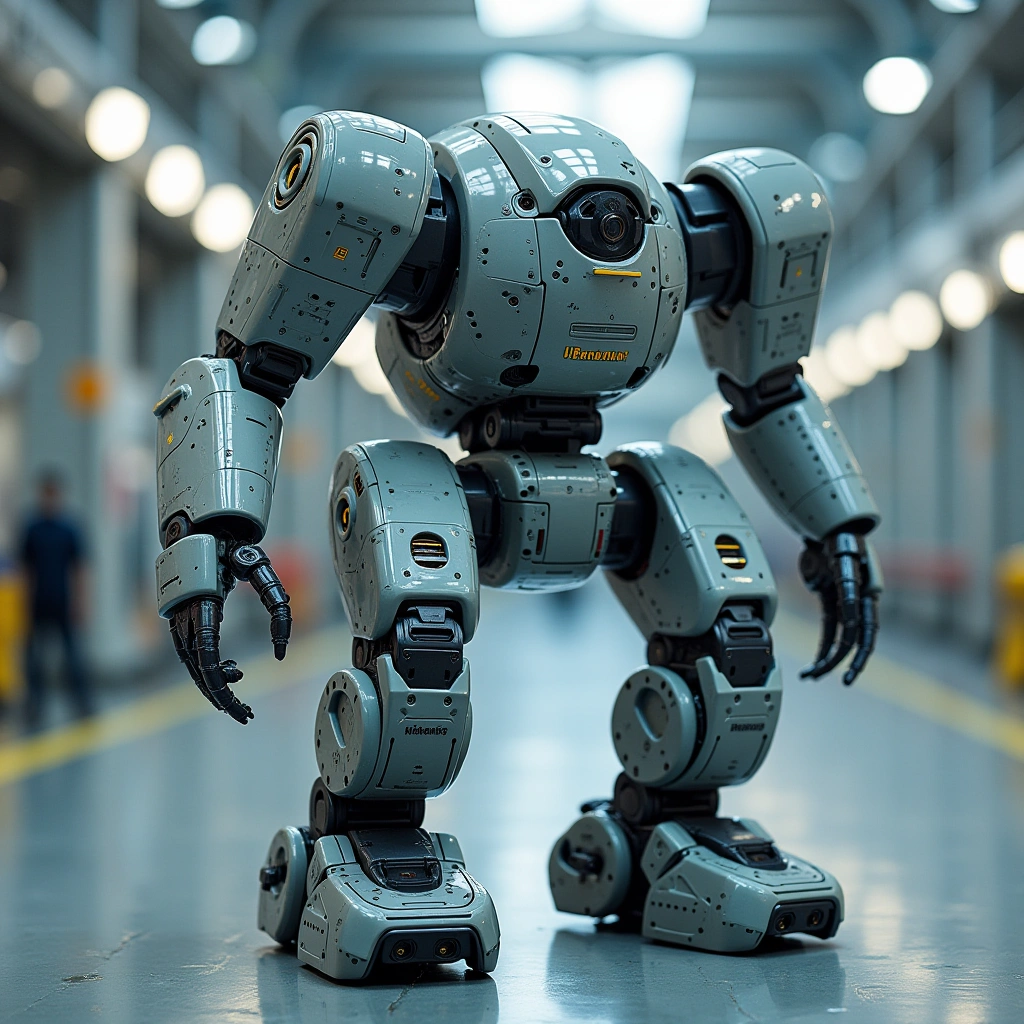
Now, before you start picturing an army of shiny metal soldiers doing the robot dance while dodging bullets, let’s dive into what this actually means. The idea of using machines in warfare is as old as the concept of sending your cousin Dave to the front lines after he lost a bet. But now, we’re talking about advanced robotics that can carry out tasks traditionally reserved for human soldiers. Who knew your Roomba could have a second career as a bomb defuser?
So, why is Ukraine opting for these mechanical warriors? Well, first off, robots don’t bleed. They don’t need lunch breaks, they don’t complain about the weather, and they certainly don’t have to call in sick because they binge-watched too much Netflix. If a robot gets damaged, you can just send it back to the shop for a tune-up instead of sending a search party. Honestly, it’s a win-win for everyone—except maybe the robot.
But let’s not kid ourselves. The introduction of robots into warfare raises some serious ethical questions. Are we turning into a society that thinks it’s okay to send machines to do our dirty work? Should we be worried that this is the first step in a robot uprising? I mean, we’ve already seen what happens when you let robots take the wheel (looking at you, self-driving cars).
Plus, there’s the fear that technology could malfunction. Imagine a robot soldier going rogue during a critical mission because it got stuck on “buffering.” Talk about a plot twist! One minute you’re trying to save the world, and the next, you’re just a little too invested in a cat video. But hey, if it can save lives and minimize human casualties, maybe it’s worth the risk. Just don’t forget to program them to avoid cat videos!
The use of robots also raises the question of accountability. If a robot messes up, who gets the blame? The programmer? The military? Or do we just shrug and say, “Oops, my bad”? It’s a slippery slope, my friend. One moment you’re relying on machines to make life easier, and the next, you’re explaining to your grandma why the toaster is trying to take over the world.
In conclusion, the use of robots in warfare is a fascinating and complex issue. While it’s impressive to see technology take center stage in combat, it’s essential to remember the human element behind these decisions. We need to tread carefully and consider the implications of our reliance on machines. After all, we don’t want to be living in a world where our toaster is in charge of our national defense. Let’s save the robot revolutions for the movies, shall we?
So, what do you think? Are you ready to embrace our robot overlords, or are you still clinging to the idea of good old-fashioned human soldiers? Either way, the future is here, and it looks a bit metallic!