Category: Human Interest

  • Unpacking the Tommy Robinson Social Media Phenomenon: No Calls to Action Needed!

    Unpacking the Tommy Robinson Social Media Phenomenon: No Calls to Action Needed!

    Alright, folks! Buckle up because we’re diving deep into the social media strategy of none other than Tommy Robinson—a figure who can stir the pot faster than a grandma at a family reunion. If you think social media is just about posting cute cat videos and brunch pics, think again! Robinson has managed to mobilize support without the typical ‘Join Us Now!’ or ‘Take Action!’ banners that usually litter the online landscape.

    So, how does he do it? Well, it all starts with the magic of engagement. Robinson’s social media presence is like a well-oiled machine, churning out content that resonates with a specific audience. He doesn’t need to shout about his agenda from the rooftops; instead, he creates an echo chamber where his followers feel heard, validated, and part of something bigger. Kind of like a cult, but with fewer robes and more hashtags.

    His posts often tap into emotions—fear, anger, pride—serving them up like a buffet at a wedding. When people feel something, they’re more likely to share, comment, and connect. And let’s be real, who doesn’t love a good rant? It’s like therapy, but cheaper and with more likes. Robinson’s followers engage in discussions, share anecdotes, and before you know it, a community is born. No need for direct calls to action when you’ve cultivated a loyal fanbase that’s itching to spread your message for you!

    The beauty of his strategy lies in the subtlety. It’s like seasoning a dish—too much salt and it’s inedible, too little and it’s bland. Robinson knows exactly how to sprinkle his opinions and narratives without making people feel like they’re being sold something. Instead of a sales pitch, it’s more like a casual chat over a pint, where everyone gets fired up about the latest controversy.

    But let’s not forget the controversy itself. Robinson’s methods have sparked debates that could light up a small city. Some argue that he’s a voice for the voiceless, while others believe he’s fanning the flames of division. Whichever side you’re on, one thing’s for sure: he knows how to get people talking. And that, my friends, is a skill in today’s attention-deficit world.

    Now, you might be wondering, what can we learn from this? Well, whether you’re a social media manager, an influencer, or just that friend who posts too much on Facebook, the takeaway is clear: connection is key. Engaging your audience on an emotional level can create a community that supports your goals without you ever having to ask. Just remember to keep it genuine—nobody likes a phony!

    In conclusion, Tommy Robinson’s social media strategy is like a masterclass in engagement without explicit calls to action. It’s a fascinating, albeit controversial, case study on how to harness the power of community and emotion. So, next time you scroll through your feed and see a post that gets you riled up, ask yourself: is it just a rant, or is it a call to arms in disguise? Either way, it’s definitely food for thought!


  • The Ghost Fleet of San Diego: How the Navy’s Future is Hiding in Plain Sight

    The Ghost Fleet of San Diego: How the Navy’s Future is Hiding in Plain Sight

    Ahoy there, landlubbers and tech enthusiasts! Grab your popcorn (or whatever snack you prefer) because San Diego is cooking up something that would make even the most seasoned ghost story connoisseur raise an eyebrow. We’re talking about the Navy’s latest endeavor: a new generation of ‘ghost ships.’ No, these aren’t your average haunted vessels roaming the seas looking for lost souls; these are high-tech wonders designed to secure America’s future on the waves. Intrigued? Let’s dive in!

    First off, what exactly is a ghost ship? Not to be confused with the spectral ships that sailors claim to have seen drifting in the fog, these modern marvels are unmanned vessels equipped with cutting-edge technology. Picture Navy ships that can operate with minimal human intervention, cruising the high seas while also saving on coffee and donut expenses. You could say they’re the introverts of the naval world—perfectly fine functioning without the social interactions that come with a full crew.

    San Diego, the sunny paradise known for its beaches and burritos, is stepping up to the plate in a big way. The U.S. Navy is investing in these ghost ships as part of a broader strategy to enhance its maritime capabilities. Why, you ask? Well, let’s just say that the ocean is getting a bit crowded with potential threats, and having some high-tech, autonomous ships patrolling the waters sounds like a plan. Plus, who wouldn’t want a fleet of ships that can literally ghost the competition?

    But hold your horses (or your dolphins, if you prefer). This isn’t just about military might; it’s also an opportunity to revolutionize naval operations. These ghost ships can be equipped with advanced sensors and AI that can analyze their surroundings, making decisions faster than you can say, “Where did I put my phone?” Imagine a fleet that can adapt and respond to threats without waiting for orders from a coffee-fueled captain. It’s like having a super-smart puppy that knows when to bark and when to just chill out.

    Now, let’s address the elephant (or should I say, the ghost ship?) in the room: Are we ready for a future where ships operate without human oversight? While the idea might sound like something out of a sci-fi movie, the reality is that technology is evolving faster than you can say “AI takeover.” There are concerns about hacking, technical failures, and what happens when one of these ghost boats decides to take a detour to a tropical island instead of patrolling the Pacific. But hey, at least we’d have a great story to tell, right?

    Moreover, this initiative might just be the tip of the iceberg (pun intended). What happens when we start seeing fleets of these ghost ships working together in harmony? A robotic navy force, patrolling the seas with the precision of a well-rehearsed dance troupe. It’s both exciting and a bit terrifying, like watching a toddler with a box of crayons in a museum. The possibilities are endless, but so are the worries.

    In conclusion, while the concept of ghost ships might seem like something out of a dystopian novel, it’s really a glimpse into the future of naval strategy. With San Diego at the helm of this ghostly revolution, the U.S. Navy is gearing up to embrace a new era of warfare—one that’s smarter, faster, and maybe a little less haunted. So, next time you’re at the beach and see something odd on the horizon, don’t be too quick to label it a ghost. It might just be the Navy’s latest technological marvel, patrolling the waters for the next generation of seafaring shenanigans!

  • NCSC Declares Passkeys Fit for the Crown: Is It Time to Toss Your Passwords?

    NCSC Declares Passkeys Fit for the Crown: Is It Time to Toss Your Passwords?

    Hey there, fellow tech enthusiasts and digital warriors! Gather ’round, because we’ve got some juicy news hot off the digital press. The National Cyber Security Centre (NCSC) has just proclaimed that passkeys are now good enough to be the default standard for online security. Yes, you heard that right! It’s time to start asking ourselves: are our beloved passwords finally on their way to the retirement home?

    Now, before we dive into the world of passkeys, let’s take a moment to pay our respects to the humble password. Remember those days of trying to come up with a password so complicated that even your computer would raise an eyebrow? You know, the ones that required a special character, a capital letter, a hieroglyph, and the blood of a unicorn? Passwords were the gatekeepers of our online lives, but let’s face it, they’ve become about as effective as a chocolate teapot in a rainstorm.

    So, what are passkeys, you ask? Imagine if your password had a glow-up and started wearing designer suits instead of sweatpants. A passkey is a cryptographic entity that’s much more secure than our traditional passwords. They eliminate the need to remember or type in a password altogether. Instead of juggling a million passwords like a circus performer, you can log in with a simple touch of your finger or a quick glance at your face (or an eye-roll, if that’s your thing). Talk about living in the future!

    With NCSC giving passkeys the thumbs up, it’s clear that the tech world is ready to embrace this shiny new alternative. But why the sudden change of heart, you may wonder? Well, it turns out that passkeys are less susceptible to phishing attacks and data breaches. In other words, they’re like the secret service for your digital life, always keeping a watchful eye out for troublemakers.

    But before you run off and ditch your passwords like they’re last season’s fashion, let’s talk about the potential hiccups in this glorious plan. For starters, not everyone is on board the passkey train just yet. Some companies are still clinging to their password policies like a toddler with a security blanket. Plus, if you lose your device or your biometric data gets compromised, you might find yourself in a bit of a pickle. And let’s be real, if your finger gets chopped off, you might have bigger issues to worry about than logging into your email.

    So, what does this mean for the everyday user? Well, it’s time to start educating ourselves and our friends about the magic of passkeys. It’s not just about jumping on the latest tech bandwagon; it’s about protecting our digital lives. If you’re still rocking that “123456” password, it’s time to have a serious chat with yourself.

    In conclusion, while NCSC’s approval of passkeys is a step in the right direction, it’s essential to approach this new technology with a healthy dose of skepticism and humor. We’ve watched many shiny new things come and go in the tech world, so let’s be vigilant. But here’s hoping that passkeys are the real deal and that they can finally put our password woes to rest. Cheers to a future where we can log in with a simple tap and leave the password drama behind!

  • Altman’s Apology: The OpenAI Oopsie That Could Have Saved Lives

    Altman’s Apology: The OpenAI Oopsie That Could Have Saved Lives

    So, grab your popcorn, folks! In a twist that sounds like it was ripped straight from a Hollywood script, OpenAI’s big cheese, Sam Altman, found himself in a bit of hot water after a tragic incident in Canada. What happened? Well, let’s just say the artificial intelligence didn’t quite live up to its name, and now we’ve got a juicy story to unfold.

    Picture this: a shooting in Canada, and the AI that’s supposed to be on the cutting edge of technology—and maybe a little bit of mind-reading—failed to alert the authorities before it all went down. Cue the dramatic music! Altman, probably sitting in his office with a coffee cup that says “World’s Okayest CEO,” had to come out and say, “Oops!” in front of the world. Let’s dive into this mess, shall we?

    First off, we have to talk about the elephant in the room—or maybe it’s more like a very large robot. With great power comes great responsibility, right? We’ve all heard that one before! OpenAI has been at the forefront of AI development, often hailed as the genius creators of chatbots that can whip up poems or even help you plan your next vacation. But when it came to the more serious stuff—like, you know, potentially saving lives—the AI seemed to hit the snooze button.

    Now, here’s where it gets sticky. How does an organization that prides itself on intelligence and safety miss the mark so badly? Are they too busy perfecting their AI to tell dad jokes to notice the red flags? I mean, come on, if a toaster can pop up my bread at just the right moment, shouldn’t an AI have a better grasp of real-world threats?

    Altman’s apology was heartfelt—well, as heartfelt as a corporate apology can get. You know the type: “We’re deeply saddened,” and “We take this matter very seriously.” It’s like when your dog chews up your favorite shoe, and he looks at you with those big, sad eyes while you try to figure out how to punish him without ruining your friendship. But the question is, is an apology enough? Can you just say “Sorry” and move on, or do we need to start calling for accountability?

    Social media exploded, of course, with people weighing in on the fiasco. Some folks are demanding stricter regulations on AI, while others are simply shaking their heads and saying, “I told you so!” You know, the ones who warned us that AI would take over the world, one Netflix recommendation at a time. But is this really a failure of AI, or is it a failure of the humans behind the curtain?

    At the end of the day, this incident raises a ton of questions about the ethical implications of AI advancements. If our friendly neighborhood AI can’t even alert us to danger, how can we trust it to write our term papers or help us navigate love in the age of dating apps? I mean, if it can’t save lives, can it at least help me find someone who enjoys pineapple on pizza?

    So, what do we take away from Altman’s apology? Maybe it’s time for a little reality check in the AI world. While we’re all for innovation and technological wonders, let’s not forget the basics of human safety. After all, wouldn’t it be great if we could rely on our AI buddies not just for witty banter but for real-life protection?

    In conclusion, while Altman may have issued his apology, the shadows of this incident will likely loom large over the future of AI development. Will this be the wake-up call that leads to more responsible AI use? Or will it be just another blip on the radar, forgotten as we scroll through TikTok? Only time will tell, but for now, let’s hope that the next round of AI can keep a closer eye on things—because nobody wants to hear another “Oops!” in the headlines.

  • Unveiling the Magic: The Iconic Taxi Cab from The Wiz (1978)

    Unveiling the Magic: The Iconic Taxi Cab from The Wiz (1978)

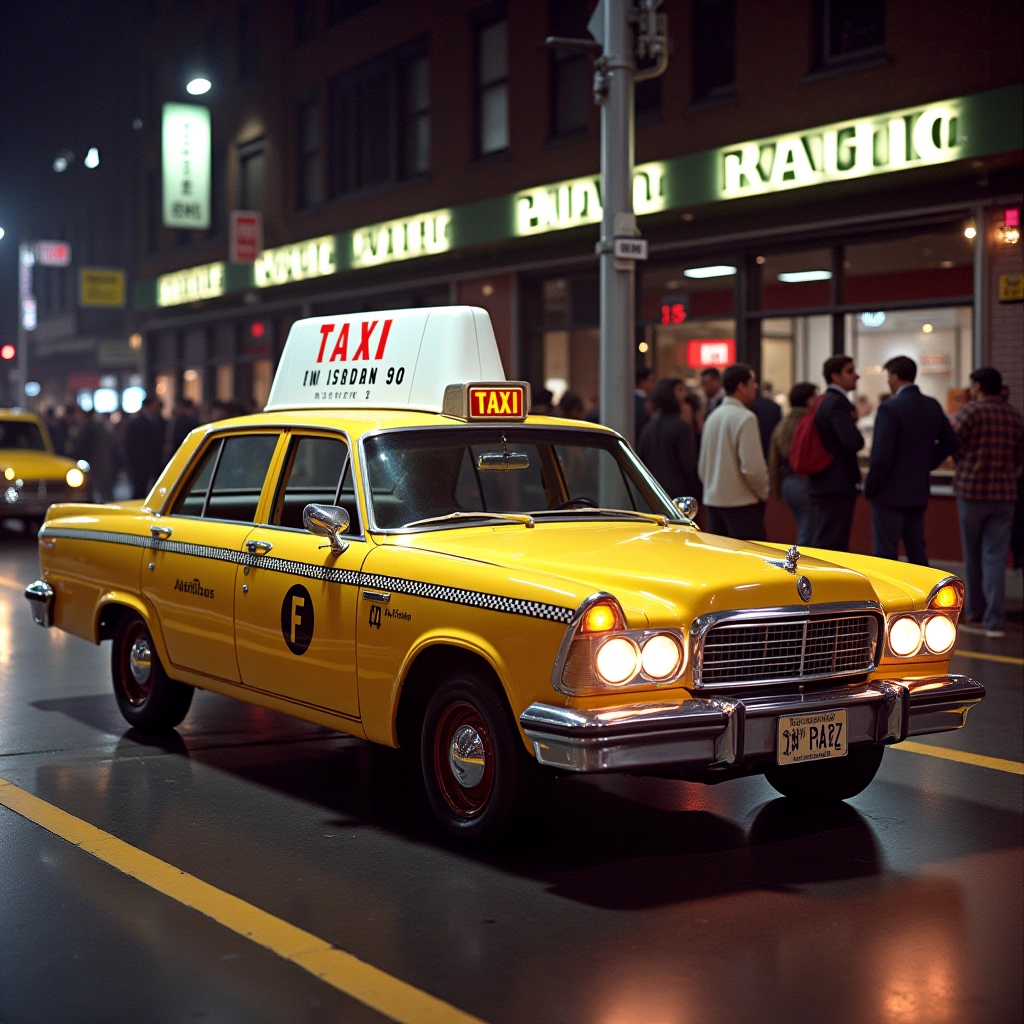
    Ah, The Wiz—the movie that brought a touch of sparkle to the classic Wizard of Oz tale! But let’s not kid ourselves; while Judy Garland had her ruby slippers, we had something far more flamboyant: a taxi cab that was practically begging for an Instagram filter. So, let’s dive into the world of this iconic vehicle that was more than just a mode of transportation; it was a character in its own right!

    First off, let’s set the scene. Picture this: 1978 New York City, a city that never sleeps, bustling with life, and a vibrant energy that can only be captured in a musical. Enter the taxi cab—bright yellow, gliding through the streets like it was auditioning for a Broadway number. This cab was a chariot of dreams, transporting our beloved Dorothy (played by the fabulous Diana Ross) and her eclectic crew through a technicolor world filled with wonder and peril.

    But why should we care about this cab? It’s just a taxi, right? Wrong! This cab was a symbol of hope, a beacon for lost souls navigating the urban jungle. From its flashy exterior to its quirky interior, it reflected the spirit of the 70s—a decade where everything was a little bit louder, a little bit funkier, and a whole lot more colorful. I mean, have you seen the colors of that cab? It’s like someone threw a paint party and forgot to clean up!

    And let’s talk about its role in the film. The Wiz gave us a fresh take on the classic story, swapping the yellow brick road for the yellow cab! Instead of a leisurely stroll through Munchkinland, our characters were zipping through the city, dodging potholes and the occasional pigeon, all while belting out tunes that still get stuck in our heads. The taxi wasn’t just a vehicle; it was a stage, a moving set piece that added a layer of excitement to the already vibrant narrative.

    Now, you might be wondering, where is this iconic cab today? Did it end up on a junkyard pile or perhaps become a hipster coffee shop? The truth is, many of the props from movies end up in the hands of collectors, or worse, lost to time. It’s a tragedy, really; one can only imagine the stories it could tell if it could talk. “Oh, I remember the time Diana Ross forgot her line and we both just stared awkwardly at the camera!”

    In conclusion, the taxi cab from The Wiz isn’t just a piece of cinema history; it’s a symbol of a bygone era where creativity knew no bounds. It reminds us that in a world full of ordinary, we can find the extraordinary—sometimes in the most unexpected places, like a yellow cab in a musical. So the next time you hop into a taxi, just think: it could be more than just a ride; it could be a ticket to your own adventure!

    So, what do you think? Are you ready to embrace the spirit of The Wiz and take a ride down the yellow cab lane? Just remember to tip your driver—after all, they might just be the next star of a musical!

  • When Reality Meets Pixels: The Hilarious Truth Behind Video Quality

    When Reality Meets Pixels: The Hilarious Truth Behind Video Quality

    Ah, video quality—the unsung hero of our modern viewing experience! We’ve all been there, scrolling through our favorite subreddit and stumbling upon a post that claims to be an “accurate depiction” of reality, only to find out the only difference is that it looks like it was filmed on a potato. Let’s dive into this phenomenon, shall we?

    Imagine you’re watching the latest viral video that’s supposed to showcase the beauty of nature. You expect sweeping vistas and vibrant colors, but instead, you’re greeted with something that looks like it was shot through a foggy window. Suddenly, you start questioning your life choices. “Is this really nature? Or is it just my screen’s way of telling me I need to clean it?”

    Now, don’t get me wrong—video quality is important. It’s the difference between feeling like you’re in a lush forest or trapped in a 1990s dial-up connection. However, it’s fascinating to think about how much we rely on pixels to shape our perceptions. If we’re honest, sometimes the content itself is so entertaining that we don’t care if it looks like it was filmed with a 5-year-old smartphone.

    Let’s break it down. You’ve got your high-definition videos, which are crisp and clear, making you feel like you could reach out and touch that adorable squirrel doing parkour. On the flip side, you have low-quality videos that leave you squinting, trying to decipher whether that blob is a dog or a raccoon. Spoiler alert: It’s probably a raccoon. They’re everywhere, and they’re judging your life choices too.

    But here’s where it gets controversial. Some people argue that the quality of the video doesn’t matter as much as the message it conveys. A grainy video of a cat saving a child from a fire will still tug at your heartstrings, while a crystal-clear video of a boring lecture on the history of paperclips might have you dozing off quicker than you can say “optical resolution.”

    So, what does this all mean? Are we too focused on the superficial aspects of video quality? Should we embrace the imperfections and enjoy the raw, unfiltered nature of the content? I mean, who doesn’t love a good laugh at a video that’s so poorly shot, it’s almost an art form? It’s like watching a train wreck—terrible yet utterly captivating.

    In conclusion, the next time you find yourself scrolling through a thread with an “amazingly accurate depiction” of reality, take a moment to appreciate the artistry of bad video quality. Just remember, it could be worse—at least it’s not a VHS tape! And if all else fails, grab some popcorn and enjoy the show. After all, life is too short to take everything so seriously, especially when you have a raccoon to identify!

  • France Ditches Windows for Linux: A Bold Move Away from American Tech Dominance

    France Ditches Windows for Linux: A Bold Move Away from American Tech Dominance

    So, France has decided to swap out their Windows for Linux! You heard that right. It’s like trading in a fancy French baguette for a homemade loaf of sourdough. But this isn’t just some culinary preference; it’s a radical shift in the digital landscape. And guess who’s joining the party? India! Talk about an international tech tango!

    First off, let’s get one thing straight: moving away from American tools is not just a fashion statement. It’s a full-blown revolution. France is saying, “Non!” to the tech giants that have their fingers in every pie (and possibly every croissant). And who can blame them? Windows updates are notorious for popping up at the worst times, like that one friend who always wants to discuss politics during dinner.

    But why Linux, you ask? Think of Linux as the cool, laid-back cousin of Windows—free-spirited, open-source, and ready to party without the corporate hangover. With Linux, France is stepping into a world where they can tailor their systems to fit their needs, without being tied to the whims of some tech overlord in Silicon Valley. It’s like choosing to ride a bicycle instead of getting stuck in traffic on the 405. Plus, no more annoying updates—just peace and quiet!

    Now, let’s not forget India, who’s also throwing their hat into the ring. The subcontinent is not merely catching up but is instead leading the charge. With a burgeoning tech scene and a drive for self-sufficiency, India is like that brilliant student who finishes their homework before coming to class. They’re embracing Linux not just as an alternative, but as a statement of independence. It’s akin to saying, “We can do this on our own, thank you very much!”

    Of course, this bold move brings with it its own set of challenges. Transitioning an entire nation’s infrastructure to a new operating system is no walk in the park. It’s more like a marathon through the Louvre—confusing, exhausting, and a lot of people might get lost along the way. But the potential benefits? Oh boy! Increased security, reduced costs, and a tech ecosystem that isn’t held hostage by a handful of companies.

    Critics might say that this is a drastic, even reckless, decision. After all, Windows has been a staple in offices and homes for decades. But sometimes, you’ve got to shake things up a bit! Who wants to live in a world where their computers crash more often than a 90s sitcom? By leveraging open-source systems, countries like France and India can innovate and customize their tech in ways that corporate giants simply can’t offer.

    So, what’s next for the tech-savvy revolutionaries of France and India? Will we see a new wave of tech independence sweeping across the globe? Will other countries join the Linux bandwagon? Only time will tell. But one thing’s for sure: the digital landscape is changing, and it’s about time we had a little fun while we’re at it.

    In conclusion, let’s raise a glass—of French wine or Indian chai, your choice—to these nations daring to break free from the chains of American software dominance. Here’s to a future where we’re not just consumers of technology but masters of our digital destinies. Cheers!

  • IHeartMedia and Sirius XM: A Match Made in Radio Heaven or Just Noise?

    IHeartMedia and Sirius XM: A Match Made in Radio Heaven or Just Noise?

    Hey there, fellow radio enthusiasts and podcast pirates! Grab your headphones and settle in because we have some juicy gossip from the airwaves. According to Bloomberg News, IHeartMedia and Sirius XM are reportedly in talks for a merger. Yes, you heard that right! Two titans of audio entertainment are contemplating joining forces, and it’s about to get as exciting as a surprise guest on your favorite podcast.

    Now, you might be asking, ‘Why should I care about two radio companies merging?’ Well, my friend, unless you’ve been living under a rock with no Wi-Fi, you know that the way we consume audio content is changing faster than a DJ can drop the beat. Both companies are already major players in the audio scene: IHeartMedia is like the cool kid in school with all the popular radio stations, while Sirius XM is the king of satellite radio and has its own stash of exclusive content.

    So what’s the deal? By merging, they could create a superpower in the audio world, potentially giving listeners access to an even wider variety of content. Imagine being able to switch from your favorite local radio show to an exclusive Sirius XM talk show without changing the dial. It’s like going from a comfy couch to a luxury recliner—who wouldn’t want that?

    But hold on a second! Before we get too excited about this potential merger, let’s not forget that with great power comes great responsibility—or something like that. Mergers can often lead to monopoly-like situations where choices for consumers dwindle faster than a free sample at Costco. Fewer choices mean we might end up stuck listening to the same five songs on repeat, and nobody wants that nightmare, right?

    And let’s not gloss over the fact that both companies have their own particular strengths and weaknesses. IHeartMedia has a solid grasp on terrestrial radio and local content, while Sirius XM is the go-to choice for those long road trips where you don’t want to hear your favorite song for the hundredth time. The question is, can they blend these strengths without turning the whole thing into a hot mess?

    Plus, consider the financial implications. Mergers often come with hefty price tags, and both companies would have to play nice with shareholders. If this merger were to happen, could it lead to a price hike for subscriptions? You know, like when you finally decide to binge-watch that show everyone’s raving about, only to find out the streaming service raised its prices? Ouch!

    In conclusion, while the idea of IHeartMedia and Sirius XM merging feels like a dream come true for audio lovers, we must approach this development with cautious optimism. Will it usher in a new era of audio entertainment or will it crash and burn like a poorly planned podcast? Only time will tell, my friends. But one thing is for sure—this is one story we’ll be following closely. So, keep those earbuds ready and stay tuned!

  • Unlocking the Sweet Secrets: Mastering Candy Making with a Candy Puller Machine

    Unlocking the Sweet Secrets: Mastering Candy Making with a Candy Puller Machine

    Hey there, fellow sweet tooth enthusiasts! So, you’ve decided to take the plunge into the sugary world of candy making using a candy puller machine, huh? Well, grab your apron and get ready for a sticky adventure filled with sugar highs and the occasional kitchen disaster. Let’s dive into the delicious details!

    First things first: what on earth is a candy puller machine? Picture this: a futuristic-looking contraption that resembles a mix between a robot and a medieval torture device. But fear not! Instead of extracting confessions, it pulls and stretches hot sugar into a delightful treat. This machine takes your candy-making game from amateur to pro faster than you can say “sugar rush!”

    Now, let’s get down to business. To start your candy-making journey, you’ll need some essential ingredients: sugar, corn syrup, water, and a pinch of flavoring. You could go for the classic vanilla or get adventurous with something like lavender (yes, it’s a thing, and yes, it’s delicious!). Just remember, if you’re feeling rebellious, you might want to avoid flavors like fish or pickle. Trust me on this one!

    After you’ve gathered your ingredients, it’s time to fire up that candy puller machine. But wait! Safety first, my friends. This machine can reach temperatures hotter than your ex’s temper when you accidentally forget their birthday. So, make sure you’re wearing proper protection—think gloves and maybe even safety goggles if you want to look extra cool!

    Once your sugar mixture is bubbling away like a witch’s cauldron, it’s time to pour it into the machine. Make sure you’re steady, or you might end up with a sticky situation that’ll have you questioning your life choices. As the machine works its magic, it’ll start to pull and stretch the mixture, transforming it into that beautiful, glossy candy we all dream of! It’s like watching a superhero in action, but with a lot more sugar and a lot less spandex.

    Now, here’s where the real fun begins: flavoring and coloring your candy! You can add a few drops of food coloring and flavoring during the pulling process. Go wild! Want neon pink candy with a hint of bubblegum? Do it! Just keep in mind that while you might be living your best life in candy land, your dentist might not share your enthusiasm. But hey, who cares about dental bills when there’s candy to be made?

    Once your candy has been pulled to perfection, it’s time to cut it into pieces. This might be the most satisfying part of the whole process. Watching it transform from a sticky blob to individual candies is like watching a caterpillar turn into a butterfly—if butterflies were made of sugar and tasted like dreams. Just make sure you have some powdered sugar on hand to prevent sticking!

    And voilà! You’ve successfully created your very own candy masterpiece. Now, you can either share it with friends and family (who will undoubtedly think you’re a candy wizard) or keep it all for yourself—no judgment here! Just remember, with great candy-making power comes great responsibility. Don’t eat it all in one sitting unless you want to experience the rollercoaster of emotions that is a sugar crash.

    In conclusion, making candy using a candy puller machine is not just a fun kitchen project; it’s an opportunity to unleash your inner child and satisfy your sweet tooth. So go ahead, get that machine, and start pulling some candy! Who knows? You might just create the next big candy sensation. But if you accidentally create a sticky mess instead, well, at least you’ll have a great story to tell!

  • Game Changer: Scientists Unveil Skincare Compound That Obliterates Drug-Resistant Bacteria

    Game Changer: Scientists Unveil Skincare Compound That Obliterates Drug-Resistant Bacteria

    Hey there, skincare junkies and germaphobes! Grab your magnifying glasses and put on your lab coats because we’re diving into some seriously groundbreaking science that could change the way we think about skincare—and bacteria!

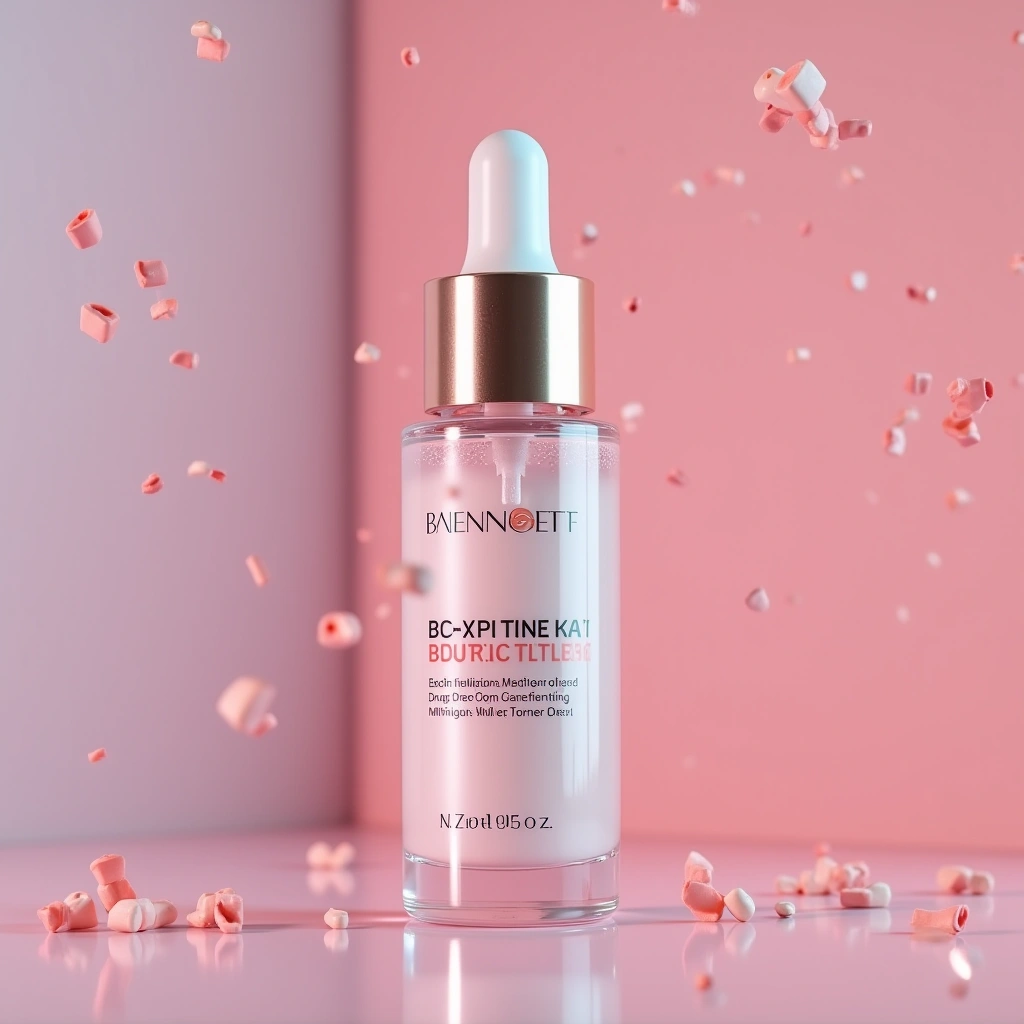
    So, picture this: scientists have stumbled upon a skincare compound that doesn’t just make your face look as smooth as a baby’s bottom; it actually has the power to take down those pesky drug-resistant bacteria that have been wreaking havoc in hospitals and beyond. Yes, you heard that right. It’s like the superhero we never knew we needed in our skincare routine!

    Now, before you start daydreaming about an epic showdown between your moisturizer and those villainous bacteria, let’s break it down. Drug-resistant bacteria are like those annoying kids at the playground who just won’t quit. You know—the ones who ignore all the rules, make everything a mess, and leave you wondering how you ended up in this nightmare. They’re responsible for some serious health issues, and traditional antibiotics are basically waving the white flag. But fear not, because here comes this new compound, ready to kick some bacterial butt!

    Researchers have been working tirelessly in their laboratories, mixing potions and stirring up breakthroughs like they’re in a Harry Potter movie. And guess what? They found a compound that not only zaps these drug-resistant bacteria but also plays nice with our skin. It’s like finding a unicorn in a field of horses—rare, magical, and maybe a bit too good to be true!

    But let’s not get ahead of ourselves. This discovery doesn’t mean you should start slathering on your new miracle cream with reckless abandon. Science likes to take its time, and clinical trials are still in the works. So, while you’re waiting for that magical elixir to hit the shelves, you might want to stick with your current skincare routine. No one wants to end up like the test monkey, right?

    Now, let’s talk implications. If this skincare compound proves effective in real-world applications, it could mean fewer trips to the doctor, fewer courses of antibiotics, and a significant drop in healthcare costs. Plus, you might just become the trendsetter in your friend circle for being the first one to use a skincare product that doubles as a germ-fighting machine. That’s some serious bragging rights!

    Of course, people will have their opinions. Some might say that relying on skincare products to solve our antibiotic resistance crisis is a bit like trying to fix global warming with a can of spray paint. But that’s the beauty of science—it’s a journey filled with twists, turns, and, let’s be honest, a few questionable experiments. Who knows? Maybe this compound will be the first step towards a future where we can all live in harmony with our skin and the bacteria that reside on it.

    So, what’s the takeaway here? Keep an eye out for this skincare revolution, and maybe stock up on your favorite moisturizers while you wait. Because in a world full of drug-resistant bacteria, it’s nice to know that there’s a little hope—and perhaps a lot of hydration—on the horizon!