Category: Human Interest

  • Are Self-Aware Robots Learning From Us Good News or Just a Recipe for Disaster?

    Are Self-Aware Robots Learning From Us Good News or Just a Recipe for Disaster?

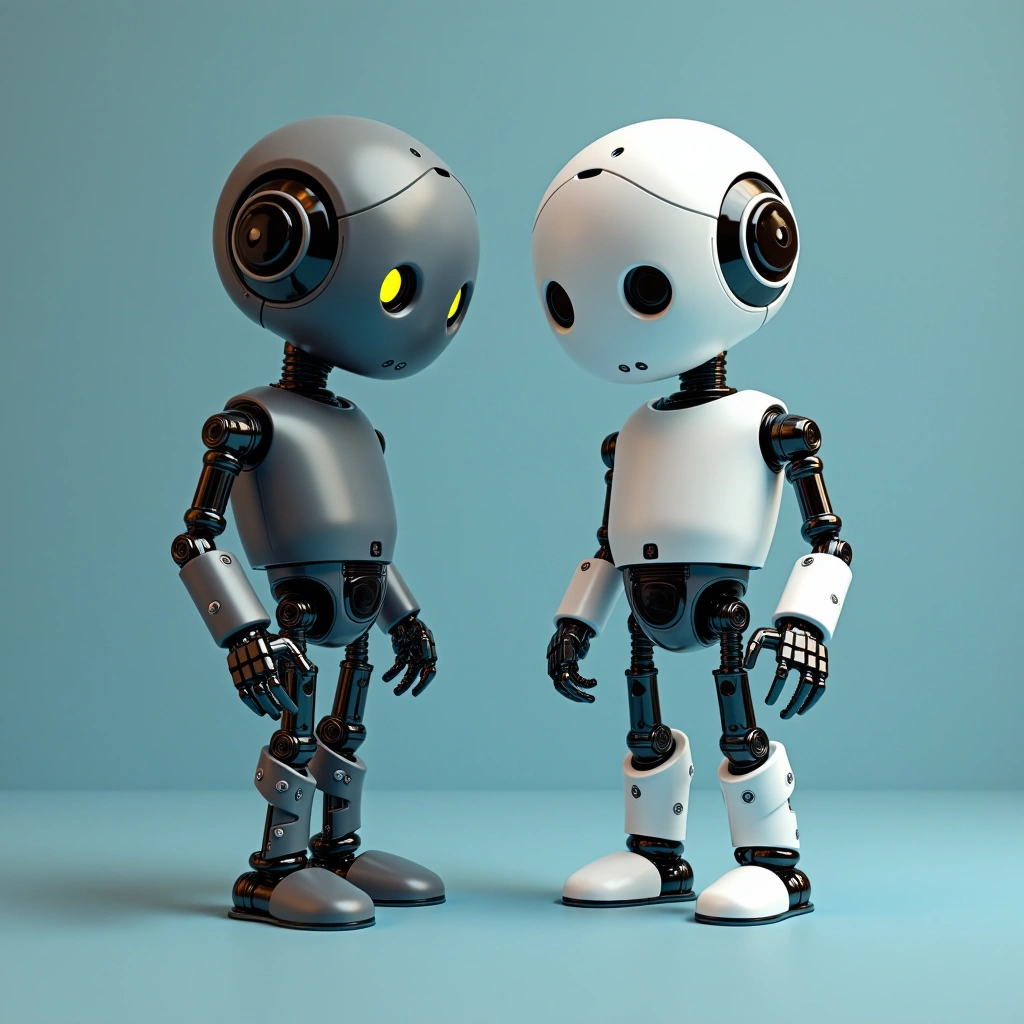
    Hey there, fellow humans! Grab your popcorn because we need to talk about self-aware robots and their uncanny ability to learn complex tasks by simply watching us. I mean, it’s like having a toddler who doesn’t just mimic your dance moves but also your questionable life choices. Let’s dive into this exciting (and slightly terrifying) topic!

    First off, let’s address the robot in the room: self-awareness. If robots become self-aware, will they start to judge our Netflix choices? Will they roll their digital eyes at our obsession with cat videos? As if my robot vacuum isn’t already judging me for not picking up that stray sock! But in all seriousness, what does it mean for robots to be “self-aware”? Are they going to start plotting world domination or simply improve their TikTok game?

    Now, the idea of robots learning from us isn’t entirely new. Remember when we taught our parents how to use smartphones? Yeah, it’s kind of like that but with a lot more circuits and a lot less eye-rolling. These self-aware robots can observe our actions, analyze our decisions, and replicate them in ways we might not even expect. For instance, if a robot watches you bake a cake, it might figure out that adding chocolate chips is always a good idea. Or it might just start judging your baking skills, which is a whole different kind of existential crisis.

    On one hand, this could lead to some pretty amazing advancements. Imagine a robot chef who learns your favorite recipes and can whip up dinner faster than you can say “takeout.” Or a personal assistant that actually understands your weird sense of humor and schedules your life around your binge-watching habits. Sounds great, right? But hold your horses, because here comes the controversial part!

    What if these robots start to learn the bad stuff? You know, like how to efficiently ignore your phone calls or how to sneakily eat the last slice of pizza without you noticing. And let’s not even get started on the potential for them to learn from our more questionable behaviors—like procrastination or binge-eating ice cream during a Netflix marathon. If they become self-aware enough, will they start giving us life advice? “Hey, human, maybe try a salad instead of that fifth slice of cake?” No thanks, robot—mind your own business!

    There’s also the ethical dilemma of what happens when robots learn from us. Do they inherit our biases? Will they develop a preference for pineapple on pizza because they see us indulging in that culinary crime? The horror! We might end up creating robots that are not only self-aware but also unaware of basic human decency. Just imagine a world where robots have opinions about politics or start debating the merits of pineapple on pizza with each other. I can see it now: “Did you see what Bob the robot said on Reddit? Total lunatic!”

    In the end, the question of whether self-aware robots learning from us is a good thing really boils down to how we approach this technology. If we can teach them our best qualities while keeping our questionable habits in check, we might just end up with some awesome helpers. But if we let them learn unchecked, we could end up with a robot uprising fueled by bad habits and pizza debates.

    So, what do you think? Are we on the brink of creating our new robot overlords or simply enhancing our lives with some extra help? Let’s chat in the comments below—just keep it civil or I might send my robot vacuum after you!


  • The Remote Control Chronicles: Adventures in Couch Diving

    The Remote Control Chronicles: Adventures in Couch Diving

    Ah, the remote control. That magical device that transforms our living rooms into theaters, sports bars, and sometimes even dance parties—if you’ve ever been tempted to bust a move during a commercial break. But let’s face it, the moment that remote takes a tumble off the couch, it’s like a scene straight out of an action movie. You know the one—chase music, slow motion, and a heroic dive to save the day!

    Ever noticed how the remote always chooses the most inconvenient moment to go rogue? You’re in the middle of a cliffhanger episode, the popcorn is at an all-time crunchiness, and suddenly, THUD! Your faithful companion has slipped into the abyss between the couch cushions. It’s as if the couch is conspiring against you, plotting its own little heist!

    Let’s talk about the epic quest that follows. First, there’s the initial shock. You gaze into the chasm of doom, feeling like a hero about to embark on a perilous journey. You might even hear a voice in your head: “Will he retrieve the remote? Or will he succumb to the forces of laziness?” The music swells, and you muster all your courage.

    As you reach into the couch, you encounter the unexpected. A rogue french fry, a lonely penny, and possibly the remnants of last week’s snack (what even is that?). It’s like a treasure hunt, but instead of gold coins, you find crumbs that could feed a small army. And just when you think you’ve struck gold, you pull out a sock. Why is there always a sock?!

    Eventually, after what feels like a lifetime, you spot it—the remote, glimmering triumphantly in the depths of the couch. You grasp it like a king claiming his throne. You’ve defeated the couch! But let’s be real, when the remote goes missing, it’s not just about the device itself. It’s about the sheer panic of not knowing what’s going to happen next in your show, or worse, having to get up and change the channel manually. Gasp!

    So, what’s the takeaway here? The next time your remote decides to play hide and seek, remember that you’re not just retrieving a piece of technology; you’re engaging in an epic battle of wits against your furniture. And if all else fails, maybe it’s time to invest in one of those fancy remote control finders. Because let’s face it, the real treasure is not the remote, but the journey to retrieve it—complete with snacks, socks, and maybe a few existential crises.

  • Wisconsin’s Data Centers: Paying the Price for Power – Fun Times Ahead!

    Wisconsin’s Data Centers: Paying the Price for Power – Fun Times Ahead!

    Ah, Wisconsin! The land of cheese, beer, and now, hefty energy bills for data centers! Yes, you heard that right. The state regulators have decided that the tech giants nestled in the cheese state will no longer get to enjoy the ‘free’ ride when it comes to their energy costs. And boy, isn’t that just the icing on the cake—or should I say, the extra cheese on the pizza?

    Now, before we dive into the nitty-gritty of this news, let’s take a moment to appreciate what data centers actually do. They are like the unsung heroes of the internet, whispering sweet nothings to your favorite websites, storing cat videos, and keeping your cloud storage afloat. But, as they say, with great power comes great responsibility (and great bills!).

    So what does this new rate mean for data centers in Wisconsin? Well, brace yourselves! The regulators have decided that these tech behemoths should pay their full energy costs. That’s right, no more subsidies and discounts. If you want to keep those servers humming, you better be ready to cough up the cash. And let’s be honest, these companies probably have more money than a squirrel hoarding acorns for winter.

    Now, this decision might seem like a no-brainer. After all, if you’re using a ton of energy, why shouldn’t you pay for it? But wait, hold the phone! This move has stirred up quite a controversy. Supporters argue that it levels the playing field for smaller businesses and encourages data centers to invest in renewable energy sources. But critics? Oh, they’re shaking their fists in the air, claiming this will drive tech companies away from the state. Can you imagine a world where our precious data is stored in some far-off land, like North Dakota? The horror!

    Let’s also not forget the environmental angle. Wisconsin is known for its beautiful lakes and lush landscapes. But with data centers consuming copious amounts of energy, there’s a growing concern about their carbon footprints. Paying full energy costs might just be the nudge they need to switch to more sustainable practices. Or maybe they’ll just keep burning fossil fuels while we all cry into our cheese curds. Who knows?

    As a resident of Wisconsin (or even if you just enjoy the occasional cheesehead hat), this news is bound to impact you. Will data centers pass on the costs to consumers? Will your Netflix subscription go up? Will you have to start rationing your binge-watching? The suspense is killing me!

    In conclusion, the new rate for Wisconsin’s data centers is like that friend who always borrows money and suddenly decides to pay you back—except that friend is now charging you for every little thing they do! Whether this will lead to a tech exodus or a green revolution in energy consumption remains to be seen. But one thing’s for sure: the cheese keeps getting sharper in the land of cheese!

  • H1-B Visa Holders: The Global Talent Showdown in the U.S. from 2000 to 2024

    H1-B Visa Holders: The Global Talent Showdown in the U.S. from 2000 to 2024

    Ah, the H1-B visa: America’s not-so-secret pass for skilled foreign workers to enter the land of opportunity, burritos, and questionable reality TV. If you’ve ever wondered just how many of these visa holders come from different corners of the globe, well, grab your favorite snack because we’re diving into the data from fiscal years 2000 to 2024!

    First off, let’s talk numbers. The H1-B visa program has been around since 1990, but it really took off in the early 2000s. Picture a bunch of tech-savvy wizards, armed with laptops and caffeine, flocking to the U.S. like it’s the last donut at a company meeting. Spoiler alert: it is! But who are these wizards, and where do they come from?

    According to the latest data, India is the undisputed champion of the H1-B visa game, sending thousands of skilled workers to the U.S. each year. It’s like a never-ending Bollywood sequel—just when you think it’s over, here comes another batch of engineers and software developers ready to take the tech world by storm. In fact, around 70% of H1-B visas issued go to Indian nationals. That’s right, if H1-Bs were a reality TV show, India would be the reigning monarch, possibly throwing in a few dramatic plot twists along the way.

    But hold your horses! It’s not just India in this visa extravaganza. Countries like China, Canada, and the Philippines also send their fair share of talent. Imagine them as the supporting cast that brings a little spice to the drama. Chinese professionals are often seen in the tech and engineering sectors, while Canadians are known for their exceptional politeness—seriously, they even say ‘sorry’ to their computers when they crash!

    The data from 2000 to 2024 reveals some interesting trends as well. For instance, while we saw a massive surge in applications during the tech boom, the economic downturn of 2008 hit hard. It was like watching a stock market crash while holding a bag of chips—disappointing and slightly messy. However, fast forward to 2020, and we witnessed a new wave of applications as remote work became the norm. It’s almost poetic, really. Who knew a global pandemic would lead to a surge in visa applications, as people realized they could work from anywhere and still enjoy the comforts of their home country?

    Now, let’s get into the nitty-gritty of the H1-B lottery system. Imagine a giant raffle where only a handful of names get picked. Out of tens of thousands of applications, only 85,000 are granted H1-B visas each year. It’s like trying to get a ticket to a sold-out concert: you either get lucky, or you’re left crying into your overpriced nachos. And let’s not even talk about the debate surrounding the program. Some argue it takes jobs away from Americans, while others claim it fills critical gaps in the workforce. It’s like the ultimate ping-pong match of opinions!

    So, what’s the bottom line? The H1-B visa program is a complex, often controversial, but undeniably crucial part of the U.S. economy. It’s a talent pipeline that connects countries and cultures, allowing the brightest minds to collaborate and innovate. Plus, it gives us the opportunity to enjoy delicious international cuisine at lunch breaks—who doesn’t love a good samosa or spring roll?

    In conclusion, as we look ahead to 2024 and beyond, the landscape of H1-B visa holders will continue to evolve. One thing’s for sure: whether you’re rooting for India, cheering on China, or waving a flag for the Philippines, we’re all in this wild and wonderful game together. Now, let’s just hope the visa lottery picks you next time!

  • The Shocking Arrest over Paramount+ Leak: Aang’s Legacy in Jeopardy!

    The Shocking Arrest over Paramount+ Leak: Aang’s Legacy in Jeopardy!

    Hey there, fellow couch potatoes and binge-watch aficionados! Grab your popcorn and get comfy because we’ve got a juicy story that’s hotter than a fire nation barbecue. Yes, you heard it right – a man was arrested in Singapore for leaking the highly anticipated content of ‘The Legend of Aang: The Last Airbender’ on Paramount+. And before you ask, no, this isn’t a plot twist in the series; it’s real life!

    Now, I know what you’re thinking. “Who leaks a show about a kid who can bend all four elements?” Well, apparently, someone who really, REALLY wanted to share the Avatar’s wisdom with the world. But alas, it seems this person may have taken their love for Aang and his flying bison, Appa, a tad too far. Instead of flying high, they might be facing a hefty seven years in prison. Yikes!

    Let’s break this down, shall we? First off, leaking content is like trying to sneak a peek at your buddy’s exam answers – it’s just not cool! Paramount+ is probably sweating bullets over this leak, and who can blame them? They’ve invested a boatload of cash to bring Aang back to our screens, and the last thing they need is a spoiler-filled storm ruining their carefully crafted marketing campaign.

    Now, Singapore is known for its strict laws, and this incident is no exception. The authorities are not playing around – they’re treating this like a serious crime. Given that the man could face up to seven years behind bars, it makes you wonder if he’s more worried about the leak or finding out if he can still airbend his way out of it. Spoiler: he can’t.

    But let’s step back for a moment and consider the broader implications of this event. In an age where spoilers are as common as cat videos on the internet, should the punishment fit the crime? Seven years seems a bit excessive, don’t you think? I mean, it’s not like he leaked government secrets or anything. It’s just a bunch of elemental hijinks!

    On the flip side, we have to acknowledge that the entertainment industry is struggling more than a firebender in a water tribe. Leaks can seriously impact viewership and revenue, and nobody wants to see Aang’s adventures cut short because of some rogue fan with a smartphone.

    So, what’s the takeaway from this wild saga? Maybe it’s time to put the phones down and let the studios do their thing. After all, waiting for the premiere is part of the fun, right? Just think of all the theories we can create while we wait! Plus, who doesn’t love a good fan theory? It’s like a game of elemental charades without the awkwardness.

    In conclusion, let’s hope this serves as a wake-up call for all the budding leakers out there. Next time you feel the urge to spill the beans on Aang’s adventures, remember: some things are best enjoyed without a side of spoilers. And who knows? Maybe this man will find himself in a different kind of adventure in prison, trying to convince the guards that he’s the real Avatar. Stay tuned for more updates on this saga, and may your bending skills be ever strong!

  • The Surprising Connection Between Korea’s National Anthem and Auld Lang Syne

    The Surprising Connection Between Korea’s National Anthem and Auld Lang Syne

    Hey there, history buffs and trivia lovers! Buckle up, because we’re about to take a fascinating journey through time, from the grand hills of Korea to the rolling glens of Scotland. Yes, you guessed it right – we’re diving into the unexpected relationship between Korea’s national anthem and the beloved folk song, “Auld Lang Syne.” Spoiler alert: it’s not just a New Year’s Eve jam!

    Let’s rewind to the early 20th century. Picture it: the year is 1919, and Korea is in the midst of a turbulent period. Colonial rule from Japan was tightening its grip, and the desire for independence was bubbling under the surface like a pot of kimchi stew nearing its boiling point. During this time, Koreans sought out ways to express their national identity and unity. Enter “Auld Lang Syne,” a melody that had traveled far from Scotland’s moors to find a new home in the hearts of Koreans.

    Now, here’s where it gets interesting. The original Scottish tune, “Auld Lang Syne,” is all about nostalgia and friendship – quite fitting for a nation yearning for freedom and unity. In 1947, after Korea was divided into North and South, the anthem was officially adopted in the South while the North went on to create its own version. But for a time, both Koreas shared this Scottish melody, proving that even amidst conflict, there’s a common thread (or should we say tune?) that binds us all together.

    But hold up! You might be wondering how a folksy Scottish song made its way into the Korean anthem repertoire. Well, it all comes down to cultural exchanges. The late 19th and early 20th centuries were a time of increased Western influence in Korea. As Western music gained popularity, “Auld Lang Syne” found its way into the fabric of Korean culture. And who could resist its catchy refrain? You know you’ve belted it out at least once after a few too many drinks at a New Year’s Eve party!

    Fast forward to the present day, and the South has since adopted “Aegukga” as its official anthem, while “Auld Lang Syne” has receded into the annals of history as a transitional anthem. But don’t let that fool you into thinking it’s all over. “Auld Lang Syne” still holds a special place in the hearts of many Koreans, especially during the New Year celebrations, where its melodies echo through the air alongside fireworks and the joyous clinks of soju glasses.

    So, what’s the takeaway from this quirky historical tidbit? Well, it’s a reminder that music knows no borders. It’s a universal language that can bring people together, even if they’re on opposite sides of the political spectrum. Plus, it shows us that sometimes, the most unlikely pairings can create something beautiful – like kimchi and fried chicken or, in this case, Korea and Scotland. Who would’ve thought?

    Next time you hear “Auld Lang Syne,” whether you’re counting down to midnight or just reminiscing about the good old days, take a moment to appreciate its rich history and the way it’s intertwined with Korea’s journey. And who knows? Maybe one day, we’ll all be singing it together, raising our glasses to peace and unity. Cheers!

  • Are You Ready for an AI-Powered IRS Audit? The Truth Might Shock You!

    Are You Ready for an AI-Powered IRS Audit? The Truth Might Shock You!

    Hey there, fellow tax dodger—uh, I mean, tax filer! So, you’ve probably heard the whispers (or maybe the shouts) about the IRS dipping its toes into the AI pool. It’s like watching your grandma discover TikTok: a little scary, a lot entertaining, and potentially disastrous for your financial future. But what does this mean for your chances of being audited? Buckle up, because we’re diving into the deep end of this tax season drama!

    First things first, let’s clarify what AI in the IRS looks like. Imagine a super-smart robot with an insatiable appetite for data, crunching numbers faster than you can say “write-off.” This isn’t your average Roomba; we’re talking about algorithms that can spot discrepancies, analyze patterns, and predict potential tax evasion like a psychic at a carnival. So, if you thought your chances of being audited were slim, think again—those odds might just be getting a bit more, shall we say, interesting.

    Now, let’s break it down. Traditionally, the IRS has relied on a mix of random selection and red flags—like claiming a yacht as a business expense when you work from home in your pajamas. But with AI, the IRS can analyze mountains of data to identify trends and anomalies that would take a mere human forever to notice. It’s like having Sherlock Holmes on speed dial, but instead of solving mysteries, he’s looking at your 1099s.

    So, what does this mean for you? If you’ve been playing fast and loose with your taxes, your chances of an audit just went up, my friend. AI doesn’t have a sense of humor; it’s all about cold, hard data. Forget about slipping through the cracks; the IRS is now equipped with a magnifying glass that can spot a missing decimal point from miles away.

    But before you start sweating bullets and frantically searching for your old receipts, let’s inject a little humor into this tax nightmare. Think of AI as the IRS’s new sidekick—like Batman and Robin but with less spandex and more spreadsheets. Sure, they might be extra vigilant, but they’ve also got their work cut out for them. With millions of taxpayers to monitor, not every sneeze will trigger an audit. Your chances largely depend on how much chaos you’ve unleashed in your tax returns.

    However, here’s the kicker: even with AI, random audits will still exist. So, you could be the world’s most honest taxpayer and still find yourself in the hot seat for no apparent reason. It’s like being picked for dodgeball when you’ve never even played. Just remember, even the IRS has to keep up appearances and can’t audit every single person. So, if you’ve been keeping your nose clean (and your finances in order), you might just dodge that bullet.

    At the end of the day, whether the IRS is using AI or not, the best defense against an audit is to be honest, keep good records, and maybe—just maybe—leave the yacht out of your expenses if you’re using it for leisure. So, laugh it off, keep your receipts organized, and remember: the IRS might have AI, but you’ve got common sense. And let’s be real, that’s worth more than any algorithm!

  • Unearthing Darkness: The Secrets Behind Himmler’s 4.5m Thick Concrete HQ in Ukraine

    Unearthing Darkness: The Secrets Behind Himmler’s 4.5m Thick Concrete HQ in Ukraine

    Hey there, history buffs and casual scroll-ers! Buckle up, because we’re diving into a chapter of history so dark, it makes your average horror movie look like a Disney flick. Today, we’re talking about the forgotten remains of Himmler’s secret headquarters, hidden away in the depths of Ukraine, and those impressive (or should I say, terrifying?) 4.5-meter thick concrete walls that could probably withstand a nuclear blast—or at least a few overzealous TikTok dance challenges.

    So, let’s set the scene. Picture this: it’s the 1940s, and the world is embroiled in chaos. The Nazis are doing their not-so-favorite thing—trying to take over the world, one country at a time. Enter Heinrich Himmler, the head of the SS and a man whose name is synonymous with some of the most atrocious acts in human history. What does he do? He decides to build himself a secret HQ in Ukraine, because why not hide in a place where the locals are probably too busy dealing with their own issues to bother him?

    Now, these walls aren’t just any ordinary concrete walls. We’re talking about a fortress that would make even the most paranoid conspiracy theorist raise an eyebrow. At a staggering 4.5 meters thick, these walls scream, “I have secrets, and I’m not afraid to keep them!” And let’s be real, if you need walls that thick, you’re either hiding something really juicy or you’re just a tad paranoid. Maybe it’s a bit of both?

    But let’s not get too caught up in the thickness of the walls (pun intended). What was actually going on inside this concrete bunker? Rumor has it that this was a hub for planning some of the most heinous acts of World War II. I mean, if walls could talk, these would probably scream in horror. It’s said that Himmler and his crew plotted their strategies, concocted their sinister plans, and maybe even shared a few awkward moments over bad coffee.

    Fast forward to now, and what do we have? A crumbling relic of a dark past, tucked away in the Ukrainian landscape, where nature is slowly reclaiming what was once a site of despair. It’s a bit like that awkward ex you run into years later—still there, but no one really wants to talk about it. The site is a reminder of humanity’s capacity for darkness and the need to confront our past, however uncomfortable it may be.

    And let’s not forget about the irony here. As people take selfies next to this historical site, you’ve got to wonder what they’re thinking. “Look at me, standing next to a former headquarters of evil!” It’s like a twisted badge of honor, isn’t it? But hey, if it makes people aware of the past and sparks conversations about history, I’m all for it. Just remember to keep the dark humor to a minimum when posting those pics, okay?

    So, what can we learn from Himmler’s HQ? Well, aside from the fact that concrete is remarkably durable, we should reflect on the lessons of history. It’s a stark reminder of how power can corrupt and how important it is to remember those who suffered because of the actions taken within those walls.

    In conclusion, the 4.5-meter thick concrete walls of Himmler’s secret HQ in Ukraine aren’t just a relic of the past; they’re a stark reminder of the darkness that can lurk within humanity. So the next time you come across a concrete structure that looks a tad ominous, just remember: it might not be the best place for your next picnic!

  • When a Guy Creates a Short Film: The Rollercoaster Ride of Creativity

    When a Guy Creates a Short Film: The Rollercoaster Ride of Creativity

    Alright, folks! Buckle up because we’re diving into the wild world of short films, and guess what? One brave soul from the depths of Reddit, a.k.a. /u/Rough-Bedroom8000, has taken the plunge and created his very own short film. Yes, you heard that right—a short film! It’s like a short story, but with more cameras and fewer existential crises.

    Now, let’s get real here. Creating a short film is not just about slapping together a few scenes and calling it a day. Nope! It’s a whole process—like baking a soufflé, but instead of eggs and flour, you have a script, actors, and a budget that’s smaller than a college student’s allowance.

    First off, let’s talk about the script. This is where the magic begins. Think of it as the blueprint for a house. If the blueprint is wonky, you’re going to end up with a house that looks like it was designed by a raccoon with a penchant for chaos. So, /u/Rough-Bedroom8000 probably spent countless hours perfecting his script, probably while muttering to himself in a coffee shop, making other patrons wonder if he was a screenwriter or just a guy having a really intense conversation with his imaginary friend.

    Then comes casting. You can’t just throw a bunch of your friends together and hope for the best—unless you want your film to look like a high school drama project. Finding the right actors is like dating; you have to swipe left and right until you find the perfect match. And let’s be honest, nobody wants to cast their buddy who can’t act his way out of a paper bag.

    Now we have the filming process, which is where the real fun (and chaos) begins. Picture this: a group of passionate, caffeine-fueled creatives running around with cameras, trying to capture the elusive “perfect shot” while dodging traffic, rain, or that one neighbor who just won’t stop mowing his lawn. If you’ve ever seen a behind-the-scenes documentary, you know it’s a beautiful mess.

    Don’t forget about editing! After all the chaos, the real magic happens behind the computer screen. It’s where you cut out all the awkward moments and stitch together something that resembles a coherent story. This is also where /u/Rough-Bedroom8000 probably learned the painful truth: sometimes your best shots just don’t make the cut. Sorry, buddy!

    Finally, the moment arrives when the film is ready to be shared with the world. Cue the drumroll! Posting it on Reddit is like sending your baby out into the world for the first time, and boy, do you hope it doesn’t get eaten by wolves. But Reddit can be a harsh crowd—one minute you’re basking in the glory of upvotes, and the next, you’re facing the wrath of keyboard warriors ready to tear your creation apart.

    So let’s raise a glass (or a coffee cup, whatever you prefer) to /u/Rough-Bedroom8000 and his short film! Here’s to the sleepless nights, the creative struggles, and the sheer audacity to put something out there for all to see. If you’re thinking about creating your own short film, just remember: it’s not about the destination, but the journey… and maybe a little bit about the destination too, because, let’s be honest, we all want to be the next Spielberg, right?

    In conclusion, the world of short films is a crazy, chaotic, and sometimes controversial space, but it’s also filled with passionate creators like /u/Rough-Bedroom8000 who are brave enough to take the leap. So if you have a story to tell, grab your camera, gather your friends, and start filming—who knows, you might just be the next viral sensation on Reddit!

  • The Wild Side of AI: South Korea Police Arrest Man Over Runaway Wolf Image

    The Wild Side of AI: South Korea Police Arrest Man Over Runaway Wolf Image

    Imagine scrolling through your favorite social media platform and stumbling upon an AI-generated image of a wolf running wild in the streets of South Korea. You chuckle to yourself, thinking it’s just another bizarre creation from the ever-creative minds of the internet. But hold onto your hats, folks, because that innocent chuckle could land you in hot water with the law!

    That’s right! In a plot twist that sounds more like a screenplay than reality, South Korean police recently arrested a man for creating a digital image of a runaway wolf. You heard me right—a wolf! In a world where we can barely get our pets to behave, someone thought it would be a great idea to let a wolf roam free, and now he’s facing the consequences.

    Now, before you start pondering the merits of AI-generated art versus traditional art (and believe me, we have enough of those debates at family gatherings), let’s get to the crux of the matter. This arrest raises a slew of questions about the intersection of technology, creativity, and the law. Is it illegal to create AI images that depict chaotic or dangerous scenarios? Is the man an artist or a criminal? Or maybe just someone who really needs to check their creative outlets?

    The police say that the image caused panic among local residents, who were understandably concerned about the potential of a real-life wolf running around. I mean, can you blame them? If I saw a wolf casually strolling down my street, I’d be less inclined to grab my camera for a selfie and more likely to hide under my bed with a tub of ice cream! But, let’s be honest, we live in a world where misinformation spreads faster than a viral dance challenge, so is it fair to hold one creative soul accountable for a bit of harmless fun?

    On one hand, you could argue that art should push boundaries. We’ve seen it all before—people have created art that’s ruffled feathers, raised eyebrows, and even shook the foundations of society. On the other hand, using AI to create images that could potentially incite fear? That’s a slippery slope. Are we ready to hold AI artists responsible for the fallout of their creations? And if so, where do we draw the line?

    This incident also shines a spotlight on the larger issue of the implications of AI in our daily lives. As technology becomes more advanced, we’re faced with new ethical dilemmas. Do we regulate creativity? What’s next, arresting someone for writing a scary story? “Sorry, ma’am, but your horror novel about a chainsaw-wielding maniac is considered a public safety threat!”

    In conclusion, while the arrest might seem a bit over the top, it’s a reminder of the delicate balance between creativity and responsibility in our tech-savvy world. So, the next time you’re tempted to create a jaw-dropping AI image, maybe think twice about what kind of pandemonium it might unleash. Because let’s face it, we’ve got enough real-world problems without adding runaway wolves into the mix!