Category: Human Interest

  • Chandler’s Flock Camera Fiasco: A Lesson in Surveillance Ethics

    Chandler’s Flock Camera Fiasco: A Lesson in Surveillance Ethics

    In a move that has left many scratching their heads and others just shaking them in disbelief, the city of Chandler has decided to drop its partnership with Flock, the company behind those ever-watchful cameras that have been keeping an eye on our streets. This decision comes after an audit revealed some, let’s say, less-than-stellar practices in how these cameras were being utilized. So, what exactly went wrong, and what does this mean for the future of surveillance in our beloved city?

    When a vehicle tied to a cartel operation or a drug mule enters Chandler, local police need to know immediately. Criminals are highly sophisticated and use every modern technological advantage available to them.

    First off, let’s set the scene. Flock cameras are meant to be the friendly neighborhood watch of the 21st century—except instead of nosy neighbors peeking through your curtains, we have high-tech cameras capturing every moment of our lives, from the mundane to the mildly embarrassing. You know, the kind of footage that might just end up on your local news as a “caught on camera” segment.

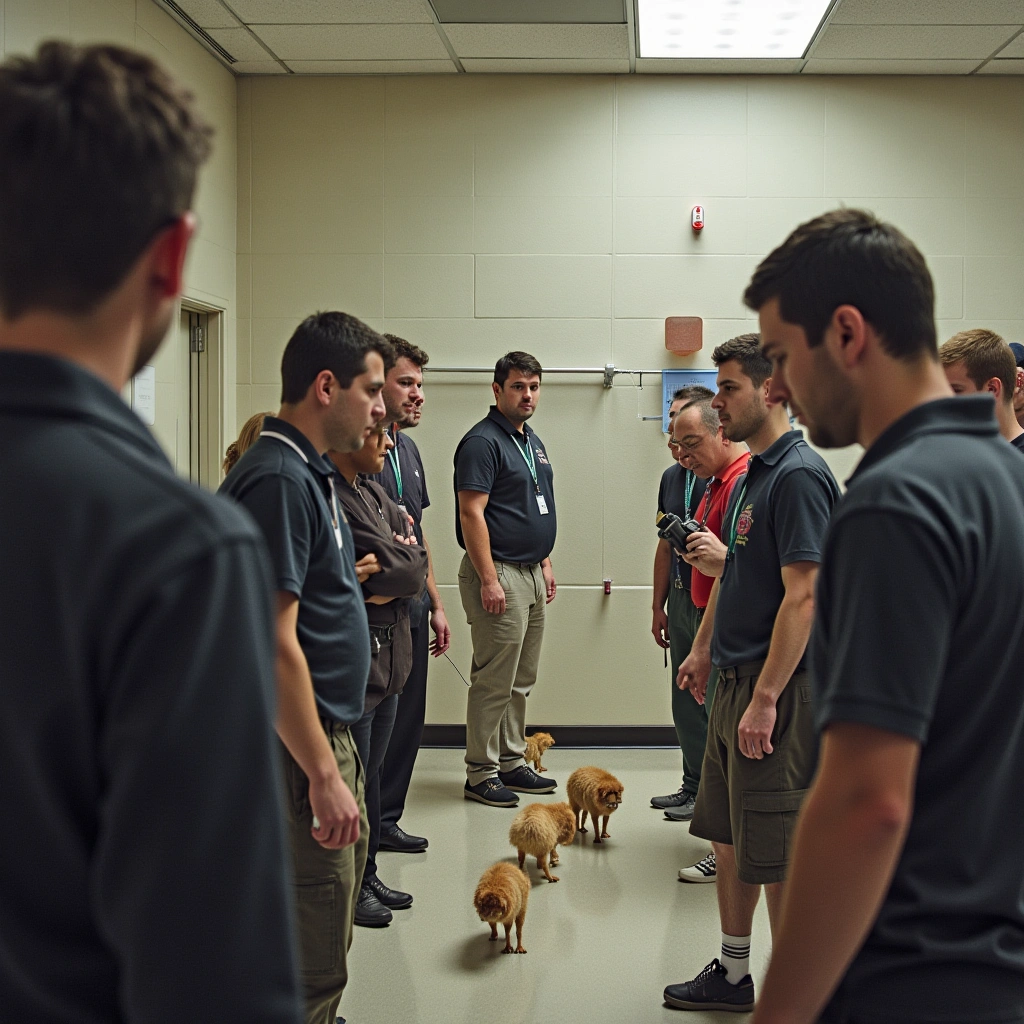
    But here’s the kicker: the audit revealed that these cameras weren’t just watching for crime. Oh no, they were also catching all sorts of random activities that had absolutely nothing to do with public safety. That’s right, folks. In a classic case of ‘let’s overreach our boundaries,’ these cameras were apparently being used for purposes that made even the most casual observer raise an eyebrow. Like, do you really need to know if someone’s cat decided to take a stroll across the road?

    Now, before you go full conspiracy theorist on me, let’s clarify: the misuse wasn’t about catching criminals red-handed. It was more about a lack of clear guidelines on how these cameras should be used. You know, the kind of guidelines that you’d think would be part of the package when you buy surveillance equipment. “Surveillance 101: Don’t be creepy.”

    With this audit in hand, Chandler officials took a long, hard look at the situation and decided it was time to cut ties. I mean, who wants to be the city known for misusing surveillance cameras? That’s a title that doesn’t exactly inspire confidence or safety. “Welcome to Chandler, where your every move is monitored—unless it’s a cat!”

    So, what does this mean for the future of surveillance in Chandler? Well, it seems that the city is now on a quest to find a new partner that can provide similar services without the ethical gray areas. It’s like dating, but for surveillance technology. “I’m sorry, Flock, it’s not you, it’s your inability to follow the rules.”

    In the meantime, residents are left to wonder if their privacy is really safe or if they’ll just end up with a different set of watchful eyes. One thing is for sure: this whole debacle has sparked a conversation about the fine line between safety and surveillance.

    So, let’s raise a glass to Chandler for taking a stand against camera misuse. May we all learn from this experience and remember that surveillance should be about keeping us safe, not about catching our cats in the act of being adorable. Cheers!


    Inspired by: “Chandler drops Flock cameras after misuse audit” (r/technology)

  • August’s Sky Show: Eclipses and the Perseid Meteor Shower

    August’s Sky Show: Eclipses and the Perseid Meteor Shower

    Hey there, star-gazers and celestial enthusiasts! August is shaping up to be quite the month for anyone with a penchant for looking up at the night sky. Not only do we have two eclipses to feast our eyes on, but the Perseid Meteor Shower is also here to sprinkle some shooting stars into our lives. So grab your telescopes, lay out your blankets, and let’s dive into what’s happening up there!

    The best window is the night of August 12–13, especially from late night to before dawn.

    Eclipses Galore!

    First off, let’s talk about those eclipses. Yes, you heard that right—two of them! Now, before you start thinking this is some sort of cosmic overkill, let’s break it down.

    The first eclipse is a partial solar eclipse. This means the moon will be playing peek-a-boo with the sun, covering a part of it while still allowing some rays to shine through. It’s like the moon is saying, “Hey sun, I see you, but I’m feeling a little shy today!” To catch this celestial event, make sure to grab a pair of eclipse glasses. Regular sunglasses won’t cut it unless you want to end up seeing stars, and I don’t mean the good kind.

    The second eclipse is a lunar eclipse, where the Earth gets in the way of the sun’s light hitting the moon. This is where things get really interesting because the moon can take on a reddish hue, often referred to as a “blood moon.” Sounds dramatic, right? It’s the perfect excuse to gather your friends and have a little moon-watching party while pretending you’re all amateur astronomers. Just make sure you don’t accidentally bring a flashlight—nothing ruins a good moon view like an unexpected beam of light!

    The Perseid Meteor Shower

    Now, if eclipses aren’t enough to get you excited, let’s not forget about the Perseid Meteor Shower. This annual event is a true highlight for sky watchers. Originating from the comet Swift-Tuttle, the Perseids are known for their bright meteors, and they can be seen streaking across the sky at a rate of up to 60 meteors per hour during their peak.

    If you’ve ever wanted to make a wish on a shooting star, this is your golden opportunity! Just remember, wishing for world peace is great, but wishing for a million bucks is probably more popular. So, set your ambitions accordingly.

    To get the best view of the meteor shower, find a dark spot away from city lights. Lay back on your blanket, look up, and just chill. It’s the perfect excuse to kick back and relax while pretending you’re not secretly hoping to see that one meteor that will change your life forever. Spoiler alert: it probably won’t, but hey, at least you’ll have a story to tell!

    Final Thoughts

    So there you have it—August is packed with celestial events that are sure to impress. Whether you’re an avid astronomer or just someone who enjoys a good excuse to lay outside at night, you won’t want to miss these opportunities. Just remember to keep your eyes on the sky and your phone in your pocket (unless you’re taking pictures, of course).

    Happy stargazing, folks! May your wishes be as countless as the stars, and may your eclipse glasses be scratch-free. Here’s to a month of cosmic wonders!


    Inspired by: “Don’t Miss: August Brings Two Eclipses and the Perseid Meteor Shower” (r/technology)

  • Motorola Unveils Its New 5G Tablet: Is It Time to Upgrade?

    Motorola Unveils Its New 5G Tablet: Is It Time to Upgrade?

    Hey there, tech enthusiasts and casual scrollers alike! So, guess what? Motorola has officially launched a brand-new 5G tablet, and it’s packing a 12.1-inch 2.5K display. That’s right, folks, 5G isn’t just for your phones anymore; it’s making its way into the world of tablets too! Let’s dive into what this shiny new gadget has to offer and whether it’s worth your hard-earned cash.

    Motorola is launching the new Moto Pad 2026 with an 11-inch display and a 7,020mAh battery. The Moto Pad 2026 is powered by the MediaTek Dimensity 6300 chipset with 8GB of RAM and 128GB of expandable storage.

    First off, let’s talk about that display. A 12.1-inch screen with a 2.5K resolution is nothing to sneeze at. Imagine binge-watching your favorite shows or scrolling through endless TikTok videos (you know you do it) on a screen that’s crisp enough to make you think you’re actually there. It’s like having a mini cinema in your hands—minus the sticky floors and overpriced popcorn, of course.

    Now, let’s get to the juicy part: 5G connectivity. For those who have been living under a rock (or perhaps just enjoying life without constantly checking their phones), 5G promises super-fast internet speeds that make loading videos and downloading apps feel like a breeze. No more waiting around for that one episode to buffer while you contemplate your life choices. With this tablet, you can stream, download, and surf to your heart’s content without the agonizing wait.

    But wait, there’s more! Motorola has been known for its robust build quality, and this tablet is no exception. It’s designed to withstand the daily abuse of life, whether you’re dropping it during a particularly intense gaming session or accidentally spilling your morning coffee on it (oops!). Plus, it’s lightweight enough to carry around without feeling like you’re lugging around a brick.

    Now, let’s talk about the elephant in the room: the price. While Motorola hasn’t officially revealed the price tag, we can expect it to be competitive, especially given that the tablet market is saturated with options. You want something that won’t break the bank but also won’t leave you feeling like you just bought a glorified paperweight. Fingers crossed that Motorola strikes the right balance!

    In conclusion, if you’re in the market for a new tablet and you’re tired of the same old, same old, the new Motorola 5G tablet with its 12.1-inch 2.5K display might just be your next tech obsession. With the promise of lightning-fast internet and a stunning display, it’s hard not to get a little excited. So, keep your eyes peeled for more information on this device, and maybe start saving those pennies—because who knows? This could be the upgrade you didn’t know you needed!

    Until next time, happy tech hunting!


    Inspired by: “Motorola officially launches new 5G tablet with 12.1-inch 2.5K display” (r/technology)

  • Lenovo’s Legion Go BIOS Blunder: What Happened and Why It Matters

    Lenovo’s Legion Go BIOS Blunder: What Happened and Why It Matters

    So, if you’ve been following the tech news lately, you might have heard about Lenovo’s little hiccup with their Legion Go handheld gaming device. Yep, it seems like Lenovo decided to play a game of ‘hot potato’ with their BIOS, and unfortunately, a few handhelds ended up bricked in the process. Let’s dive into this tech fiasco and see what went down.

    Lenovo Legion Go (via VideoCardz). This was because the Redditor's device warranty had recently expired. Lenovo is otherwise still repairing or replacing handhelds free of charge for those whose devices still fall within warranty.

    First off, let’s clarify what a BIOS is for those who might not be in the know. BIOS stands for Basic Input/Output System. It’s basically the gatekeeper of your computer or gaming device, making sure everything runs smoothly before you dive into your favorite game. It’s important. And when something goes awry with it, well, let’s just say things can get messy.

    Now, Lenovo released a BIOS update for their Legion Go, which many users were excited about—because who doesn’t love updates? But this time, it seems that excitement quickly turned into despair as reports began to flood in of users experiencing bricked devices. Yes, you heard that right—bricked. As in, their fancy new handhelds turned into nothing more than expensive paperweights. Talk about a buzzkill!

    In a swift response to the backlash, Lenovo decided to pull the BIOS update. You know, like when you accidentally send a text to your boss that was meant for your best friend? Yeah, it’s that kind of awkward. By removing the update, Lenovo aimed to prevent further damage and give users a chance to salvage their gaming experience. But let’s be real—how many users are now wishing they had just stuck to their good old consoles instead of jumping on the handheld bandwagon?

    The situation has left many users feeling frustrated and betrayed. After all, when you shell out your hard-earned cash for a new gadget, you expect it to work, not to turn into a brick. It’s like ordering a gourmet meal at a fancy restaurant only to be served a bowl of cold spaghetti. Not exactly what you signed up for!

    Lenovo’s mishap has sparked a wider conversation about the importance of thorough testing before releasing updates. It’s a reminder that even big players in the tech industry can trip over their own feet sometimes. The irony? In trying to improve the user experience, they’ve made it a whole lot worse.

    So, what can users do in the meantime? Well, if you’ve been affected by this fiasco, your options may be limited. You could try reaching out to Lenovo’s support team, but let’s be honest—getting through to tech support can feel like navigating a maze blindfolded. Or, you could sit tight and hope for a fix that doesn’t involve a complete overhaul of your device. Fingers crossed!

    In conclusion, Lenovo’s Legion Go BIOS blunder serves as a cautionary tale for tech companies everywhere. Let’s hope they learn from this and ensure that future updates don’t turn into a game of ‘who can brick their device first.’ Until then, keep your handhelds close and your BIOS updates closer. And remember, sometimes it’s better to stick with what you know than to chase the latest shiny gadget. Happy gaming, folks!


    Inspired by: “Lenovo pulls Legion Go BIOS linked to bricked handhelds” (r/technology)

  • The Stealthy Rise of Amazon’s Data Center: A California Mystery

    The Stealthy Rise of Amazon’s Data Center: A California Mystery

    When you think of Amazon, you probably envision your last-minute Prime purchase or that awkward moment when your doorbell rings and you pretend not to see the delivery driver. What you might not picture, however, is a secretive construction project quietly unfolding in a small California town. Yes, you heard that right—Amazon built a data center right under the noses of the locals, and it seems like nobody noticed. Let’s dive into this intriguing tale of stealth and technology.

    The company and Gilroy, Calif., officials spent years quietly negotiating a $2 billion project that few residents knew about until construction began

    The Quiet Construction

    Imagine a small, picturesque town—maybe it’s got a diner that serves the best pancakes, a park where kids play, and a few shops that have probably seen better days. Now, throw in a giant data center that can process more gigabytes than you could ever comprehend. Sounds a bit like a plot twist in a thriller novel, doesn’t it? But that’s exactly what happened in this unsuspecting California locale.

    Amazon, in its quest for world domination (or, you know, just to sell you more stuff online), decided to build a data center to support its ever-growing cloud services. But instead of the usual fanfare or community meetings where people complain about traffic and noise, this project seemed to slip in and out of existence like your New Year’s resolutions.

    How Did They Do It?

    So, how did Amazon pull off this stealthy construction? Well, it seems they took a page out of the book of ninjas—quiet, efficient, and perhaps a little bit sneaky. Local reports suggest that the construction site was well-hidden, with trees and existing structures providing the perfect cover. It’s like they built a Batcave but for data instead of crime-fighting.

    Moreover, Amazon likely utilized some good old-fashioned planning and zoning laws. By working within the regulations and perhaps even flying under the radar (no pun intended), they managed to avoid the kind of uproar that typically accompanies such large-scale projects. After all, nothing gets people riled up like the thought of a new building ruining their view of the sunset.

    Community Reaction

    Now, you might be wondering—what did the locals think when they finally discovered that a data center was sprouting up like a weed in their backyard? Well, the truth is that many folks were probably too busy with their daily lives to notice. Between juggling work, family, and trying to figure out how to assemble IKEA furniture, who has time to keep an eye on construction sites?

    But when word got out, reactions were mixed. Some residents were thrilled, thinking it might bring jobs and boost the local economy. Others, however, were left wondering if they should be concerned about the potential for increased traffic, noise, or—gasp—data breaches. Because nothing says “welcome to the future” quite like the fear of your personal information being sold to the highest bidder.

    The Bigger Picture

    So, what does this all mean for the future? Well, if Amazon can build a data center without anyone noticing, it raises some interesting questions about transparency, community engagement, and the balance between progress and preservation. Are we okay with tech giants quietly setting up shop in our towns, or should we be more vigilant?

    In the end, this little tale of Amazon’s stealthy data center serves as a reminder that while we’re all busy binge-watching shows on Prime Video, the world is changing around us. And sometimes, it’s changing without our knowledge. So, the next time you think about ordering that new gadget, just remember—there might be a data center lurking behind the scenes, processing your order in the most covert way possible.

    Conclusion

    As we continue to navigate this tech-driven world, let’s keep our eyes peeled for the signs of change, even if they come wrapped in a cardboard box with an Amazon label. Who knows what other surprises are waiting for us in our own backyards? Just remember to put down your phone once in a while and look around—because you never know when a data center might spring up right before your eyes.


    Inspired by: “How Amazon Built a Data Center in a California Town Without Anyone Noticing” (r/technology)

  • Silicon Valley’s Data Centers: The Unlikely Lifeline for Rural America

    Silicon Valley’s Data Centers: The Unlikely Lifeline for Rural America

    Ah, rural America—where the grass is green, the air is fresh, and the Wi-Fi is… well, let’s just say it could use some work. But wait! Enter the data centers of Silicon Valley, swooping in like a superhero with a cape made of fiber optics and server racks. These tech behemoths are not just reshaping our digital landscape; they’re also revitalizing small towns that were once on the brink of extinction.

    From Menlo Park to Santa Clara, the region housed data centers supporting some of the biggest names in tech. But in 2025, the narrative is shifting. Developers are increasingly looking beyond the Bay Area to rural and secondary markets.

    Let’s take a moment to appreciate the irony here. Silicon Valley, known for its hustle and bustle, is now extending its tentacles into the sleepy, quiet corners of America. You might picture a data center as a shiny fortress of technology, but in reality, it’s often nestled in a town where the most exciting event of the year is the annual pie-eating contest. These centers are popping up in places that haven’t seen much action since the local diner started offering avocado toast.

    So how did this happen? Well, rural areas are increasingly becoming attractive for data centers due to their affordable land, lower energy costs, and—let’s be honest—an abundance of space. Who wouldn’t want to set up shop in a place where the only traffic jam is caused by a tractor? Plus, many rural communities are eager to welcome these tech giants with open arms—after all, a job is a job, and the last thing anyone wants is to see their town turn into a ghost town.

    The benefits are clear. Local economies are getting a much-needed boost as these data centers bring jobs, tax revenue, and the occasional influx of tech-savvy newcomers who are probably still trying to figure out how to survive without a Starbucks on every corner. And let’s not forget the infrastructure improvements—suddenly, that rickety old road is getting paved, and the local high school might even get a shiny new computer lab.

    But it’s not all sunshine and rainbows. With great power (or, in this case, great data) comes great responsibility. Residents in these small towns are grappling with the changes that come with the tech invasion. Some worry about the influx of outsiders who may not share their small-town values or who may turn their quiet lives upside down. There’s always that one guy who insists on bringing his artisanal kombucha to the local barbecue, and we all know how that goes down.

    Additionally, there’s the environmental impact to consider. Data centers consume a significant amount of energy, which can strain local resources. It’s a bit of a double-edged sword: on one hand, you have economic growth, and on the other, you have the potential for environmental degradation. The debate rages on, much like the argument over whether to add pineapple to pizza.

    In conclusion, Silicon Valley’s data centers are reshaping rural America in ways that are both exciting and challenging. As these tech giants continue to set up camp in small towns, the hope is that they can strike a balance between modernization and maintaining the charm that makes these places special. After all, there’s nothing quite like a small-town sunset—unless it’s being interrupted by the glow of a data center’s LED lights.

    So here’s to the rural towns that are getting a second chance, thanks to the tech boom. May your pie-eating contests become legendary, your roads become smoother, and your Wi-Fi become faster. And remember, if you ever find yourself in a small town with a data center, maybe don’t ask the locals about their thoughts on kombucha.


    Inspired by: “‘We were a dying little town’: How Silicon Valley data centers are reshaping rural America” (r/technology)

  • The Future of Bacteriophages: How Genome Language Models Are Changing the Game

    The Future of Bacteriophages: How Genome Language Models Are Changing the Game

    Have you ever heard about bacteriophages? No, they’re not some new alien species or the latest trend in TikTok dances, but rather our microscopic allies in the battle against bacteria. These little guys are viruses that specifically target bacteria, and they’re gaining traction in the world of medicine and biotechnology. Now, thanks to some clever minds, we’re using generative design and genome language models to take bacteriophage research to the next level. Let’s dive into this fascinating topic, shall we?

    A cocktail of the generated bacteriophages rapidly overcame bacteria that had evolved resistance to a natural bacteriophage. This work lays a foundation for AI-guided design of biological function at the whole-genome scale.

    First things first, let’s break down what a bacteriophage is. Imagine a tiny spaceship that zooms around, only to crash into bacteria, inject its genetic material, and then hijack the bacterial machinery to make copies of itself. Sounds a bit like a sci-fi horror movie, doesn’t it? But in reality, these viruses are incredibly useful, especially as we face the growing problem of antibiotic resistance. Instead of throwing antibiotics at bacterial infections like a kid at a piñata, we can use bacteriophages to target and eliminate specific bacteria without harming our good bacteria friends.

    Now, onto the fancy part—generative design and genome language models. You might be thinking, “What in the world is that?” Well, let’s break it down. Generative design is a process that uses algorithms to create designs based on specific parameters. Think of it as an artist who only paints with certain colors and styles but can still produce a masterpiece every time. In the context of bacteriophages, scientists can use generative design to create new phages that are optimized for targeting specific bacteria. It’s like customizing your own superhero to take down the villains of the microbial world.

    Then we have genome language models, which sounds like something straight out of a tech conference. These models analyze and predict genetic sequences, similar to how language models like GPT-3 can generate human-like text. By training on massive amounts of genetic data, these models can help researchers understand how bacteriophages interact with bacteria at a molecular level. It’s like having a super-intelligent assistant that can read the entire genetic library of bacteriophages and tell you which ones are best suited for a particular bacterial foe.

    So, what happens when you combine generative design with genome language models? You get a powerhouse duo that can revolutionize how we approach bacteriophage therapy. Imagine being able to design a phage that specifically targets antibiotic-resistant bacteria with pinpoint accuracy. It’s like being a mad scientist but with a PhD and a solid plan. Researchers can create phages that are not only effective but also safe for use in humans, potentially paving the way for new treatments for infections that were once deemed untreatable.

    But before you start picturing a world where we all have personalized bacteriophage treatments, let’s temper our enthusiasm with a dose of reality. While this technology is incredibly promising, we’re still in the early stages. There are ethical considerations, regulatory hurdles, and the ever-present challenge of ensuring that these engineered phages don’t cause unintended consequences. We wouldn’t want our custom-designed phages to accidentally turn into the next viral villain, now would we?

    In conclusion, the generative design of bacteriophages using genome language models is a thrilling frontier in microbiology. It’s a blend of cutting-edge technology and scientific innovation that could change the way we treat bacterial infections. So, the next time you hear someone mention bacteriophages, you can nod knowingly and maybe even throw in a joke about how they’re the real superheroes of the microbial world. Who knew that science could be so cool, right?

    Now, if only they could figure out a way to make broccoli taste like chocolate, we’d really be onto something!


    Inspired by: “Generative design of bacteriophages with genome language models” (r/technology)

  • The Alarming Rise of Explicit Deepfakes: A Wake-Up Call for Parents and Kids

    The Alarming Rise of Explicit Deepfakes: A Wake-Up Call for Parents and Kids

    In a world where technology is evolving faster than a toddler on a sugar high, it’s not surprising that we’re facing some pretty serious issues. One of the latest concerns? A rising number of children in the UK reporting that they’ve encountered explicit deepfakes of themselves. Yes, you heard that right—children are finding manipulated images and videos that depict them in compromising situations, and it’s raising a lot of eyebrows (and blood pressures).

    Children in the UK have reported a surge in explicit deepfake images featuring their likenesses, as a safety watchdog warned AI is making such content easier to produce.

    So, what exactly is a deepfake? Well, it’s essentially a form of artificial intelligence that can swap faces in videos or create hyper-realistic images. Think of it as the tech world’s version of a magician pulling a rabbit out of a hat—except the rabbit might be wearing a party hat and doing something it definitely shouldn’t be doing. And while deepfakes can be used for harmless fun (like making your friend sing “Baby Shark” with the face of a celebrity), they can also be weaponized in terrifying ways.

    Recent reports indicate that more kids are stumbling upon these explicit deepfakes, and it’s not just a minor inconvenience like finding a rogue sock in the laundry. We’re talking about serious implications for their mental health and safety. The fact that children are being targeted in this way is alarming. It’s like someone took the internet’s worst impulses and decided to turn them into a reality show that no one asked for.

    Parents, it’s time to put down that cup of coffee and listen up. If you thought the biggest challenge was getting your child to stop scrolling through TikTok, think again. You might want to have a chat about online safety that goes beyond just “don’t talk to strangers.” This includes discussing the potential dangers of deepfakes and how to handle them if they come across one.

    “But my child is too young to deal with this,” you might say. Well, newsflash: Kids are more tech-savvy than ever before. They’re like tiny wizards in the digital realm, and they’re likely to encounter things we’d rather they didn’t. So, the earlier you start talking about these issues, the better prepared they will be.

    It’s not just a problem for parents, though. Schools and policymakers need to step up, too. Educating children about digital literacy—what’s real and what’s not—should be as fundamental as teaching them how to read. After all, if they can’t distinguish between a genuine photo and a deepfake, they might end up believing that their classmate is actually a talking cat. And while that sounds cute, it’s not exactly the kind of education we want to promote.

    In conclusion, the rise of explicit deepfakes involving children is a significant issue that requires a collective response from parents, educators, and society as a whole. It’s time we all put on our thinking caps and figure out how to navigate this tricky digital landscape. After all, if we don’t address these challenges now, who knows what our kids will be facing in the future? Spoiler alert: It’s probably not going to be a delightful surprise party.


    Inspired by: “Rising number of UK children report seeing explicit deepfakes of themselves” (r/technology)

  • The Hidden Dangers of Period Trackers: Your Privacy at Stake

    The Hidden Dangers of Period Trackers: Your Privacy at Stake

    Ah, period trackers. Those handy little apps that promise to help you manage your menstrual cycle, track your mood swings, and even predict your next chocolate cravings. But before you hit that download button, let’s talk about something that might not be as sweet as a piece of dark chocolate: your privacy.

    "There are real and frightening privacy and safety risks to women as a result of the commodification of the data collected by cycle tracking app companies."

    In a world where data is the new oil, it seems that even our most private details are up for grabs. You might be thinking, “What could be so private about my period?” Well, my friend, let’s dig into this juicy topic—pun intended.

    What Exactly Are Period Trackers?

    Period trackers are applications designed to help users monitor their menstrual cycles. They can keep tabs on everything from cycle length and symptoms to mood changes. Some even offer predictions about ovulation and fertility windows. Sounds helpful, right? But here’s the catch: many of these apps collect personal data that can be shared with third parties.

    The Data Dilemma

    When you download a period tracker, you’re often required to hand over more than just your cycle information. You might be sharing your location, health data, and even personal identifiers. This data can be incredibly valuable to companies looking to target specific demographics. And let’s face it, who wouldn’t want to know the menstrual habits of women in their late twenties living in urban areas? (Yes, that was sarcasm.)

    Who’s Watching?

    You might be surprised to learn that some period tracker apps have been found to share data with advertisers and marketers without your explicit consent. This means your most private details could end up in the hands of companies that are more interested in selling you products than in your well-being. So, that comforting little app you thought was your best friend could actually be your nosy neighbor peering over the fence.

    What Can You Do?

    Fear not! You don’t have to give up on tracking your period altogether. Here are some tips to keep your data safe:

    1. Read the Privacy Policy: Yes, it’s long and dull, but it’s crucial. Look for how your data is being used and whether it’s shared with third parties.

    2. Choose Apps Wisely: Some apps are designed with privacy in mind. Do your research and find options that prioritize user confidentiality.

    3. Limit Permissions: Only give apps the permissions they absolutely need. If an app asks for your location and you’re just trying to track your period, maybe reconsider.

    4. Consider Alternatives: Old-fashioned pen and paper might not be as convenient, but hey, at least no one can hack your diary!

    Conclusion

    In the age of information, it’s essential to stay informed about how your data is used. Period trackers can be incredibly useful tools, but they also come with a hefty dose of risk. So, the next time you’re tempted to download that shiny new app, just remember: your privacy is worth protecting, even if it means missing out on the latest cycle predictions. After all, who needs to know their ovulation window when they can keep their secrets just a little bit safer?


    Inspired by: “How period trackers share your private details” (r/technology)

  • Demis Hassabis Steps Down as CEO of Google DeepMind: A New Era for AGI?

    Demis Hassabis Steps Down as CEO of Google DeepMind: A New Era for AGI?

    In a move that has sent shockwaves through the tech world, Demis Hassabis has announced his resignation as CEO of Google DeepMind. Now, before you start imagining him lounging on a beach somewhere sipping piña coladas, let’s clarify: he’s not retiring to a life of leisure. Instead, he’s stepping into a new role focused specifically on the development of Artificial General Intelligence (AGI).

    Demis Hassabis is leaving his role as CEO of Google DeepMind to be the unit's chairman.

    For those who might be wondering, AGI is essentially the holy grail of artificial intelligence—think of it as the AI that can do everything a human can do and then some. It’s like the Swiss Army knife of intelligence, except instead of corkscrews and scissors, it’s packed with the ability to reason, solve problems, and maybe even write a bestselling novel or two.

    Hassabis co-founded DeepMind in 2010, and since then, the company has been at the forefront of AI research and development. You might know them for creating AlphaGo, the program that defeated the world champion Go player—a feat that was so impressive, it nearly broke the internet. But let’s be real, it also freaked a lot of people out. I mean, when a computer beats a human at a game that’s been around for thousands of years, it’s hard not to feel a little uneasy.

    His departure comes at a time when Google DeepMind is making significant strides in various fields, including healthcare and gaming. So, what gives? Is Hassabis just feeling the itch to get back to the drawing board? Or is he looking to lead a team that will eventually create the next great AI overlord?

    While the details of his new role remain somewhat under wraps, it’s clear that Hassabis is passionate about pushing the boundaries of what AI can achieve. He has always emphasized the importance of safety and ethics in AI development, so let’s hope he doesn’t go rogue and create a super-intelligent being that decides it would rather binge-watch reality TV than help humanity.

    With this transition, there are a lot of questions swirling around. Will Hassabis still have a hand in guiding the direction of Google DeepMind? Will he be able to keep his sanity while working on AGI, or will he succumb to the pressure of trying to create something that could outsmart humanity?

    One thing is for sure: the tech industry will be watching closely. If Hassabis can pull off AGI, he’ll go down in history as the genius who unlocked the next level of intelligence. If not, well, at least he’ll have a great story to tell at dinner parties.

    So, what do you think? Is this a bold move towards a brighter future, or are we all just one step closer to the machines taking over? Either way, we’ll be keeping an eye on Demis Hassabis and his journey into the depths of AGI development. Buckle up, folks; it’s going to be a wild ride!


    Inspired by: “Demis Hassabis quits as Google DeepMind CEO for AGI role” (r/technology)