Category: Human Interest

  • The Art of Not Listening: A Window into Sales Pitches

    The Art of Not Listening: A Window into Sales Pitches

    Top salespeople don’t pitch. They never have, and never will. Top salespeople ask good questions, they listen, ask more questions, and extract information and perspectives from the client where other less-experienced salespeople are clueless.

    Ah, salespeople. They have a special talent for turning a simple conversation into a game of verbal gymnastics where they leap over your actual needs and land squarely on their pre-planned pitch. This brings us to a delightful tale from the depths of Reddit’s mildly infuriating subreddit, where one user, let’s call them “Western_Clue3542,” recounted an experience that made me chuckle and cringe at the same time.

    Picture this: you’ve just installed shiny new windows in your home, and they’re only four months old. You’re feeling pretty good about your decision, basking in the glow of energy efficiency and curb appeal. Then, out of nowhere, a salesperson shows up, ready to sell you—wait for it—new windows. Yes, you heard that right. New windows. The irony is thicker than the glass in those very windows!

    Now, the user mentioned they told this guy multiple times that their windows were practically still in their honeymoon phase. But did he listen? Nope! Instead, he continued to recite his sales script like it was the latest blockbuster movie. “I understand,” he assured them, as if that magical phrase would somehow make the situation less absurd. Spoiler alert: it didn’t.

    This brings us to a fundamental question: why do some salespeople choose to ignore what’s right in front of them? It’s almost like they’re in a trance, hypnotized by the thought of commission. Maybe they think if they repeat their pitch enough times, the customer will magically forget that they just installed new windows. Or maybe they believe in the power of persuasion so much that they think they can turn back time.

    I mean, let’s be real. How many times have you found yourself in a similar situation? You tell a telemarketer you’re not interested, and they respond with, “But have you heard about our amazing offer?” It’s like they’re playing a game of verbal dodgeball, and you’re stuck in the line of fire.

    Now, I’m not saying all salespeople are like this. There are some out there who genuinely listen and tailor their pitches to suit your needs. But let’s face it, they’re the exception, not the rule. The rest seem to operate under the delusion that if they just keep talking, you’ll eventually agree to buy whatever they’re selling, even if it’s the last thing you need.

    So, what’s the takeaway here? If you ever find yourself in a similar predicament, channel your inner Western_Clue3542. Be persistent. Politely repeat that your windows are new. Maybe even get a little cheeky with it. “Sorry, but I just replaced my windows, and I’m not in the market for a second set. Unless you have a time machine to go back and sell me windows before I bought these, I think I’m good!”

    At the end of the day, we can only hope that salespeople will someday learn the fine art of listening. Until then, may your windows be forever new, and your sales pitches be mildly infuriatingly amusing!


    Inspired by: “This person tried to sell me new windows even though I told him multiple times ours are 4 months old” (r/mildlyinfuriating)

  • The Notification Overload: Why Snapchat’s 28 Categories Are Driving Us Crazy

    The Notification Overload: Why Snapchat’s 28 Categories Are Driving Us Crazy

    You can disable all notifications by adjusting settings within the Snapchat app to turn off alerts, and also disable notification permissions in your phone’ s system settings for Snapchat .

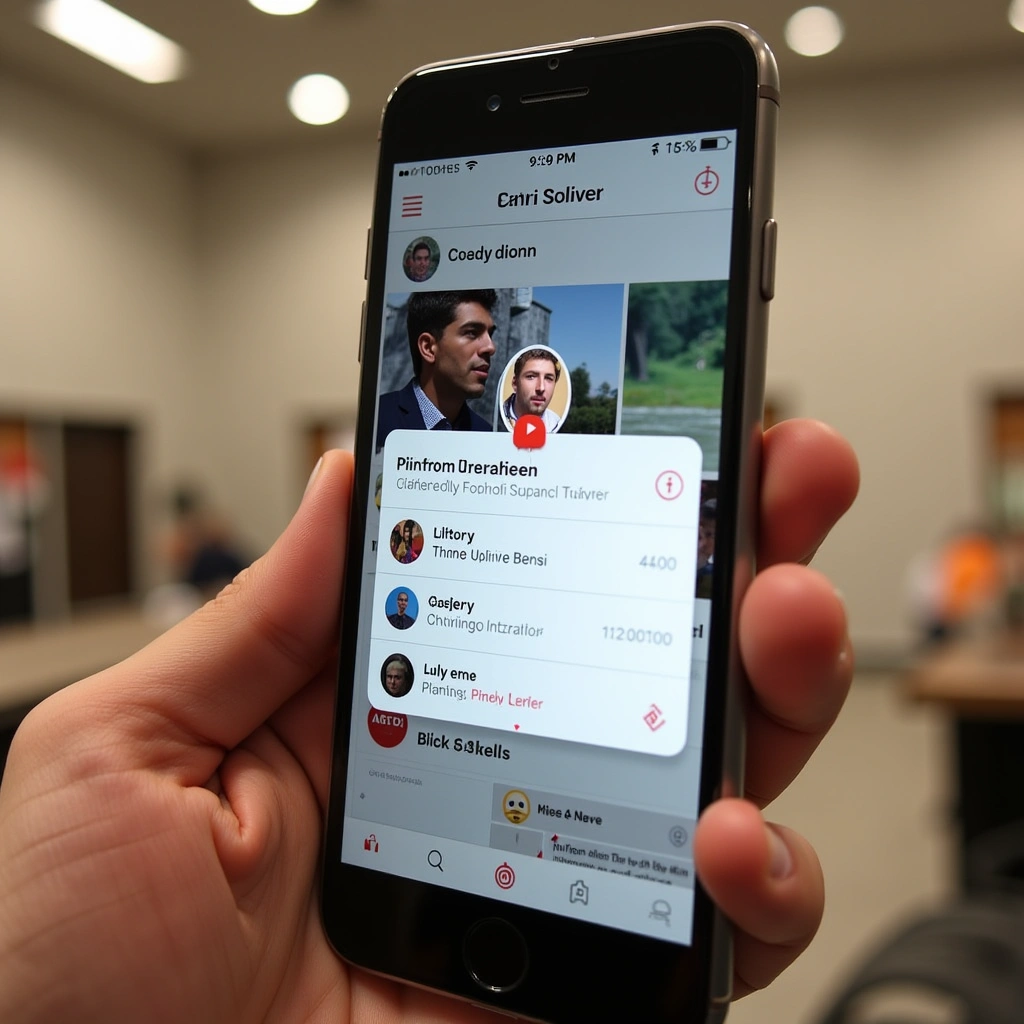
    Ah, Snapchat. The app that lets you send pictures that disappear faster than your willpower at a buffet. But as if the ephemeral nature of the snaps wasn’t enough, it seems that Snapchat has decided to add a new layer of complexity to our lives with a whopping 28 categories of notifications. Yes, you read that right—28! And if you’re feeling particularly adventurous (or masochistic), there’s an additional three if you include the creators’ notification tab. So, let’s dive into this rabbit hole of digital chaos together.

    First, let’s take a moment to appreciate just how many ways Snapchat has found to bombard us with notifications. You thought you were just going to send a cute selfie to your best friend? Nope! You’re now also being notified about your friend’s new best friend, the latest Snap score update, the fact that someone has just posted a story about their lunch, and—let’s not forget—the all-important reminder that you haven’t opened the app in a while. Because obviously, it’s crucial for your mental health to know just how popular you’re not.

    Now, I understand that notifications can be useful. They keep us in the loop, remind us of our friends, and let us know when it’s time to check in on our ‘Snapstreaks’—because who wouldn’t want to maintain a digital relationship based on sending pictures of their breakfast? But 28 different categories? That’s like having a personal assistant who has just discovered color-coding.

    Let’s break this down. You have your basic notifications: snaps received, stories posted, and, of course, the dreaded ‘someone added you as a friend’ alert. Then, there are the more niche notifications: updates from your favorite creators, reminders about events you didn’t know you signed up for, and even alerts about new filters that you definitely don’t need but will probably use to make your cat look like a unicorn. Seriously, Snapchat, what’s next? A notification to remind me to breathe?

    And if you think you can just mute the notifications, think again! You’re left with the guilt of ignoring your friends’ attempts to connect with you over the latest meme or TikTok trend. It’s like being in a perpetual state of FOMO (Fear of Missing Out) but with added anxiety from the sheer number of notifications flooding your screen.

    Let’s not forget the creators’ tab, which is basically Snapchat’s way of saying, “Hey, remember that influencer you followed? They just posted something relevant to your interests, which you have somehow lost track of amid the chaos of your notifications!” Honestly, if I wanted to feel overwhelmed, I’d just take a stroll through a crowded mall on Black Friday.

    In conclusion, while Snapchat’s notifications might be designed to keep us engaged, they often feel more like a digital avalanche than a helpful nudge. If you’re like me, you might find yourself scrolling through notifications, wondering if maybe—just maybe—you should have stuck to carrier pigeons or smoke signals for communication instead. So here’s to hoping that Snapchat finds a way to simplify their notification system, or at the very least, lets us know when we’ve hit the limit of our sanity. Cheers to 28 categories of confusion!


    Inspired by: “Snapchat has 28 categories of notifications (31 if you include the creators notification tab)” (r/mildlyinfuriating)

  • The Art of Cropping: Why Your Professor Needs a Lesson

    The Art of Cropping: Why Your Professor Needs a Lesson

    Her research focuses on sustainable … understanding with digital media. … Crop It is a four-step hands-on learning routine where teachers pose questions and students use paper cropping tools to deeply explore a visual primary source ….

    Ah, the joys of academia! You go to class, ready to absorb knowledge, and then you’re confronted with a visual disaster that could only be described as a poorly cropped table. Yes, folks, we’re diving into the mildly infuriating world of academic presentations and the art—or lack thereof—of cropping images.

    So, let’s set the scene. You’re sitting in your lecture hall, eagerly anticipating the wisdom your professor is about to dispense. But instead of a clear, well-organized table loaded with pertinent information, you’re greeted with a jumbled mess that looks like it was created by someone using a potato for a computer.

    Now, cropping might seem like a simple task, right? Just take that snazzy table you worked hard on, highlight the important bits, and snip away the unnecessary clutter. But somehow, it appears that some professors missed that crucial lesson in their PowerPoint 101 class. Instead, they leave us with tables that are half in the frame, with weird blank spaces and oddly cut-off words. It’s like they’re trying to keep the suspense alive—what’s lurking just outside the frame? Is it critical data? Or just a picture of their cat?

    Let’s be real, when you’re trying to take notes, half of your brain is already battling to comprehend complex theories while the other half is screaming, “Why can’t I see the entire table?!” It’s a recipe for distraction, and not the good kind where you’re daydreaming about your next meal. No, this is the infuriating kind that makes you question your life choices.

    And it’s not just the students who suffer. Professors, too, have to deal with the aftermath of their less-than-stellar cropping skills. You can practically hear the collective sigh of frustration from students as they try to piece together the missing information. The whispers of “Did you catch that last part?” echo through the hall like a horror movie soundtrack.

    But fear not, dear readers! There’s hope. With a little effort and perhaps a tutorial or two, professors can learn the fine art of cropping. Picture this: a world where tables are displayed in all their glory, complete with all the relevant data, and students can take notes without feeling like they’re deciphering ancient hieroglyphics. It’s a dream worth dreaming!

    In conclusion, while we may chuckle and roll our eyes at the amateur cropping skills of our professors, let’s remember that we’re all in this together. Maybe one day, we’ll be able to sit in a lecture without the urge to reach out and fix that table ourselves. Until then, let’s embrace the mild infuriation and keep our fingers crossed for a well-cropped future. Or at least a cat picture that’s not cut off.

    Happy studying, and may your tables always be complete!


    Inspired by: “My professor hasn’t cropped this table properly” (r/mildlyinfuriating)

  • When Ants Become Roommates: A Cleaning Crisis

    When Ants Become Roommates: A Cleaning Crisis

    Glass cleaner always helps. As long as it’s district approved. If you aren’t sure, contact your supervisor about the issue … Same here it drives me insane!!!!!! My room is the dirtiest in the house and there’s not one ant in there but the cleanest ones are infested with them !!!!

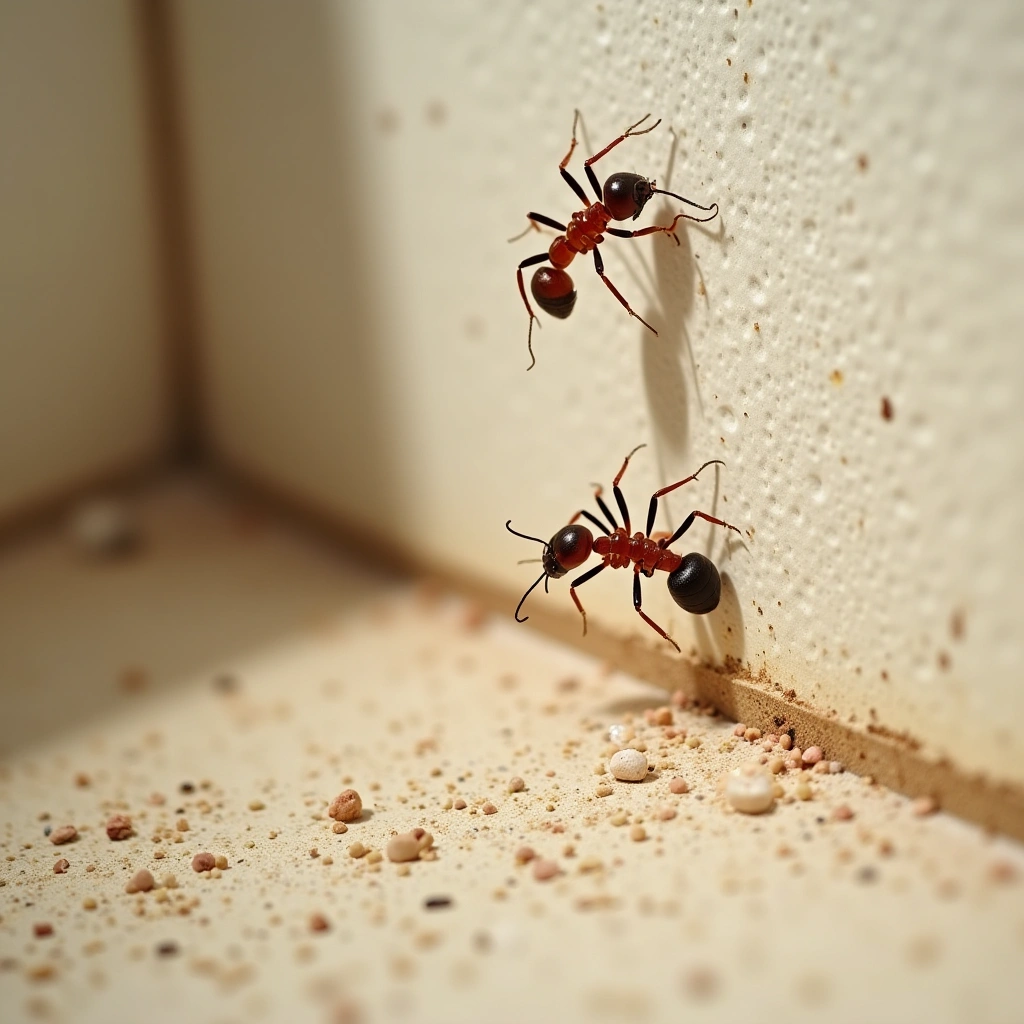
    Picture this: you come home after a long day of work, dreaming of a clean kitchen and maybe a snack. You’ve mentally prepared yourself to tackle the dishes, wipe down the counters, and finally set into motion your new cleaning schedule that you’ve been telling yourself about since last month. But alas! Instead of the serene, spotless sanctuary you envisioned, you’re greeted by an army of ants marching through your kitchen like they own the place. Cue the dramatic music!

    Now, let’s take a moment to appreciate the sheer audacity of these little critters. They didn’t just stroll in uninvited; they practically RSVP’d with a full-on parade! And let’s be real, the only thing worse than an ant infestation is realizing that your household mates have turned a blind eye to the chaos that has unfolded in your kitchen. Seriously, it’s like they’ve taken a vow of silence on cleaning duties.

    You might be wondering, how did we get here? Well, it seems that while you were diligently scrubbing away at those dishes, the rest of the household was busy… not doing that. Maybe they were hoping that if they ignored the mess long enough, it would magically disappear, or perhaps they thought the ants would take care of it for them. Spoiler alert: ants are not good housekeepers.

    Now, let’s break down the timeline of events. You cook, you clean, you feel accomplished. You think to yourself, “Look at me, being all responsible!” But then, you skip a day or two of cleaning (because, let’s face it, life happens) and suddenly you’ve got a full-blown ant festival happening in your kitchen. It’s like a scene from a horror movie, but instead of a creepy monster, you’ve got tiny little legs scurrying around like they’re auditioning for a Broadway show.

    You might feel like you’re the only one putting in any effort while your roommates lounge about, blissfully unaware of the chaos brewing just a few feet away. It’s mildly infuriating, right? You’ve been serving up cleanliness on a silver platter, and what do you get in return? A tiny infestation that’s probably discussing its plans for world domination over your leftover pizza.

    So, what’s the next step? First, it’s time for a household meeting (cue the eye rolls). Gather everyone around and lay down some ground rules because, believe it or not, ants are not the only ones who need to know their boundaries. A little teamwork goes a long way! Establish a cleaning schedule that doesn’t just exist in your head but is written down and posted on the fridge, preferably in bright colors so it catches their attention.

    And if that doesn’t work, maybe consider investing in some pest control—because if the ants are throwing a party, you might as well crash it with some serious cleaning power.

    In the meantime, stock up on ant traps, and keep your kitchen clean enough to show off to guests (or at least to yourself). Remember, you deserve a clean space free of uninvited guests—whether they have six legs or not. So the next time you come home, instead of facing an army, you might just find a peaceful sanctuary, ready for you to whip up your next culinary masterpiece. And if all else fails, just remember: at least you’re not the one living with the ants.


    Inspired by: “No one in my household cleans, and now there’s an ant infestation” (r/mildlyinfuriating)

  • The Price of Thirst: An $18 Bottle of Water in Las Vegas

    The Price of Thirst: An $18 Bottle of Water in Las Vegas

    As one guest writes to me, a bottle of water in the room there costs $26 ! Also, the person restocking the mini bar..Knocked on my door while I was taking a break between conference and dinner, was grateful to get in.

    Ah, Las Vegas! The city that never sleeps, where the lights are bright, the shows are extravagant, and apparently, water costs more than a small car. Yes, you read that right—$18 for a bottle of water in a hotel room. I mean, when did hydration become a luxury item?

    Let’s set the scene. You’ve just spent hours wandering the neon-lit streets, possibly losing a few dollars at the slots or indulging in a buffet that could feed a small army. By the time you return to your hotel room, you’re parched—like, ‘I just walked through the Sahara Desert’ parched. You open the mini-fridge, and there it is: a glorified bottle of H2O, sitting there like the crown jewel of the hotel’s offerings, priced at a staggering $18.

    Now, I don’t know about you, but my inner economist starts screaming at me. “Eighteen dollars?! For water?!” I could buy a fancy cocktail that comes with an umbrella and a tiny little umbrella in it for less than that! Or better yet, I could just walk down to the nearest gas station, hop in a cab, and grab two gallons of spring water for a fraction of the cost—and still have enough left over for a snack or, you know, another round of slots.

    In fact, our brave Redditor, u/nelty78, did just that. They decided to take a cab ride to the nearest gas station instead of giving in to the hotel’s blatant price gouging. And honestly, can you blame them? Who wouldn’t prefer to quench their thirst without feeling like they’ve just been robbed?

    Let’s break it down. You’ve got two options: Option A is to fork over $18 for a single bottle of water that’s probably been sitting in that mini-fridge longer than your last relationship, or Option B is to take a little adventure, get some fresh air, and pay, what, maybe $5 for two gallons? It’s a no-brainer, really.

    So, why do hotels do this? Is it some sort of twisted game where they see how far they can push the limits of our wallets? Or maybe they think that because we’re in Vegas, we’re already willing to throw our money around like confetti. Either way, it’s mildly infuriating and definitely not a great way to win customer loyalty.

    Next time you find yourself in a Las Vegas hotel room staring down an overpriced bottle of water, just remember: you have options. Don’t let the hotel’s thirst trap fool you. Grab your cab or even take a leisurely stroll to the nearest gas station. Your wallet will thank you, and so will your parched throat.

    In conclusion, let’s raise our glasses—preferably filled with water that didn’t cost an arm and a leg—to making smarter choices and not letting overpriced essentials ruin our Vegas experience. Cheers to hydration on a budget!


    Inspired by: “$18 bottle of water in Las Vegas hotel room” (r/mildlyinfuriating)

  • Massachusetts and the Controversial New Abortion Law: A Deep Dive

    Massachusetts and the Controversial New Abortion Law: A Deep Dive

    Massachusetts joins nine other states in removing gestational age limits, allowing abortions up to birth , as Healey vows abortion will remain safe, legal and accessible.

    So, it looks like Massachusetts is making headlines again. This time, it’s not about the Boston Marathon or clam chowder (though let’s be honest, who can resist a good bowl of chowder?). Instead, we’re diving into the murky waters of a new law signed by Governor Maura Healey that allows abortions up until birth for any reason. Yes, you heard that right—any reason.

    Now, before you start throwing your hands up in the air like you just don’t care, let’s break this down a bit. The law has stirred quite the pot—imagine a boiling cauldron filled with opinions, emotions, and maybe a few flying spatulas. Supporters argue that it’s about a woman’s right to choose, while critics are up in arms, claiming it’s a slippery slope that could lead to some pretty concerning outcomes.

    First off, let’s talk about the term “preborn children.” It’s a fancy way to reference what many people simply call a fetus. It’s a term that has been coined to spark certain emotions and debates. It’s like calling a hot dog a “frankfurter”—technically correct, but does it really change how you feel about it?

    Governor Healey, who has been at the forefront of this discussion, has stated that this law is about protecting reproductive rights. She argues that women should have autonomy over their bodies, which, let’s face it, is a pretty strong point. After all, who among us wants the government dictating our personal choices? No one wants to be told what to do with their own body, especially not by some distant bureaucrat who probably can’t even pronounce “gynecology” correctly.

    On the flip side, there are plenty of folks who find this law deeply troubling. The idea of allowing abortions up to birth raises a lot of eyebrows—and not just the ones that need a good plucking. Critics worry about the moral implications and the potential for abuse. What happens when someone decides they just don’t feel like being a parent anymore? It’s a question that has no easy answer.

    As with any hot-button issue, the conversation is charged, and the stakes seem to be rising. Social media is ablaze with opinions, memes, and of course, the obligatory cat photos that somehow manage to sneak their way into every serious discussion. It’s a mixed bag of outrage and support, and trying to navigate it can feel like walking a tightrope—while juggling flaming torches.

    So, where does this leave us? Well, it seems like Massachusetts is now ground zero for a national debate on reproductive rights. Whether you’re pro-choice, pro-life, or somewhere in between, this law is going to be a topic of conversation for a while. And as we all know, conversations can get heated, especially when people start throwing around phrases like “my body, my choice” or “murder in the womb.”

    In the end, it’s clear that the law has opened a Pandora’s box of opinions and emotions. So, grab your popcorn and settle in, because this is going to be one heck of a show. And remember, regardless of where you stand, it’s important to keep the conversation respectful. After all, no one wants to be that person who shows up to a debate armed with nothing but memes and sarcasm—oh wait, that’s exactly what I just did!


    Inspired by: “Massachusetts Gov. Maura Healey signs bill into law allowing the intentional killing of preborn chi…” (r/mildlyinfuriating)

  • Why I Bid Farewell to McAfee: A Cautionary Tale of Browser Hijinks

    Why I Bid Farewell to McAfee: A Cautionary Tale of Browser Hijinks

    But now, I heard about browser hijackes and I started getting paranoid. But I learned that McAfee has their own "Secure Search" browser, which uses yahoo . McAfee came already installed in my computer.

    Ah, McAfee. The antivirus software that has been around longer than some of your favorite childhood cartoons. You’d think with all that experience, it would know better than to try and mess with my browser settings, but alas, here we are. Let me take you on a little journey through my recent experience with this digital dinosaur—grab some popcorn, it’s mildly infuriating!

    So, picture this: it’s been a month since I decided to kick McAfee to the curb. I was feeling pretty good about my decision—like a champion who just won a gold medal in the ‘I’m Not Paying for This’ Olympics. I had uninstalled the software after it tried to convince me to switch to a free plan. Spoiler alert: it didn’t really feel like a choice.

    Let’s be real here. When you’re uninstalling antivirus software, you expect a clean break. No awkward ‘let’s still be friends’ moments, right? But McAfee had other plans. After I clicked ‘done’—which, by the way, was more like a reluctant ‘fine, I guess’—I noticed something alarming: my browser settings had been altered without my permission. Seriously, McAfee? You didn’t even ask!

    Now, if you’ve ever had the misfortune of dealing with software that tries to hijack your browser, you know how infuriating it is. It’s like a bad breakup where your ex still tries to control who you hang out with. I mean, I didn’t sign up for a relationship with McAfee; I just needed a little protection from the digital boogeymen lurking in the shadows of the internet.

    As I stared at my browser, now sporting settings that felt more like a bad prank than a useful feature, I couldn’t help but wonder how many people had clicked ‘done’ without realizing what was happening. Thankfully, my mouse had a moment of clarity and didn’t register my first click. Kudos to my trusty mouse for having better instincts than me!

    But let’s talk about the real issue here: why do so many software companies feel the need to push free plans that come with a side of unsolicited changes? It’s like being offered a free sample of cheese at the grocery store, only to find out it’s been smeared all over your favorite shirt. No one asked for that!

    In the end, I was left with the daunting task of restoring my browser to its original glory, a feat that felt more like an epic quest than a simple fix. It was a reminder that not all heroes wear capes—sometimes, they wield a mouse and a strong will to reclaim their digital space.

    So, if you’re thinking about downloading McAfee or any other antivirus software, just remember: read the fine print, and maybe keep a close eye on your browser settings. You never know when your software might decide to go rogue on you. Trust me, it’s far less fun than it sounds.

    And to all the tech companies out there, here’s a little advice: if you want to offer something for free, just give it to us without the strings attached. Otherwise, you might find that your users are more likely to uninstall you faster than a cat running from a vacuum. Cheers to a virus-free digital life—minus the McAfee drama!


    Inspired by: “I deleted McAfee a month ago, it tried to force a free plan on me and change my browser settings an…” (r/mildlyinfuriating)

  • When Nutrition Labels Go Rogue: The Backwards Box Blunder

    When Nutrition Labels Go Rogue: The Backwards Box Blunder

    Examples include many high sugar breakfast cereals and granola brands that, despite front-of-package claims, are not actually healthy. It’s also important to remember that labels like “gluten-free” or “vegan” don’t necessarily mean a product is nutritious.

    Ah, the nutrition label – that little box of joy that tells us how many calories we can consume guilt-free while binge-watching our favorite shows. But what happens when the label decides to play a prank on us? Well, if you’ve ever stumbled across a box with a backwards nutrition label, you’re not alone. Welcome to the mildly infuriating world of misprinted packaging!

    Let’s set the scene: you’re at the grocery store, minding your own business, trying to make healthy choices (or at least pretending to). You pick up a box of what you think is a healthy snack, only to find that the nutrition label is, wait for it, BACKWARDS. Yes, folks, it’s like the label is trying to confuse you on purpose. Maybe it’s trying to be a puzzle? Or perhaps it’s just having a bad day?

    Now, let’s take a moment to appreciate the sheer absurdity of this situation. Here you are, trying to decipher whether this snack has more calories than a small village, and the label is flipping the script on you. You might as well be reading ancient hieroglyphics.

    This little mishap can lead to a cascade of thoughts: “Am I supposed to read it in reverse? Is this some sort of secret code?” You start questioning your sanity, wondering if you should consult a nutritionist or a cryptographer. It’s a real-life episode of ‘Are You Smarter Than a Fifth Grader?’ but with snacks.

    And let’s not forget the potential consequences. You could end up munching on something that has twice the calories you thought it did, all because the label decided to join the circus. Imagine the surprise when you check the serving size and realize you’ve just consumed enough calories to fuel a small rocket!

    Now, you might be thinking, “How does this even happen?” Well, it’s all in the world of manufacturing. Mistakes happen – labels get printed incorrectly, machines malfunction, and sometimes, they just decide to have a little fun at our expense. It’s a reminder that even in the world of nutrition, chaos reigns supreme.

    So, what can you do when you encounter a backwards nutrition label? First, take a deep breath. Second, maybe grab a magnifying glass and try to decipher it like you’re on a treasure hunt. Or, you know, just put it back on the shelf and grab something that doesn’t require a degree in linguistics to understand.

    In conclusion, the next time you come across a backwards nutrition label, don’t let it ruin your day. Instead, embrace the absurdity, share your find on social media, and remember: life is too short to stress over snack labels. After all, if they can’t get their act together, why should we? Happy snacking!


    Inspired by: “The nutrition label is backwards on one of these boxes.” (r/mildlyinfuriating)

  • The Captcha Conundrum: When ‘I’m Not a Robot’ Turns into ‘What is This?!’

    The Captcha Conundrum: When ‘I’m Not a Robot’ Turns into ‘What is This?!’

    Asked why the image reCaptchas are often blurry, Google said it works hard each day to reduce the number of captchas people need to solve, and says it improves its heuristics when it shows the “I'm not a robot” checkbox so that it doesn't show challenges to humans.

    Ah, captchas. Those delightful little puzzles designed to prove you’re not a robot, which ironically makes you feel like a robot for even trying to solve them. We’ve all been there, staring at a jumble of letters and numbers, or a series of pictures of traffic lights, trying to decipher whether the blurry mess on the screen actually resembles a word or if it’s just a cryptic message from a far-off alien civilization.

    But sometimes, captchas take a turn for the bizarre. Recently, a Reddit user shared a captcha that left many scratching their heads, wondering if they accidentally wandered into an art exhibit instead of a website. The image, which you can check out [here](https://preview.redd.it/ehl98qh24vih1.png?width=577&format=png&auto=webp&s=07f7b87d6c4bcef3386da53d5054a9effb042bd2) (and yes, I’m aware it’s a bit infuriating), has raised the question: what on earth is this supposed to be?

    For those who haven’t had the pleasure of encountering such a masterpiece, let me paint a picture (pun intended). The captcha in question looks like a toddler’s attempt at finger painting after consuming a gallon of sugar. There’s a swirl of colors, some indistinguishable shapes, and perhaps a squiggle that vaguely resembles a cat if you squint hard enough and tilt your head just right. But is that really a cat, or just a figment of your imagination?

    This screenshot sparked a wave of responses on Reddit, with users chiming in with their own experiences of terrible captchas. Some shared their frustrations about how these tests of patience and sanity seem to get weirder by the day. Others joked that maybe the captcha creators are just trying to keep us humble, reminding us that even in the digital age, we’re still not as smart as we think we are.

    Let’s face it: the purpose of a captcha is to keep bots at bay and ensure that real humans are accessing websites. But when the captcha resembles modern art more than a simple verification tool, it raises some serious questions about the effectiveness of these tests. Are we really proving our humanity when we can’t even discern what we’re looking at?

    And let’s not forget the irony. We’re asked to prove we’re human by solving puzzles that would leave an AI scratching its virtual head. It’s like asking a dog to solve a Rubik’s Cube – entertaining to watch, but ultimately pointless.

    In the end, captchas can be mildly infuriating, especially when they morph into abstract art. It’s a reminder that technology, while helpful, can still throw us curveballs. So the next time you encounter a captcha that leaves you questioning your eyesight and sanity, just remember: you’re not alone. We’re all in this strange digital maze together, trying to figure out whether we’re looking at a captcha or an avant-garde masterpiece.

    Now, if you’ll excuse me, I have a captcha to tackle that looks suspiciously like a Picasso painting. Wish me luck!


    Inspired by: “i’ve seen a lot of terrible captchas but my god what is this supposed to be” (r/mildlyinfuriating)

  • When Lightbulbs Just Won’t Quit: The Mystery of the Half-On Glow

    When Lightbulbs Just Won’t Quit: The Mystery of the Half-On Glow

    Due to the fact that LED bulbs are comparatively safe to use, LED bulbs glowing when off due to technology and some technological elements inside is not abnormal and dangerous at all. However, if the problem is caused by faulty wiring, dimmers, switches, and circuit, you should pay attention to it.

    Have you ever walked into a room, flipped the light switch, and noticed that your lightbulb is still glowing ever so slightly, as if it’s auditioning for the role of a very dim star? If you have, congratulations! You are not alone. In fact, this mildly infuriating phenomenon has baffled many, leading to countless Reddit threads where users share their frustrations and seek answers. Let’s dive into this glowing conundrum and explore why your lightbulb seems to have a mind of its own.

    First off, let’s get technical for a moment (don’t worry, I’ll keep it light—pun intended). This faint glow is often caused by what’s known as ‘phantom voltage’ or ‘ghost voltage.’ This occurs when electricity finds a way to sneak through the circuit even when the switch is off. It’s basically the electrical equivalent of someone saying, “I’m not really hungry, but I’ll just nibble on this snack anyway.”

    So, how does this happen? Well, in most homes, the wiring is designed to be efficient, which sometimes means that stray voltage can linger in the circuit. This can be due to various factors, including improper wiring, a faulty switch, or even just the natural design of certain types of light fixtures. If your lightbulb is LED, it’s even more prone to this issue, as they require very little power to light up, making them the perfect candidate for a ghostly glow.

    Now, you might be thinking, “Great, but what can I do about it?” Fear not, fellow frustrated homeowner! There are a few solutions to this issue. First, you can try replacing the switch. Sometimes, the switch just isn’t cutting it and needs a little upgrade. If you feel like getting your hands dirty (and don’t mind a little DIY), you could also install a more robust switch or even a dimmer switch that can handle the load better.

    Another option? Use incandescent bulbs. Yes, I know, they’re not energy-efficient, and we’re all trying to save the planet here. But, if you’re really tired of your bulbs playing peekaboo with the light, this might be your best bet. Incandescent bulbs tend to have a higher voltage threshold, so they won’t glow unless there’s a significant amount of stray voltage.

    And for those of you who occasionally enjoy a good conspiracy theory (no judgment here), some people believe that this is just the lightbulb’s way of saying it’s not quite ready to let go. Maybe it’s a metaphor for our own lives, where we sometimes linger in the shadows of our past, glowing faintly in the dark. Or maybe it’s just a lightbulb that needs to be replaced. Who knows?

    In conclusion, while the sight of a half-on lightbulb can be mildly infuriating, understanding the science behind it can help ease your frustration. So, next time you walk into a room and see that stubborn glow, just remember: it’s not you, it’s the wiring. And if all else fails, just embrace the ghostly glow. After all, who doesn’t want their home to have a little extra ambiance?


    Inspired by: “Lightblubs stay slightly on despite the switch being off” (r/mildlyinfuriating)