Category: Human Interest

  • Cardboard Boxes: The Unwanted Guests After a Move

    Cardboard Boxes: The Unwanted Guests After a Move

    The best advice is to simply use new moving boxes to avoid any unwanted “guests” inside your new home. New boxes are also consistent in size and allow you to pack and stack with ease.

    Ah, the joys of moving! You pack up your life into a bunch of boxes, haul them to a new place, and then—bam!—you’re left with a mountain of cardboard that seems to multiply overnight. If you’ve recently moved to Australia, like our friend from Reddit, you might be staring at a small cardboard city in your living room, wondering what on earth to do with it.

    First off, let’s talk about the cardboard boxes themselves. They’re like that one friend who crashes at your place after a party and just won’t leave. You know the type: sturdy, reliable, but after a while, you just want them gone. If you’re in the Richmond area, our Redditor has a treasure trove of medium to extra-large boxes available for any fellow movers looking to save a buck or two. Seriously, why buy new boxes when you can just recycle someone else’s?

    But let’s not forget about the dilemma of disposal. If you’re like our Reddit friend and don’t own a car, you might find yourself in a bit of a pickle. Trams are great for getting around, but they don’t exactly have a ‘boxy cargo’ option. So, what’s a box-laden individual to do?

    1. Ask Your Friends: You’d be surprised how many people are happy to take your leftover boxes off your hands. Just make sure you don’t end up with a hoarder situation. You don’t want to be that friend who keeps handing out boxes like they’re candy.

    2. Local Recycling Centers: Many local recycling centers will gladly take your boxes. It’s like giving them a second life, only without the whole reincarnation thing. Just check if they have specific drop-off times or requirements.

    3. Online Marketplaces: Websites like Gumtree or Facebook Marketplace are perfect for unloading your surplus boxes. You can even give them away for free! It’s like giving back to the community, one cardboard box at a time. Just be prepared for the inevitable stream of messages asking if they are still available. Spoiler alert: they will be.

    4. Removal Companies: If you’re feeling particularly lazy (we get it), you can always look for a removal company that offers pick-up services. Just make sure to do your research—some companies might charge an arm and a leg for this service. It’s always good to compare a few options and maybe even throw a few boxes into the deal for good measure.

    5. Community Boards: Check out local community boards or social media groups. You’d be amazed at how many people are looking for free boxes. It’s like a black market for cardboard, only legal and definitely less shady.

    In conclusion, if you find yourself drowning in cardboard, don’t fret! There are plenty of ways to get rid of those pesky boxes without breaking the bank. Whether you donate them to a neighbor or hire a removal company, just remember: cardboard boxes are like bad relationships. They might seem great at first, but eventually, you just want them out of your life. Happy moving, Melbourne!


    Inspired by: “Does anyone need cardboard boxes or know of a removal company?” (r/melbourne)

  • Can Fast Fashion Go Green? A Look at Its Carbon Footprint

    Can Fast Fashion Go Green? A Look at Its Carbon Footprint

    Fast fashion has a massive environmental impact, being the second-biggest consumer of water and responsible for 10% of global CO2 emissions .

    Ah, fast fashion. The beloved enemy of our wallets and our planet. You know the drill: a trendy top one week, and by the next, it’s on the clearance rack, making room for the next round of ‘must-haves’ that will inevitably end up in a landfill. But hold onto your oversized tote bags, folks! A new study suggests that the carbon footprint of fast fashion can actually be reduced across its life cycle. Yes, you heard that right! Cue the confetti!

    Now, before we dive into the nitty-gritty, let’s address the elephant in the room—fast fashion is like that friend who keeps inviting themselves over but never brings snacks. It’s convenient, it’s cheap, and it’s oh-so-tempting, but it comes at a hefty price for the environment. In fact, the fashion industry is responsible for about 10% of global carbon emissions. That’s a lot of carbon! To put it in perspective, that’s more than the emissions from all international flights and maritime shipping combined. Yikes!

    So, what does this new study propose? It suggests that we can cut down the carbon footprint of fast fashion by addressing its entire life cycle—from production to disposal. Think of it as giving your favorite pair of jeans a spa day. It’s all about making it feel good and last longer. The study highlights several key areas where improvements can be made:

    1. Sustainable Materials: Instead of using conventional cotton or polyester, which are as friendly to the environment as a hungry hippo at a salad bar, brands can use more sustainable materials like organic cotton, hemp, or even recycled fabrics. Who knew saving the planet could be so stylish?

    2. Eco-friendly Production Processes: Fast fashion brands can also adopt eco-friendly production methods. This means using less water, reducing energy consumption, and minimizing waste. Basically, it’s about making clothes in a way that doesn’t involve turning the planet into a giant dumpster.

    3. Longevity and Quality: This is where brands can really shine—or, let’s be honest, start to sweat a little. Instead of churning out clothes designed to fall apart after a few wears (looking at you, flimsy seams), they can focus on creating durable pieces that actually last. Imagine a world where your favorite shirt doesn’t become a rag after one wash! Mind-blowing, I know.

    4. Recycling and Circular Fashion: The study also emphasizes the importance of recycling and circular fashion. This means creating a system where clothes are designed to be reused, repaired, or recycled instead of tossed in the trash. Maybe we can finally put that old prom dress to good use instead of letting it gather dust in the attic!

    5. Consumer Awareness: Last but not least, it’s essential for consumers to be aware of the impact of their purchasing decisions. Yes, I know it’s easy to get swept up in a sale, but the next time you see a ‘buy one, get one free’ deal, maybe ask yourself: do I really need two pairs of neon leggings that I’ll wear once? Spoiler: You probably don’t.

    So, while the fast fashion industry has a long way to go, this study shows that there’s hope on the horizon. If brands can commit to making these changes, we might just be able to enjoy our fashion fixes without feeling guilty about it. Who knew saving the planet could also be a fashion statement?

    In conclusion, while fast fashion isn’t going to disappear overnight (and let’s be real, I’m not ready to say goodbye to my favorite $5 t-shirt), we can start making small changes that add up. Remember, it’s not about being perfect; it’s about being better. So, let’s give fast fashion the makeover it desperately needs and strut into a greener future—one sustainable outfit at a time!


    Inspired by: “Fast fashion’s carbon footprint can be reduced across its life cycle, new study suggests” (r/climatechange)

  • From Kapurthala to Lygon Street: Chef Amar Singh’s Journey in Redefining Indian Dining in Australia

    From Kapurthala to Lygon Street: Chef Amar Singh’s Journey in Redefining Indian Dining in Australia

    I began my Indo-Australian food journey at Dhaba At The Mill in Kyneton where I learned all about modern Indian cuisine . After that I worked at a few places, learning to adapt Indian cuisine to local tastes whilst staying true to my roots.

    When you think of Indian cuisine, what comes to mind? Perhaps a spicy curry that leaves your taste buds dancing or a warm naan that practically begs to be dunked in a rich sauce. But if you’re in Australia, particularly Melbourne, you might want to think of Chef Amar Singh, who is shaking things up in the culinary world one plate at a time.

    Originally hailing from Kapurthala, a town in Punjab, India, Chef Amar Singh has brought a sprinkle of his heritage to the bustling streets of Lygon Street, Melbourne’s famed dining precinct. And let me tell you, he’s not just serving up your average butter chicken. Oh no, that would be too easy. Instead, he’s crafting a dining experience that’s as rich and diverse as the culture he represents.

    Now, if you’re wondering what exactly makes Chef Amar’s approach so groundbreaking, let’s dive into it. For starters, he’s not just focused on the food; he’s all about the experience. You see, Amar believes that dining should be an adventure, not just a means to fill your stomach. His restaurants are designed to transport you straight to the heart of India, complete with vibrant decor, warm hospitality, and, of course, a menu that reads like a love letter to Indian cuisine.

    One of the standout features of Amar’s culinary journey is his commitment to authenticity, but with a twist. He’s not afraid to mix traditional recipes with modern techniques and local ingredients. This fusion creates a menu that is not only respectful of its roots but also innovative enough to attract a new generation of food lovers. Think of it as a culinary bridge between the old and the new, where every dish tells a story.

    And let’s talk about those dishes. Amar’s menu includes items like tandoori duck and lamb shank curry, which are sure to make you rethink what you thought you knew about Indian food. Gone are the days of being served the same old chicken tikka masala at every Indian restaurant. Instead, you can expect to be tantalized by unique flavor combinations that you never knew you needed in your life.

    But here’s the kicker: Amar is all about sustainability. He sources his ingredients locally whenever possible, which not only supports Australian farmers but also ensures that the food is fresh and bursting with flavor. It’s like a win-win situation, really. You get to enjoy delicious food, and the planet gets a little love in the process. Who knew being eco-friendly could taste so good?

    Now, you might be thinking, “This all sounds great, but what about the prices?” Fear not, dear reader! Amar understands that fine dining doesn’t always have to come with a fine dining price tag. His goal is to make Indian cuisine accessible to everyone, so you won’t have to sell a kidney just to enjoy a night out. It’s all about enjoying good food without feeling like you need to take out a second mortgage.

    In a city known for its vibrant food scene, Amar’s approach to Indian dining is refreshing. He’s not just serving food; he’s creating a community around it. His restaurants often host events and collaborations with local artists and musicians, turning a meal into an experience that engages all the senses. It’s a place where you can feast, enjoy a drink, and soak in the culture—all in one go.

    So, the next time you find yourself wandering down Lygon Street, do yourself a favor and check out what Chef Amar Singh has to offer. Whether you’re a die-hard fan of Indian food or just someone looking to try something new, you’re bound to leave with a satisfied belly and a smile on your face.

    In the end, Amar Singh isn’t just redefining Indian dining in Australia; he’s making it a delightful journey for everyone involved. And who wouldn’t want to be part of that adventure? Grab a fork and join the ride!


    Inspired by: “From Kapurthala to Lygon Street: How chef Amar Singh is redefining Indian dining in Australia” (r/melbourne)

  • Suing Fossil Fuel Companies Just Became a Walk in the Park (With a Few Bumps)

    Suing Fossil Fuel Companies Just Became a Walk in the Park (With a Few Bumps)

    In response to a growing tide of litigation seeking to hold it at least partly responsible for the climate crisis , oil and gas groups and their networks have accelerated their defenses, fighting with their all-too-familiar playbook of discrediting …

    If you’ve ever felt like throwing a shoe at your nearest fossil fuel company for their role in climate change, you might want to hold off on that for just a moment. It turns out that instead of resorting to footwear as a form of protest, we now have a much more civilized way to hold these companies accountable—by suing them! Yes, you heard that right. A new peer-reviewed study published in Earth’s Future has made it significantly easier to establish that specific companies, like Exxon or Chevron, are directly responsible for climate-related injuries.

    Now, before you start daydreaming about your future courtroom drama where you play the lead role, let’s break this down a bit. The study introduces a methodological framework that allows us to connect the dots between emissions from these corporate giants and the climate catastrophes we’re witnessing. So, if a heatwave scorches your backyard BBQ plans this summer, there could be grounds to point fingers at certain companies. Talk about a hot potato!

    This study is a game-changer because it provides the tools necessary to demonstrate that “emissions from company X cause injury Y.” For those of us who aren’t lawyers (or just trying to avoid becoming one), this means that it’s now possible to trace the impact of emissions to specific climate events. This could include everything from extreme rainfall that ruins your weekend camping trip to those unbearable heatwaves that make you question your life choices while lying on the floor in front of a fan.

    But hold your horses—this isn’t a free pass to sue every fossil fuel company on the planet. The legal system is still a labyrinth of red tape, and you’ll need to gather some serious evidence to back up your claims. Think of it like assembling an Avengers team, but instead of superheroes, you’ve got scientists, environmentalists, and legal experts all working together to take down the villainous fossil fuel companies.

    The implications of this study are massive. It essentially opens the floodgates for more lawsuits against these companies, forcing them to answer for the climate impacts they’ve caused. Imagine a world where oil executives have to sit in a courtroom and explain why their actions led to your town being flooded or your crops drying up. The thought alone is enough to make you chuckle, isn’t it?

    Of course, while this new framework is promising, it’s important to approach it with a sprinkle of realism. Legal battles can be lengthy and expensive, and not every case will end with a satisfying courtroom victory. But at least now, there’s a clearer path to holding these companies accountable, which is more than we could say a few years ago.

    So, what’s the takeaway here? While the shoe-throwing option might still be tempting, we now have a legitimate avenue to challenge fossil fuel companies in a way that could lead to real change. Whether you’re a climate activist, a concerned citizen, or just someone who likes to see justice served, this study gives us hope that we can make those fossil fuel companies sweat a little—figuratively, of course.

    In the end, let’s keep our fingers crossed that this study leads to a wave of legal actions that make a dent in the fossil fuel industry’s influence. Because if there’s one thing we need, it’s less carbon emissions and more accountability. Now, who’s ready to grab their legal pads and start drafting some lawsuits?


    Inspired by: “Mother Jones: It Just Got Way Easier to Sue Fossil Fuel Companies Over Climate Change” (r/climatechange)

  • Welcome to the r/Melbourne Daily Discussion Thread: Your Go-To for All Things Melbourne

    Welcome to the r/Melbourne Daily Discussion Thread: Your Go-To for All Things Melbourne

    Melbourne (/ˈmɛlbərn/ MEL-bərn, locally [ˈmæɫbən] ⓘ) is the capital and most populous city of the Australian state of Victoria and the second-most populous city in Australia. The city’s name generally refers to a 9,993-square-kilometre (3,858 sq mi) area, comprising an urban agglomeration …

    Ah, Melbourne! The city that never sleeps (mostly because it’s too busy sipping coffee and discussing the latest footy match). If you’ve stumbled upon the r/Melbourne subreddit, you’re in for a treat. Every day, locals gather in the daily discussion thread to chat about everything from the best brunch spots to the quirks of our unpredictable weather.

    Now, let’s dive into what makes this daily discussion thread the heartbeat of our beloved city. First off, let’s talk about the elephant in the room: the acknowledgment of the Traditional Owners of the land. It’s not just a checkbox; it’s a heartfelt recognition of the Aboriginal and Torres Strait Islander cultures that have been a part of this land long before we decided to put a coffee shop on every corner. So, hats off to the Elders past and present—thank you for letting us borrow your beautiful backyard.

    Now, if you’re new to the subreddit, you might be wondering, “What’s in it for me?” Well, my friend, the daily discussion thread is like the unofficial community bulletin board where you can ask anything. Got a burning question about the best place to grab a meat pie? Or maybe you want to vent about the tram that just wouldn’t show up? This is the place for you!

    Don’t be shy! New users or those without a history can jump right in. It’s the perfect opportunity to break the ice and find your footing in the Melbourne online community. And if you’re a tourist? Well, welcome! You’re allowed to ask your questions here too. Just remember, we’re not your personal tour guides, so don’t expect us to map out a detailed itinerary of your trip. But we’ll happily point you to some must-see spots (and the best places for brunch, of course).

    Another thing to keep in mind is that research and survey requests are also welcomed in this daily thread. So, if you’re trying to figure out how many Melburnians prefer their coffee flat white over a long black, this is your chance to gather some data. Just make sure to keep it relevant; we’re all here for a good chat, not a pop quiz.

    And let’s not forget the Lifeblood Australia initiative looking for blood donors. If you’re eligible and feeling generous, consider lending a hand. It’s a great way to give back to the community. Plus, you might get a biscuit or two out of it—definitely worth it!

    In conclusion, the r/Melbourne daily discussion thread is your one-stop shop for casual chats, local advice, and the occasional debate about whether pineapple belongs on pizza (it doesn’t, by the way). So, grab your coffee, hop onto Reddit, and join in on the conversation. Whether you’re a lifelong Melburnian or just passing through, there’s always something to talk about. And who knows? You might just make a few new friends along the way. Happy posting!


    Inspired by: “It’s the r/Melbourne daily discussion thread [Saturday 29/08/2026]” (r/melbourne)

  • Voltpost: Charging Up the Future for Drivewayless Electric Vehicle Owners

    Voltpost: Charging Up the Future for Drivewayless Electric Vehicle Owners

    Voltpost is expanding its charger offerings beyond lampposts. Its new ceiling and wall-mounted Level 2 chargers are built with parking garages and lots in mind .

    Let’s face it, we live in a world where owning a car without a driveway can feel like trying to play a game of chess without any pieces. You have the ambition to go electric, but where are you supposed to charge that shiny new EV? Fear not, dear friends, because Voltpost is here to save the day, or at least your battery life.

    So, what’s the deal with Voltpost? This innovative company has decided to tackle the age-old problem of charging electric vehicles (EVs) for those of us who don’t have a personal garage or driveway. Imagine being able to plug in your car without having to park it in your neighbor’s yard or constructing a makeshift charging station in the middle of the street. Sounds like a dream, right?

    Voltpost is set to roll out a solution that allows EV owners to charge their vehicles right from the curb. Yes, you heard that right! No more awkwardly asking your neighbors if you can borrow their outlet or awkwardly maneuvering your car to find the nearest public charging station. This is the kind of technology that makes you want to do a little happy dance.

    Now, I can already hear the skeptics chiming in with their questions. “What if I don’t live in a city?” Well, my friend, even if you’re in a suburban area, this solution could be beneficial. Think about all the times you’ve parked in a public space and wished you could just plug in. With Voltpost, that dream could soon become a reality.

    For those of you living in urban jungles, the benefits are even more pronounced. Cities are notorious for their lack of charging infrastructure. You know, the kind of infrastructure that makes you feel like you’re playing an extreme version of hide and seek every time your battery is running low. Voltpost’s curbside charging stations could help alleviate that stress, making it easier for city dwellers to adopt electric vehicles without the constant worry of being stranded with a dead battery.

    Of course, I can’t help but be a little sarcastic here. Because, let’s be honest, who wouldn’t want to be the proud owner of a cutting-edge EV, only to find themselves parked in front of a charging station that’s always out of order? The struggle is real, folks. But Voltpost aims to change that narrative.

    In addition to convenience, this innovation also supports the broader goal of reducing carbon emissions. The more accessible charging becomes, the more likely people are to switch to electric vehicles. And let’s be real, we could all use a little help in combating climate change. So, if Voltpost can make charging easier, it’s a win-win situation for everyone involved.

    As we wait for Voltpost to roll out their game-changing technology, it’s essential to keep the conversation going about the future of EV charging. We need to advocate for more infrastructure and solutions that cater to all types of electric vehicle owners, not just those with fancy driveways.

    In conclusion, if you’re an EV owner without a driveway, keep your eyes peeled for Voltpost. They just might be the superhero you didn’t know you needed. And to those who are still on the fence about going electric, remember: the future is charging, and it’s about time we all got plugged in.


    Inspired by: “Voltpost Is Making A Charger For People Without A Driveway” (r/climatechange)

  • Winter Is Coming: Europe’s Gas Crisis and the Push for Decarbonization

    Winter Is Coming: Europe’s Gas Crisis and the Push for Decarbonization

    Europe’s gas market faces winter risks as low storage, LNG competition and Middle East disruption put pressure on prices and supply security .

    As winter approaches, Europe is facing a chilling reality: gas stores are running low, and prices could soar past 100 euros. If that doesn’t make you want to switch to a heat pump faster than you can say “fossil fuels,” I don’t know what will.

    Let’s face it, nobody enjoys shivering in their own home because they’re afraid to turn up the heat. The thought of hefty gas bills might even make you consider hibernation—though I’m pretty sure that’s not a viable option for most of us. But here’s the thing: this situation is not just a minor inconvenience; it’s a pivotal moment for Europe to rethink its approach to home heating.

    The source of the problem? A combination of geopolitical tensions, fluctuating supply chains, and, of course, the good ol’ unpredictability of Mother Nature. With gas reserves dwindling, Europe finds itself at a crossroads. On one side, we have the traditional heating methods that have served us well for decades (or centuries, if we’re being honest). On the other, there’s the shiny, new world of heat pumps, which promise to heat our homes without emptying our wallets or depleting our planet’s resources.

    Now, I know what you might be thinking: “Heat pumps? Aren’t those just fancy air conditioners that can also heat?” Well, yes and no. While they do share some similarities with air conditioning units, heat pumps are much more efficient and environmentally friendly. They use electricity to transfer heat from the outside air or ground into your home, making them a much more sustainable option compared to gas heating. Plus, they can help you avoid those dreaded winter gas bills that make you question all your life choices.

    But let’s not sugarcoat it: transitioning to heat pumps is not without its hurdles. Installation costs can be daunting, and not everyone has the luxury of a modern home that can easily accommodate these systems. However, with the looming threat of skyrocketing gas prices, investing in a heat pump might just save you money in the long run. It’s like buying a winter coat—painful at first, but once the snow starts falling, you’ll be grateful you did.

    Moreover, this crisis could be the nudge that Europe needs to accelerate its decarbonization efforts. If anything can motivate a continent to embrace renewable energy, it’s the fear of freezing in the dark. Governments may be forced to offer incentives or subsidies for heat pump installations, making them more accessible to the average homeowner. So, if you’ve been on the fence about making the switch, now might be the time to leap into the world of sustainable heating.

    In the end, while the prospect of high gas prices might be a cause for concern, it also presents an opportunity for change. Who knows? This winter could mark the beginning of a new era in home heating for Europe. And if nothing else, it’s a great conversation starter at holiday parties: “So, how’s your heat pump doing?” Just wait until you see the looks on your friends’ faces.

    So grab your hot cocoa, bundle up, and let’s hope for a winter that’s not only warm but also a little greener. Because if we can tackle the gas crisis with innovation and a dash of humor, we might just come out of this winter with a brighter, more sustainable future.


    Inspired by: “Europe’s gas stores are running low — and prices could top 100 euros this winter” (r/climatechange)

  • The North Sea Oil Fields: A Financial Goldmine or Environmental Disaster?

    The North Sea Oil Fields: A Financial Goldmine or Environmental Disaster?

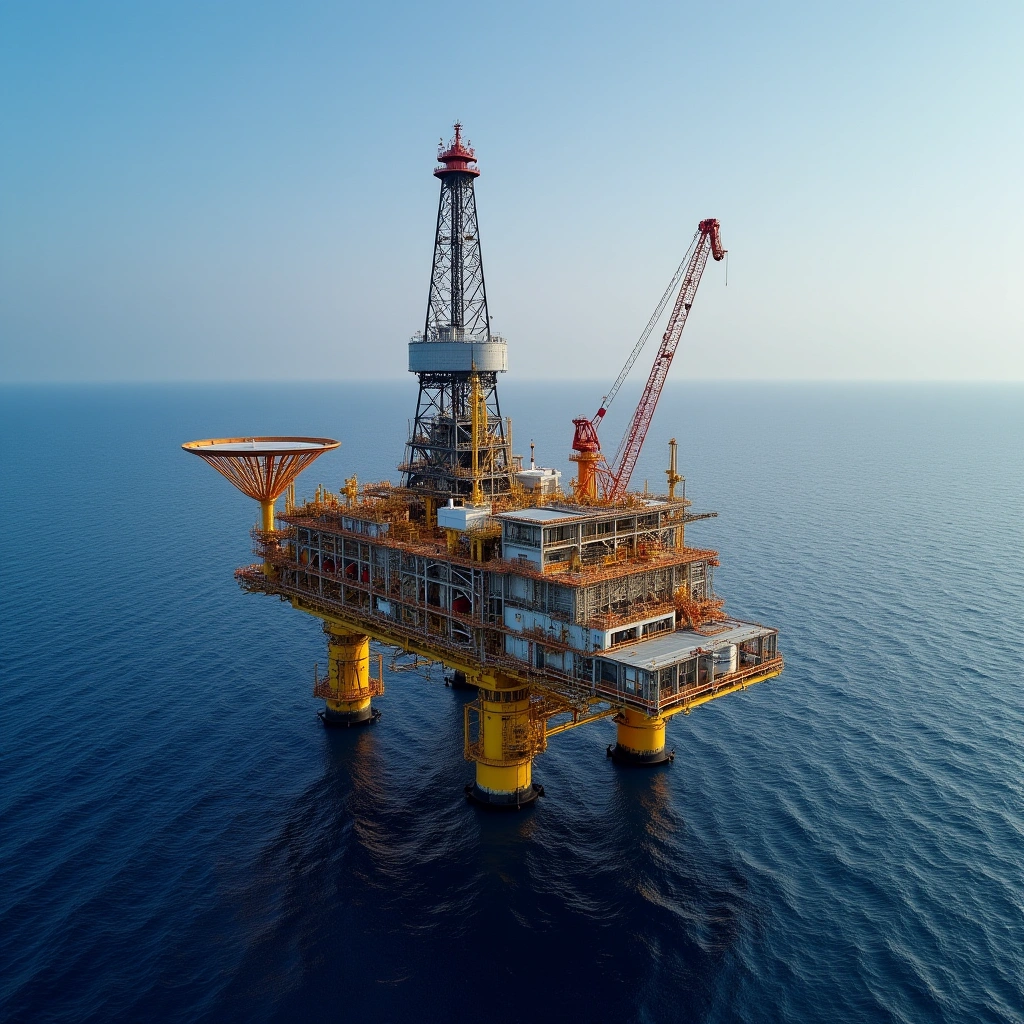
    North Sea oil is a mixture of hydrocarbons, comprising liquid petroleum and natural gas, produced from petroleum reservoirs beneath the North Sea. In the petroleum industry, the term "North Sea" often includes areas such as the Norwegian Sea and the area known as "West of Shetland", "the Atlantic …

    Ah, the North Sea oil fields. The land of opportunity, where the sun shines (well, sometimes), the waves crash, and the oil flows. You might think that tapping into these resources would be the ticket to economic prosperity, but hold your horses! Recent analyses suggest that any potential financial benefits from these new fields might just be obliterated by the climate damage they could cause. Let’s dive into this slippery topic, shall we?

    First off, let’s talk about the numbers. You’d think that with all the advancements in technology, drilling for oil would be a walk in the park. But here’s the kicker: every barrel of oil extracted comes with a hefty price tag in terms of environmental impact. According to the analysis, the emissions tied to extracting and burning this oil could lead to climate damage that far outweighs any economic gains. So, what’s the point of lining the pockets of oil companies if we’re just going to end up with a planet that’s hotter than a sauna in July?

    But wait, there’s more! The report highlights that the economic benefits touted by proponents of new North Sea fields are often based on short-term gains. Sure, there might be a spike in jobs and investments in the initial years, but let’s not forget about the long-term consequences. Rising sea levels, extreme weather events, and the delightful effects of climate change could lead to a whole host of economic issues down the line. You know, like needing to rebuild entire cities that are underwater. Fun times ahead, right?

    And let’s not forget about the lovely little phenomenon known as climate feedback loops. For every bit of oil we extract and burn, we’re not just contributing to climate change; we’re also making it harder to reverse the damage we’ve already done. It’s like trying to put out a fire with gasoline – not exactly the best strategy.

    Now, you might be thinking, “But what about energy independence?” Fair point! Energy security is important, and we all want to avoid being at the mercy of foreign oil. However, investing in renewable energy and sustainable practices might just be the way to go. Imagine a world where we harness the power of the wind, sun, and, dare I say it, waves! Sounds a lot better than watching our coastlines erode and our economies crumble, doesn’t it?

    So, what’s the takeaway here? While the allure of new North Sea oil fields may seem tempting, the reality is that the economic benefits could be nothing more than a mirage in the desert of climate change. Instead of chasing after fossil fuels that will ultimately do more harm than good, perhaps it’s time to shift our focus to sustainable energy solutions. Because let’s face it: a thriving economy and a healthy planet can go hand in hand, but only if we make smart choices now.

    In conclusion, let’s put down the oil rigs and pick up the solar panels. The future is bright (and hopefully not too hot), and it’s up to us to steer it in the right direction. After all, who wants to live in a world where climate damage outweighs economic benefits? Not me! So here’s to a cleaner, greener, and more sustainable future – because that’s the real jackpot we should be aiming for.


    Inspired by: “Climate damage would obliterate any economic benefits of new North Sea fields, analysis shows” (r/climatechange)

  • A Closer Look at Global GHG Emissions: June 2026 Edition

    A Closer Look at Global GHG Emissions: June 2026 Edition

    The Global Energy Review is the International Energy Agency’s annual assessment of global energy supply, demand, technology deployment, and energy-related CO2 emissions for the prior calendar year. It is published each April with a release lag of approximately four months from year-end. For corporate GHG accountants, it is the primary source of country-level grid emission factors used in location-based Scope 2 reporting where no national authoritative source exists. The Global Energy Review 2026 was released 24 April 2026 covering calendar year 2025.

    Ah, June 2026—a month that will be etched in the annals of climate history, right next to the time when we figured out how to make a decent avocado toast. According to the latest figures, global greenhouse gas (GHG) emissions reached a staggering 4.9 billion tonnes of CO2 equivalent. This marks a marginal increase of 0.6% compared to June 2025. Now, I know what you’re thinking: “A rise? In emissions? What a shocking development!” But let’s break this down and see what’s really going on.

    First, let’s take a moment to applaud the countries that managed to reduce their emissions. China, often the heavyweight champion of greenhouse gas emissions, saw a decline of 3.1 million tonnes compared to June 2025. Yes, you heard that right! It seems that they might be taking their environmental responsibilities a tad more seriously. Or maybe they just ran out of coal? Either way, it’s a step in the right direction.

    On the other hand, we have the United States, which managed to cut emissions by 8.7 million tonnes year over year. That’s right, folks! While we’re busy arguing about pineapple on pizza, our emissions are actually going down. It’s like finding out that your favorite band is still together after all these years. A small victory in the grand scheme of things, but a victory nonetheless!

    Now, let’s not forget about the other players in this climate game. India, in a twist that surprises absolutely no one, increased its emissions by a whopping 17.0 million tonnes. That’s like a toddler throwing a tantrum because they didn’t get their way—loud, messy, and frankly, a little exhausting. The EU also decided to join the fun with an increase of 5.7 million tonnes. I guess they were too busy debating how to serve their coffee to focus on the emissions. And Indonesia? Well, they just added 0.6 million tonnes to the mix, which is like that friend who shows up to the party late with a single slice of pizza—nice, but not exactly game-changing.

    So, what does all this mean? Well, it’s a mixed bag of progress and setbacks. On one hand, we have some countries stepping up to the plate and swinging for the fences, while others are still stuck in the dugout, munching on nachos and ignoring the game. The overall increase in global emissions, albeit slight, is a reminder that the fight against climate change is far from over. We can’t just pat ourselves on the back and say, “Well, at least we’re not as bad as last year!” That’s like saying you’re doing well because you only ate half a cake instead of an entire one.

    As we move forward, it’s essential for all nations to step up their game. The planet is not a game of dodgeball where you can just avoid getting hit. We need collective action, innovative solutions, and perhaps a few less excuses. So, let’s keep the conversation going and hold our leaders accountable. Because at the end of the day, we all share this planet, and the last thing we want is to be the generation that left it in worse shape than we found it.

    In conclusion, while June 2026’s emissions report may not sound like a blockbuster, it’s a crucial chapter in our ongoing climate saga. Let’s keep pushing for progress, even if it sometimes feels like we’re climbing uphill in flip-flops. After all, every little bit counts, and who knows? Maybe next year, we’ll be celebrating a real win instead of just a marginal decrease. Cheers to that!


    Inspired by: “Global GHG emissions in June 2026 totaled 4.9 billion tonnes CO2e, a marginal increase of 0.6% vs.…” (r/climatechange)

  • How Communities Are Sweating It Out: Coping with Extreme Heat in the Age of Social Media

    How Communities Are Sweating It Out: Coping with Extreme Heat in the Age of Social Media

    They found that where people live, how they get around and the resources available to them were associated with meaningful differences in how they talked about extreme heat —including whether they described its effects on their lives or discussed …

    As temperatures rise and the sun seems to have taken a liking to setting records rather than sinking below the horizon, communities around the globe are getting creative (and a bit desperate) in their attempts to beat the heat. Thanks to the wonders of social media, we’re seeing firsthand how people are coping with extreme heat, and let me tell you, it’s a mixed bag of ingenuity, community spirit, and perhaps a dash of madness.

    First off, let’s talk about the heat itself. We’re not just talking about a balmy summer day; we’re talking about temperatures that make you question your life choices—like why you ever thought wearing black in July was a good idea. So, how do communities deal with this fiery inferno? Spoiler alert: it’s not all about sipping iced tea in the shade.

    One popular method making the rounds on social media is the good old-fashioned community pool party. If you can’t stand the heat, find a place that’s cooler than your living room! Local pools are seeing a surge in attendance as families flock to take a dip and pretend they’re not sweating like they just ran a marathon. And let’s be honest, nothing says summer like a bunch of kids splashing around while the adults try to look cool, all while secretly wishing for a margarita.

    Then there’s the creative DIY solutions. Some folks have taken to social media to showcase their homemade cooling systems. You might see everything from fans rigged up with ice packs (because who doesn’t love a bit of DIY engineering?) to elaborate shade structures made from old bedsheets and garden furniture. It’s like an episode of MacGyver, but instead of saving the world, you’re just trying to avoid heatstroke.

    And let’s not forget about the food! Social media is overflowing with posts showcasing refreshing recipes that require minimal cooking. Think smoothies, salads, and anything that doesn’t involve turning on the oven and turning your kitchen into a sauna. You’ll find people sharing their favorite no-cook recipes while simultaneously sweating over their phones, because who doesn’t love multitasking?

    Of course, there’s also a fair share of humor floating around. Memes are being shared like candy, poking fun at how we all look like wilted plants by midday. There’s something oddly comforting about seeing your struggles reflected in a meme that says, “Me trying to function in this heat like…” followed by a picture of a melted ice cream cone. It’s the little things that help us cope, right?

    But it’s not all fun and games. Many communities are taking serious action to protect their vulnerable members. Social media is buzzing with initiatives to provide cooling centers for those who can’t afford air conditioning. Local organizations are banding together to ensure that seniors and low-income families have access to cool spaces, hydration, and support.

    In conclusion, while extreme heat is no laughing matter, the ways communities are coming together to cope with it are both heartwarming and hilarious. From pool parties to DIY hacks and a healthy dose of humor, people are finding ways to beat the heat one post at a time. So, as you scroll through your feed and see your friends trying to survive the summer, remember: we’re all in this sweaty boat together. Stay cool, my friends!


    Inspired by: “Social media posts reveal how communities cope with extreme heat” (r/climatechange)