Category: Human Interest

  • Malaysia’s Transport Minister Resigns: The Najib Razak Saga Continues

    Malaysia’s Transport Minister Resigns: The Najib Razak Saga Continues

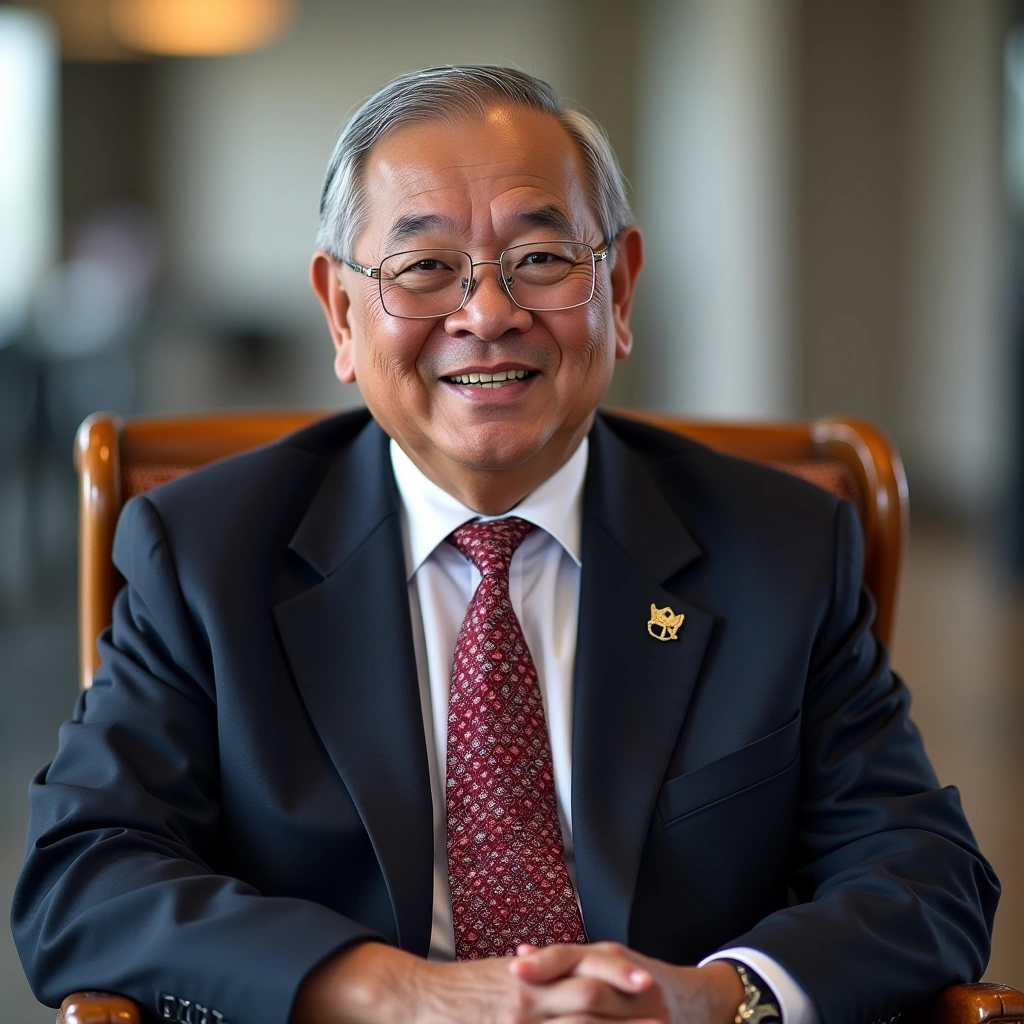
    KUALA LUMPUR: Democratic Action Party (DAP) chief Anthony Loke has announced his resignation as Malaysia’s Transport Minister in protest over the conditional royal pardon granted to jailed former prime minister Najib Razak.

    In a plot twist that could make even the most seasoned soap opera writers raise an eyebrow, Malaysia’s transport minister, Anthony Loke, has decided to resign just a day after the Pardons Board made the controversial call to allow former Prime Minister Najib Razak to serve the rest of his jail sentence at home. Yes, you heard that right—home. Apparently, prison just isn’t what it used to be.

    So, what’s the deal? Loke, who is also the secretary general of the Democratic Action Party (DAP), made the announcement with a tone that was equal parts serious and slightly bewildered. “I have decided to resign as the minister of transport to the prime minister, and this only involves me as minister,” he stated, as if that was supposed to clear everything up. Spoiler alert: it didn’t.

    The backdrop to this resignation is nothing short of dramatic. Najib Razak, who once held the esteemed title of Prime Minister, has been embroiled in a corruption scandal that would make even the most hardened criminals blush. After being convicted and sentenced to prison, the idea of him lounging at home instead of serving time has not gone down well with everyone. The DAP, while respecting the king’s decision to grant Najib a conditional pardon, has clearly taken a stand against it. And you can’t blame them; it’s not every day you see a former leader swap their prison jumpsuit for a cozy pair of pajamas.

    Now, don’t get me wrong—Loke’s resignation isn’t just a dramatic gesture. It’s a clear signal of discontent with the current political climate in Malaysia. The DAP has been vocal about its stance on corruption, and Loke’s move is likely an attempt to maintain some semblance of integrity in a situation that feels like it’s spiraling out of control.

    But let’s take a moment to appreciate the irony here. A transport minister resigning over a former prime minister’s home arrest? It’s almost like a scene from a political thriller where the hero (or in this case, the minister) makes a noble sacrifice in the face of overwhelming odds. Or maybe it’s just a classic case of, “I can’t even with this nonsense.”

    In the aftermath of Loke’s resignation, one can only wonder what’s next for Malaysia’s political landscape. Will this lead to more resignations? Will Najib host a housewarming party for his new digs? (I mean, that could be awkward, right?) Whatever happens next, one thing is for sure: the drama is far from over.

    So, buckle up, folks. With politics like this, it’s hard to predict what will happen next. Just remember to keep your popcorn handy—it’s bound to get even more entertaining.


    Inspired by: “Malaysia’s Loke resigns as transport minister following Najib’s house arrest approval” (r/World)

  • Suresh Gopi and the Keralam Power Crisis: A Blame Game Worth Watching

    Suresh Gopi and the Keralam Power Crisis: A Blame Game Worth Watching

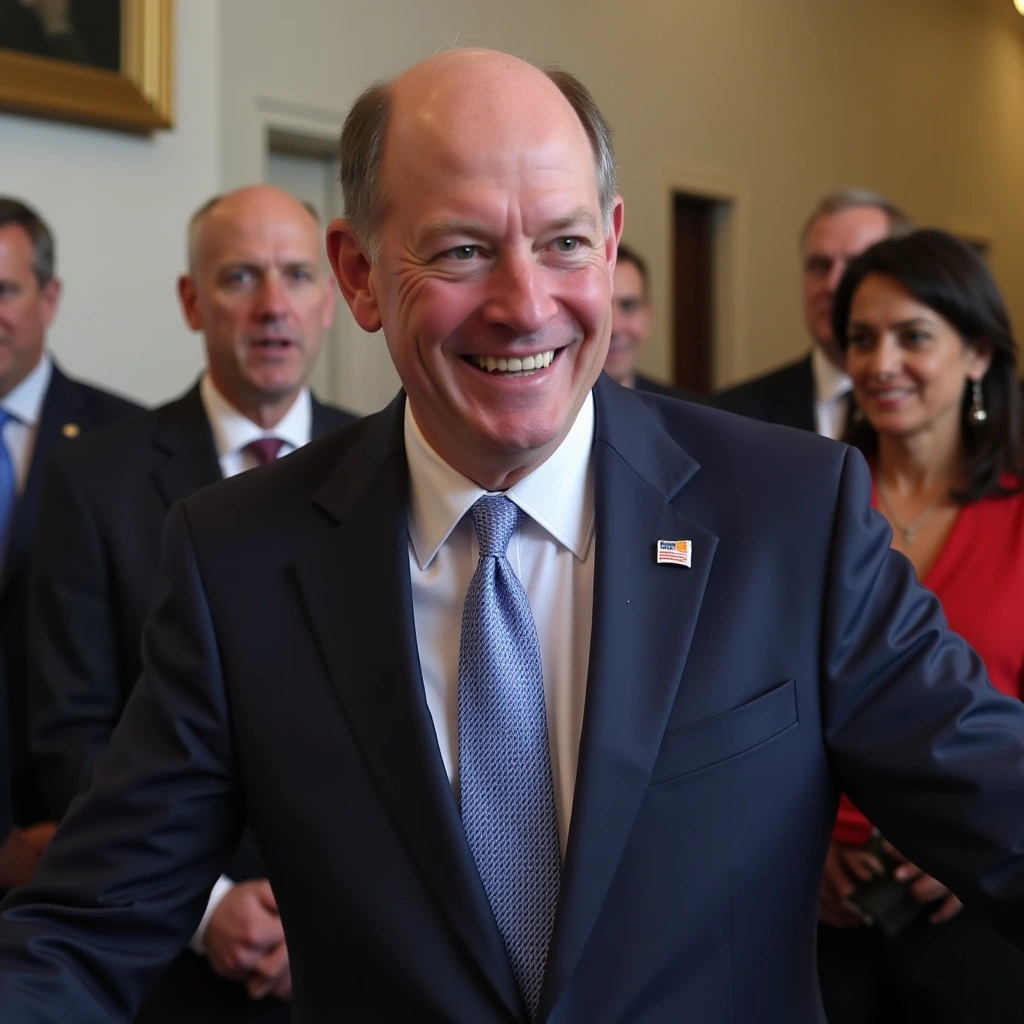
    Suresh Gopi attributes Kerala's power crisis to past governments, urging patience before judging the UDF's performance .

    Ah, the Keralam power crisis—because what’s a little drama without a shortage of electricity, right? Union Minister Suresh Gopi recently stepped into the fray, waving his metaphorical finger at previous governments while urging the public to hold off on their judgments of the current United Democratic Front (UDF) government. It’s like watching a game of hot potato, but instead of a potato, it’s a whole lot of blame being tossed around.

    Gopi, in a moment that can only be described as a political masterclass in deflection, pointed out that the power crisis isn’t solely the fault of the UDF. Apparently, previous governments have also had their hands in the cookie jar, or in this case, the power grid. Now, isn’t that convenient? It’s like saying, “Hey, I didn’t eat the entire pizza by myself; I just had a few slices, and my friends were there too!” Sure, buddy, but you still ate a lot of pizza.

    Now, let’s unpack what Gopi is saying. He claims it’s too early to criticize the UDF government for the power crisis. Too early? I mean, we’re already knee-deep in darkness here! It’s like telling someone it’s too early to complain about a broken leg—uh, the leg is still broken, my friend! But Gopi insists we should all just take a deep breath and wait a bit longer before we start throwing around judgments like confetti at a parade.

    Interestingly, Gopi also rejected any allegations of a collusive deal between the UDF and the BJP regarding the power situation. Now, that’s a plot twist! One minute we’re talking about power shortages, and the next, we’re diving into conspiracy theories. It’s like a Netflix series you didn’t know you needed, but here we are, folks!

    But let’s be real for a second. The power crisis in Keralam is no laughing matter. People are affected, businesses are struggling, and no one wants to be left in the dark—literally and figuratively. So while Gopi may be asking for patience, the public is probably sitting there like, “Patience? I can barely keep my phone charged!”

    In the end, it seems like we’re in for a long wait, folks. The political chess game is in full swing, and the power crisis is just one of the many pawns being moved around. So, grab your popcorn, settle in, and let’s see how this drama unfolds. In the meantime, if anyone finds a way to generate power using hot air—oh wait, we already have politicians for that!


    Inspired by: “Keralam power crisis: Suresh Gopi says previous governments too responsible, asks public to ‘wait’…” (r/World)

  • Stephen Miller’s Latest Mission: Accelerating the Removal of Migrant Children

    Stephen Miller’s Latest Mission: Accelerating the Removal of Migrant Children

    Stephen Miller is leading an unprecedented and intense White House drive across a host of government departments to accelerate the removal of undocumented immigrant children from the US , using tactics that critics say are cruel and racist and, …

    Well, folks, it looks like Stephen Miller, the man who seems to have made a career out of being the poster child for hardline immigration policies, is back at it again. This time, he’s orchestrating a sweeping effort to hasten the removal of undocumented migrant children from the United States. Yes, you heard that right. Because nothing says ‘we care about families’ like a multi-agency operation to boot kids out of the country faster than you can say ‘cruel and unusual punishment’.

    Miller, who has been a key player in the Trump administration, has apparently decided that the slow, methodical process of handling immigration cases is just way too slow for his liking. I mean, who needs fairness and compassion when you can have a good old-fashioned race to the border? This initiative, which critics are labeling as both cruel and racist, aims to expedite the removal process using tactics that some say may even skirt federal law. But hey, who needs laws when you have a strong desire to make headlines?

    As deputy chief of staff focused on immigration policy, Miller has been dubbed the ‘mastermind’ behind Trump’s strict anti-immigration agenda. If you’re wondering what qualifies someone to be called a ‘mastermind’ in this context, just remember: it’s not about being a genius; it’s about being relentless in your pursuit of policies that leave people shaking their heads in disbelief.

    The White House’s latest push involves multiple government departments, and it seems like Miller is pulling every string he can find. It’s a classic case of ‘if you can’t fix the system, just bulldoze through it’. Critics are understandably outraged, pointing out that this approach not only lacks empathy but also raises serious legal and ethical questions. But let’s be real—when has legality ever been a significant hurdle in the realm of immigration policy?

    In a world where compassion is increasingly seen as a weakness, Miller’s approach is a stark reminder of the lengths some will go to enforce their vision of immigration reform. It’s like watching a really bad reality show where the contestants are competing to see who can be the most heartless. And spoiler alert: Miller is currently in the lead.

    So, what does this mean for the future? Well, if you’re a fan of children being treated like collateral damage in a political game, then you’re probably thrilled. If you have a heart, however, it’s hard not to feel a sinking sense of dread. It’s a tough time for many, and the idea of expediting the removal of children who are already vulnerable is a recipe for disaster.

    In conclusion, while the administration pushes forward with this initiative, it’s crucial for all of us to stay informed, speak out, and advocate for the rights of these children. Because at the end of the day, we can’t let the actions of a few dictate the future of so many. Let’s hope that compassion prevails over cruelty—though, judging by recent events, I wouldn’t hold my breath.


    Inspired by: “Trump ally Stephen Miller leads sweeping push to accelerate removal of migrant children” (r/World)

  • India’s GDP: From $4 Trillion to $38 Trillion? Let’s Talk About It!

    India’s GDP: From $4 Trillion to $38 Trillion? Let’s Talk About It!

    India’s GDP to rise from $4.015 trillion to $38 trillion in 20 years: NSA Ajit Doval PTILast Updated: Sep 19, 2026, 03:19:00 PM IST

    So, here’s a hot take straight from the National Security Advisor (NSA) of India, Ajit Doval: India’s GDP is projected to skyrocket from a humble $4.015 trillion to a staggering $38 trillion in just 20 years. Yes, you read that right. That’s a growth spurt that would make any teenager jealous!

    Now, before we all start planning our trips to the nearest luxury resort with our newfound wealth, let’s unpack what this bold prediction really means. Doval made this announcement during the convocation ceremony at the Indian Institute of Technology (IIT) Roorkee, where he urged students to embrace the transformative era they are living in. I mean, who wouldn’t want to be part of a time when the economy is expected to balloon like a kid’s birthday party balloon that’s been left out in the sun?

    Doval referenced the legendary Lord Ram, which is a nice touch. He suggested that just as sage Vishwamitra chose Ram for his courage, today’s graduates should also embody boldness in their lives. Because nothing screams ‘future leader’ like a mythical tale about demon-slaying! But hey, if it inspires the students to be brave, who are we to argue?

    Let’s get back to that GDP number, shall we? A jump to $38 trillion would not only make India one of the largest economies in the world, but it would likely catapult it to the top tier, right alongside the likes of the USA and China. That’s some serious economic muscle! But let’s not forget that this is still a projection, which means it’s as certain as your New Year’s resolution to hit the gym.

    Now, the question is: how exactly does one go from $4 trillion to $38 trillion? Well, it involves a mix of factors: technological advancements, increased foreign investments, a growing middle class, and maybe even a sprinkle of economic fairy dust. If only it were that simple, right?

    India has been on a growth trajectory for quite some time, with a young and dynamic workforce that’s ready to take on the world. The IT sector, manufacturing, and even agriculture are all areas ripe for expansion. Plus, with the government pushing for reforms and initiatives like ‘Make in India,’ the groundwork is being laid for this ambitious economic leap.

    Of course, there are hurdles to jump over, and they’re not exactly small. Infrastructure, education, and healthcare are just a few areas that need serious attention. And let’s not even get started on the ‘demonetization’ episode that left many scratching their heads (and wallets).

    But hey, let’s keep the optimism alive! After all, if we can dream it, we can achieve it, right? So, as the graduates of IIT Roorkee step into this brave new world, they have the potential to shape India’s economic future. Whether it’s developing the next big tech innovation or launching a startup that revolutionizes the way we order pizza, the possibilities are endless.

    So, here’s to hoping that in 20 years, we’ll look back and say, ‘Wow, Ajit Doval was onto something!’ And who knows, maybe we’ll even have a few more billionaires to add to the list. Until then, let’s watch this space and see if India can turn this ambitious forecast into reality. Fingers crossed, right?


    Inspired by: “India’s GDP will rise to USD 38 trillion in 20 years: Ajit Doval” (r/News)

  • Brazil Says ‘No Thanks’ to Stablecoins in Cross-Border Payments: What You Need to Know

    Brazil Says ‘No Thanks’ to Stablecoins in Cross-Border Payments: What You Need to Know

    Brazil’s central bank banned electronic foreign exchange (eFX) providers from using stablecoins and other cryptos (like Bitcoin) to settle overseas remittances, effective October 1. The ban applies to fintechs and payment firms, closing the back-end payment rail for cross-border flows , but …

    If you were hoping to use stablecoins to send money across borders with the same ease as sending a text message, you might want to sit down. Brazil has officially decided to put a lid on that party, effective October 1st. Yes, you heard it right—Brazil’s central bank has issued a new resolution that restricts the use of stablecoins for a significant segment of cross-border payments.

    So, what’s the scoop? Resolution 561 is the new sheriff in town, and it has some pretty strict rules. It states that regulated foreign-exchange providers can only settle transactions with their overseas counterparts through licensed FX transactions or qualifying accounts. In simpler terms, if you’re thinking about using stablecoins to shortcut your way through international payments, Brazil is giving you a big, fat ‘not today.’

    But don’t worry, there’s a silver lining! Individual international transfers using virtual assets are still on the table under current regulations. So, if you’re sending money to your cousin in Rio for that beach vacation, you can still do it. Just don’t expect to use stablecoins as a speedy option, because that’s off the menu for now.

    This decision comes as the global market for stablecoins continues to grow—currently sitting at a whopping $1.1 trillion. It’s like Brazil looked at the growing stablecoin party and decided they didn’t want to be on the guest list anymore. Why? Well, perhaps they are concerned about the regulatory implications of allowing these digital currencies to mingle too freely with the traditional financial system. A valid concern, but also a bit of a bummer for crypto enthusiasts.

    Brazil isn’t the first country to throw a wrench in the works of stablecoin operations. Many nations are grappling with how to regulate these digital assets, which can sometimes feel like trying to nail jelly to a wall. The landscape is constantly shifting, and countries are trying to figure out how to balance innovation with the need for regulation.

    It’s important to note that while Brazil’s resolution might sound like a setback for stablecoins, it’s part of a broader trend of countries tightening their grip on how digital currencies are used. This could mean that the days of smooth sailing for stablecoins in international transactions might be numbered—at least in certain jurisdictions.

    So, what does this mean for the average person looking to send money internationally? Well, for now, it means you may need to explore other options—like traditional bank transfers or other forms of digital currency that still have the green light. It’s a bit of a hassle, to be honest, but hey, at least you’ll have a story to tell your friends about how you navigated the wild west of international payments.

    In conclusion, Brazil has put its foot down on stablecoins for cross-border payments, which might feel like a party pooper move in the crypto community. But look on the bright side: individual transfers are still alive and kicking, and who knows what the future holds? Maybe someday we’ll see a world where stablecoins can play nicely with the traditional banking system. Until then, keep your eyes peeled and your crypto wallets ready for whatever comes next!


    Inspired by: “Brazil blocks stablecoins from key cross-border payment rail as $1.1 trillion market faces new limi…” (r/Crypto)

  • Asian Games 2026: Flag-Bearers, Fireworks, and a Little Bit of Drama

    Asian Games 2026: Flag-Bearers, Fireworks, and a Little Bit of Drama

    ALSO READ: Asian Games 2026 Sept 20-21 schedule: Typhoon Dujuan may hit medal events · Manu Bhaker and Pawan Sehrawat will be India's flag-bearers at the Asian Games 2026 opening ceremony.

    Ah, the 20th Asian Games! They’ve officially kicked off in Nagoya, Japan, and if you’re not excited, well, you might want to check your pulse. The atmosphere was electric, and the opening ceremony at Mizuho Park Athletic Stadium was nothing short of spectacular. Think dazzling lights, impressive performances, and a parade of athletes that made you feel like you were watching the Olympics, but with a slightly smaller budget.

    Leading the 501-member Indian contingent were none other than shooter Manu Bhaker and kabaddi sensation Pawan Sehrawat. Yes, folks, that’s right! When it comes to representing the country, these two are ready to go. Manu, with her sharp aim and focus, and Pawan, who probably could tackle a bull if necessary, took center stage as the flag-bearers. It’s like the Avengers of Indian sports, but instead of capes, they’re rocking national colors.

    Now, let’s talk about a little drama that unfolded before the grand event. Shot-putter Tajinderpal Singh Toor was initially slated to be the male flagbearer, but alas, he faced a wardrobe malfunction of sorts. Apparently, there was a kit issue. What does that even mean? Did he forget his shoes? Did the flag get lost in transit? Whatever it was, it’s safe to say he was probably not in a great mood when he found out. But hey, this is sports! You’ve got to roll with the punches—sometimes literally.

    And as for the opening ceremony? Wow! It was a high-tech extravaganza. There were performances that made you question your own dance moves (no, that TikTok of you dancing in your living room doesn’t count). There were cultural showcases that celebrated the rich heritage of Asia, and let’s be honest, it was all very Instagrammable. If you weren’t there, you’re probably scrolling through social media right now, feeling a twinge of FOMO (fear of missing out).

    The Asian Games is not just about the sports; it’s about the camaraderie, the spirit of competition, and the fact that you can watch people run, jump, and throw things while sitting comfortably on your couch, popcorn in hand. So, whether you’re rooting for India or just enjoying the spectacle, remember to keep an eye on Manu and Pawan as they give it their all. Who knows, they might just bring home some shiny medals—and maybe a few amusing stories about wardrobe malfunctions along the way.

    As the games unfold, let’s cheer for our athletes, celebrate their hard work, and hope that the only drama we encounter is on the field, not off it. So grab your snacks, tune in, and enjoy the show—because the Asian Games 2026 is officially underway and it’s going to be a wild ride!


    Inspired by: “Asian Games 2026 LIVE: Manu Bhaker, Pawan Sherawat to be India’s flag-bearers at opening ceremony t…” (r/World)

  • Denmark and Greenland: No, You Can’t Have Our Sovereignty!

    Denmark and Greenland: No, You Can’t Have Our Sovereignty!

    She wrote that "we cannot negotiate on our sovereignty" and added: "I have been informed that this has not been the case." Frederiksen said that Denmark wants to continue engaging in constructive dialogue with allies on how to strengthen security in the Arctic, including the Golden Dome program, "provided that this is done with respect for our territorial integrity." Denmark has said the U.S., which already has a military presence in Greenland, can boost its bases there.

    In a world where geopolitical tensions often resemble a game of chess played by toddlers—lots of pieces on the board, but no one really knows the rules—Denmark and Greenland have stepped up to clarify a recent deal with the United States. Spoiler alert: they’re not giving away their sovereignty, no matter how many cookies Uncle Sam offers.

    Let’s break this down. The deal in question strengthens the U.S. military presence and economic security in the Arctic. Yes, the Arctic! The place where you might think only polar bears and Santa Claus hang out. But, surprise! It turns out the Arctic is a hotbed of geopolitical activity, and countries are scrambling like it’s Black Friday for access to resources and strategic advantages.

    Denmark and Greenland have made it crystal clear that while they’re open to collaboration with the U.S., they are not in the business of ceding sovereignty. You can almost hear the collective sigh of relief from those who feared a repeat of the 1917 purchase of the Virgin Islands.

    So, what does this mean for the average citizen? Well, if you’re sitting on a beach somewhere, sipping a piña colada, you might not care much about Arctic sovereignty. But if you’re a citizen of Denmark or Greenland, this deal could have significant implications for your economy and your country’s standing in global politics.

    With the U.S. ramping up its military presence, it’s a bit like your neighbor who suddenly decides to put up a big fence and install floodlights. It can be reassuring, but it also raises questions about what they’re up to. Is it just for security, or is there something more? You know, like the time your friend claimed they were just borrowing your favorite book, only to find it on their bookshelf months later.

    The Arctic is becoming increasingly important as climate change opens up new shipping routes and access to untapped resources. And let’s be real, who doesn’t want a piece of that pie? With nations eyeing the Arctic like it’s the last slice of pizza at a party, Denmark and Greenland are standing firm, ensuring they’re not left out in the cold—pun very much intended.

    In conclusion, while the U.S. might be eyeing the Arctic’s treasures, Denmark and Greenland are making it abundantly clear: “Thanks, but no thanks!” Sovereignty is not on the table, and they’re not about to let anyone else dictate their future. So, let’s raise a glass to the North—may it remain as fiercely independent as a cat that refuses to be picked up. Cheers!


    Inspired by: “Denmark, Greenland affirm US deal will not cede sovereignty” (r/Crypto)

  • Fire at the Grand Burstin Hotel: A Fiery Tale of Evacuation and Chaos

    Fire at the Grand Burstin Hotel: A Fiery Tale of Evacuation and Chaos

    An overnight fire at Grand Burstin Hotel in Folkestone has resulted in hundreds of guests being evacuated and the local council opening a welfare centre at Three Hills Sports Park

    If you ever thought that a vacation at the seaside was all sun, sand, and a sprinkle of fish and chips, then think again! The Grand Burstin Hotel in Folkestone, UK, decided to spice things up a bit recently with a major fire that had hundreds of tourists scrambling for safety. Yes, you heard that right—nothing says ‘relaxing getaway’ quite like the smell of smoke and the sound of sirens.

    On a seemingly ordinary day, guests at the iconic hotel were enjoying their time by the coast when disaster struck. The fire reportedly started in the hotel basement, which is just a fancy way of saying that whatever was happening down there was not meant for the faint-hearted. Perhaps someone decided to experiment with a new recipe for baked beans, but we may never know the truth.

    A whopping 26 fire engines were called to the scene, which makes you wonder if they were holding a fire truck convention nearby. The sheer number of fire engines could have easily outnumbered the guests, but thankfully, no injuries were reported. So, while it was a day full of chaos, at least everyone got to leave the hotel with their limbs intact.

    The local authorities even set up a welfare center to assist the evacuated tourists. I can only imagine the scene: bewildered guests clutching their beach towels and flip-flops, trying to figure out where they would be spending the night. “Excuse me, is this where I sign up for the ‘Fire Drill Gone Wrong’ tour?”

    As for the cause of the blaze, it’s still under investigation. Maybe it was a rogue toaster that decided to go out with a bang, or perhaps the hotel’s basement had been hiding some long-lost treasure that simply could not be contained. Whatever the reason, the Grand Burstin Hotel has certainly given its guests a story to tell for years to come.

    In the end, if you’re planning a staycation at a hotel, make sure to check the fire safety measures—unless, of course, you’re looking for an unexpected adventure. Who needs a boring old museum tour when you can have a full-fledged fire evacuation? Remember, folks, safety first, and maybe keep an eye on those toasters while you’re at it!


    Inspired by: “Tourists evacuated from iconic UK seafront hotel after major fire” (r/World)

  • Lessons from the Hong Kong Banker Who Took a $1.6B Detour

    Lessons from the Hong Kong Banker Who Took a $1.6B Detour

    No — the ICAC has obtained arrest warrants for additional suspects connected to the scheme, and the investigation is ongoing.

    In a world where the phrase “money doesn’t grow on trees” is often thrown around, one former banker in Hong Kong clearly missed that memo. Lam Chun-yin, a 32-year-old customer relationship manager at China Construction Bank (Asia), has recently been sentenced to four years in prison for his role in a rather audacious scheme involving over $1.6 billion in false letters of credit. And just to sprinkle a little extra chaos on top, he also pocketed around $470,000 in cryptocurrency bribes. What a time to be alive!

    Now, let’s break this down a bit. Lam wasn’t just a run-of-the-mill banker pushing paper and sipping coffee. No, he decided to take a joyride down the dark side of finance, where the stakes are high and the consequences are, well, also high. Instead of sticking to the usual banking practices, he opted for the more thrilling route—falsifying documents and accepting bribes in the ever-so-trendy world of cryptocurrency. I mean, why not? Who needs a steady paycheck when you can gamble with billions?

    The District Court, not exactly known for its sense of humor, didn’t take too kindly to Lam’s antics. After pleading guilty, he was sentenced to four years in prison. Just a casual reminder that the thrill of the con comes with a hefty price tag—like a prison cell instead of a penthouse suite. And let’s not forget the restitution he was ordered to pay. Because, you know, stealing nearly $1.6 billion is not just a slap on the wrist; it’s more like a full-on smackdown.

    But what does this all mean for the world of finance, you ask? Well, it shines a rather unflattering light on the banking industry, particularly in Hong Kong, which has been trying to position itself as a global financial hub. When high-profile cases like this pop up, it raises eyebrows and makes investors wonder just how secure their assets really are. Are we looking at a banking system that’s got more holes in it than Swiss cheese?

    Let’s also talk about the cryptocurrency aspect, because, of course, we can’t have a scandal without a little blockchain drama. Lam’s decision to accept bribes in cryptocurrency is a classic example of how the digital currency can be both a blessing and a curse. On one hand, it offers anonymity and ease of transfer. On the other, it can land you in a world of trouble faster than you can say “decentralized finance.” Who would’ve thought that the future of money could lead to a prison cell?

    In conclusion, Lam Chun-yin’s story is a cautionary tale for anyone tempted to take shortcuts in the world of finance. Sure, the allure of quick cash and cryptocurrency can be intoxicating, but as Lam has found out, the consequences can be just as real as the money you’re trying to fake. So, if you’re in the banking industry, remember: it’s better to play by the rules and keep your freedom than to chase after billions and end up in a jumpsuit.

    As for Lam, he’ll be spending the next four years contemplating his life choices, possibly while dreaming of the lavish lifestyle he could have had if only he’d kept it legal. Lesson learned, folks—sometimes, the best way to make money is to actually earn it.


    Inspired by: “Hong Kong jails former banker over $1.6B false credit, cryptocurrency bribes: Report” (r/Crypto)

  • When €447k of Drugs Meets Dublin’s Finest: A Tale of Two Women

    When €447k of Drugs Meets Dublin’s Finest: A Tale of Two Women

    The drugs were discovered after gardaí stopped and searched Sarah Cala’s car, where the drugs were hidden by a false wall.

    In a story that could easily be mistaken for a plot twist in a crime drama, two women have been arrested in Dublin after authorities seized a staggering €447,800 worth of drugs. Yes, you read that right—almost half a million euros worth of illegal substances! If only they had invested that money in something a little less… illegal.

    The daring duo caught the attention of the gardaí and Revenue, who are apparently always on the lookout for such shenanigans. I guess you could say Dublin’s finest have a knack for sniffing out trouble, and in this case, they hit the jackpot. Or should I say, a jackpot of questionable life choices?

    Now, let’s talk about the drugs. While the specifics of the substances haven’t been disclosed (thankfully, because I’m not sure we need another reason to make a Google search history questionable), we can all agree that this haul is no small potatoes. It’s enough to make any drug dealer’s eyes sparkle with greed and their accountant’s eyes widen in horror.

    So, what could possibly lead two women to make such a questionable decision? Maybe they thought they could outsmart the authorities, or perhaps they were just trying to fund their next vacation. Spoiler alert: they definitely won’t be going anywhere after this little escapade.

    It’s hard to imagine what was going through their minds when they decided that this was the path to take. Maybe they were looking for a quick cash grab, or perhaps they thought they’d found the perfect side hustle. But let’s be real—when your side hustle involves illegal drugs, you might want to reconsider your career options.

    In a city like Dublin, where the pub culture thrives and the craic is always mighty, it’s a bit of a head-scratcher why anyone would think that dealing drugs is a good idea. Maybe they missed the memo about the countless other ways to make a living that don’t involve a potential prison sentence.

    As the investigation continues, one can only hope that these two ladies will reflect on their choices and perhaps even consider a more traditional job—like, I don’t know, becoming a barista? You know, something that doesn’t involve dodging law enforcement.

    In conclusion, if you ever find yourself considering a life of crime, just remember: it rarely ends well. And in this case, it definitely didn’t. The lesson here? Stick to legal forms of income, people. Your future self will thank you.


    Inspired by: “Two women arrested after €447k of drugs seized in Dublin” (r/News)