Category: Human Interest

  • Flight Delays and Cancellations: A Love Story with UK Air Traffic Control

    Flight Delays and Cancellations: A Love Story with UK Air Traffic Control

    Flights have been disrupted in … A number of departing and arriving flights were severely delayed and dozens cancelled on Monday with disruption affecting Scotland, Northern Ireland and northern England …

    Ah, the joys of air travel in the UK! If you’ve ever wanted to experience the thrill of being stuck in an airport, waiting for a flight that seems more elusive than your motivation to go to the gym, you’re in luck. Recently, UK air traffic control decided to spice things up with not one, but two technical glitches in a single month. Because, apparently, once is just not enough to keep passengers on their toes.

    On a seemingly ordinary Monday, travelers found themselves facing delays and cancellations thanks to a so-called “connectivity issue” at the Prestwick center in Scotland. Now, I don’t know about you, but when I hear “connectivity issue,” I immediately picture a tech support call that involves a lot of sighing and the phrase “Have you tried turning it off and on again?” Unfortunately, this isn’t your average Wi-Fi problem; this is more like the air traffic control equivalent of losing your car keys right before a road trip.

    This latest glitch marks the second time this month that the UK’s air traffic control system has thrown a tantrum. The National Air Traffic Services (NATS) assures us that this disruption is completely unrelated to the previous one. You know, because we all love a good mystery. It’s like a thriller novel where you just can’t figure out who the villain is—except in this case, the villain is an invisible connectivity issue that leaves passengers stranded.

    Airlines, understandably, are starting to sound a bit like a disgruntled spouse after the second time you’ve forgotten to take out the trash. They’re expressing serious concerns about the resilience of the UK’s air traffic control system, and who can blame them? After all, when your entire operation hinges on a network that seems to have the stability of a Jenga tower, it’s time to start asking some hard questions.

    One can only imagine the conversations happening behind closed doors at NATS. “So, how do we ensure that our systems don’t fail again?” followed by a chorus of awkward silence, punctuated only by the sound of pens dropping. Meanwhile, passengers are left to ponder life’s biggest questions: Why did I choose to fly today? Why is my coffee cold? And is there a limit to how many times I can hear the phrase “We apologize for the inconvenience” before losing my mind?

    So what’s next? Will we see a third glitch before the month ends? Will air traffic controllers start wearing tinfoil hats to ward off technology malfunctions? Or maybe they’ll just invest in some good old-fashioned paper maps and walkie-talkies.

    In the meantime, if you’re planning to fly in the UK anytime soon, I suggest you pack your patience (and perhaps a good book). After all, waiting for your flight to take off has become the new national pastime. Just remember, if you find yourself stuck at the airport, at least you can take comfort in knowing you’re not alone. We’re all in this together—waiting, wondering, and hoping that the next connectivity issue won’t be as dramatic as the last.

    Happy flying, folks! Just don’t forget to check your flight status—repeatedly.


    Inspired by: “More flight disruption in UK after second air traffic control glitch in a month” (r/World)

  • Back to School: Gaza Students Step Into Classrooms After Three Long Years

    Back to School: Gaza Students Step Into Classrooms After Three Long Years

    CAIRO/Gaza Sept 21 (Reuters) – Hundreds of thousands of children in ⁠Gaza ⁠returned to in-person teaching on Saturday for the ⁠first time in nearly three years , albeit in damaged or makeshift school buildings and tents, and with uniforms, …

    After what feels like an eternity (around three years, to be precise), students in Gaza are finally trading their pajamas for uniforms and returning to in-person schooling. Yes, you heard that right! Hundreds of thousands of students took a momentous leap back into classrooms this past Saturday, and it’s about time.

    Now, let’s paint the picture here. This isn’t just a casual stroll back to school after a summer break. No, these students are stepping back into a reality where 98% of schools have been either destroyed or damaged due to recent conflicts. I mean, talk about a dramatic entrance! It’s like walking into a party where the DJ has been replaced by a sad trombone.

    The numbers are staggering—approximately 660,000 students have been deprived of regular education. That’s a lot of young minds not getting the chance to learn about the wonders of math or how to spell “definitely” (hint: it’s not ‘defiantly’). And let’s not forget the families, many of whom are struggling to scrape together funds for basic supplies like uniforms and notebooks. You know, the essentials that we all took for granted back in the day when the biggest worry was whether your lunchbox was cooler than your friend’s.

    But here’s the kicker: despite the challenges, these students are ready to learn. As one brave student put it, “Despite all of this, we will learn.” That’s the kind of determination that makes you want to cheer and cry at the same time—a true testament to the resilience of the human spirit.

    So, what does this mean for the future? Well, it’s a step towards normalcy, and let’s be honest, who doesn’t miss the smell of freshly sharpened pencils and that feeling of dread when you realize you forgot your homework? Even if the classrooms look a bit different and the supplies are a little sparse, the hope is that education can rebuild and restore a sense of community and purpose.

    As these students navigate their way back into the world of learning, let’s all take a moment to appreciate what we have and support efforts that help bring education to those who need it most. After all, education is the ultimate power-up in the game of life. And if they can do it amidst such difficulties, maybe we can all find a way to tackle our own challenges with a bit more courage and a lot less complaining about our coffee being too cold.

    Here’s to a new chapter for Gaza’s students—may their classrooms be filled with laughter, learning, and maybe a little less chaos than we’re used to. Welcome back, kiddos! We missed you!


    Inspired by: “Gaza students return to in-person schooling for first time in three years” (r/News)

  • Mining Mayhem: M23 Rebels and the Dark Side of Congo’s Riches

    Mining Mayhem: M23 Rebels and the Dark Side of Congo’s Riches

    The area was seized in April 2024 by M23 , a rebel group the United Nations says has plundered Rubaya’s riches to help fund its insurgency, backed by the government of neighboring Rwanda.

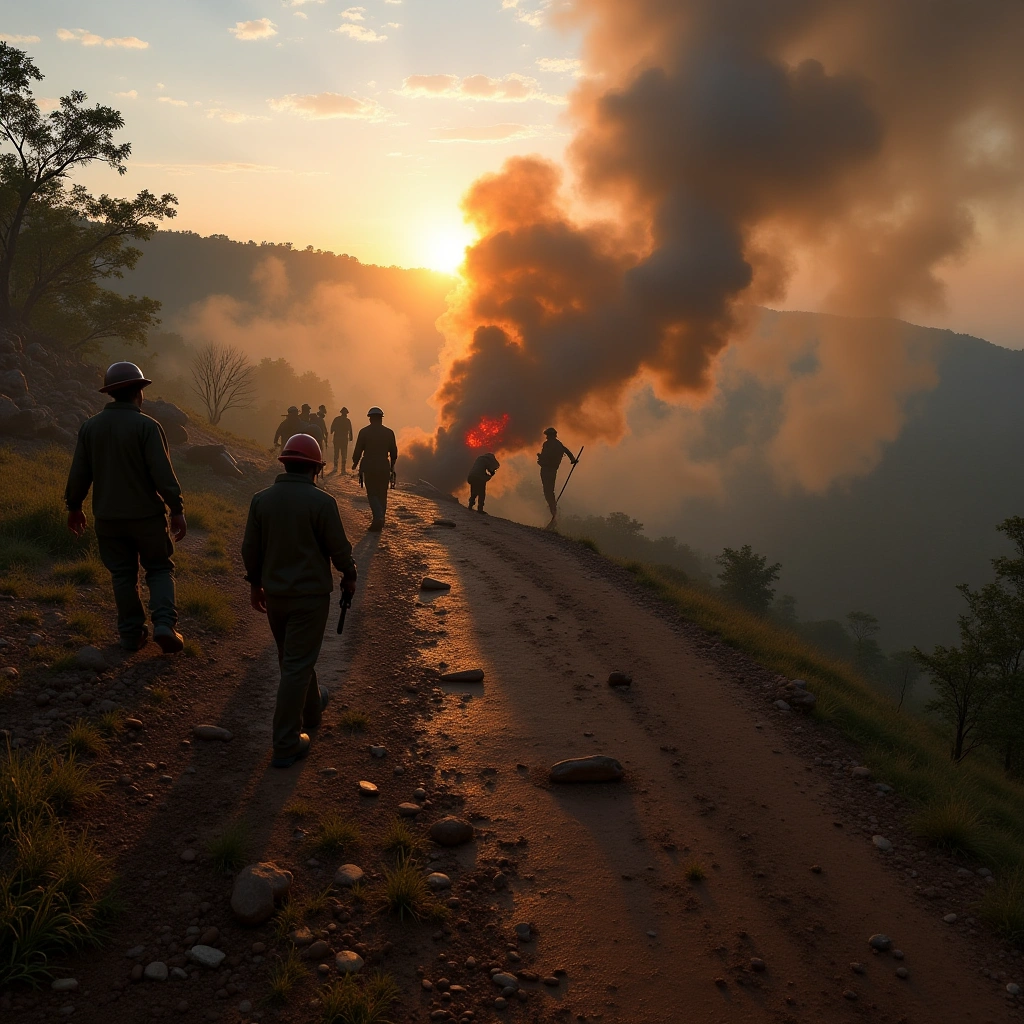
    If you thought mining was just a dusty job involving hard hats and pickaxes, think again! In the heart of eastern Congo, the M23 rebel group has decided to add a little chaos to the mix, and it’s not just about digging for gold—it’s about digging a deeper hole for human rights.

    Amnesty International has recently thrown a spotlight on these rebels, who seem to have taken a page out of a particularly sinister handbook. According to their report, which is based on interviews with a whopping 26 people (because who doesn’t love a good chat?), the M23 has been accused of a laundry list of abuses that could very well qualify as war crimes. Yes, you heard that right—war crimes! It’s almost as if they’re trying to win a prize for the most outrageous behavior in a conflict zone.

    The report details alleged unlawful killings and other grisly acts occurring between January 2025 and March 2026 (which, let’s face it, might sound like a sci-fi movie timeline, but it’s not). These incidents took place in the North Kivu and South Kivu provinces, where tens of thousands of miners are trying to make a living. Instead of the usual camaraderie you might expect in a mining community, it seems these miners are facing the wrath of armed rebels who are more interested in trafficking minerals than in maintaining any semblance of order.

    Now, let’s talk about the minerals involved. Congo is rich in resources—like, really rich. Think of it as the treasure chest of Africa, filled with precious metals that everyone wants a piece of. But instead of making life better for the locals, these resources are often exploited under duress, with rebels like M23 stepping in to take what they want, leaving devastation in their wake. It’s a classic case of ‘the rich get richer’—just in this case, the riches come at a horrifying human cost.

    Amnesty’s findings are a stark reminder of the lengths to which some will go when there’s money on the table. The organization claims that the actions of M23 not only violate local laws but could also breach international humanitarian laws. It’s almost as if they’re throwing a party and forgetting to send out invitations to basic human rights.

    So, what’s the takeaway here? Well, for one, if you’re planning on investing in Congolese minerals, you might want to do a little more research into who’s controlling the mines. And for those of us sitting comfortably at home, it’s a wake-up call to the realities faced by those who are literally digging for their lives in the shadow of armed conflict.

    In conclusion, while the world might be busy admiring the shiny products that come from Congo’s mines, it’s crucial to remember the darker side of this glittering façade. The M23 rebels have turned what should be a source of pride and prosperity into a scene straight out of a horror story. Let’s hope that international pressure and awareness can help bring about change, because if there’s one thing we can all agree on, it’s that no one should have to fear for their life while trying to earn a living.

    So, keep your eyes peeled and your conscience clear—because the next time you hear about conflict minerals, it just might be the M23 rebels in the headlines again.


    Inspired by: “Amnesty accuses M23 of abuses amounting to war crimes at Congo mines” (r/World)

  • JB Pritzker’s Weight Loss Journey: The GLP-1 Secret

    JB Pritzker’s Weight Loss Journey: The GLP-1 Secret

    But two years later, Pritzker, 61, said he’s astounded to see photographs and video of that moment. Pritzker is for the first time revealing publicly that he’s lost 80 pounds with the help of a GLP-1 weight loss medication , with plans to …

    In a world where celebrities and politicians alike are constantly under scrutiny for their appearance, it’s refreshing to see someone like JB Pritzker, the Governor of Illinois, taking charge of his health and sharing his journey with the public. In a recent interview on “CBS Mornings,” Pritzker revealed that he has lost a whopping 80 pounds, and the secret to his success? A little something called GLP-1s.

    Now, if you’re like me, you might be wondering what exactly a GLP-1 is. No, it’s not a new type of protein shake or a fancy yoga pose. GLP-1, or glucagon-like peptide-1, is a hormone that helps regulate appetite and blood sugar levels. It’s also the star ingredient in several medications designed to help people manage their weight and diabetes. So, if you’ve ever wished for a magic pill that could help you shed those extra pounds while still enjoying your favorite slice of pizza, this might just be it—minus the actual magic, of course.

    Pritzker’s weight loss journey began after a diabetes diagnosis in 2024. It’s a wake-up call that many people can relate to. Sometimes, it takes a health scare to kick us into gear and make us reassess our lifestyles. And while some might choose to hit the gym or start a juice cleanse (good luck with that), Pritzker opted for a GLP-1 regimen. Let’s be honest, if I had to choose between sweating it out on a treadmill or taking a pill, I know which one I’d pick.

    Despite the ease of the regimen, losing weight is never as simple as it sounds. Pritzker has openly acknowledged that it still requires discipline and a commitment to healthier eating habits. So, for those of you hoping for a quick fix, I hate to break it to you: there’s no substitute for good old-fashioned effort. But hey, if you can get some help from science while you’re at it, why not?

    As a potential presidential candidate, Pritzker’s weight loss journey could also be seen as a strategic move. After all, in the world of politics, appearances matter. Voters often gravitate towards candidates who seem healthy and vibrant—because who wants a leader who looks like they just crawled out from under a pile of potato chips?

    But let’s not forget the underlying message here. Pritzker’s candidness about his struggles and successes serves as an inspiration for many. It’s a reminder that health should always be a priority, regardless of whether you’re in the public eye or just trying to keep up with your kids. Plus, it shines a light on the importance of addressing weight and health issues openly, rather than shying away from them.

    In conclusion, JB Pritzker’s journey with GLP-1s is not just about losing weight; it’s about taking control of one’s health and being honest about the challenges that come with it. So, the next time you hear someone say, “I’m trying to lose weight,” maybe suggest they explore GLP-1s—unless, of course, they’d rather join you for a burger and fries. In that case, just make sure to share a salad on the side!


    Inspired by: “JB Pritzker Says He Used GLP-1s to Lose 80 Pounds” (r/Politics)

  • Why Bitmine’s $75 Million Ether Purchase Might Just Be the Start of Something Big

    Why Bitmine’s $75 Million Ether Purchase Might Just Be the Start of Something Big

    BitMine acquired 53,501 ETH last week, its largest weekly purchase since June, pushing total holdings to about 5.9 million ETH, or 4.9% of circulating supply, putting the company close to its stated goal of owning 5% of all Ethereum.

    So, let’s talk about the latest buzz in the crypto world. Bitmine, a firm that’s all about Ethereum, has just dropped a whopping $75 million on ether. Yes, you heard that right. That’s not just pocket change; that’s a small fortune! Now, before you get too excited, let’s break down what this means for the crypto space and why Tom Lee, the co-founder of Fundstrat, has chimed in with his thoughts.

    First off, who is Bitmine? They’re the big kahunas in the Ethereum treasury game, and when they make a move, people pay attention. With their recent buy of 27,562 ETH, they’re clearly betting big on the future of this digital currency. But this is not just about them hoarding digital coins like a dragon with its treasure. No, this is part of a larger narrative that Tom Lee has been pushing: institutions are still playing it safe when it comes to crypto.

    Now, let’s not kid ourselves. We’ve been hearing that institutions are underweight in crypto for a while now. It’s like watching your friend at a buffet who’s too scared to try the sushi—just sitting there with a plate of dry breadsticks while everyone else is feasting on the good stuff. Tom Lee believes that Bitmine’s bold move could be the catalyst that finally gets these institutions to step up their game and dive into the crypto pool.

    What’s interesting here is that Lee isn’t just throwing around buzzwords to sound smart. He’s got data to back him up. He argues that Ethereum’s strong performance in the third quarter is a sign that crypto is maturing. And if there’s one thing institutions love, it’s a good trend. Just imagine them, all prim and proper in their suits, finally realizing that maybe, just maybe, it’s time to add some digital assets to their portfolios. It’s like watching your grandma finally embrace online shopping—shocking, yet oddly satisfying.

    But let’s be real for a second. The crypto market is notoriously volatile. One minute it’s up, the next it’s down, and you’re left wondering if you should have just invested in a stable savings account instead. However, with big players like Bitmine making significant investments, it does signal that there’s confidence in the market. And confidence, my friends, is what fuels the bull runs.

    In conclusion, Bitmine’s $75 million ether purchase is more than just a flashy headline. It’s a sign that the tides may be turning. If Lee is right, we could see more institutions dipping their toes into the crypto waters. And who knows? Maybe one day they’ll be the ones swimming like Michael Phelps while the rest of us are still trying to figure out how to float. So, keep an eye on this space, folks—things might just get interesting!


    Inspired by: “Bitmine bought $75 million ether as Tom Lee says institutions are still underweight crypto” (r/Crypto)

  • The Netherlands: A Nation on Edge Over Potential US Sanctions Against the ICC

    The Netherlands: A Nation on Edge Over Potential US Sanctions Against the ICC

    The Netherlands is making preparations for the United States to sanction the International Criminal Court , in the last escalation of the Trump Administration’s attacks on the global tribunal.

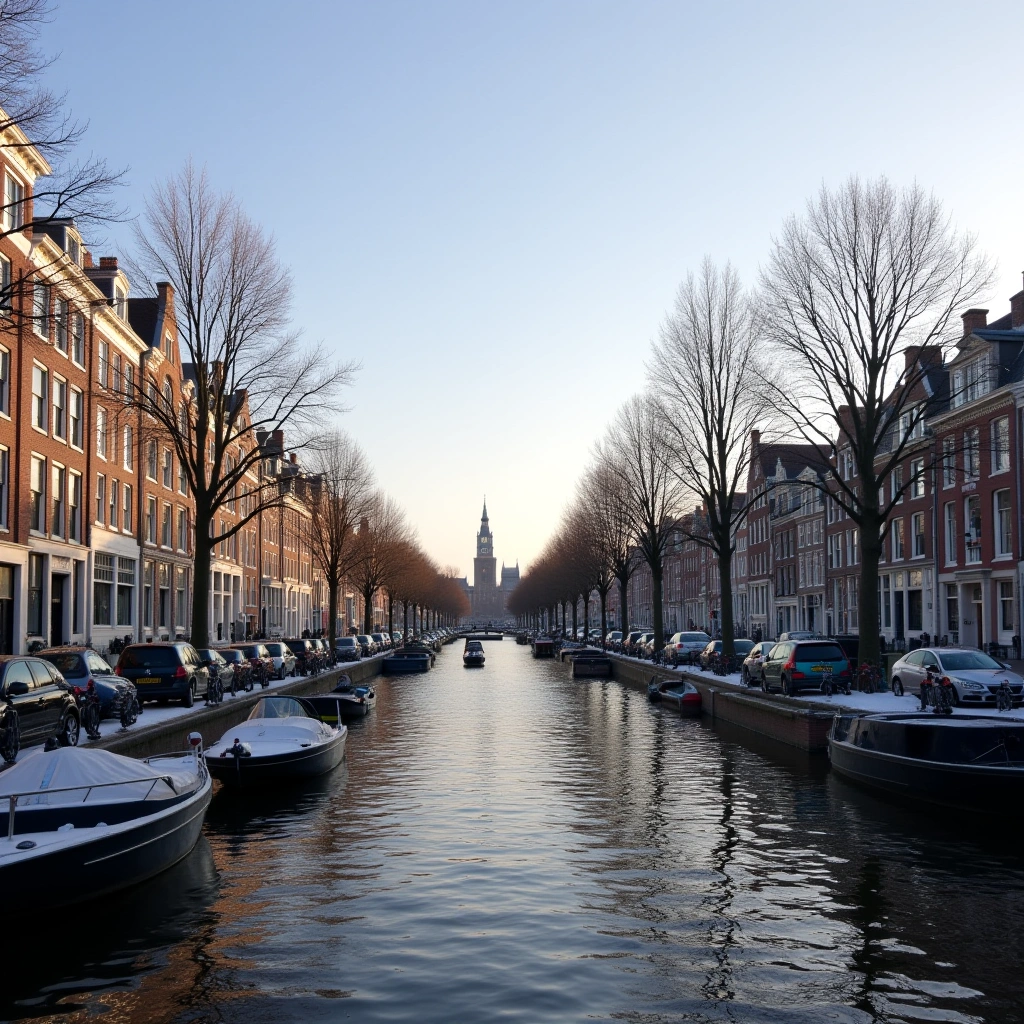
    So, let’s talk about the Netherlands. You know, the country known for its tulips, windmills, and an impressive ability to tolerate people riding bicycles on sidewalks as if they own the place? Well, it seems they are now also preparing for something a little less picturesque and a bit more serious: potential sanctions from the United States against the International Criminal Court (ICC). Yes, you heard that right.

    Now, before you think this is just another day in the diplomatic drama club, let’s break it down. Dutch officials have been given a heads-up that the U.S. plans to impose sanctions, and they are not taking this news lightly. Apparently, this move is part of an escalating series of criticisms coming from the former Trump administration. Because, you know, what’s a good foreign policy without a little drama, am I right?

    The Netherlands, in response, is currently trying to figure out how to keep the lights on at the ICC. This means ensuring that payments continue to flow to staff and protected witnesses. You can imagine the conversations happening in Dutch government offices: “So, how do we keep the ICC running while dodging sanctions? Can we just send them some stroopwafels as a bribe?” Okay, maybe not that last part, but you get the idea.

    In addition to keeping the financial wheels turning, the Dutch are also concerned about security at the ICC’s detention facility. Because nothing says ‘I feel safe’ like knowing your court’s security is in jeopardy. It’s almost like the Netherlands is saying, “Hey, we’re fine with being the land of cheese and canals, but can we please also be the land of justice and international law?”

    Now, you might wonder why the U.S. is targeting the ICC in the first place. Well, the ICC has been a thorn in the side of some powerful nations, including the U.S., which has a long-standing opposition to the court’s authority. The ICC is like that one friend who always wants to hold you accountable for your actions – you know, the one who reminds you that you promised to stop eating that extra slice of cake.

    The Trump administration’s criticism of the ICC is nothing new. They’ve been vocal about their disapproval for years. It’s like a bad breakup where one party just can’t seem to let go. “We’re not mad, we just think you’re a terrible court!” It’s all very high school drama, really.

    As the Netherlands braces for what could be a significant blow to its international commitments, one has to wonder: how does a country that prides itself on diplomacy deal with the prospect of sanctions? Perhaps they’ll whip out the old ‘let’s sit down and talk this through’ approach. Because if anyone can negotiate their way out of a jam, it’s the Dutch.

    In conclusion, while the tulips bloom and the bicycles continue to swarm the streets, the Netherlands is gearing up for a potentially bumpy ride ahead. As they navigate the complexities of international relations and the looming threat of U.S. sanctions, let’s hope they can keep their sense of humor intact. After all, if you can’t laugh about a potential diplomatic crisis, what can you laugh about? Stay tuned for updates, because this story is just getting started!


    Inspired by: “The Netherlands is bracing for potentially devastating US sanctions against the ICC” (r/World)

  • Googlebooks: The Future of Laptops or Just Another Tech Experiment?

    Googlebooks: The Future of Laptops or Just Another Tech Experiment?

    Google is launching its Googlebooks on October 4th, starting at $899. The Android-based laptops have some interesting ideas about how a laptop interacts with a phone.

    If you’ve ever wondered what it would be like if your laptop and your smartphone decided to get a little too cozy, wonder no more! Google has officially introduced its new line of laptops, cleverly dubbed Googlebooks, and they promise to be a game changer—or at least a fun experiment in merging your tech life.

    So, what’s the deal with these Googlebooks? First of all, they run on the brand new Googlebook OS. Yes, you heard that right. It’s like Google decided to throw a tech party and invited all its best services: Android, Gemini AI, and ChromeOS. Think of it as a tech smoothie where all the good stuff is blended together to create a unified experience between mobile and desktop functionality. If you’ve ever wished your laptop could be as intuitive as your smartphone while also having a keyboard (because typing on a touchscreen is just not cutting it), this might be your golden ticket.

    Googlebooks are not just a one-size-fits-all kind of deal; they’re launching five different models in the coming months. We’ve got everything from 2-in-1 convertibles (because who doesn’t love a good transformer?) to creative laptops boasting OLED displays. I mean, if you’re going to be staring at your screen for hours, it might as well look good, right?

    Now, let’s talk about the integration with Android phones. Imagine this: you’re working on a document on your Googlebook, and your phone buzzes with a notification. Instead of fumbling around like a toddler trying to catch a butterfly, you can seamlessly switch between devices. It’s like Google is saying, “Hey, we know you’re busy, so let’s make this easy for you!” Or maybe they’re just trying to ensure that you never really leave the Google ecosystem. Who knows?

    And let’s not forget about Gemini AI. With AI being the buzzword of the decade (or is it century?), Google is clearly betting on its ability to make your laptop experience feel more personalized. Whether it’s predicting what you’re trying to do next or just reminding you of that deadline you keep ignoring, Gemini seems ready to be your tech buddy. Just remember to set some boundaries; no one wants a laptop that knows too much about their personal life.

    Now, will these Googlebooks revolutionize the way we use laptops? Maybe! Or maybe they’ll just end up as another shiny gadget that ends up collecting dust on our desks. But hey, at least they’ll look good while doing it!

    In conclusion, Googlebooks could be a fantastic step forward in creating a more integrated tech experience, or they could just be a really fancy way to keep us glued to our screens. Either way, I’m excited to see how this all plays out. Who knows? Maybe one day we’ll all be sitting in coffee shops, typing away on our Googlebooks, feeling like the most productive people on the planet. Or maybe we’ll just be scrolling through social media. Only time will tell!


    Inspired by: “I got to see Google’s wild ideas about the future of laptops” (r/Tech)

  • The White House vs. CNN: A Dramatic Shift in the Press Pool Landscape

    The White House vs. CNN: A Dramatic Shift in the Press Pool Landscape

    The housing market is shifting toward buyers. They’re still not feeling it · White House strips CNN of TV pool assignment as Trump’s press ban escalates

    In a move that has left many scratching their heads (and perhaps a few chuckling), the White House has officially removed CNN from its role in covering press events. Yes, you heard that right! CNN, the network that has been a staple in political reporting for decades, has been given the boot from the TV pool duties. This includes a planned trip with President Trump to the United Nations General Assembly, where one can only imagine the riveting conversations about world peace and diplomatic niceties that CNN will now miss out on.

    So, what’s the deal? It seems that this decision comes on the heels of the administration’s rather controversial choice to bar journalists from CNN, MSNBC, and Politico from entering the White House complex. You know, just a little bit of press freedom trimming here and there—nothing too drastic. It’s almost as if the White House is trying to create a VIP section for news coverage, and guess what? CNN didn’t make the cut.

    For those who might not be as familiar with the inner workings of the press pool, let me break it down for you. The TV pool is essentially a group of news organizations that take turns covering events and sharing the footage with other outlets. This allows for equal access to information and prevents any one network from monopolizing coverage. Traditionally, this pool has included the likes of ABC, CBS, NBC, and yes, even Fox News. But now, it seems CNN has been unceremoniously benched.

    Now, before you start picturing a sad, lonely CNN reporter sitting outside the White House gates with a sign that reads, ‘Will report for food,’ let’s consider the implications of this decision. Removing CNN from the pool means that the network will no longer have a direct line of sight into certain White House events. It’s a bit like being told you can’t sit at the cool kids’ table in the lunchroom. Sure, you can still hang out with your friends, but you’re missing out on the latest gossip and maybe even the last slice of pizza.

    Critics of the administration’s decision are likely to argue that this is a blatant attack on press freedom. After all, how can a democracy function without a free press? But let’s not get too carried away with the soapbox just yet. It’s also worth noting that this is not the first time a White House has had a rocky relationship with certain news outlets. In fact, it’s practically a rite of passage for any administration.

    While some might find humor in the absurdity of this situation, it raises important questions about transparency and accountability. If certain outlets are being sidelined, how does that affect the public’s right to know what’s happening in their government? And let’s be honest, who doesn’t want to see CNN’s take on the latest presidential antics?

    As we move forward, it will be interesting to see how this plays out in the media landscape. Will CNN fight back, or will they simply regroup and find new ways to cover the news? One thing’s for sure—the press pool just got a lot more interesting (or maybe just a bit more boring, depending on your view of CNN).

    So, here’s to hoping that the future of political reporting remains robust, diverse, and, above all, unafraid to poke the bear. Because let’s face it, we could all use a little more drama in our newsfeeds. Stay tuned, folks!


    Inspired by: “White House Removes CNN From TV Pool Duties” (r/Politics)

  • The Great England Squad Shake-Up: Rice, Rashford, and Palmer Say ‘Not Today!’

    The Great England Squad Shake-Up: Rice, Rashford, and Palmer Say ‘Not Today!’

    Rice, Cole Palmer, Kobbie Mainoo, Marcus Rashford and Tino Livramento have all now pulled out of Tuchel's squad – with Nottingham Forest's Morgan Gibbs-White and James Garner of Everton the only replacements.

    Well, folks, it seems like the England squad is experiencing a bit of a player exodus, and not the kind that you’d normally celebrate with a parade. Declan Rice, Marcus Rashford, and Cole Palmer have decided to pull a classic ‘not today’ move and withdraw from the upcoming Nations League clashes. And honestly, who can blame them? Sometimes you just need a break from the madness of international football.

    Now, for those of you who might not be keeping score at home, this isn’t just a case of three players deciding they’d rather binge-watch their favorite shows than kick a ball around for their country. No, this is a strategic withdrawal, as five players in total have decided to bow out of the squad. It’s like a game of musical chairs, but instead of chairs, we have players and instead of music, we have the sweet sound of potential injury prevention.

    Let’s take a moment to appreciate our trio of absentees. Declan Rice, the midfield maestro who’s been holding down the fort for the Three Lions, is probably thinking, “I could use a little time off to rest my legs and maybe catch up on some Netflix.” Meanwhile, Marcus Rashford, fresh off his remarkable efforts to help fight child food poverty in the UK, might just be looking for a breather from the spotlight. And then there’s Cole Palmer, who, let’s be honest, is probably asking himself, “Who wouldn’t want to sit this one out?”

    In a world where footballers are often seen as invincible superheroes, it’s refreshing to see them acknowledge their humanity. After all, they’re not robots programmed to play 90 minutes every few days. They have feelings, families, and yes, even a penchant for taking a good ol’ rest day.

    But it’s not all doom and gloom for England fans. With these withdrawals, there’s an opportunity for some fresh faces to step up and make a name for themselves. Perhaps we’ll see some young talent rise to the occasion, giving us a glimpse of the future stars of English football. Who knows? This could be the moment someone rises from obscurity to become the next Harry Kane or, at the very least, a solid benchwarmer.

    So while we lament the absence of Rice, Rashford, and Palmer, let’s also keep our fingers crossed for the replacements. Here’s hoping they can pull off some magic and keep the dream of a Nations League title alive. In the meantime, let’s pour one out for our absent heroes and hope they’re enjoying their well-deserved downtime. After all, even footballers need a vacation sometimes, right?

    Until next time, keep your boots polished and your snacks handy. The football world never sleeps, and neither should you—unless you’re one of the players taking a break, of course.


    Inspired by: “Declan Rice, Marcus Rashford and Cole Palmer pull out of England squad for Nations League clashes” (r/News)

  • Nick Daicos: The Brownlow Medal’s New Record Holder, and Other Stories from the Ceremony

    Nick Daicos: The Brownlow Medal’s New Record Holder, and Other Stories from the Ceremony

    Midfielder beats previous record of 45 votes , as he finished ahead of Marcus Bontempelli and Bailey Smith

    Well, folks, hold onto your hats because Nick Daicos has just stormed the Brownlow Medal ceremony like a whirlwind, leaving a trail of confetti and stunned competitors in his wake. With a record-breaking 47 votes, Daicos didn’t just win; he crushed the competition like a grape under a very heavy foot. I mean, can we get a round of applause for that? 47 votes! What was he doing, scoring points in his sleep?

    For those not in the know (where have you been?), the Brownlow Medal is the crème de la crème of awards in the AFL, awarded to the league’s best and fairest player. And this year, it seems Nick Daicos decided to take the ‘best’ part to a whole new level. His closest competitor, Bailey Smith, must be feeling like he just missed the last slice of pizza at a party—so close, yet so far.

    But wait, there’s more! The night wasn’t just about Daicos basking in his glory; it had its fair share of drama too. Enter Isaac Heeney, the Sydney Swans player who had to miss the ceremony after being sanctioned for some less-than-stellar behavior at a team function. Now, I won’t speculate on what exactly went down at that function (let’s just say it wasn’t a book club meeting), but finishing eighth with 26 votes while being grounded from the big event? Ouch. Talk about a bad day at the office!

    Imagine Heeney’s situation: he’s sitting at home, probably with a bowl of popcorn, watching his peers celebrate their achievements while he’s left to contemplate his life choices. If only he had a time machine to go back and attend that function with a little more decorum. Lesson learned, kids: always remember that team functions are not just an excuse to let loose; they’re also a test of your ability to not get benched for bad behavior.

    As for Daicos, this victory is not just a feather in his cap; it’s more like a whole decorative peacock. It’s his first Brownlow Medal, and if this is any indication of his trajectory, we might just witness the birth of a legend in the making. He has already made quite the name for himself in the AFL, and now with this shiny new accolade, it’s safe to say he’s officially on everyone’s radar.

    So, what’s next for our star player? Will he continue to dominate the field, or will he have to deal with the pressures of being the ‘guy who set the record’? Only time will tell. But one thing’s for sure: if you see Daicos coming your way, you might want to step aside. He’s got a medal to defend and a legacy to build.

    In conclusion, let’s raise our glasses (or whatever you’re drinking) to Nick Daicos, the new king of the Brownlow Medal, and to Isaac Heeney, who is probably learning that sometimes, it’s better to keep your head down at team functions. Cheers to both, and may the best players continue to inspire and entertain us all!


    Inspired by: “Nick Daicos storms home to win the Brownlow Medal in crushing fashion” (r/News)