Category: Gaming

  • The Great SSD Showdown: Does Speed Really Matter in Gaming?

    The Great SSD Showdown: Does Speed Really Matter in Gaming?

    So, here’s the million-dollar question: does upgrading to a faster NVMe SSD actually make a difference in your gaming performance? Spoiler alert: it does, but let’s dive into the nitty-gritty.

    Here’s why read/write speed for gaming does matter and why solid state drives (SSDs) are better than conventional hard disk drives (HDDs) for the best gaming experience.

    Recently, a brave soul on Reddit, known as /u/_Dark_Wing, decided to embark on a quest to test the impact of SSD speed on gaming performance across 11 different titles. They took a deep dive into the world of storage, comparing your good ol’ SATA SSDs to the lightning-fast PCIe 5.0 NVMe drives. And let me tell you, it’s a wild ride through the land of load times and frame rates.

    The Setup

    First off, let’s talk about the setup. If you’re going to test SSD speeds, you need to have a solid plan. Our Reddit hero gathered a bunch of popular games—everything from AAA blockbusters to indie darlings, because variety is the spice of life, right? They then put these games through their paces on different SSDs: the trusty SATA and the speedy NVMe.

    The Results

    Now, let’s get to the juicy part: the results. After extensive testing, it turns out that faster SSDs do indeed have an impact on gaming performance, but it’s not as straightforward as you might think. While load times were noticeably shorter with NVMe drives—think seconds instead of minutes—frame rates didn’t skyrocket like you might expect.

    In some cases, the frame rates were pretty similar across the board. So, if you’re dreaming of achieving a solid 144 FPS just by swapping out your SATA SSD for a PCIe 5.0, you might want to recalibrate those expectations. But hey, if you want to get into your game faster than your friends can say “load screen,” an NVMe SSD is the way to go.

    Why Does This Matter?

    You might be wondering why you should care about this. Well, if you’re anything like me, you probably spend more time waiting for games to load than actually playing them. So, if you can cut down that time to grab a snack or check your phone, that’s a win in my book. Plus, who doesn’t want to show off their snazzy new hardware?

    The Bottom Line

    In conclusion, upgrading to a faster NVMe SSD can definitely enhance your gaming experience, especially when it comes to load times. However, if you’re primarily focused on squeezing every last drop of performance for your frame rates, you might want to look at upgrading your GPU or CPU instead.

    So, if you’re sitting there with a SATA SSD and contemplating an upgrade, do yourself a favor: go for it. Just remember, it’s not the magic bullet that will turn you into a gaming god overnight. But hey, every little bit helps, right?

    And there you have it! SSD speed does matter, just not in the ways you might have thought. So, keep gaming, keep upgrading, and may your load times be ever in your favor!


    Inspired by: “We tested the impact of SSD speed on gaming performance in 11 titles & we analyzed from SATA to PCI…” (r/technology)

  • PlayStation Faces Legal Trouble: The Global Anti-Competitive Suit Saga

    PlayStation Faces Legal Trouble: The Global Anti-Competitive Suit Saga

    Ah, PlayStation. The beloved gaming console that has brought us countless hours of joy, epic boss battles, and the occasional rage quit. But it seems that our favorite gaming giant is facing some serious heat—like, ‘turn the oven off’ kind of heat. Reports are swirling that PlayStation is being sued in not one, not two, but five different countries over anti-competitive concerns. Yes, you heard that right. It’s like the legal equivalent of a gaming boss fight, and it looks like they might be up against some formidable opponents.

    There isn’t just one. Sony currently faces a UK antitrust case (~£1.97bn), a Netherlands overcharge case (>€400M), a new California disclosure lawsuit under AB 2426, an already-settled $7.85M California antitrust case, and a Mexican consumer-protection action over currency pricing. Most allege that Sony’s closed PlayStation Store lets it overcharge for digital games.

    So, what’s the beef? Well, the crux of the issue seems to be centered around the way PlayStation has been handling its digital marketplace and the gradual phasing out of physical game discs. This shift has raised eyebrows and, apparently, a few legal flags. With more gamers opting for digital downloads, the question arises: is PlayStation monopolizing the market? Or are they just trying to keep up with the times while we all slowly transition to a world where our game libraries exist only in the cloud?

    Now, let’s break this down a little more. Anti-competitive practices are those sneaky moves that companies make to gain an unfair advantage over their competitors. Think of it like a Mario Kart race where one player keeps tossing blue shells at everyone else just to secure a victory. Not cool, right? And according to the lawsuits, PlayStation’s policies on pricing, game availability, and even the dreaded subscription services might be leading them down a similar path.

    But wait, there’s more! The end of physical discs isn’t doing them any favors either. Remember when you could go to your local game store, peruse the shelves, and pick up a shiny new disc? Those were the days! Now, it feels like we’re all just waiting for the next big digital sale on a platform that seems to have a monopoly on our gaming habits. With PlayStation leading the charge into this digital future, competitors are worried they might be left in the dust—like that one player who forgot to hit the gas at the start of the race.

    The lawsuits are coming from various corners of the globe, which means PlayStation is about to become quite popular in the court system. It’s like they’re trying to win the ‘Most Lawsuits in a Year’ award. And while they might be raking in the dough from digital sales, the legal fees are likely to start piling up faster than a stack of unread game manuals.

    On a lighter note, maybe this is all just a clever marketing strategy. “PlayStation: Now with 100% more lawsuits!” I can see the ads now. But in all seriousness, this situation could have significant implications for the gaming industry as a whole. Will the lawsuits lead to changes in how digital marketplaces operate? Will we see a resurgence of physical disc sales as consumers rebel against the digital tide? Or will PlayStation simply double down and offer a ‘lawsuit-proof’ subscription service? Only time will tell.

    In the meantime, gamers everywhere are watching closely, popcorn in hand, as this legal drama unfolds. So, grab your controllers and buckle up, folks. It’s about to get bumpy in the gaming realm. And who knows? Maybe this will spark a new trend where consoles come with a side of legal jargon. Now that’s a collector’s item I’d like to see!


    Inspired by: “PlayStation Is Being Sued In 5 Different Countries Over Anti-Competitive Concerns And The End Of Di…” (r/technology)

  • Nintendo’s Switch 2: The Fastest Selling System That Everyone’s Talking About

    Nintendo’s Switch 2: The Fastest Selling System That Everyone’s Talking About

    Well, folks, it seems like Nintendo is at it again, and this time they’ve really outdone themselves. The latest financial results are in, and guess what? The Nintendo Switch 2 is officially the fastest selling system in the company’s history. Yes, you heard that right! Faster than a kid running to the ice cream truck on a hot summer day.

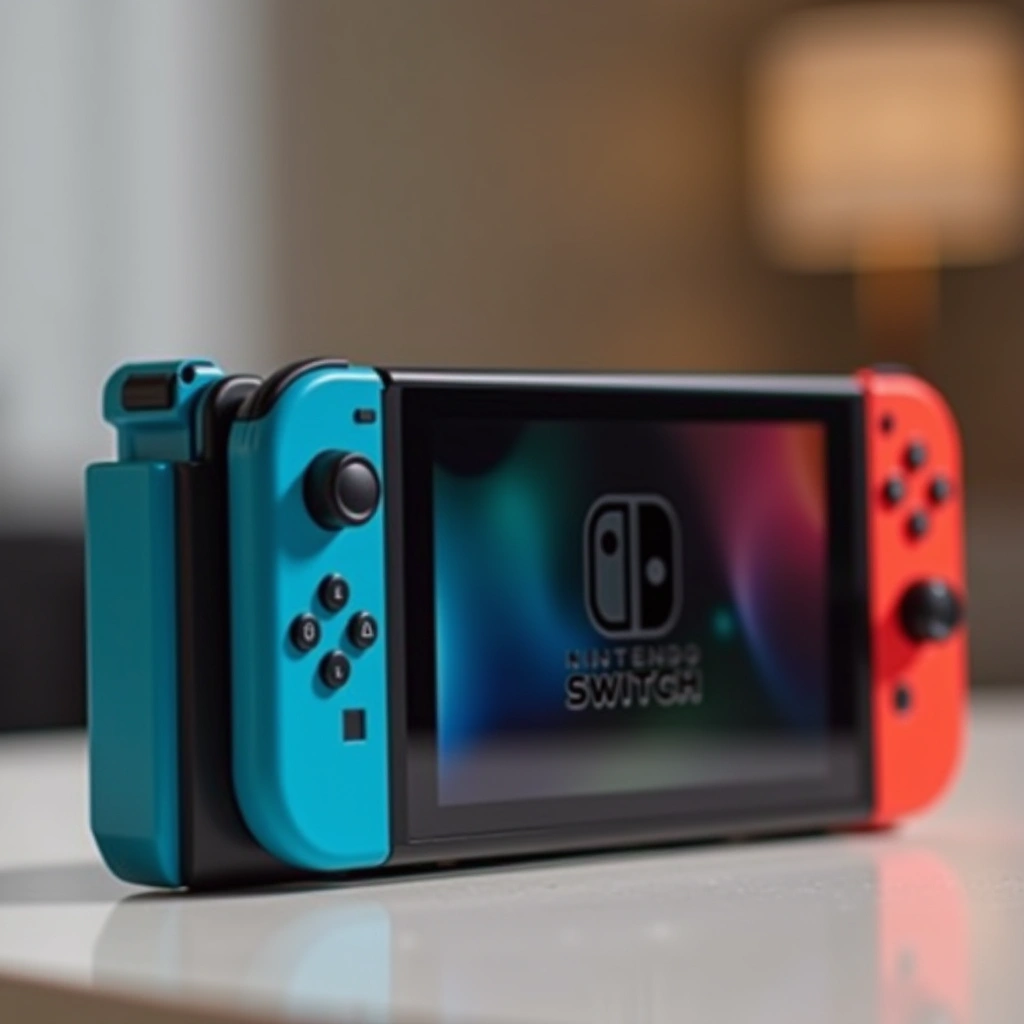
    The Nintendo Switch 2 is a video game console developed by Nintendo and released in most regions on June 5, 2025. Like the original Nintendo Switch, it can be used as a handheld, as a tablet, or connected via the dock to an external display. The Joy-Con 2 controllers can be used while magnetically …

    Now, if you’re scratching your head and wondering how this little piece of tech magic managed to pull off such a feat, let’s break it down. First off, we all know Nintendo has a knack for creating consoles that people just can’t resist. Remember the original Wii? That thing sold like hotcakes, and the Switch? Don’t even get me started on how many of those have been sold.

    But the Switch 2? It’s like Nintendo took all the best parts of the previous consoles, sprinkled in some fairy dust, and voila! You have a system that not only plays games but also makes you feel like a kid again—except now you may have adult responsibilities like bills and taxes, but let’s not ruin the moment.

    So what’s the secret sauce behind the Switch 2’s success? For starters, it has an impressive library of games. From classic Nintendo franchises like Mario and Zelda to new hits that have captured the hearts of gamers worldwide, the Switch 2 has something for everyone. It’s like a buffet of gaming goodness where you can pile your plate high with whatever you fancy.

    And let’s not overlook the design. The Switch 2 is portable, sleek, and seemingly designed for the on-the-go lifestyle. Whether you’re playing during your commute (don’t worry, I won’t tell your boss) or casually gaming on your couch, this console fits right in. Plus, the multiplayer capabilities mean you can gather your friends for some good old-fashioned couch co-op. Just be ready for the inevitable arguments over who gets to be player one.

    Financially, Nintendo has been on a roll. The numbers are staggering, and it’s clear that consumers are flocking to stores (or online retailers, because who even goes to a store anymore?) to snag their very own Switch 2. This surge in sales not only highlights the demand for the console but also signals a bright future for Nintendo as they continue to innovate and expand their gaming universe.

    But here’s where it gets interesting: with great sales comes great responsibility. Nintendo is now under the pressure to keep the momentum going. They need to ensure that they keep delivering quality games and updates, or risk sending their loyal fans into a spiral of despair. Nobody wants to see a beloved franchise go the way of the dodo, after all.

    In conclusion, the Nintendo Switch 2 is not just a console; it’s a cultural phenomenon that has captured the hearts of many. With its impressive sales figures and a lineup of games that could make anyone’s inner child squeal with joy, it’s clear that Nintendo knows how to keep the magic alive. So, if you haven’t jumped on the bandwagon yet, what are you waiting for? Your gaming adventure awaits! Just remember to keep your snacks close and your friends closer. Happy gaming!


    Inspired by: “Switch 2 continues to be Nintendo’s fastest selling system, latest financial results show” (r/technology)

  • Sony vs. Mexico: The Antitrust Showdown Over Your Digital PlayStation

    Sony vs. Mexico: The Antitrust Showdown Over Your Digital PlayStation

    In a world where we’re all too familiar with the phrase “you pay owner price, they give you tenant rights,” Mexican lawmakers are taking the fight to Sony over their all-digital PlayStation. Yes, you heard that right! It seems that owning a digital game is a bit like renting an apartment—you pay the full price, but the landlord (or in this case, Sony) can kick you out whenever they like. And that, my friends, is not sitting well with the lawmakers down south.

    Lawmakers in Mexico are set to file an anti-trust complaint against Sony due to the company’s controversial decision to stop printing physical games starting January 2028.

    Now, let’s unpack this whole drama. You see, the heart of the issue lies in the fact that when you purchase a game digitally, you’re not actually buying the game. No, instead, you’re essentially leasing it. It’s like going to the store, paying full price for a nice new couch, and then being told you can’t sit on it because it’s still technically the store’s property. Fun, right?

    The Mexican government is stepping up to the plate, arguing that this practice is unfair to consumers. After all, in a world where we can stream movies, music, and even our daily dose of cat videos, why should we not own the games we pay for? If I’m forking over my hard-earned cash, I want to feel like I actually have something to show for it, not just a temporary license to play.

    Sony’s response? Well, let’s just say they’re probably not rolling out the red carpet for this court case. Their all-digital PlayStation model has been a hit with gamers who enjoy the convenience of downloading games straight to their consoles. Who doesn’t love the idea of avoiding the dreaded trip to the store? But while the convenience is great, it’s also left many feeling a little bit cheated—like they’re stuck in a long-term lease with no option to buy.

    So, what does this mean for you, the gamer? If Mexico wins this antitrust case, it could set a precedent that might ripple through the gaming industry. Imagine a world where you actually own the games you buy! You could trade them, sell them, or even give them away—just like the good old days when physical copies ruled the gaming universe.

    Of course, Sony isn’t alone in this digital dilemma. Other gaming companies are watching closely, likely clutching their digital contracts and praying they don’t end up in a similar legal bind. The outcome of this case could reshape the entire landscape of digital gaming, and not in the way that makes you want to throw your controller in frustration.

    In the end, this battle between lawmakers and gaming giants raises important questions about ownership in the digital age. Are we really owners of the content we buy, or are we just glorified renters? As we wait for the court’s decision, one thing is for sure: the gaming industry is about to get a whole lot more interesting. So grab your popcorn, folks; this is one legal showdown you won’t want to miss!


    Inspired by: “"You pay owner price. They give you tenant rights.": Mexican Lawmakers Drag Sony to Antitrust Court…” (r/technology)

  • The End of an Era: PlayStation 5 Consoles Now Arriving with a Warning Label

    The End of an Era: PlayStation 5 Consoles Now Arriving with a Warning Label

    If you thought the PlayStation 5 was just another shiny piece of tech to add to your collection, think again! There’s a new twist in the tale of gaming, and it comes with a warning sticker. Yes, folks, the PS5 now comes with a label that reads something along the lines of, “Hey, just so you know, physical game production is on its way out!” It’s like a friendly reminder from your console that the days of flipping through your game library like it’s a vinyl record collection are numbered.

    In a move that has once again sparked backlash within the gaming community, Sony now seems to be placing advisory stickers on PlayStation 5 consoles, warning players that physical games will soon be discontinued.

    Let’s unpack this for a moment. The gaming industry has been gradually shifting towards digital formats for years now. Remember when you’d rush to the store on a Friday afternoon to snag the latest release, only to find that it was sold out? Those were the days! Now, you can just click a button and—voila!—it’s yours, no need to change out of your pajamas. But with that convenience comes a price, and I’m not just talking about the $70 you just dropped on that new title.

    The sticker on the PS5 is a bit of a wake-up call, isn’t it? It’s like the gaming equivalent of your doctor saying, “You really should start exercising more and eating less pizza.” It’s a gentle nudge, or perhaps a not-so-gentle shove, towards the reality that physical copies of games may soon be a thing of the past. And honestly, it’s hard not to feel a bit nostalgic about it. The smell of fresh plastic wrap, the satisfying sound of a case opening, and the thrill of having something tangible to hold in your hands—those will soon be memories we share over a virtual campfire.

    Now, before we start mourning the loss of our beloved physical games, let’s consider the pros and cons. On one hand, digital games take up no physical space, making it easier to store your collection—especially if you live in a shoebox apartment. And they often come with bonuses like automatic updates and access to downloadable content. On the other hand, if your console decides to go on strike (or, heaven forbid, you lose your internet connection), you might find yourself staring at a blank screen, wondering why you didn’t just buy that physical copy after all.

    And let’s not forget about resale value. A physical copy of a game can be sold, traded, or gifted—basically, it has a life beyond your console. Digital games? Once you buy them, they’re yours for eternity (or until the next console generation comes along and leaves you behind). It’s like being in a relationship where you can’t ever break up.

    So, what’s next? Are we going to see more warning labels on consoles? “Warning: Playing too many video games may result in questionable life choices!” Or perhaps, “Caution: Excessive gaming may lead to a lack of social life!” If only we could slap a sticker on that too.

    In conclusion, the arrival of this warning sticker on the PS5 is a sign of the times. While we may be moving towards a digital future, let’s take a moment to appreciate the past. And maybe, just maybe, hold on to those physical copies a little longer. After all, they might just become collector’s items one day—like vinyl records or beanie babies. So, keep that nostalgia alive, folks! And remember, if you see that sticker, it’s not just a warning; it’s a reminder to cherish the gaming moments we have left in the physical realm.


    Inspired by: “’They’re Really Not Reversing This’ — PlayStation 5 Consoles Now Come With Warning Sticker Telling…” (r/technology)

  • Roblox’s $70 Billion Oopsie: What Happened to the Gaming Giant?

    Roblox’s $70 Billion Oopsie: What Happened to the Gaming Giant?

    So, grab your virtual helmets and buckle up, folks! Roblox, the gaming platform that has been a staple in the lives of kids and adults alike (let’s be honest, some adults are still playing with virtual Legos), has recently taken a nosedive in its market value. Yes, you heard that right! We’re talking about a staggering $70 billion loss. That’s enough to make anyone’s eyes water—or at least raise an eyebrow.

    Roblox has admitted that a lack of breakout hit games contributed to a disappointing quarter, as the company has now lost around $70 billion in market value over the last year following a 70% drop in its share price.

    According to the company, the culprit behind this financial fiasco is the lack of viral games. You know, those magical creations that take the internet by storm, leaving everyone wondering how they ever lived without them. Think of them as the unicorns of the gaming world—rare, elusive, and very much in demand. But unlike unicorns, viral games are supposed to be a bit more common for a platform that prides itself on user-generated content.

    Over the past year, Roblox’s share price has plummeted by a jaw-dropping 70%. That’s not just a bad hair day; that’s a full-on hair disaster! It’s like the stock market decided to throw its own version of a reality show where Roblox is the unfortunate contestant.

    You might be sitting there wondering, “How did we get here?” Well, let’s break it down. Roblox has been riding high on the success of its user-generated games, which is a fancy way of saying that anyone with a computer and a bit of creativity can create a game. But, as they say, with great power comes great responsibility—or in this case, the responsibility to produce content that keeps players coming back for more.

    Unfortunately, it seems like the creativity well has run a little dry. The company has struggled to produce the next big hit that would capture the attention of the gaming community. And while we all love a good game of ‘who can build the tallest tower,’ it turns out that doesn’t quite cut it in the fast-paced world of gaming. Players are looking for excitement, adventure, and maybe a little bit of chaos.

    Now, before you start feeling too sorry for Roblox, let’s not forget that the gaming industry is notoriously fickle. Trends come and go faster than a teenager can change their TikTok profile picture. What was once the hottest game can quickly become yesterday’s news. And let’s face it; if you’re not capturing the hearts (and wallets) of young gamers, you might as well be building sandcastles in the wind.

    So, what’s next for Roblox? Well, they’re likely scrambling to figure out how to turn this ship around before it sinks completely. Perhaps they’ll invest in some marketing magic, or maybe they’ll need to put on their thinking caps and come up with some innovative features to keep players engaged. Let’s hope they can find their way back to the land of the living before they end up as a cautionary tale for aspiring gaming moguls everywhere.

    In conclusion, the fall of Roblox is a stark reminder that even the giants of the gaming world can stumble. With a hefty loss of $70 billion, it’s clear that the company needs to rethink its strategy. So, here’s to hoping they can pull off a comeback worthy of a blockbuster movie. Because let’s face it, we’re all rooting for them—even if we’re also having a good laugh at their expense. After all, if you can’t laugh at a $70 billion loss, what can you laugh at?


    Inspired by: “Roblox loses $70 billion in value as company blames lack of viral games, share price down 70% over…” (r/technology)

  • Sony’s Ambitious PlayStation Advertising: What It Means for Gamers

    Sony’s Ambitious PlayStation Advertising: What It Means for Gamers

    If you’ve been scrolling through your social media feeds lately, you might have noticed an uptick in PlayStation ads popping up everywhere. Yes, folks, it seems Sony is not just content with selling consoles and exclusive games; they’re turning their advertising game up to eleven. That’s right, the company is scaling up its PlayStation advertising ambitions, and you might want to sit down for this one because it could mean some exciting—and perhaps mildly annoying—changes ahead.

    The campaign launched with an impressive and visually stunning commercial that showcased the PS5’s potential to create immersive, larger-than-life gaming worlds. It was designed to appeal to gamers’ imaginations, showing that the PS5 could take them anywhere and allow them to experience anything.

    First off, let’s talk about the sheer scale of this initiative. Sony isn’t just throwing a few bucks at Facebook ads and calling it a day. Oh no, they’re going all out! Think big billboards, flashy commercials, and perhaps even a few celebrity endorsements. I mean, who doesn’t want to see their favorite actor awkwardly trying to explain the intricacies of the latest PlayStation title? It’s like watching a cat trying to swim—mildly entertaining, but mostly confusing.

    Now, you might be wondering why Sony has decided to ramp up their advertising efforts. Is it because they want to remind us that the PlayStation 5 exists? (Spoiler: It does!) Or perhaps they’re trying to capture the attention of those elusive casual gamers who have somehow managed to avoid the siren call of a gaming console? Whatever the reason, it’s clear that Sony wants to ensure that their brand stays fresh in the minds of gamers and non-gamers alike.

    But let’s be real: advertising isn’t just about getting your name out there. It’s about creating a narrative, a story that resonates with potential customers. Sony’s ads will likely focus on the immersive experiences that PlayStation offers. You know, the kind of experiences that make you question your life choices as you spend another sleepless night battling through a virtual world instead of getting that much-needed beauty sleep.

    Moreover, with the gaming industry booming, it’s a competitive field out there. Microsoft, Nintendo, and even indie developers are all vying for your attention and your hard-earned cash. So, it makes sense that Sony wants to ensure that their PlayStation brand stands out in this crowded marketplace. And if that means throwing in a few flashy graphics and a catchy jingle, then so be it! (Just promise me it won’t be as annoying as that one ‘Baby Shark’ song, okay?)

    And speaking of catchy jingles, expect to see a lot of memorable taglines and slogans in the upcoming advertisements. Sony has a knack for creating phrases that stick in your head like a catchy pop song. Who wouldn’t want to hear, “Play Has No Limits” blaring from their TV screen while they’re trying to enjoy a quiet evening? It’s like that friend who insists on singing the same song on repeat until you’re ready to pull your hair out.

    So, what does this mean for you, the gamer? Well, you can expect to see more content tailored to your interests, more promotions, and possibly even some exclusive offers that make you feel like a VIP. Because nothing says “you’re special” like a discount on a game you were already going to buy, right?

    In conclusion, Sony’s decision to scale up its PlayStation advertising is a mix of strategic brilliance and a touch of desperation. They want to keep their brand relevant, engage with a wider audience, and drum up excitement for their gaming lineup. So, brace yourselves for a barrage of ads that will surely make you laugh, cringe, and maybe even spark a little FOMO. And remember, the next time you see a PlayStation ad that makes you roll your eyes, just think of it as Sony’s way of saying, “Hey, we still exist!” And who knows? You might just find yourself clicking through to find out more about that new game you didn’t even know you needed. Happy gaming!


    Inspired by: “Sony is scaling up its Playstation advertising ambitions” (r/technology)

  • AMD’s Rollercoaster Ride: Data Center Revenue Soars While Gaming Takes a Dive

    AMD’s Rollercoaster Ride: Data Center Revenue Soars While Gaming Takes a Dive

    In the wild world of tech, AMD has recently made headlines that resemble a rollercoaster ride: exhilarating highs and stomach-churning lows. The chipmaker has reported a staggering 100% increase in its data center revenue year over year. Yes, you read that right—double the revenue! Meanwhile, in a plot twist that could make even a soap opera writer raise an eyebrow, their gaming revenue has plummeted by 31%. Talk about a mixed bag of news!

    AMD reports its data center revenue jumped 107 percent in Q2 2026 compared to last year, while its gaming business dropped 31 percent.

    Let’s break this down, shall we? AMD’s CEO, Lisa Su, has been doing her best to keep the ship afloat amid these turbulent waters. She pointed out that the rising prices of hardware have ‘weighed on’ consumer demand. This is corporate speak for “Hey folks, our prices are so high that you might as well be buying a small car instead of a graphics card!” And while we can’t blame consumers for tightening their wallets, it’s a tough pill to swallow for a company that thrives on gaming enthusiasts and tech lovers alike.

    But wait, there’s a silver lining! Lisa Su remains optimistic about the client market. You know, the kind of optimism that makes you want to pat her on the back and say, “Good luck with that!” She believes that as the economy stabilizes, consumers will start to loosen their purse strings and splurge on those shiny new graphics cards and CPUs once again. It’s like waiting for a bus that keeps getting delayed; you just hope it shows up eventually.

    So, what does this mean for the average Joe who just wants to game without selling a kidney? Well, it’s a bit like being on a seesaw. One minute you’re flying high with the data center success, and the next, you’re crashing down with the gaming revenue slump. AMD needs to find a way to balance the scales here. Maybe they can throw in a free pair of socks with every purchase of a graphics card? I mean, who doesn’t love free socks?

    As we look forward, the key question is whether AMD can pivot effectively to regain its footing in the gaming market. With the gaming community constantly evolving and demanding more for less, it’s a tough nut to crack. Perhaps they could consider introducing subscription models for their hardware. Imagine a world where you pay a monthly fee and get the latest graphics card every year—kind of like Netflix, but for your gaming rig. Just think of the marketing slogans: “Don’t buy, just subscribe!” Sounds catchy, right?

    For now, all we can do is sit back and watch how AMD navigates these choppy waters. Will they find their way back to gaming glory, or are they destined to be the underdog in a world dominated by other chipmakers? Only time will tell. In the meantime, keep your wallets ready, and maybe hold off on that graphics card purchase for a little while—unless you’re feeling particularly adventurous (or rich). Here’s to hoping that AMD can rally and bring the gaming revenue back up, because let’s face it, we all want to game without having to take out a second mortgage!


    Inspired by: “AMD doubles data center revenue year over year, but gaming revenue plunged by 31% — CEO Lisa Su say…” (r/technology)

  • Xbox 360 Games Coming to PC: A Nostalgic Trip or Just Another Marketing Move?

    Xbox 360 Games Coming to PC: A Nostalgic Trip or Just Another Marketing Move?

    Well, well, well! It seems that Microsoft is stirring the pot with some juicy rumors about bringing Xbox 360 games to PC. Yes, you heard that right! According to some leaked documents (because what’s a good scoop without a little espionage?), this feature is expected to roll out gradually between 2027 and 2028. You know, just in time for us to reminisce about our glory days of gaming while simultaneously wondering where the last decade went.

    Like Sony, Xbox may be laying the groundwork for an all-digital future.

    Now, before you start dusting off your old controllers and getting ready to relive the days of Halo 3 and Gears of War, let’s talk about what this could mean for us, the humble gamers. First off, let’s acknowledge that the Xbox 360 was a titan in its time, delivering some of the most iconic games of the last two decades. And while we’ve all moved on to more advanced consoles and graphics that make our eyes water, there’s something undeniably charming about those pixelated adventures and the occasional glitch that made you laugh (or cry).

    However, the timeline of 2027 to 2028 sounds like Microsoft is planning a slow-cooked meal rather than a fast food drive-thru experience. Are they trying to build anticipation, or are they just really bad at deadlines? It’s like they want us to sit on the edge of our seats for five more years, holding our breath every time we hear a notification from Xbox Live.

    But let’s be honest, this gradual launch could be a double-edged sword. On one hand, it’s a great chance for a new generation of gamers to experience classics that shaped the industry. On the other hand, it could also mean a haphazard release schedule that leaves us confused and wondering if we’re playing a remastered version or just the original game with a fresh coat of paint. I mean, who doesn’t love a good nostalgia trip followed by disappointment, right?

    And let’s not forget about the technical challenges. Will these games even run on modern PCs? If you’ve ever tried to play an old game on a new system, you know it can be like trying to fit a square peg into a round hole. Will we need to download some arcane software or sacrifice a small goat just to get our hands on these classics? The mind boggles.

    Of course, there’s also the question of whether or not this is just a ploy to keep us loyal to the Microsoft ecosystem. It’s like they’re saying, “Hey, remember those games you loved? Well, they’re coming back! But, uh, you still have to play them on our platform.” Clever, Microsoft, clever.

    In the end, whether this news is a beacon of hope or just another marketing gimmick remains to be seen. But one thing is for sure: if Xbox 360 games are indeed coming to PC, we’re in for a wild ride filled with nostalgia, excitement, and perhaps a few frustrating moments as we navigate the complexities of modern gaming. So buckle up, folks! The future of gaming is coming, and it’s looking a little retro.


    Inspired by: “Microsoft is planning to bring Xbox 360 games to PC, according to leaked documents | The feature is…” (r/technology)

  • Xbox FanFest: Celebrating Despite Changes Behind the Scenes

    Xbox FanFest: Celebrating Despite Changes Behind the Scenes

    Ah, the gaming industry—where the excitement of new releases and fan celebrations can sometimes be overshadowed by the harsh realities of corporate decisions. Recently, Xbox made headlines not just for their gaming prowess but also for a rather unfortunate event: the layoff of the very person who created the beloved FanFest celebration. Yes, you heard that right. Just when you thought things couldn’t get any more ironic, they do.

    As spotted by Eurogamer, the company still plans to move ahead with Xbox FanFest this year, even though the guy who helped create it won’t be there to help. Last night, on August 3, a new Xbox Wire blog post went live titled “Celebrating 25 Years of Play,” in which “Team Xbox” announced six new 2026 tour dates for Xbox FanFest across six different countries.

    For those unfamiliar, Xbox FanFest is one of those glorious occasions where fans get together to celebrate their love for all things Xbox. It’s like a giant party, complete with announcements, exclusive content, and a sense of community that makes you feel all warm and fuzzy inside—kind of like a well-worn gaming chair. But here’s the kicker: the mastermind behind this event has been shown the door. Talk about a plot twist!

    Now, you might be thinking, “What’s the point of celebrating when the guy who made it all happen is no longer part of the team?” Well, Xbox has decided to push forward with FanFest anyway, proving that the show must go on—even if it means celebrating with a hint of awkwardness. It’s like throwing a birthday party after the birthday boy has been grounded. Sure, everyone still has cake, but the vibe is a little off.

    In true corporate fashion, Xbox seems to be adopting the ‘keep calm and carry on’ mantra. They’re not just planning to host FanFest; they’re going all out. FanFest will still feature exciting announcements, fun activities, and the chance for fans to connect with each other. It’s almost like they’re trying to say, “Hey, don’t worry about the guy we just laid off; focus on the fun!” Because nothing says ‘we care about our employees’ like a massive fan celebration that they won’t be attending.

    But let’s take a step back and think about the implications of this decision. On one hand, it’s great that Xbox is continuing to engage with its community. After all, fans are the lifeblood of any gaming brand. On the other hand, it raises some eyebrows about company culture and how they treat their employees. If you’re going to celebrate the community, shouldn’t you also acknowledge the contributions of those who helped build it?

    Despite the irony, the upcoming FanFest could still be a fantastic event. Xbox has a history of delivering great experiences, and they’re likely to keep that momentum going. Plus, fans will probably have a blast, even if there’s an elephant in the room named ‘layoffs.’

    So, what can we learn from this situation? Perhaps it’s a reminder that the gaming world is a fickle place, where celebrations can be clouded by the realities of business decisions. But it’s also a testament to the resilience of the community. Fans will rally together, support each other, and continue to celebrate their shared love for gaming—no matter what happens behind the scenes.

    In the end, let’s raise our controllers in solidarity. Here’s to Xbox FanFest! May it be filled with joy, laughter, and maybe just a hint of awkwardness. Because if we can’t laugh at the irony, what’s the point of gaming, right? Cheers!


    Inspired by: “Xbox Pushes Forward With FanFest Celebration Even After Laying Off The Guy Who Created It” (r/technology)