Category: Gaming

  • Nintendo Switch 2 Price Hike: Is $500 the New Normal for Gamers?

    Nintendo Switch 2 Price Hike: Is $500 the New Normal for Gamers?

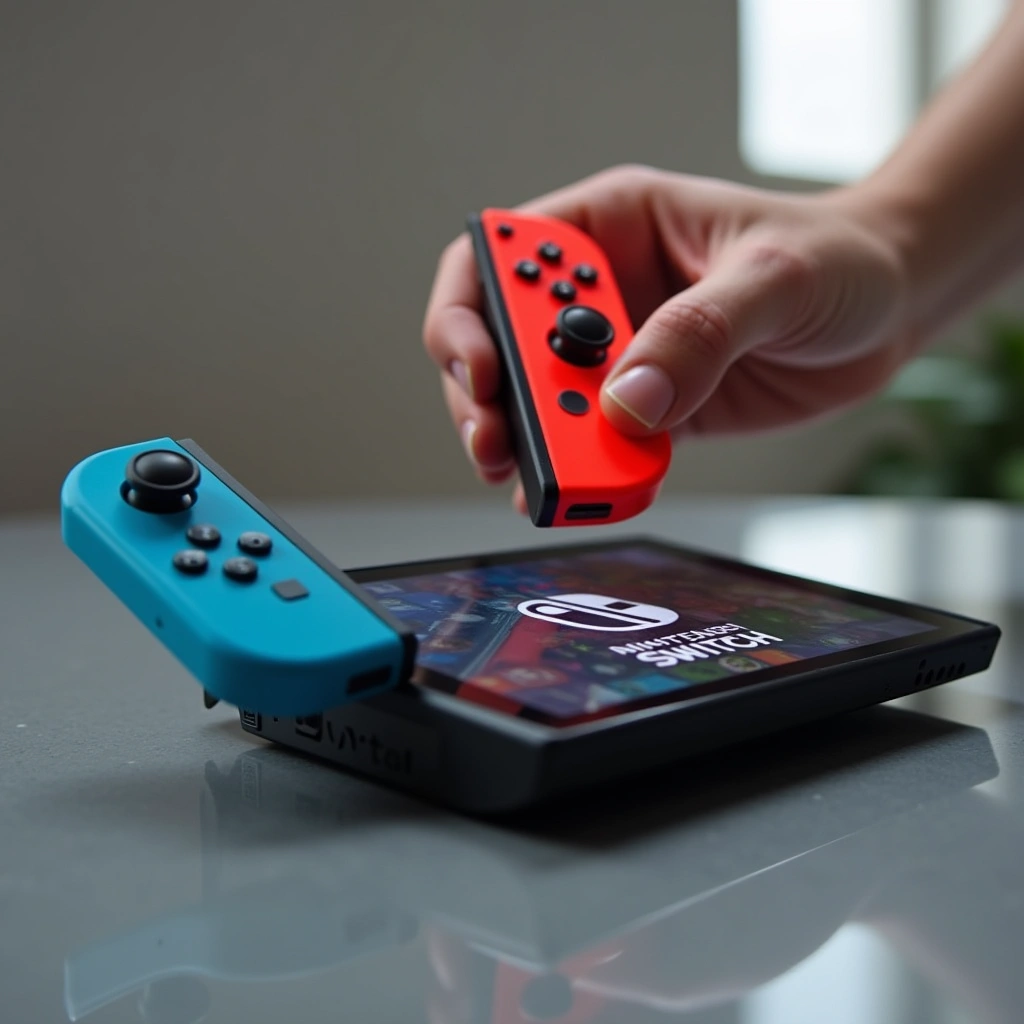
    Well, well, well! It seems Nintendo has decided to shake things up in the gaming world with the announcement that the Switch 2 will be hitting the shelves at a whopping $500 in the US. Hold onto your controllers, folks, because this news is juicier than a ripe peach in summer! Let’s dive into what this means for gamers, wallets, and the future of console gaming.

    First off, $500 for a console? That’s a hefty sum! I mean, at this point, you might as well start looking for a side gig to fund your gaming habit. How about becoming a professional cat video streamer? Or maybe selling your limited edition Pokémon cards? The options are endless! But let’s be real; when did gaming become so expensive? It’s like Nintendo is trying to make us feel like we’re buying a luxury car instead of a console.

    Now, before you grab your pitchforks and torches, let’s take a moment to consider what this price increase could mean. The Switch has been a massive success, turning millions of us into portable gaming enthusiasts. But with great power comes great responsibility… and apparently a great price tag! The enhanced graphics and gameplay that the Switch 2 promises could justify the price, but we all know that in the world of gaming, it’s the nostalgia factor that really hooks us. Will this new console deliver the same warm fuzzy feelings as our beloved original Switch? Only time will tell!

    And let’s not forget about the competition! With Sony and Microsoft constantly trying to one-up each other, it was only a matter of time before Nintendo decided to raise the stakes. It’s like a game of poker where everyone’s raising the bets, and here we are, sitting at the table with our lunch money, trying to decide if we should go all in or fold. Spoiler alert: we’re probably going all in because, let’s be honest, we’re addicted.

    But hey, maybe this price hike is just what we need to start appreciating our consoles more. You know, like when you buy an overpriced coffee and suddenly treat it like a rare artifact instead of just something to sip on while you binge-watch your favorite shows. Perhaps we’ll start cherishing every pixel and frame of gameplay that the Switch 2 has to offer. Or maybe we’ll just complain about it on Reddit until someone starts a petition to bring the price back down.

    In conclusion, while $500 for a Nintendo Switch 2 sounds like a lot (and it is), it’s crucial to remember that gaming is about enjoyment, connection, and the occasional heated debate over which Mario character is the best (it’s Luigi, by the way). So, what do you think? Will you be shelling out the big bucks for the Switch 2, or are you planning to keep your original console until it becomes a vintage collectible? Let the gaming debates commence!

  • Why Sony’s Gaming Revenue Might Be Taking a Nosedive: The PS5 Slump and Chip Crisis

    Why Sony’s Gaming Revenue Might Be Taking a Nosedive: The PS5 Slump and Chip Crisis

    Hey there, fellow gamers and tech enthusiasts! Grab your controllers and settle in because we need to chat about something that’s got the gaming world buzzing — Sony’s gaming revenue is projected to drop by 6%. I know, I know, it sounds like the plot twist in a bad movie, but stick with me. Spoiler alert: It’s not all doom and gloom!

    First up, let’s talk about the big guy, the PlayStation 5. You know, that sleek black box that’s probably sitting in your living room, gathering dust because you’ve been too busy with life (or the latest battle royale). As the initial hype around the PS5 starts to dwindle, it’s like watching a balloon slowly deflate. Sure, it was a hot commodity when it first launched, but now it seems like the sales are slowing down faster than a kid trying to sneak past their parents after bedtime.

    Why the slowdown, you ask? Well, it could be that everyone who wanted one already has one, or maybe people are realizing they can only play so many games about post-apocalyptic worlds before they start questioning their life choices. Either way, it’s not great news for Sony, who was probably hoping to ride the PS5 wave into a bright, revenue-filled future.

    But wait, there’s more! Enter the villain of our story: memory chip prices. Yes, you heard that right. Those tiny little chips that power your beloved consoles are becoming as expensive as a rare collectible card from your childhood. With the demand for chips skyrocketing while supply chains are still recovering from global chaos, prices are going up, and so are Sony’s costs. It’s like trying to make a gourmet meal but realizing you can only afford ramen noodles. Not ideal!

    As a result, Sony’s gaming division is feeling the pinch. You might say they’re in a bit of a pickle – or maybe a whole jar of pickles. The combination of slowing PS5 sales and rising chip prices could mean some tough quarters ahead. Investors are probably sweating bullets, wondering if their favorite gaming company can manage to keep afloat without resorting to selling off their collection of vintage PlayStation games (which, let’s be honest, should never happen).

    Now, don’t get me wrong. Sony has a history of bouncing back like a rubber ball on a trampoline. They’ve got some tricks up their sleeve, and we know they’re not afraid to innovate. Maybe they’ll surprise us all with a PS5 Pro or some wacky new subscription service that promises to keep us entertained while we wait for the next big thing.

    In the end, while it looks like Sony’s gaming revenue is about to take a hit, it’s not the end of the world. Just think of it as a plot twist in a gaming narrative. The game’s not over yet, my friends. So, whether you’re team Sony or just a casual observer, keep your eyes peeled for what comes next. Who knows? The next chapter might just be the most exciting one yet!

  • Microsoft’s RAM Rumble: The 32GB Gaming Recommendation That Vanished Faster Than Your Last Online Purchase

    Microsoft’s RAM Rumble: The 32GB Gaming Recommendation That Vanished Faster Than Your Last Online Purchase

    So, gather ’round, fellow gamers, because we need to talk about the latest episode of ‘As the Microsoft Turns.’ In a plot twist that no one saw coming (except maybe your grandmother who still thinks a hard drive is a fancy coffee table), Microsoft decided to quietly delete a document that suggested gamers should have 32GB of RAM for Windows 11. Yes, you heard that right! 32GB! Like, what are we running here, a spaceship or a gaming rig?

    Now, let’s take a moment to appreciate the sheer audacity of this recommendation. I mean, who doesn’t want to drop a small fortune on RAM just to play a few rounds of Fortnite? I can see it now: “Hey Mom, can I get a second mortgage for my gaming setup? I need to hit those ultra settings!” And she’ll respond, “Sure, sweetie, but don’t forget to ask for a side of sanity.”

    But back to the drama: After a collective uproar from the community—because, let’s face it, 32GB is a lot of RAM unless you’re planning on hosting the next World of Warcraft server—Microsoft swiftly pulled the document like a magician yanking a tablecloth from under a full dinner set. Poof! No more 32GB recommendation, folks. It’s like they looked at the backlash and said, “What have we done? Quick, hit the delete button!”

    Could it be that they realized gamers are already dealing with enough? Between GPU shortages, sky-high prices, and the latest console wars, we really don’t need more reasons to break the bank. I mean, I can barely afford to keep my pizza delivery guy happy, let alone drop a couple of Benjamins on RAM that most people will never use. Let’s be real: if you’re using 32GB of RAM, you’re likely programming the next best-selling game, not just trying to beat your buddy’s high score.

    Of course, this isn’t the first time Microsoft has made a questionable decision. Remember when they tried to convince us that Windows 8 was the future? Yeah, that was a hard pass for most of us. So, maybe it’s just in their genes to throw out some wild recommendations and hope we don’t notice. But the internet noticed, and boy did it explode! Reddit threads lit up like a Christmas tree, with gamers from all corners chiming in with their own opinions. “32GB? I can barely keep my fridge filled!” shouted one user. “I’m still on 8GB and my games run like a dream!” exclaimed another.

    In the end, Microsoft’s little hiccup serves as a reminder that while they might be the tech giant calling the shots, the gamers are the ones who actually pull the strings. And honestly, isn’t that how it should be? So, to all the keyboard warriors out there, keep fighting the good fight. Because if Microsoft thinks they can just push unrealistic specs without consequence, they clearly haven’t met the power of internet outrage. Cheers to that, my friends!

  • Microsoft’s 32GB RAM Gaming Recommendation for Windows 11: A Controversial Move or Just a Bad Joke?

    Microsoft’s 32GB RAM Gaming Recommendation for Windows 11: A Controversial Move or Just a Bad Joke?

    So, it seems that Microsoft has decided to do a bit of digital housecleaning by quietly deleting a document that suggested gamers should upgrade to a whopping 32GB of RAM for Windows 11. And let me tell you, the uproar was louder than a gamer after a surprise patch ruins their favorite title!

    Now, let’s take a moment to appreciate the sheer audacity of this recommendation. I mean, who do they think we are? Fortune 500 CEOs? Sure, RAM can be as important as that last slice of pizza at a party—everyone wants it, but only a few can afford it. And here comes Microsoft, strutting in like a peacock, suggesting we all just go out and buy more RAM instead of focusing on actual gaming.

    For those who missed this little episode, the document popped up, suggested that the gaming elite should invest in 32GB of RAM, and then vanished faster than my will to exercise after a Netflix binge. The community caught wind of it and, boy, did they have some things to say. It’s like Microsoft threw a grenade into a room full of gamers, and they were all too happy to rally together to voice their discontent.

    But let’s dissect this. Are we really at a point where 32GB of RAM is necessary for gaming? Sure, if you love multitasking like a pro and want to run a game while simultaneously streaming, editing videos, and planning world domination on Discord, then maybe it’s worth considering. But for the average Joe who just wants to slay some digital dragons? Probably not.

    And here’s where it gets interesting. Microsoft’s swift deletion of the document screams of a classic case of damage control. The company might have realized that their suggestion was a bit like suggesting everyone should buy a Ferrari to run errands. Sure, it’s a great car, but not everyone can afford it, and let’s be real—most of us just want to get from point A to point B without breaking the bank.

    Now, let’s talk about the implications. Was this a ploy to push gamers toward more expensive hardware? A way to get us to empty our wallets while they sit back, sip their lattes, and watch the profits roll in? Or perhaps just a classic case of someone in the marketing department misreading the room? Either way, it has sparked a heated debate in the community about what gamers really need.

    In a nutshell, while 32GB of RAM might make you feel like the king of gaming, the reality is that most mainstream games run just fine on a solid 16GB. Unless, of course, you enjoy those quirky moments when your computer freezes because you opened too many tabs while simultaneously trying to save the world from digital doom. In that case, maybe consider upgrading. Just don’t blame Microsoft if your wallet cries.

    So, what’s the takeaway here? Maybe we should take Microsoft’s recommendations with a grain of salt and not be so quick to jump on the RAM bandwagon. After all, gaming should be about fun, not financial ruin. And who knows? In a few months, we might just find a new document suggesting that 64GB is the new standard, just in time for the next gaming craze. Until then, let’s keep our eyes peeled and our wallets closed!

  • Microsoft’s Xbox Copilot AI: A Casualty of Corporate Restructuring Under New CEO Asha Sharma

    Microsoft’s Xbox Copilot AI: A Casualty of Corporate Restructuring Under New CEO Asha Sharma

    Ah, the world of gaming. Where dreams are built, empires crumble, and AI systems are tossed aside like last week’s pizza leftovers. Microsoft has decided to pull the plug on its ambitious Xbox Copilot AI, and honestly, we didn’t see it coming—like a stealthy ninja in a brightly lit room.

    So, what happened? Let’s dive into the drama. Under the watchful eye of the new Xbox CEO, Asha Sharma, the tech giant has taken a hard look at its priorities. It’s like a Netflix binge where you realize halfway through that the show you were so excited about is actually a snooze fest. With Sharma at the helm, the focus is shifting, and Copilot, once touted as the next big thing in gaming assistance, has been deemed surplus to requirements. Talk about a plot twist!

    Now, before you grab your pitchforks and torches, let’s take a moment to appreciate what Xbox Copilot was trying to do. The AI aimed to assist gamers in navigating the increasingly complex world of video games—think of it as a GPS for your gaming journey. But alas, the execution was more ‘oops’ than ‘wow.’

    Sharma is making her mark, but is it with the finesse of an artist or the chaos of a toddler with finger paint? Only time will tell. Some say she’s bringing a fresh perspective, while others whisper that she’s just tossing ideas to see what sticks. Kind of like when you throw spaghetti at the wall, but instead of noodles, it’s corporate strategies!

    And let’s be honest for a second: the gaming community can be a bit… opinionated. The backlash over this decision is likely to be louder than a group of teenagers arguing over who should have won that last match in Fortnite. Some gamers were excited about the potential of Copilot, while others just wanted to hear the sweet sound of their own voices in the gaming universe.

    As we navigate these uncertain waters, one has to wonder what’s next for the Xbox brand. Will Sharma pivot the focus to more traditional gaming experiences? Or will she pull a rabbit out of her hat and surprise us with something revolutionary? Only time will tell, but one thing’s for sure: the gaming world is watching closely, popcorn in hand, ready for the next episode of ‘As the Xbox Turns.’

    In the end, whether you’re team Copilot or team ‘who needs AI anyway?’, let’s raise a virtual toast. Here’s to new beginnings, the occasional chaos of corporate decisions, and Asha Sharma—may she steer the Xbox ship into calmer waters, or at least to a place with better snacks!

  • Microsoft Xbox CEO’s Leadership Shake-Up: Is It Time for a Console Revolution?

    Microsoft Xbox CEO’s Leadership Shake-Up: Is It Time for a Console Revolution?

    Hey there, gaming aficionados! Grab your controllers because we’re diving headfirst into the swirling waters of Xbox leadership changes. It’s like a soap opera, but with fewer dramatic pauses and more pixels!

    So, what’s the scoop? The CEO of Microsoft Xbox has hit the refresh button on the leadership team amid what can only be described as sinking sales. I mean, when your console sales are dropping faster than a gamer’s jaw when they hear about the latest game delay, it’s time for some serious soul-searching. And the mantra on everyone’s lips? ‘We need to evolve how we work.’ Sounds fancy, right? Like they’re about to unveil the next evolution of Pokémon or something.

    Now, you might be wondering, why the sudden shake-up? Well, picture this: Xbox was once the big kid on the block, flexing its muscles with exclusive titles and a gaming ecosystem that had PlayStation sweating bullets. But lately, it seems like they’ve been playing catch-up while Sony struts around with its shiny PS5, raking in the cash like a kid at a candy store. So, in true corporate fashion, it’s time for some heads to roll!

    But let’s not throw shade just yet; sometimes, a fresh perspective can be just what the gaming doctor ordered. The new leadership team will have their work cut out for them, and we’re not just talking about fixing glitches in the latest Halo game. No, this is about rethinking how they engage with gamers. After all, these days, gamers are a picky bunch. They want more than just a console; they want experiences, community, and exclusive content that makes them feel like they’re part of something epic.

    But here’s where it gets spicy: can a leadership overhaul really turn the tide? Or is it just rearranging deck chairs on the Titanic? Some might say this is a knee-jerk reaction to a market that’s shifting faster than a speedrun in Super Mario. Others might argue that it’s exactly what Xbox needs to innovate and capture the hearts of gamers once again. After all, evolution is key, not just in consoles but in how they connect with their audience.

    And let’s not forget the elephant in the room: subscription services. With Xbox Game Pass becoming the Netflix of gaming, there’s a lot riding on how they can enhance that service and keep players subscribed. Because let’s face it, nobody wants to pay for a service that feels like a library with all the best books missing!

    In conclusion, as we sit on the edge of our gaming chairs, munching on chips and waiting for the next big announcement, one thing’s for sure: the gaming industry is about as predictable as a cat on catnip. Whether this leadership change will breathe new life into Xbox or lead to more disappointment remains to be seen. But hey, at least we can count on some entertaining boardroom drama in the meantime!

    So, what do you think? Will Xbox rise from the ashes like a phoenix, or are we witnessing the beginning of the end? Let’s chat in the comments below!

  • Why Alan Wake 2’s Curly Hair is the Unsung Hero of Gaming Realism

    Why Alan Wake 2’s Curly Hair is the Unsung Hero of Gaming Realism

    Listen up, fellow gamers! If you thought the only thing that mattered in a video game was the storyline or the graphics, then you clearly haven’t experienced the hair-raising (pun intended) phenomenon that is Alan Wake 2. Yes, you heard me right. We’re talking about curly hair that’s more detailed than your grandma’s knitting patterns.

    Now, before you roll your eyes and scroll past, let’s take a moment to appreciate this curly mane that has taken gaming realism to a whole new level. Remember the days when the closest thing we had to realistic hair in games was a glorified spaghetti noodle? Well, say goodbye to that era because curly hair in Alan Wake 2 is basically a work of art. If you squint hard enough, you might even mistake it for a high-end hair salon commercial.

    But why does curly hair deserve a dedicated blog post, you ask? Well, it’s simple: hair is one of the most complex features in human anatomy. It has volume, movement, and a personality of its own—kind of like that one friend who always steals the spotlight at parties. And in Alan Wake 2, the developers have managed to capture all those nuances. The curls bounce, sway, and even have that ‘I-just-got-out-of-bed’ vibe that we all secretly wish we could pull off.

    Now, let’s get a bit technical. The game uses cutting-edge technology to render hair with incredible accuracy. We’re talking about physics simulations that allow each curl to react to movement and environmental factors—like wind, rain, or the emotional turmoil of the main character (let’s face it, he has a lot of that). It’s almost like the hair itself has a storyline. Who knew that strands of hair could convey more drama than a daytime soap opera?

    You might be wondering, “What does this have to do with gameplay?” Well, my friend, it has everything to do with immersion. When you’re deep in the woods, battling dark forces and trying to keep your sanity intact, the last thing you want is to be thrown off by a bad hair day that looks like it came from a 2005 video game. Realistic curly hair adds to the authenticity of the character and their journey, making you feel every twist and turn along with them.

    Of course, some may argue that hair is just a cosmetic feature and doesn’t affect the overall gaming experience. But let’s be real, if you’re going to spend hours in front of a screen, you want something nice to look at, right? Would you rather stare at a flat, lifeless blob or a glorious mane of curls that would make anyone want to book a hair appointment? Exactly.

    In conclusion, Alan Wake 2 has raised the bar for video game hair. It’s not just about shooting monsters and solving mysteries anymore; it’s about appreciating the finer details, like how curly hair can be a character in its own right. So, the next time you find yourself immersed in this beautifully crafted world, take a moment to admire those curls. They might just be the most realistic thing you see in the game—and that’s saying something.

    So, hats off to the developers for making hair a central talking point in our gaming discussions. Who knew that a simple curly hairstyle could spark such passionate debate? Now, if only they could figure out how to make my hair look that good in real life!

  • GameStop’s Bold Move: Is eBay About to Become the Next Gaming Marketplace?

    GameStop’s Bold Move: Is eBay About to Become the Next Gaming Marketplace?

    Hey there, fellow digital adventurers! Grab your popcorn because it seems GameStop is ready to level up in a way that we didn’t see coming. Yes, you heard it right—GameStop is reportedly offering to buy eBay for a whopping $56 billion! I mean, who would have thought that the once-flagging video game retailer would be eyeing one of the biggest online marketplaces? Let’s unpack this juicy tidbit!

    First off, let’s talk about GameStop. For the longest time, they were the punchline of many a joke—remember the days when you could get a handful of quarters for your old games? But thanks to the meme stock phenomenon and the relentless spirit of retail investors, GameStop has experienced a resurrection worthy of a Hollywood blockbuster. CEO Ryan Cohen, the modern-day gaming wizard, is steering this ship toward uncharted territory. Who knows? Maybe he’s just a fan of eBay’s vintage collectibles!

    Now, let’s dive into why GameStop would want to acquire eBay. It’s simple, really. eBay is like the grandparent of online shopping. It’s got everything from antique lamps to rare Pokémon cards. Imagine GameStop leveraging that platform to not only sell video games but also to dive into the broader collectibles market. Talk about a power move! If they play their cards right, GameStop could become the ultimate hub for gamers and collectors alike—like the adult version of a candy store that also sells rare comic books.

    But hold your horses! This isn’t all rainbows and sunshine. The merger raises questions about the future of both companies. What happens to the beloved eBay auction format? Will GameStop transform it into something resembling a video game loot box? And what about the loyal eBay sellers? Will they be forced to wear GameStop branded shirts while selling their vintage VHS collections? The possibilities are endless, and not all of them are pretty!

    Moreover, let’s not forget the financial implications of such a colossal acquisition. A $56 billion price tag isn’t just chump change; it’s the kind of money that could make even Scrooge McDuck consider a career change. GameStop would need to have a solid plan in place to ensure that this investment pays off. If they flop, it could be the ultimate “Game Over” screen for the company. And we all know how much gamers love that feeling—NOT!

    As we sit on the edge of our seats, waiting for more news to drop, let’s remember that in the world of business, anything can happen. Maybe GameStop is just playing a game of Monopoly, looking to acquire properties left and right. So, what do you think? Is this a masterstroke or a colossal blunder? Will we see GameStop take over the world of online shopping, or is this just another episode of “what were they thinking?” Let us know your thoughts in the comments—because after all, in the wild world of business, everyone’s a critic (and an amateur economist)!

  • Microsoft Declares 32GB RAM as the Ultimate ‘No-Worries’ Upgrade for Windows 11 Gaming: Here’s Why You Should Care

    Microsoft Declares 32GB RAM as the Ultimate ‘No-Worries’ Upgrade for Windows 11 Gaming: Here’s Why You Should Care

    Hey there, fellow gamers and tech aficionados! Grab your energy drinks and adjust your gaming chairs because Microsoft just dropped a bombshell that’s shaking the very foundation of our beloved gaming world. They’ve officially declared that 32GB of RAM is the sweet spot for Windows 11 gaming. Yes, you heard that right—32GB! That’s like having a buffet of memory just waiting for your games to feast on. Let’s dive into why this is not just a marketing ploy but a genuine call to arms for all you pixel warriors out there.

    First off, let’s talk about the elephant in the room. When did 32GB of RAM become the new “no-worries” upgrade? Remember when we were all excited about the 8GB sweet spot? Those were the days when we thought we were living in the future! But here we are, in 2023, and suddenly, we’re being told that 16GB is the bare minimum. It’s like realizing your favorite childhood cereal is now just a snack for adults—what gives?

    But hold on, before you throw your laptop out the window in a fit of existential dread, let’s break it down. Microsoft isn’t just blowing hot air. With Windows 11, you’ve got a slew of background processes, services, and apps that are constantly vying for attention. It’s like a group of children at a birthday party—all shouting for cake at the same time. And guess what? 32GB of RAM is the cake that keeps everyone satisfied!

    Now, let’s get to the juicy part: gaming performance. Ever tried playing a graphically intensive game while streaming your latest “Let’s Play” video? If you have, you likely experienced the dreaded stuttering or performance lag. With 32GB of RAM, those hiccups can become a thing of the past. Your games will run smoother than a greased weasel on a slip-n-slide, and you’ll be able to multitask like a pro. Want to play while downloading the latest patch? Go ahead! You’ll have the RAM to handle it without breaking a sweat.

    And let’s not forget about future-proofing your setup. As games continue to evolve, becoming more immersive and demanding, having 32GB of RAM is like having a crystal ball that lets you gaze into the future. Your rig will be ready for whatever the gaming industry throws at it, whether it’s a new RPG that requires more resources than a small country or a battle royale game that’s hungry for your system’s soul.

    Now, some might argue that 32GB of RAM is overkill. But let’s be real, in the world of gaming, overkill is the new standard. Just look at the console wars—everyone wants the most powerful hardware, and PC gamers are no different. So, why not give your setup a little love with that extra RAM? After all, who doesn’t want to be the king or queen of their gaming kingdom?

    In conclusion, while some may scoff at the idea of needing 32GB of RAM, Microsoft’s endorsement is a sign of the times. It’s not just about playing games; it’s about experiencing them in all their glory. So go ahead, invest in that RAM, and give your gaming experience the upgrade it deserves. And who knows? You might just become the envy of your gaming circle. Just remember to share the cake—err, RAM—with your fellow gamers!

  • New York’s Bold Move: Banning Messaging Apps and Gaming Chats for Kids – Is This a Good Idea?

    New York’s Bold Move: Banning Messaging Apps and Gaming Chats for Kids – Is This a Good Idea?

    Hey there, fellow internet explorers! Buckle up because New York is about to shake things up in the digital playground. Imagine a world where your teenage friends can no longer hop into Discord to strategize on how to defeat that dragon or send memes through WhatsApp. Yes, you heard it right! New York is planning to ban messaging apps and video game chatting features for anyone under 18. And let me tell you, that’s a hot potato!

    This proposed law comes with a hefty dose of age verification measures that would make even the most paranoid parents feel like they’re on a secret mission. While it’s aimed at protecting our precious youth from the wild, wild west of the internet, one can’t help but wonder: is this the right approach?

    First off, let’s talk about age verification. The idea of requiring all online platforms to implement strict measures sounds like a great way to keep kids safe from unwanted online trolls and cyber bullies. But here’s the kicker: how on Earth can we verify ages without running into a wall of privacy issues? I mean, do we really want every teenager to submit their birth certificate and possibly a DNA sample just to play Fortnite? Because that sounds like a plot twist straight out of a dystopian novel!

    Now, let’s consider the social aspect. For many teenagers, these messaging apps and gaming chats are their lifelines. They’re not just playing games; they’re building friendships, learning social skills, and, let’s be real, sharing memes that could rival Picasso. Banning these platforms could lead to a social drought that makes the Sahara look like a water park. Kids need to connect, and if we pull the plug, are we really just sending them back to the Stone Age where they have to communicate with carrier pigeons?

    Moreover, let’s not ignore the elephant in the room: teens are resourceful. If they want to chat and game, guess what? They’ll find a way! Banning popular platforms might just encourage them to explore the dark corners of the internet, where the real dangers lurk. You know, like that mysterious website that promises free Robux but actually just steals your soul.

    Now, don’t get me wrong; I totally understand the motivation behind this initiative. It’s all about protecting the kiddos from the seedy underbelly of the internet. But perhaps there’s a better way to handle this. Instead of outright bans, why not focus on education? Teach kids about online safety, the importance of privacy, and how to recognize scams. Equip them with the tools they need to navigate the web wisely instead of locking them away like a bunch of digital Rapunzels.

    In conclusion, New York’s proposal to ban messaging apps and gaming chats for under-18s is certainly a bold move. Whether it’s a step towards a safer internet or just a knee-jerk reaction remains to be seen. What do you think? Are we protecting our youth or simply pushing them into a digital corner? Let’s discuss in the comments below and remember: the internet is a wild place, but sometimes it can also be a playground!