Category: Gaming

  • The New Normal: Xbox Series X Prices and Memory Market Madness

    The New Normal: Xbox Series X Prices and Memory Market Madness

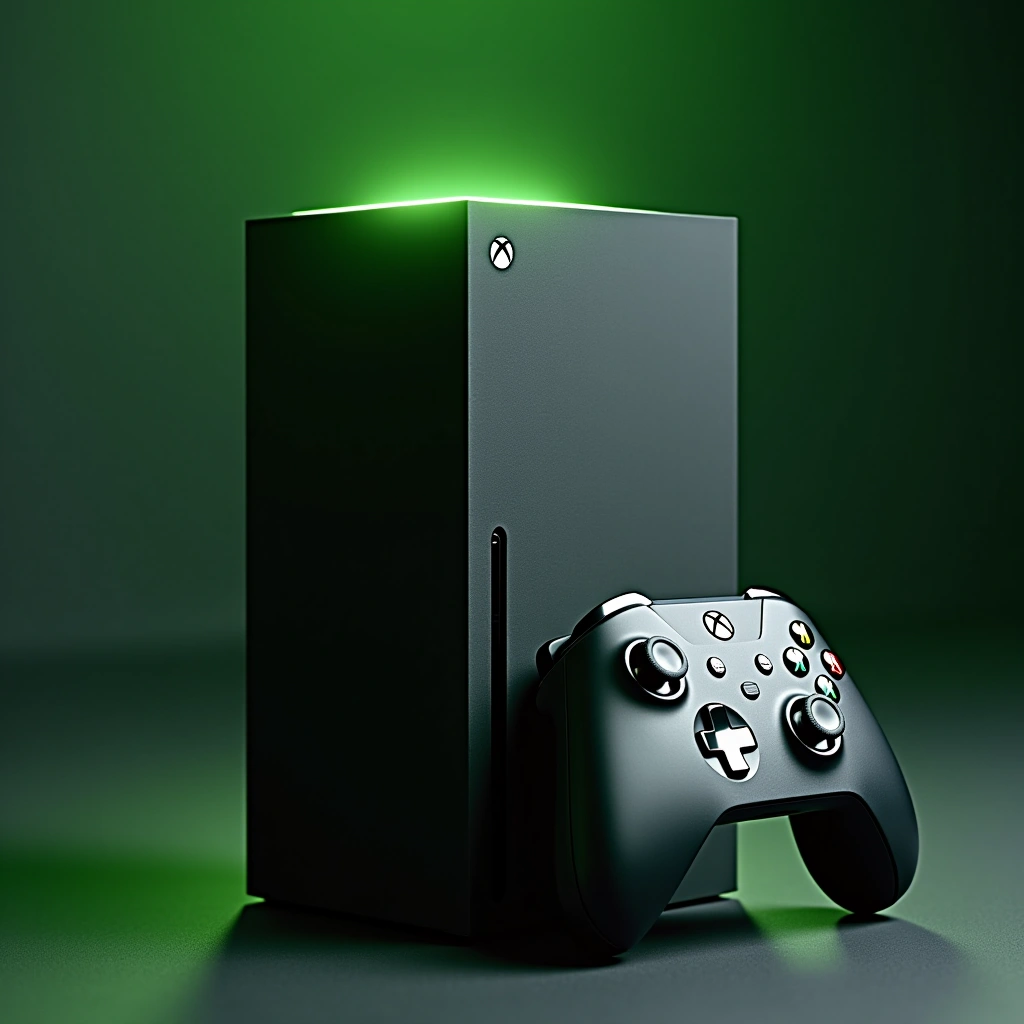
    Ah, the Xbox Series X. The gaming console that has been the talk of the town, or should I say, the talk of the online forums. And now, with its price hitting a staggering $800, it’s clear that gaming enthusiasts are in for a wild ride. But wait, there’s more! Lenovo has thrown a grenade into the conversation by warning that memory prices might ‘never’ return to normal. So, grab your controllers, folks; we’re diving deep into this digital dilemma.

    "We hoped another price increase would not be necessary, and we have spent the last several months working with suppliers on options. Unfortunately, console storage and memory prices have increased by more than 2.5x and we expect another doubling …

    Let’s start with the Xbox Series X. At $800, you might be wondering if this is a console or a small loan. I mean, who needs a mortgage when you can invest in a gaming machine that promises to elevate your gaming experience to cosmic levels, right? But as the price climbs, so does the question: is it worth it? Gamers often debate if the latest graphics and processing power justify the price tag, and with prices like this, you might think it comes with a side of caviar.

    Now, let’s switch gears to the memory prices that Lenovo is talking about. If you’re not familiar with the memory market, let me break it down for you. Memory, or RAM, is a crucial component in any gaming setup. It’s what helps your games run smoothly without the dreaded lag. But with Lenovo suggesting that memory prices may never return to normal, it’s like being told your favorite restaurant has permanently closed its doors. Heartbreaking, isn’t it?

    So, what does this mean for gamers and tech enthusiasts? For starters, if you’ve been waiting for that perfect moment to upgrade your rig, you might want to rethink your strategy. The combined effect of rising console prices and memory costs could mean that the future of gaming is going to be a lot more expensive than we anticipated. It’s almost like the universe is conspiring against our wallets.

    You might be sitting there, thinking, ‘But why are memory prices so high?’ Well, it’s a classic case of supply and demand, my friend. The pandemic threw a wrench into the supply chain, and now we’re left with a shortage that’s driving prices up. It’s like trying to find toilet paper during the early days of COVID, except now it’s your gaming experience that’s at stake.

    In conclusion, as we navigate this new normal, it’s essential to keep our eyes on the market trends. Whether you’re eyeing the Xbox Series X or considering a memory upgrade, be prepared for some sticker shock. And who knows? Maybe one day we’ll look back at these prices and laugh—after all, it’s just money, right? (Insert sarcastic eye roll here.) Until then, let’s keep our fingers crossed that the gaming gods have a change of heart and bring those prices back down to Earth.


    Inspired by: “As Xbox Series X hits $800, Lenovo warns memory prices will likely ‘never’ return to normal | VGC” (r/technology)

  • The Price is Right… or Wrong? The Impact of Memory Chip Issues on iPad and Xbox Prices

    The Price is Right… or Wrong? The Impact of Memory Chip Issues on iPad and Xbox Prices

    If you’ve been eyeing that shiny new iPad or Xbox, you might want to sit down for this one. Prices are soaring, and it’s not just inflation or a sudden surge in popularity. Nope, it’s the infamous memory chip mess that’s causing all sorts of chaos in the tech world. Let’s dive into this sticky situation, shall we?

    Apple hiked iPad and MacBook prices on Thursday, saying it could no longer shield customers from soaring memory and storage chip costs driven by the AI industry's rapid and expansive data center buildout.

    First off, let’s talk about memory chips. These little guys are crucial for just about every device we use today. Think of them as the brain cells of your gadgets. Without them, your iPad wouldn’t be able to run apps, and your Xbox wouldn’t know how to play that sweet, sweet Fortnite. Unfortunately, the memory chip market has been experiencing more drama than a reality TV show. Supply chain disruptions, increased demand, and a sprinkle of global events have led to a chip shortage that’s left manufacturers scratching their heads and consumers reaching for their wallets.

    Now, what does this mean for you, the average consumer? Well, have you noticed that prices for iPads and Xbox consoles have gone up? Shocking, I know! It’s almost like companies want to capitalize on our desperation for the latest tech. The cost of components has skyrocketed, and guess what? Companies aren’t just eating those costs. Nope, they’re passing them right on to us—because why not?

    Let’s break it down a little further. Take the iPad, for example. With the latest models being priced higher than a small car, you might be wondering if it’s made of gold. Well, not quite, but the memory chip shortage has definitely played a role in that price hike. Apple, like many other tech companies, relies heavily on these chips to keep their devices running smoothly. When supply is low, and demand is high, it’s a classic case of economics 101: prices go up.

    And then there’s Xbox. If you thought getting your hands on one was difficult before, the current situation has made it feel like hunting for a unicorn. With prices going through the roof, many gamers are left wondering if they should just stick to their old consoles or invest in a second mortgage to afford the latest model.

    But wait, there’s more! The impact of the memory chip mess isn’t just limited to iPads and Xboxes. It’s affecting a wide range of tech products, from smartphones to laptops. So, if you’re in the market for any tech gadget, you might want to brace yourself for some sticker shock.

    In conclusion, while it’s easy to grumble about rising prices, it’s important to understand the underlying issues at play. The memory chip shortage is a complex problem, and unfortunately, we’re all feeling the effects. So, the next time you see a price tag that makes you want to faint, just remember: it’s not you, it’s the chips. And hey, if you’re really desperate, there’s always the option of waiting for a sale—if you can hold out that long. Good luck!


    Inspired by: “Soaring iPad, Xbox Prices Reveal Pain of Memory Chip Mess” (r/technology)

  • Xbox Price Hikes: What Does It Mean for Gamers?

    Xbox Price Hikes: What Does It Mean for Gamers?

    If you’re an avid gamer or just someone who enjoys the occasional round of Call of Duty, you might want to sit down for this one. It seems that Xbox has decided to spice things up by implementing its third price hike in just 15 months, with every model getting a bump of at least $100. That’s right—$100! Not exactly the kind of surprise we were hoping for when we thought about upgrading our gaming consoles.

    Xbox is also sunsetting its 2TB Galaxy Black edition Series X. That console cost $800 after last year’s price increases, but it seems Xbox can no longer afford the cost of memory for its gaming consoles. The price gouging announcement has arrived the same day gamers started putting their money down on the $80 Grand Theft Auto VI.

    Now, let’s unpack this a bit. First off, three price hikes in a year and a bit? That’s practically a trend at this point. I mean, if you were a stock market analyst, you’d probably be pulling out your hair trying to figure out what’s going on. But for us, the consumers, it raises a few eyebrows and perhaps a few blood pressures as well.

    You might be wondering what could possibly justify such a price increase. Is it the cost of living in the gaming world? Did they buy a few too many avocado toasts for brunch? Or perhaps the developers are now demanding payment in gold bars? Who knows! All we know is that this hike is leaving many gamers feeling more than just a little bit salty.

    As it stands, the price increase means that the Xbox Series X, Series S, and all those models we’ve come to know and love are now a bit more expensive. Great! Just what we needed. With inflation hitting us on every front—gas prices, groceries, and now gaming consoles—it feels a bit like being poked in the eye with a stick.

    But let’s not forget the silver lining: Xbox has been rolling out some pretty great games and services. Game Pass? Fantastic. Exclusive titles? Awesome. But somehow, these shiny new features don’t quite seem to soften the blow of having to fork over an extra Benjamin just to get your hands on the latest hardware.

    So, what are the implications of this price hike? For starters, it could mean fewer people jumping onto the Xbox bandwagon. If you thought the console wars were fierce before, just wait until you see the battle of the wallets. Gamers might start weighing their options more seriously, looking at alternatives like the Nintendo Switch or the PlayStation 5, which are either holding steady or, in some cases, offering better value.

    In the end, it’s a waiting game. Will Xbox fans stick around despite the price hikes? Will they find solace in the vast library of games available? Or will they take their hard-earned cash elsewhere? Only time will tell, but one thing’s for sure: the gaming community is going to have a lot to say about this. So, grab your popcorn, folks, and let’s see how this drama unfolds.

    In the meantime, if you’re not already hoarding your cash for that new console, maybe it’s time to start. Because at this rate, who knows what the price will be next month? Happy gaming (and budgeting)!


    Inspired by: “The third Xbox price hike in 15 months raises all models by at least $100” (r/technology)

  • PlayStation Console Sales Plummet: A Look at the Numbers

    PlayStation Console Sales Plummet: A Look at the Numbers

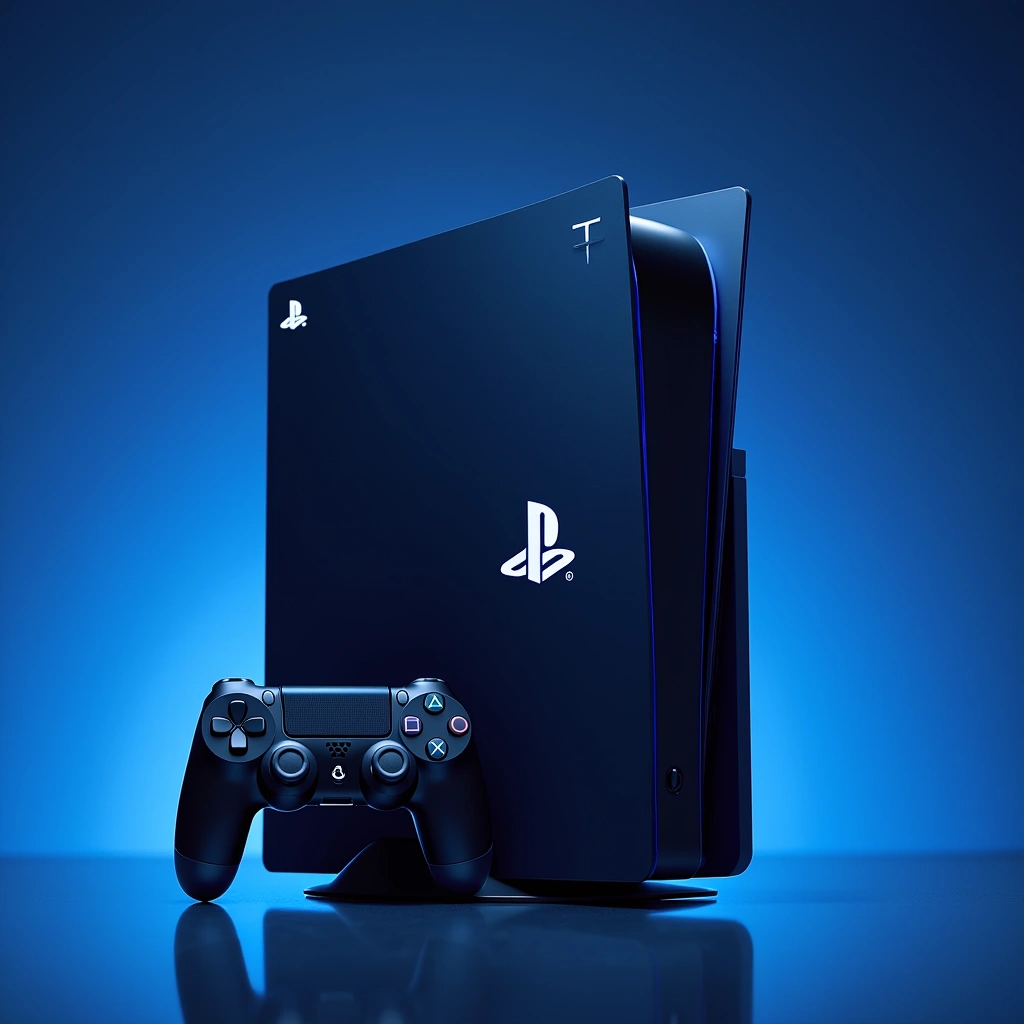
    Well, folks, it seems like the PlayStation isn’t exactly winning any popularity contests these days. In fact, recent reports have revealed that PlayStation console sales have hit their lowest total since 2000, plummeting a staggering 58%. Yes, you heard that right—a drop so steep, it could give an Olympic diver a run for their money!

    Those price rises appear to have dented PS5 sales in the U.S. in May, when, according to new Circana data, PS5 spending fell 43% year-on-year, and unit sales plummeted 58%. Xbox didn’t do much better.

    Now, before we dive into the nitty-gritty of these sales figures, let’s take a moment to appreciate just how far we’ve come since the year 2000. Back then, we were still trying to figure out how to operate a flip phone, and the idea of streaming games was as far-fetched as your uncle’s conspiracy theories about aliens. The original PlayStation had already made waves, and the PlayStation 2 was just around the corner, ready to take the gaming world by storm. Fast forward to today, and we’ve got a plethora of gaming options—mobile, PC, and of course, our beloved consoles.

    So, what in the world is happening with PlayStation? One might wonder if they accidentally ran out of chips or if they’ve been too busy focusing on their fancy new VR headset to realize that people still want to buy consoles. The gaming landscape has transformed dramatically over the years, and with the rise of cloud gaming and subscription services, it seems that players are starting to reconsider their options.

    Let’s talk about the elephant in the room: the competition. Microsoft has been flexing its muscles with the Xbox Series X and Game Pass, and Nintendo continues to charm us all with its quirky titles and the ever-adorable Mario. Meanwhile, PlayStation appears to be stuck in a bit of a rut, struggling to keep its head above water while the competition swims by, waving enthusiastically.

    And then there’s the chip shortage. Yes, that pesky little problem that has been plaguing the tech industry for what feels like an eternity. It’s enough to make anyone want to pull their hair out. The shortage has made it difficult for companies to manufacture enough consoles to meet the growing demand. This has led to frustrated gamers, empty shelves, and a secondary market where prices are higher than your average hipster’s avocado toast.

    Now, let’s not forget about the pandemic. While it did lead to a surge in gaming as people sought ways to escape the reality of lockdowns, it also changed the way we think about gaming entirely. With more people working from home and spending time indoors, the demand for gaming has increased—but so has the competition from mobile games and streaming platforms. It’s like a buffet where everyone’s trying to grab a plate at once, and PlayStation’s just standing there wondering where all the food went.

    So, what does this mean for the future of PlayStation? Will they pull a rabbit out of a hat and bounce back like a seasoned gymnast? Or are we witnessing the slow decline of a once-mighty titan? Only time will tell. In the meantime, if you’re thinking about getting a new console, maybe consider waiting a bit. Who knows? You might just find a treasure trove of PlayStation games at your local thrift store in a few years when everyone’s decided to jump ship.

    In conclusion, the recent drop in PlayStation console sales is a wake-up call for the gaming giant. They need to innovate, adapt, and find a way to reclaim their throne in an ever-evolving market. Otherwise, they might just find themselves reminiscing about the good old days when selling consoles was as easy as pie. And let’s be real, who doesn’t love pie?


    Inspired by: “PlayStation console sales hit lowest total since 2000 falling 58%” (r/technology)

  • The Great Digital Movie Exodus: Why PlayStation’s Deletion of 551 Movies Should Concern Us All

    The Great Digital Movie Exodus: Why PlayStation’s Deletion of 551 Movies Should Concern Us All

    Ah, the joys of digital ownership! Just when you thought you had everything figured out in your quest for the ultimate home entertainment system, PlayStation decides to drop a bombshell: they’re deleting 551 movies from customers’ accounts. Yes, you heard that right. Five hundred and fifty-one! That’s a lot of popcorn you’ll never get to enjoy.

    The decision has sparked a backlash online, and fuelled concern around ownership of digital media. Video game preservation is a hot topic within the industry, but the issue of content removal from digital platforms is top of mind of movie and …

    Now, before you start throwing your controller at the wall, let’s take a moment to unpack what this really means. First off, it’s a stark reminder that nothing in the digital realm is ever truly ours. You might think you’ve bought a movie, but in reality, you’ve merely rented it for an undetermined amount of time. Kind of like that time you thought you were in a committed relationship, only to find out they were just using you for your Netflix account.

    This recent PlayStation purge has left many users scratching their heads and wondering if they should go back to buying physical copies of movies—those dusty discs that take up space and can double as coasters. Sure, physical media has its downsides, like needing to actually get off the couch to change the disc or, heaven forbid, having to deal with scratches. But at least if you own a movie on DVD, you know you can watch it whenever you want, even if it means blowing the dust off your old player.

    But let’s not get too nostalgic. After all, digital ownership was supposed to be the future! No more clutter, no more shelves filled with movies you’ll never watch again. Just pure, unadulterated convenience—until it’s not. The reality is that digital platforms like PlayStation, Amazon, and others can take away your purchases at any moment, often with little to no warning. It’s like being in a bad magic show where the magician just decides to make your favorite movie disappear because they felt like it.

    Now, I know what you’re thinking: “But I have a receipt!” Well, my friend, that receipt doesn’t mean much when the terms and conditions you didn’t read (because who does?) state that the service can revoke access at any time. It’s like signing a lease where the landlord can kick you out for no reason at all. Fun, right?

    So, what can we do about this digital dilemma? First, let’s raise awareness. Share your stories of digital heartbreak with your friends and family. Maybe even start a support group—”Digital Owners Anonymous”—where you can all sit around and reminisce about the good old days of physical media. Or, if you’re feeling particularly rebellious, consider investing in some physical copies of your favorite films. Just think of it as a way to fight back against the soulless void of corporate greed.

    In conclusion, PlayStation’s deletion of 551 movies is not just a quirky headline; it’s a wake-up call for all of us. It highlights the fragility of our digital lives and the fact that we should never take digital ownership for granted. As we continue to embrace this brave new world of streaming and downloads, let’s remember: if it’s not in your hand, it might just disappear into the digital ether. So, grab your favorite DVDs while you can, and maybe think twice before buying that next digital movie. After all, who needs 551 reminders that nothing digital is ever truly ours?


    Inspired by: “PlayStation is Deleting 551 Movies From Customers’ Accounts, Reminding Us Nothing Digital is Ever T…” (r/technology)

  • PlayStation Sales Take a Dive: The Price Hike That Left Gamers Reeling

    PlayStation Sales Take a Dive: The Price Hike That Left Gamers Reeling

    In a shocking twist that has left gamers both bewildered and slightly amused, PlayStation console sales have plummeted to their lowest total for May in a staggering 26 years. That’s right, folks! We’re talking about a time when people still thought dial-up internet was the pinnacle of technology. So, what exactly happened? Well, it seems the recent price increase for the PS5 has left a sour taste in the mouths of potential buyers, and honestly, who can blame them?

    PlayStation saw a massive 50% drop in first-party sales between 2020 and 2024, prompting many to wonder how the firm recovers from here.

    Let’s break this down. The PS5, which launched with much fanfare (and a few supply chain hiccups), has been the darling of the gaming world since its debut. It’s sleek, it’s powerful, and it can run games so beautifully that you might just forget what reality looks like. But, as we all know, nothing good can last forever. Enter the price hike, which has sent gamers into a frenzy.

    To put it simply, the PS5 is now priced higher than a premium subscription to a streaming service that you’ll probably forget to cancel. With the price tag climbing, many gamers are now left to contemplate whether they should invest in a next-gen console or just stick with their trusty old PS4, which has served them well over the years. After all, who doesn’t love a little nostalgia mixed with a healthy dose of frustration when trying to load a game?

    Now, let’s not kid ourselves; the gaming community is a fickle bunch. We’re talking about people who will camp out for days for the latest console, only to later complain about a price increase as if it’s the end of the world. In light of these sales figures, it seems that many have decided to hold off on making the leap to the PS5, preferring instead to stick with what they know (and what doesn’t cost an arm and a leg).

    But here’s the kicker – the gaming industry thrives on trends, and trends can change faster than a Fortnite match. It’s entirely possible that this dip in sales is just a temporary hiccup. After all, gamers are nothing if not resilient. They’ll wait for sales, bundles, and maybe even a few sweet deals on used consoles. Who doesn’t love a good bargain?

    Moreover, with competitors like Xbox and Nintendo constantly innovating and offering compelling alternatives, PlayStation will need to think long and hard about how to turn this ship around. A price drop? Maybe. A new exclusive title that’s so good it makes you forget you’re broke? Absolutely.

    In conclusion, while the news of the lowest May sales in 26 years might sound catastrophic, it’s important to remember that the gaming world is a rollercoaster of highs and lows. So, whether you’re a die-hard PlayStation fan or just someone who occasionally dabbles in gaming, let’s keep our fingers crossed for a brighter (and cheaper) future in the realm of console gaming. And who knows? Maybe that long-awaited price drop will come just in time for the holidays – because nothing says ‘happy holidays’ like a shiny new console that doesn’t require you to take out a second mortgage.


    Inspired by: “PlayStation Console Sales Fell to Their Lowest May Total in 26 Years Following PS5 Price Rise” (r/technology)

  • Nintendo’s Generous Gesture: A 10% Salary Increase for Employees

    Nintendo’s Generous Gesture: A 10% Salary Increase for Employees

    In a move that has left gamers and employees alike cheering, Nintendo has announced a 10% increase in its base salary for employees. Yes, you read that right—10%! That’s not just a few extra bucks for a cup of coffee; it’s a solid boost that could make a real difference in the lives of those who work behind the scenes to bring us our beloved Mario, Zelda, and whatever that pink puffball is named. (Seriously, how does Kirby even work?)

    Although it’s not clear if Nintendo’s 10 percent salary hike will apply to workers outside of Japan, some contract staff at Nintendo of America in Redmond, Washington said they recently saw substantial pay increases after months of pressing management on the issue.

    Now, you might be wondering why this is such a big deal. After all, companies raise salaries all the time, right? Well, yes, but let’s put this into perspective. The gaming industry has been under scrutiny for a while now, with many companies facing backlash over poor working conditions and low pay. So, when a giant like Nintendo steps up to the plate, it’s worth taking a moment to appreciate.

    For context, Nintendo has long been a staple in the gaming world, beloved for its innovative games and iconic characters. But like any other company, they’ve faced challenges, including the recent trend of employees feeling overworked and underappreciated. So, this salary bump is not just a nice gesture; it’s a strategic move to retain talent and enhance job satisfaction. After all, happy employees are productive employees, and we can all agree that nobody wants to play a game developed by someone who’s had a rough day at the office.

    But let’s not get carried away here. A 10% raise might seem generous, but in the grand scheme of things, it’s like getting a slice of cake when you were hoping for the whole thing. Sure, it’s delicious, but it’s not exactly a feast. In an industry where crunch time is a real thing and burnout is as common as a Mario power-up, one has to wonder if this salary increase is a genuine effort to improve working conditions or just a way to keep the PR machine running smoothly.

    Still, it’s a step in the right direction. Employees at Nintendo can now enjoy the sweet taste of a little more financial freedom. Maybe they can finally afford that limited edition console they’ve been eyeing. Or perhaps they’ll simply be able to pay their bills without having to resort to living on instant ramen. (No judgment here; we’ve all been there.)

    The announcement has sparked a flurry of discussions on social media, with many praising Nintendo for its decision. Some are even jokingly suggesting that if the company really wants to keep its employees happy, they should consider a few more perks—like unlimited access to all Nintendo games. I mean, who wouldn’t want to get paid to play Super Smash Bros. all day?

    In conclusion, while a 10% salary increase is undoubtedly a positive move for Nintendo employees, it’s essential to keep the conversation going about workplace conditions in the gaming industry. Let’s hope this raises the bar for other companies and encourages them to follow suit. After all, it’s not just about making games; it’s about making a workplace that values and supports its employees. And if that means a few more raises and a lot less crunch time, then count me in. Now, if you’ll excuse me, I have to go check my bank account to see if I can afford that new game release.


    Inspired by: “Nintendo has raised its employees base salary by 10%” (r/technology)

  • AI Translations: The $70 Million Gamble in Anime, Manga, and Gaming

    AI Translations: The $70 Million Gamble in Anime, Manga, and Gaming

    So, you’ve probably heard the news that Japanese anime, manga, and gaming publishers are reportedly receiving a cool $70 million to ‘encourage’ AI-generated translations. Yes, you read that right—$70 million! That’s a lot of cash, even in a world where a latte can cost as much as a used car. But what does this mean for us, the viewers, readers, and gamers who rely on these translations to enjoy our favorite content?

    Japanese Anime, Manga And Gaming Publishers Are Reportedly Being Paid $70 Million To ‘Encourage’ AI-Generated Translations

    Let’s break it down. First off, AI-generated translations have been a hot topic lately. While they can be incredibly efficient and cost-effective, they often leave much to be desired when it comes to nuance, humor, and cultural context. You know, the things that make anime so delightfully weird and manga so captivating. If you’ve ever watched a poorly subbed anime, you know exactly what I mean. Remember that time you saw a character say “I love you” when the original line was more like “You’re my best friend”? Yeah, that was awkward.

    Now, with this hefty investment, publishers are hoping to fine-tune AI translations to be less ‘robotic’ and more ‘human.’ It’s like giving a toddler a million-dollar education plan and hoping they’ll grow up to be a genius. Will it work? Time will tell, but let’s face it, if AI can learn to beat humans at chess and Go, maybe it can learn to make sense of Japanese puns too?

    However, there’s a catch. The idea of AI translations raises some eyebrows in the industry. Will this mean less work for translators who have dedicated their lives to mastering the intricate art of localization? Will the charm of a skilled translator’s touch be lost in the cold, calculating world of AI? One can only imagine a future where our beloved characters are reduced to a string of flat, emotionless dialogue. I mean, who wants to watch a heartwarming scene where a character confesses their feelings only to hear it translated as, “I have high levels of affection for you”? No thanks!

    And let’s not forget the potential for cultural faux pas. AI might translate words correctly, but it can’t quite grasp the cultural significance behind them. A simple phrase in Japanese can carry layers of meaning, and if an AI tries to interpret it, we might end up with some hilarious (and by hilarious, I mean cringe-worthy) misunderstandings. Imagine your favorite anime character delivering a heartfelt monologue only for the AI to interpret it as, “I like pizza.” I don’t know about you, but that’s not exactly what I signed up for.

    On the flip side, there’s something to be said for the efficiency of AI. With the demand for content increasing globally, publishers are under pressure to deliver faster and cheaper translations. This investment could mean quicker access to new titles and reduced waiting time for fans. So, if you’re itching to get your hands on the latest manga or game, this might not be the worst thing in the world.

    In conclusion, while the $70 million investment in AI-generated translations could revolutionize the way we consume our favorite Japanese media, it’s a double-edged sword. We’re all for innovation, but let’s hope that in the process, we don’t lose the heart and soul that comes with human translation. After all, we want our characters to express love, not just high levels of affection. So here’s to hoping that this AI endeavor strikes the right balance—and maybe, just maybe, we’ll be laughing at the right jokes in our favorite shows again!


    Inspired by: “Japanese Anime, Manga And Gaming Publishers Are Reportedly Being Paid $70 Million To ‘Encourage’ AI…” (r/technology)

  • Tim Sweeney’s Vision: The Future of Gaming, AI, and the Monopoly Myth

    Tim Sweeney’s Vision: The Future of Gaming, AI, and the Monopoly Myth

    So, it looks like Tim Sweeney, the big cheese over at Epic Games, has been doing some serious thinking about the direction of gaming. In a recent interview, he shared his insights on the future of games, the rising influence of AI, and a rather interesting take on whether Valve and Epic will ever join forces. Spoiler alert: he doesn’t think it’s happening anytime soon, and he’s got a pretty good reason for that.

    It's now clear that nobody's going to end up with an absolute monopoly over gaming. Sony is not going to have one, Microsoft's not going to have one, Valve's not going to have one, Apple's not going to have one, Google is not going to have one.

    Let’s unpack this, shall we? First off, Sweeney made it clear that the gaming landscape is evolving, and he seems to believe that it’s all for the better. With the ever-growing role of AI in gaming, it’s no surprise that he’s optimistic about how these technologies can enhance player experiences. Imagine a world where NPCs are not just glorified cardboard cutouts but actual characters with depth, emotions, and maybe even a sense of humor—though let’s not get too carried away. We all know how much we love those quirky characters that just seem to ‘get’ us, right?

    Now, onto the juicy stuff: monopolies. Sweeney stated, “It’s now clear that nobody’s going to end up with an absolute monopoly.” This is a refreshing take, especially in an industry where big players often seem to be playing a game of ‘who can buy out the competition first.’ It’s almost like watching a high-stakes poker game, where the chips are actually the future of gaming. In a world where companies like Microsoft and Sony are constantly trying to one-up each other, it’s nice to hear someone point out that competition is alive and well.

    He believes that the gaming ecosystem is diverse enough that no single company can dominate it completely. And honestly, isn’t that what we want? A variety of games, platforms, and experiences? Because let’s face it, if one company ruled them all, we’d probably end up with a lot of cookie-cutter games that all feel the same. We’d be stuck in a never-ending loop of sequels, remakes, and reboots—oh wait, that’s already happening.

    But let’s not get sidetracked. Sweeney’s comments hint at a more collaborative future where companies can coexist and compete without resorting to cutthroat tactics. He didn’t exactly pull any punches when discussing Valve, either. The idea of Epic and Valve joining forces seems about as likely as me winning the lottery while simultaneously being struck by lightning (which, let’s be honest, would probably happen to me). Sweeney’s stance suggests that both companies are too entrenched in their ways to consider merging, and honestly, who can blame them?

    In conclusion, Tim Sweeney’s insights offer a glimpse into a future where gaming continues to thrive through innovation and competition rather than through monopolization. AI is set to change the game (pun intended), and while we might not see Epic and Valve teaming up anytime soon, we can at least look forward to a diverse range of gaming experiences. So, let’s raise a virtual glass to that—cheers to the future of gaming, where we can enjoy our titles without worrying about one company calling all the shots. And remember, if you ever find yourself in a game with a particularly witty NPC, just know that AI might be on its way to becoming your new best friend—or at least a mildly entertaining sidekick.


    Inspired by: “Epic Games CEO Tim Sweeney on the future of games, AI, and whether Valve will ever join forces with…” (r/technology)

  • Valve Steam Machine: A $1,175 Gaming Console That Sold Out in Japan? What’s Going On?

    Valve Steam Machine: A $1,175 Gaming Console That Sold Out in Japan? What’s Going On?

    If you’ve ever wondered what it takes to sell a gaming console at a jaw-dropping price of $1,175, look no further than the Valve Steam Machine. Yes, you heard me right! This little beauty has somehow managed to sell out in Japan, despite its price tag that could probably buy you a decent used car or at least a week’s worth of takeout food. But here we are, facing the baffling reality that gamers are lining up to fork over their hard-earned cash for a machine that, let’s be honest, could make you question your life choices.

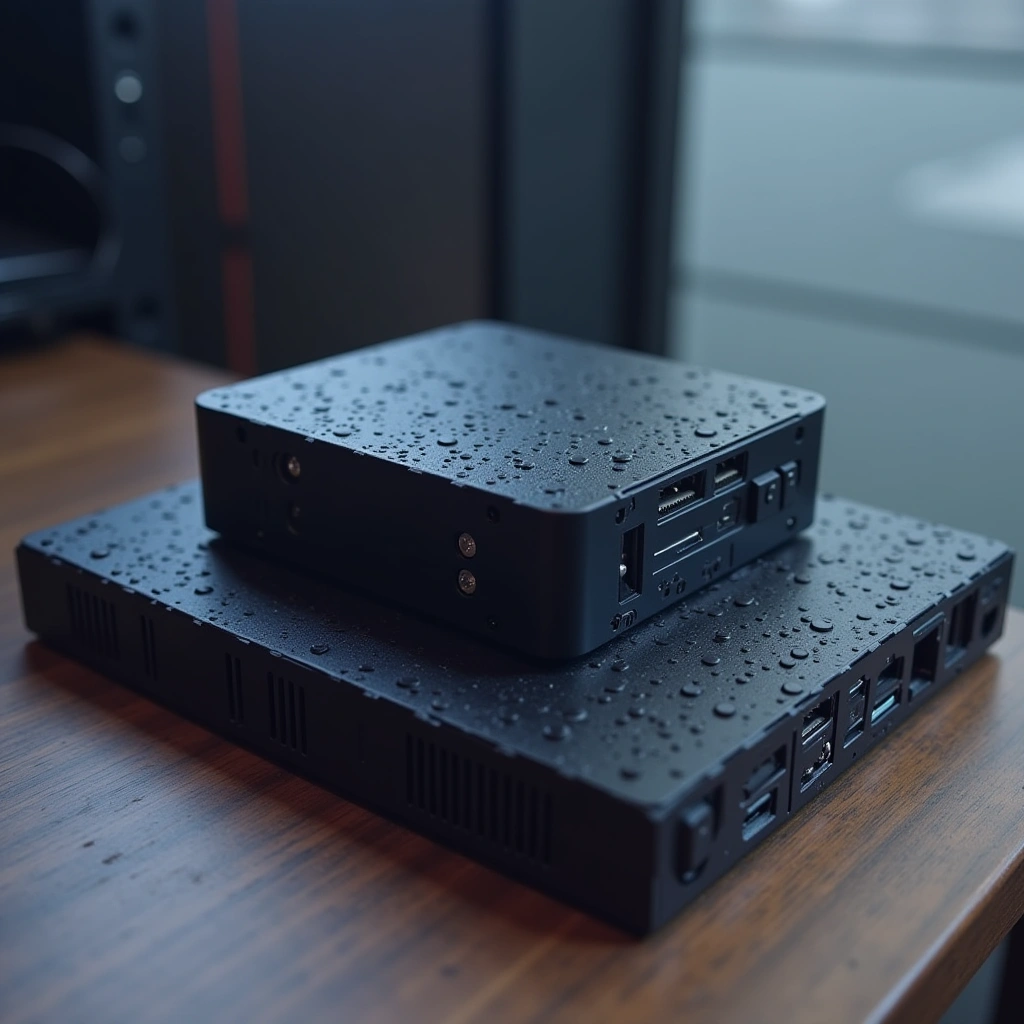
    The system was made available directly through the store, with all four Japanese configurations now listed as sold out. This includes the 512GB model, 512GB model with Steam Controller, 2TB model, and 2TB model with Steam Controller.

    So, what is a Steam Machine, you ask? In simple terms, it’s Valve’s attempt to bring PC gaming to the living room, packaged in a console-like format. Think of it as a bridge between the vast world of PC gaming and the comfort of your couch. It runs on SteamOS, which is based on Linux, and it’s designed to let users play their favorite games without the hassle of building a custom rig. Sounds great, right? Well, it’s not all sunshine and rainbows.

    First off, let’s address the elephant in the room: the price. At $1,175, it’s not exactly a budget-friendly option. You could easily assemble a high-performance gaming PC for less, complete with RGB lighting that could double as a nightclub. Yet, there’s something about the allure of a console that makes it appealing. Maybe it’s the simplicity of just plugging it in and playing without a PhD in computer science. Or perhaps it’s the idea of having a sleek, shiny box that sits next to your TV, making you look like a tech-savvy guru.

    But why did it sell out in Japan? That’s the million-dollar question (or, in this case, the $1,175 question). Japan has a long-standing love affair with gaming and technology, often leading the charge in embracing new gadgets. It’s a place where even the most bizarre tech trends can find a dedicated audience. The Steam Machine might be seen as a novelty, a piece of tech that’s a little different from the norm. Plus, let’s not forget that Japan has an extensive gaming culture, and the thought of bringing PC gaming into the living room might have struck a chord with many.

    And then there’s the marketing. Valve has a knack for creating hype around its products, and the Steam Machine is no exception. With its promise of a seamless gaming experience and access to a massive library of games, it’s easy to see why some would take the plunge despite the steep price. After all, who wouldn’t want to play the latest AAA titles from the comfort of their couch, preferably while wearing pajamas and eating snacks?

    Now, before you rush out to buy one for yourself, it’s worth noting that the Steam Machine isn’t without its drawbacks. The gaming library on SteamOS isn’t as extensive as on Windows, and some games may not run as smoothly as they would on a traditional PC. But hey, who needs smooth gameplay when you can have a fancy box sitting in your living room, right?

    In conclusion, the Valve Steam Machine selling out in Japan is an intriguing phenomenon. It’s a blend of nostalgia, novelty, and the Japanese love for tech that has created a perfect storm for this overpriced console. Whether it’s a fad that will fade away or a trend that will take off remains to be seen. But for now, if you’re in Japan and want a Steam Machine, you’d better be prepared to pay top dollar or wait patiently for the next batch to roll out.

    And who knows? Maybe one day we’ll all look back on this and laugh—while still sitting on our couches, gaming away, and wondering why we ever thought spending over a grand on a console was a good idea.


    Inspired by: “Valve Steam Machine sells out in Japan despite $1,175 starting price” (r/technology)