
Category: AI

  • The Dark Side of Crypto: How $7.1 Million Turned into a Murder Mystery

    The Dark Side of Crypto: How $7.1 Million Turned into a Murder Mystery

    In this video, we delve into the mysterious deaths and disappearances of crypto moguls — stories filled with twists, secrets, and dark suspicions. Are these unfortunate events mere coincidences, or is something more sinister lurking in the shadows?

    Ah, cryptocurrency—the digital currency that promises to revolutionize our financial systems, let you buy pizza without the prying eyes of your bank, and apparently, it can also fund a murder-for-hire ring. Yes, you read that right. In a bizarre twist of events, authorities in the UAE and Sweden have arrested seven individuals linked to a staggering $7.1 million crypto laundering operation that has ties to organized crime and contract killings.

    Now, I know what you’re thinking: “How did we get here?” Well, let’s break it down. The world of cryptocurrency is often painted as a wild west, where anything goes, and apparently, that includes laundering money for nefarious purposes. Investigators have traced the network’s crypto transactions, revealing a tangled web of deceit that would make any true crime aficionado’s head spin.

    It seems that while the rest of us are figuring out how to navigate our digital wallets and hoping our investments in Bitcoin will pay off, these folks were busy turning their crypto gains into something much darker. The operation allegedly involved using digital currencies to mask the origins of illicit funds, which is not exactly the kind of use case that Satoshi Nakamoto had in mind when they created Bitcoin.

    So, who are these seven individuals? While the authorities have kept their identities under wraps (because, you know, they might still be trying to catch the big fish), we can assume they are not your average crypto enthusiasts. More likely, they are the type of people who think a good time involves plotting contract killings and laundering money instead of, say, attending a blockchain conference.

    The arrests were made after extensive investigations revealed connections between the laundering ring and organized crime. It’s almost as if they took a page out of a crime drama series—except instead of flashy cars and high-speed chases, it was all about digital wallets and encrypted transactions.

    What’s particularly fascinating (and slightly terrifying) is how quickly the crypto space can spiral into chaos. Just a few bad actors can tarnish the reputation of an entire industry that has so much potential for good. It’s a classic case of a few bad apples ruining the bunch. But hey, maybe this will serve as a wake-up call for those who think crypto is all about get-rich-quick schemes and not about potential criminal enterprises.

    In a world where you can buy a cup of coffee with Bitcoin or invest in a meme coin that’s somehow worth billions, it’s crucial to remember that with great power comes great responsibility. The ease of transferring large sums of money anonymously is both a blessing and a curse. For every legitimate transaction, there’s a chance that someone out there is using those same tools for something downright sinister.

    As we await more details on this case, it’s clear that the intersection of cryptocurrency and organized crime is a topic that will continue to be in the spotlight. So, if you thought the world of crypto was all about digital currencies and blockchain technology, think again. It’s also about crime rings, law enforcement, and the occasional plot twist that would make even the most seasoned detective raise an eyebrow.

    In conclusion, let’s hope that this arrest sends a message to anyone considering using crypto for illegal activities. Because while it might seem like a foolproof plan at the moment, the long arm of the law has a way of catching up with you. And you definitely don’t want to be on the receiving end of a contract killing—unless, of course, you’re talking about a bad pizza delivery. That’s a different story altogether.


    Inspired by: “UAE, Sweden Arrest Seven Over $7.1M Crypto Laundering Ring Linked to Contract Killings” (r/Crypto)
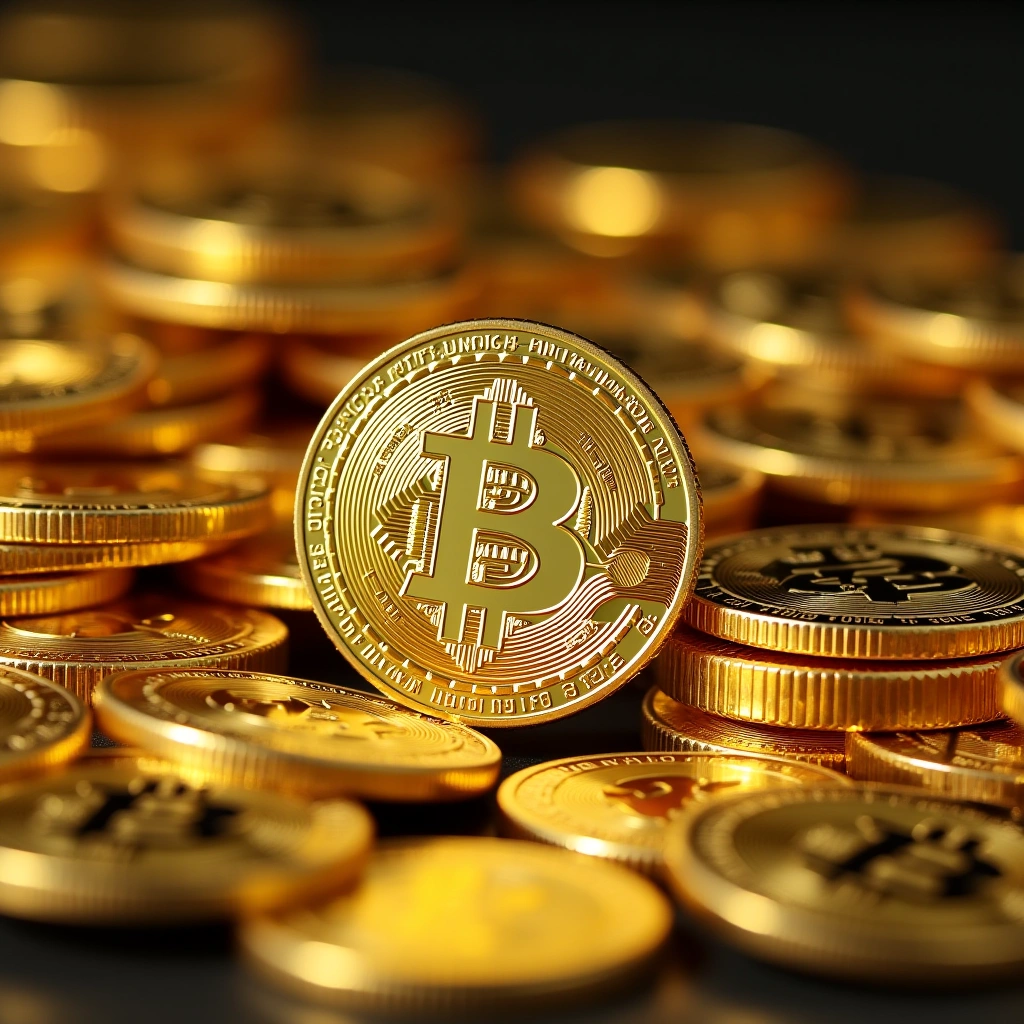

  • Bitcoin vs. Gold: The Battle of the Ages (According to JPMorgan)

    Bitcoin vs. Gold: The Battle of the Ages (According to JPMorgan)

    JPMorgan says Bitcoin could outperform gold if ETF hedging eases , while Eric Balchunas sees Bitcoin ETFs tripling gold in assets.

    Alright, folks, gather around! We need to talk about a hot topic that’s hotter than your morning coffee: Bitcoin. Yes, that digital currency that’s either going to make you a millionaire or have you crying into your keyboard. Recently, JPMorgan, the financial institution that’s been around longer than some of us have been breathing, has made a bold claim that Bitcoin (BTC) might just outperform gold. Yes, you heard that right. Gold, the shiny metal that’s been the go-to for wealth storage since the days of yore, is about to meet its match.

    Now, before you start throwing your gold bars out the window in excitement, let’s break down what JPMorgan is actually saying. According to their experts (because who doesn’t love a good expert?), the short interest in Bitcoin Exchange-Traded Funds (ETFs) combined with some hedging gaps could give BTC the upper hand over gold. So, what does that mean for you? Well, if you’re a Bitcoin enthusiast, it’s time to start polishing your virtual trophy. If you’re more of a goldbug, you might want to hold off on that new gold-plated toilet.

    Let’s get into the nitty-gritty. Short interest refers to the number of shares sold short but not yet covered or closed out. In the world of Bitcoin ETFs, this means a lot of investors are betting against Bitcoin. But here’s the kicker: when those investors are wrong (and they often are, just ask my betting history), it can lead to a price surge as they scramble to buy back those shares. So, if you’re sitting there thinking, ‘Why would anyone bet against Bitcoin?’—well, they do, and it could lead to some explosive price action.

    Then there’s the concept of hedging gaps. This is where things get a bit technical, but I promise to keep it simple—kind of like explaining the plot of a bad rom-com. In essence, if there’s a lack of hedging options available for Bitcoin, it could create a situation where demand outstrips supply, pushing prices up. You know, simple economics—like when everyone suddenly wants the same limited-edition sneakers.

    So, what does this mean for the average Joe? Well, if you’ve been thinking about investing in Bitcoin, now might be the time to do a little research (and by research, I mean scrolling through Twitter and reading the latest memes). JPMorgan believes that Bitcoin could potentially become a more attractive investment than gold, especially for those looking for a hedge against inflation. And let’s face it, with inflation rates looking like they’re trying to break a world record, who wouldn’t want to hedge against that?

    Of course, this isn’t financial advice (because I’m not a financial advisor, and you shouldn’t take investment tips from someone who once lost money on Beanie Babies). Always do your homework and consider your risk tolerance. But it does raise an interesting question: is Bitcoin really the new gold? Or is it just a shiny new toy that everyone is obsessed with?

    In conclusion, while JPMorgan’s predictions may sound like they’re plucked straight from a financial thriller, they do highlight the growing interest in Bitcoin and its potential to outperform traditional assets like gold. Whether you’re team Bitcoin or team Gold, one thing is for sure: the financial world is changing, and we all get to watch it unfold—preferably with a snack in hand. Stay tuned for more updates, and remember, don’t invest more than you can afford to lose (like that overpriced coffee you just bought).


    Inspired by: “Bitcoin Price Forecast: For JPMorgan BTC Could Outperform Gold” (r/Crypto)

  • U.S. Treasury Cracks Down on BitBank: The Crypto Exchange That Didn’t Know When to Quit

    U.S. Treasury Cracks Down on BitBank: The Crypto Exchange That Didn’t Know When to Quit

    US Treasury sanctions BitBank and associates of Babak Zanjani, accusing the network of moving hundreds of millions in Bitcoin to Iran’s IRGC.

    In a move that’s making waves in the cryptocurrency world (and probably causing a few headaches in Iran), the U.S. Treasury Department has decided to expand its sanctions on BitBank, an Iranian cryptocurrency exchange. Yes, you heard that right—BitBank is now officially on the naughty list. So, grab your popcorn; this is going to be an interesting ride!

    The Office of Foreign Assets Control (OFAC) has labeled BitBank as a facilitator for some pretty serious financial shenanigans, specifically involving the transfer of hundreds of millions of dollars in Bitcoin to the Islamic Revolutionary Guard Corps (IRGC). If you’re not familiar with the IRGC, think of them as the group that makes bad decisions seem like a hobby.

    But wait, there’s more! BitBank isn’t just casually moving money around; they’ve also been implicated in a maritime insurance scheme that transfers payments to the Iranian regime. You know, just your average Tuesday for a cryptocurrency exchange. It’s almost like they were asking to be noticed by the U.S. government.

    As if that wasn’t enough, the sanctions didn’t stop at BitBank. They decided to throw in a few more names for good measure, including BitBank’s developer, Pishtaz Simorgh Electronic Trade Company, and three associates tied to financier Babak Zanjani. If you’re keeping score, that’s a lot of people getting a one-way ticket to Sanction City.

    Now, you might be wondering—what does this mean for the average Joe or Jane who just wants to dabble in cryptocurrency? Well, it’s a bit of a mixed bag. On one hand, it’s a clear message that the U.S. is serious about cracking down on financial activities that circumvent existing sanctions. On the other hand, it’s a reminder that the crypto world can be a bit like the Wild West. Just when you think you’re safe, a sheriff shows up and starts handing out citations.

    For those who might be thinking of investing in cryptocurrencies, this is a good time to remember that not all exchanges are created equal. Some are a bit more… shall we say, ‘connected’ to controversial activities than others. It’s essential to do your homework and ensure you’re not inadvertently supporting a regime that’s on the outs with the rest of the world.

    In conclusion, the expansion of sanctions on BitBank is a significant step in the U.S. government’s ongoing efforts to disrupt financial activities that it deems problematic. Whether you’re a crypto enthusiast or just someone who likes to keep an eye on the financial world, this is a story worth following. Who knows? The next time you hear about a crypto exchange, it might just be getting a visit from the Treasury Department. And let’s be honest, nobody wants that kind of attention.

    So, stay informed, stay safe, and happy trading—just maybe avoid any exchanges that sound like they’ve been up to no good!


    Inspired by: “U.S. Treasury Expands BitBank Sanctions Over Iran Bitcoin Links” (r/Crypto)

  • US Sanctions on BitBank: A Ripple Effect in the Crypto World

    US Sanctions on BitBank: A Ripple Effect in the Crypto World

    The United States has imposed sanctions on cryptocurrency exchange BitBank for providing support to the Iranian government . The designation targets the platform's alleged role in facilitating transactions that benefit Iran, marking the latest enforcement action against digital asset firms linked …

    So, it looks like the United States has decided to take a swing at an Iranian crypto exchange called BitBank, and the reason is as dramatic as it sounds: payments related to the Strait of Hormuz. If you don’t know, the Strait of Hormuz is a key waterway for global oil supply, so you can imagine that any financial shenanigans happening there is bound to catch the attention of Uncle Sam.

    Now, for those of you who might not be familiar with BitBank, it’s not exactly your average crypto exchange. It’s been operating in a region where the lines between legality and, well, let’s say ‘creative financial solutions,’ can get a bit blurry. The US government, in its infinite wisdom (and with a side of sarcasm), has decided that targeting this exchange is a way to curb potential financial mischief in the area.

    But here’s where things get interesting. The sanctions imposed on BitBank could stir up quite a bit of chaos in the global crypto market. Yes, you heard that right! The crypto world is already a bit like a rollercoaster, and now we’re adding a loop-de-loop of compliance risks for international platforms. It’s almost like watching a reality show where everyone’s trying to dodge the drama, but the drama just keeps getting juicier.

    You might be wondering, why should we care about BitBank and its sanctions? Well, for starters, the crypto market is interconnected like a web of questionable decisions made at 2 AM. When one exchange gets hit with sanctions, it creates a ripple effect that can destabilize liquidity across the board. This means that if you’re a trader or an investor, you might find yourself in a bit of a pickle when trying to exchange your digital currency for something more tangible, like good old-fashioned cash.

    Moreover, these sanctions can lead to heightened compliance risks for international platforms. Picture this: you’re running a crypto exchange, and suddenly you have to double-check every transaction to ensure you’re not accidentally facilitating payments that could be linked to BitBank. It’s like being stuck in a game of Whack-a-Mole, where every time you think you’ve nailed one compliance issue, another one pops up.

    So, what does this mean for the average crypto enthusiast? Well, brace yourselves for potential volatility in the market. You might find that your favorite altcoin is doing the cha-cha slide, dancing all over the price spectrum as traders react to this news. And if you thought you could just sit back and enjoy your crypto gains, think again! You’ll need to stay vigilant and informed, or risk getting swept away in the tidal wave of compliance changes.

    In conclusion, while the US targeting BitBank might seem like a niche issue, it’s a reminder of how interconnected our financial systems are. Sanctions can have far-reaching effects, and in the world of crypto, where things are already precarious, this could lead to a lot of head-scratching and maybe even a few sleepless nights for traders. So, keep your eyes peeled and your wallets ready, because the crypto ride just got a bit bumpier!


    Inspired by: “US targets Iranian crypto exchange BitBank over Strait of Hormuz payments” (r/Crypto)

  • The SEC’s Tokenized Stock Trading: A Temporary Win for Blockchain Enthusiasts

    The SEC’s Tokenized Stock Trading: A Temporary Win for Blockchain Enthusiasts

    The SEC is creating a temporary pathway for trading of certain tokenized stocks, provided certain conditions are met .

    Well, folks, it looks like the SEC has decided to dip its toes into the world of tokenized stock trading, and guess what? They’ve granted permissioned blockchain venues a temporary exemption to trade tokenized US shares. This exemption is set to last until September 2031. Yes, you heard it right—until 2031! So, if you’re hoping to see the future of trading, buckle up because we’re in for quite the ride.

    Now, some of you might be scratching your heads and asking, “What in the world is tokenized stock trading?” Great question! In simple terms, it’s like taking a slice of your favorite pizza and turning it into a digital asset. Instead of holding a physical piece of paper that says you own a share of a company, you get a digital token that represents that ownership. And let’s be honest, digital tokens are way cooler than paper—especially if you’re trying to impress your tech-savvy friends.

    But why, you ask, did the SEC decide to take this leap after the CLARITY Act setback? Well, the CLARITY Act was supposed to bring some clarity (ironic, right?) to the regulation of digital assets, but it seems like it hit a bit of a snag. So, in typical government fashion, instead of throwing in the towel, the SEC opted for a temporary measure that allows for innovation while still keeping a watchful eye.

    Now, this temporary exemption is a big deal for blockchain advocates and crypto enthusiasts. It’s like being handed a golden ticket to the chocolate factory, but instead of chocolate, you get stocks—tokenized stocks, to be precise. The SEC’s move is seen as a significant step toward integrating traditional finance with the world of blockchain. It’s like mixing peanut butter with jelly; they just go together, and it’s about time someone figured that out.

    Of course, there are a few caveats. This exemption is temporary, and it’s a test run for the SEC to see how tokenized stocks perform in a regulated environment. Think of it as a trial period—like when you get to test out that new gym membership for a month before committing. If all goes well, who knows? We might just see a more permanent solution down the line.

    But let’s not get ahead of ourselves. The SEC is still the SEC, and they have a reputation to uphold. They’re not just going to let everyone and their grandma start trading tokenized stocks without some serious oversight. So, if you’re thinking of diving headfirst into tokenized trading, make sure you’re prepared for the regulatory hoops you’ll have to jump through.

    In conclusion, the SEC’s decision to allow tokenized stock trading is a step in the right direction, albeit a temporary one. It opens the door for innovation and could pave the way for a future where stocks and blockchain coexist harmoniously. So, keep your eyes peeled and your wallets ready; the world of finance is evolving, and we’re all just along for the ride. And hey, if you ever wanted to own a piece of your favorite company without the hassle of physical stock certificates, now might be your chance. Just remember to read the fine print—because, let’s face it, there’s always fine print.


    Inspired by: “SEC advances tokenized stock trading after CLARITY Act setback” (r/Crypto)

  • FCA Cracks Down on Illegal Peer-to-Peer Crypto Traders in London: A Regulatory Reality Check

    FCA Cracks Down on Illegal Peer-to-Peer Crypto Traders in London: A Regulatory Reality Check

    In April, the FCA and partner agencies targeted eight London locations suspected of hosting unregistered peer to peer crypto businesses , crypto.news previously reported. During the April 22 operation, the FCA worked with HMRC and the South West …

    So, it seems the UK’s Financial Conduct Authority (FCA) has decided to play the role of the crypto police, and trust me, that’s not a job you want to have at a party. In a recent crackdown, the FCA, alongside HM Revenue & Customs and the Metropolitan Police, raided three London locations suspected of operating illegal peer-to-peer cryptocurrency businesses. You know, just your typical Tuesday in the world of digital currencies.

    Now, you might be wondering, what exactly does it mean to operate an illegal peer-to-peer crypto business? Well, for starters, it means you’re doing something that’s not exactly on the FCA’s nice list. Currently, not a single peer-to-peer crypto business is registered with the FCA. That’s right—zero, zip, nada! It’s like trying to throw a party without any guests; you can’t really call it a party if no one’s invited, can you?

    This recent raid is part of a broader enforcement campaign aimed at unregistered digital asset activities. And let’s be honest, it’s about time someone stepped in. The wild west of cryptocurrency is fun and all, but when you have more shady operations than legitimate ones, it can get a bit dicey. It’s like ordering a fancy cocktail only to find out it’s just a cheap bottle of rum with a splash of soda—disappointing, to say the least.

    Interestingly, no arrests were made during these raids. Maybe the crypto traders were just too busy counting their digital coins to notice? Or perhaps they had a secret escape plan that involved a VPN and a very fast internet connection. Either way, the FCA is sending a clear message: if you’re playing in the crypto sandbox, you better be following the rules.

    This crackdown follows a similar operation earlier in 2024, proving that the FCA is not just a one-hit wonder. They’re in it for the long haul, like your friend who insists on finishing every single episode of a series in one night—no matter how many times they’ve seen it before.

    In a world where regulations are often seen as the ‘fun police’ of the financial sector, it’s refreshing to see some action being taken against these rogue operators. After all, the last thing we need is for the crypto space to become a breeding ground for scams and illegal activities. It’s like letting a toddler run loose in a candy store—sure, it sounds fun until someone ends up in tears.

    So, what’s next for the FCA and crypto regulation? Well, it looks like they’re serious about tightening the reins. With multi-agency raids and a focus on unregistered activities, it’s clear they’re not going to let the crypto cowboys ride off into the sunset without a fight. And while some might view this as a buzzkill, others see it as a necessary step toward a more stable and secure cryptocurrency market.

    In conclusion, if you’re thinking about diving into the world of peer-to-peer crypto trading, remember: the FCA is watching. And they’ve got their eyes peeled for anyone trying to skirt the regulations. So, unless you want to end up on the wrong side of a cease and desist letter, it might be a good idea to get your business registered. After all, it’s always better to be safe than sorry—especially when it comes to your hard-earned money. Happy trading, but maybe keep it legal, okay?


    Inspired by: “FCA cracks down on illegal peer to peer crypto traders in London” (r/Crypto)

  • Bitcoin’s Rollercoaster Ride: Jobless Claims and Volatility Ahead

    Bitcoin’s Rollercoaster Ride: Jobless Claims and Volatility Ahead

    Bitcoin struggled with a bumpy ride on Thursday as new U.S. labor-market data indicated that weekly jobless claims dropped massively . This raised

    Well, well, well, if it isn’t the wild world of Bitcoin once again making headlines! Buckle up, folks, because it seems like Bitcoin has taken a nosedive into the deep end of volatility. And what’s the culprit this time? The latest U.S. labor market data, of course! Who knew that jobless claims could shake up the crypto universe like a good old-fashioned earthquake?

    So, here’s the scoop: initial jobless claims in the U.S. dropped by 10,000, landing at a cozy 196,000. That’s right, folks. While some people are out there frantically applying for jobs, others are sitting pretty with the knowledge that the job market might not be as shaky as we thought. This news has sent Bitcoin on a bit of a rollercoaster ride, leaving many to wonder how the Federal Reserve will respond. Spoiler alert: probably with more interest rate chatter.

    Now, if you’re wondering why a decrease in jobless claims would affect Bitcoin, let me break it down for you. When the job market is doing well, the Fed might decide to keep raising interest rates to combat inflation. This, in turn, could make investors feel a bit less warm and fuzzy about riskier assets like Bitcoin. You know, because who wants to invest in a volatile cryptocurrency when they could be earning a steady income from a savings account? Right?

    But let’s be real here; Bitcoin thrives on chaos. It’s like that one friend who always seems to get into trouble at parties but somehow manages to charm everyone while doing it. So, while the job market is looking up, Bitcoin is probably just thinking, “Hold my beer.”

    As we’ve seen before, Bitcoin’s price can swing wildly in response to any kind of economic news. One minute it’s up, the next it’s down. It’s like watching a toddler with a sugar rush—unpredictable and a little bit alarming. So, if you’re holding onto Bitcoin right now, you might want to strap in for a bumpy ride. Or at least keep a stress ball handy.

    In the grand scheme of things, this volatility can be both a blessing and a curse. For traders looking to capitalize on price swings, it’s an opportunity. For the average Joe just trying to make sense of their investment, it might feel like trying to read hieroglyphics without a Rosetta Stone.

    So, what’s next for Bitcoin? Only time will tell. As the Fed continues to navigate the choppy waters of interest rates and inflation, Bitcoin will likely continue to react to these economic indicators like a dog chasing its tail. But hey, that’s what makes the crypto world so exciting, right? Just remember to keep your head on straight and your investments diversified. After all, you don’t want to end up like that friend who went all-in on Beanie Babies back in the day.

    In conclusion, while the drop in jobless claims might have made some investors anxious, it’s just another day in the life of Bitcoin. So grab your popcorn, folks, and enjoy the show—just don’t forget to check your portfolio every now and then!


    Inspired by: “Breaking: Bitcoin Turns Volatile As US Initial Jobless Claims Drop To 196K” (r/Crypto)

  • AI Compliance Alerts: The Future of Crypto Oversight is Here!

    AI Compliance Alerts: The Future of Crypto Oversight is Here!

    Can Crypto Companies Outsource Compliance to AI? Inside the false positives, bias, and liability gaps AI creates in crypto compliance The expansion of financial activities related to digital assets …

    Let’s face it: Compliance in the crypto world can feel like trying to navigate a maze blindfolded while being chased by a bull. It’s complicated, it’s ever-changing, and, quite frankly, it can be a bit of a headache. But fear not, fellow crypto enthusiasts! Blockworks has just made a significant move to lighten that load, and it involves AI—yes, the same technology that brings us funny cat videos and virtual assistants that sometimes misunderstand our requests.

    So, what’s the big news? Blockworks has acquired Messari and is now rolling out AI-driven compliance alerts for exchanges. That’s right! Instead of having compliance teams scrambling to keep up with regulations while simultaneously trying to figure out how to explain crypto to their grandparents, exchanges can now get real-time alerts directly from AI agents.

    Imagine this: You’re an exchange operator, and you’re sipping your coffee, scrolling through the latest crypto memes, when suddenly—BAM!—you receive an alert from your AI compliance assistant. “Hey, just a heads up, there’s a new regulation that might affect your operations!” It’s like having a personal assistant who’s not only efficient but also never asks for a raise.

    This development is particularly crucial in the rapidly evolving landscape of cryptocurrency, where regulations can change faster than you can say “blockchain”. With AI-powered alerts, exchanges can adapt to new compliance requirements with the agility of a cat on a hot tin roof. Well, maybe not that agile, but you get the picture.

    The acquisition of Messari by Blockworks isn’t just a simple business move; it’s a strategic step toward enhancing regulatory efficiency and adaptability. As crypto continues to grow, so does the need for robust compliance mechanisms. And let’s be honest, nobody wants to end up on the wrong side of a regulatory crackdown. It’s like being the last person picked for dodgeball—nobody wants that embarrassment.

    Now, you might be wondering, how does this AI magic actually work? Well, the AI agents analyze vast amounts of data and monitor developments in regulations across different jurisdictions. They can flag potential compliance issues before they become full-blown crises. Think of them as your compliance watchdogs—minus the barking and drooling.

    In a world where regulatory bodies are constantly trying to keep pace with the innovative nature of crypto, this technology provides a much-needed lifeline. It allows exchanges to focus on growing their businesses rather than drowning in a sea of paperwork and legal jargon.

    So, what’s next? As Blockworks continues to roll out these AI-driven compliance alerts, we can expect a more streamlined approach to compliance in the crypto space. This could potentially lead to more exchanges operating with confidence, which is good news for all of us who love trading digital currencies.

    In conclusion, if you thought compliance was a boring topic reserved for accountants and lawyers, think again! With AI stepping into the ring, it’s becoming a lot more dynamic and, dare I say, interesting. So here’s to a future where compliance is no longer a four-letter word but rather an efficient process that keeps our beloved crypto world thriving. Cheers to that!


    Inspired by: “Blockworks Lets Exchanges Take Compliance Alerts Straight From AI Agents” (r/Crypto)

  • S&P Global Takes a Bold Step into the Blockchain World with OpenZeppelin Acquisition

    S&P Global Takes a Bold Step into the Blockchain World with OpenZeppelin Acquisition

    No. The transaction is subject to closing conditions, so completion will occur only after those conditions are satisfied.

    In a move that might make traditional finance folks raise an eyebrow and crypto enthusiasts cheer, S&P Global has announced its plans to acquire OpenZeppelin, a key player in the smart contract security realm. You know, the kind of firm that ensures your digital assets don’t go wandering off into the abyss of the blockchain universe. Let’s break this down, shall we?

    First off, what exactly does OpenZeppelin do? Picture this: you’ve got a shiny new smart contract that’s supposed to handle your digital funds, but it’s as secure as a paper bag in a rainstorm. That’s where OpenZeppelin comes to the rescue, providing security audits and tools to help developers create robust and safe smart contracts. Think of them as the digital locksmiths of the blockchain world—keeping your crypto stash safe from the digital pickpockets.

    Now, why would S&P Global, a company known for its credit ratings and market analytics, want to dip its toes into the murky waters of blockchain? Well, it’s all about expanding their digital asset capabilities. By acquiring OpenZeppelin, S&P Global is essentially saying, “Hey, we want to be the cool kids on the blockchain block too!” This acquisition will allow them to incorporate risk assessment of on-chain code into their existing suite of data, ratings, and benchmark services. It’s like adding a security system to your already impressive mansion.

    But wait, there’s more! OpenZeppelin will continue to operate independently under its current CEO. So, if you were expecting a total corporate takeover with S&P Global’s logo slapped on everything, think again. They’re keeping things chill and allowing OpenZeppelin to do what they do best without too much corporate interference. It’s like letting your kid run a lemonade stand while you just provide the cash and moral support.

    As for the financial details of this deal? Well, they’re as mysterious as a cat in a cardboard box. S&P Global hasn’t disclosed how much they’re shelling out for OpenZeppelin, which leaves us all to speculate. Is it a few million? A few billion? Did they pay in Bitcoin, Ethereum, or just good ol’ cash? Who knows!

    This acquisition has caught the attention of various media outlets, and it’s clear that the industry sees it as a significant move towards bridging the gap between traditional finance and the burgeoning world of decentralized finance (DeFi). With the increasing importance of blockchain technology and smart contracts in the financial landscape, S&P Global is positioning itself to be at the forefront of this evolution. It’s like they’re saying, “We’re not just going to sit back and watch while the blockchain revolution happens; we want to be part of it!”

    In conclusion, S&P Global’s acquisition of OpenZeppelin reflects a growing acknowledgment of the importance of security in the digital asset space. As blockchain technology continues to mature, having solid security measures in place will be crucial for building trust and ensuring that the digital economy can flourish. So, here’s to S&P Global for stepping into the blockchain arena—let’s just hope they don’t trip over their own feet while they’re at it!


    Inspired by: “S&P Global to acquire blockchain security platform OpenZeppelin” (r/Crypto)

  • Crypto.com Gets the Green Light for Single-Stock Futures: What Does This Mean?

    Crypto.com Gets the Green Light for Single-Stock Futures: What Does This Mean?

    The SEC has confirmed receipt of the company’s Form 1-N registration, effectively greenlighting its path to offer single-stock futures to American traders through a crypto-native platform .

    In a move that could make both crypto enthusiasts and traditional stock market investors perk up, Crypto.com has officially secured approval from the Securities and Exchange Commission (SEC) to offer single-stock perpetual futures in the United States. Yes, you heard that right—Crypto.com is stepping into the world of single-stock futures, and it’s about to get a whole lot more interesting.

    Now, if you’re scratching your head wondering what exactly single-stock perpetual futures are, let’s break it down. Imagine being able to trade contracts that allow you to speculate on the future price of a single stock without actually owning the stock itself. It’s like betting on a horse race, but instead of horses, you’re betting on companies like Apple or Tesla. And the best part? You can do it all in the crypto space. It’s a match made in financial heaven—or at least a very interesting cocktail party.

    This move by Crypto.com isn’t just about expanding their offerings; it’s also about bridging the gap between the crypto and equity markets. By integrating these two worlds, Crypto.com is opening the door for institutional investors who might have been hesitant to dive into the murky waters of cryptocurrency. After all, who wouldn’t want to dip a toe into the crypto pool while still holding onto the safety of traditional stocks?

    But wait, there’s more! Crypto.com isn’t just sitting on its laurels after this SEC approval. The company is actively collaborating with both the SEC and the Commodity Futures Trading Commission (CFTC) to further expand its offerings. So, it looks like they’re not done shaking things up just yet. You can almost hear the sound of financial innovation happening in the background—if you listen closely, that is.

    Now, before you start throwing your money at your favorite stocks, it’s essential to remember that with great power comes great responsibility (thank you, Uncle Ben). These perpetual futures can be a double-edged sword. They offer the potential for significant gains, but they also come with risks that could make your stomach do somersaults. So, it might be wise to do a little research or consult with a financial advisor before diving headfirst into this new trading avenue.

    In conclusion, Crypto.com’s approval for single-stock futures could be a game changer in the financial landscape. It’s a bold step that not only enhances their platform but also signals a growing acceptance of cryptocurrency in the broader financial ecosystem. So, whether you’re a seasoned trader or a curious newbie, keep an eye on this development. The future of trading might just be a little more exciting—and a lot more confusing—than it was yesterday.

    And who knows? Maybe one day we’ll all be trading stocks on the blockchain while sipping our morning coffee. Until then, let’s just enjoy the ride and hope we don’t lose our shirts in the process!


    Inspired by: “Crypto.com secures SEC approval for single-stock futures in US” (r/Crypto)