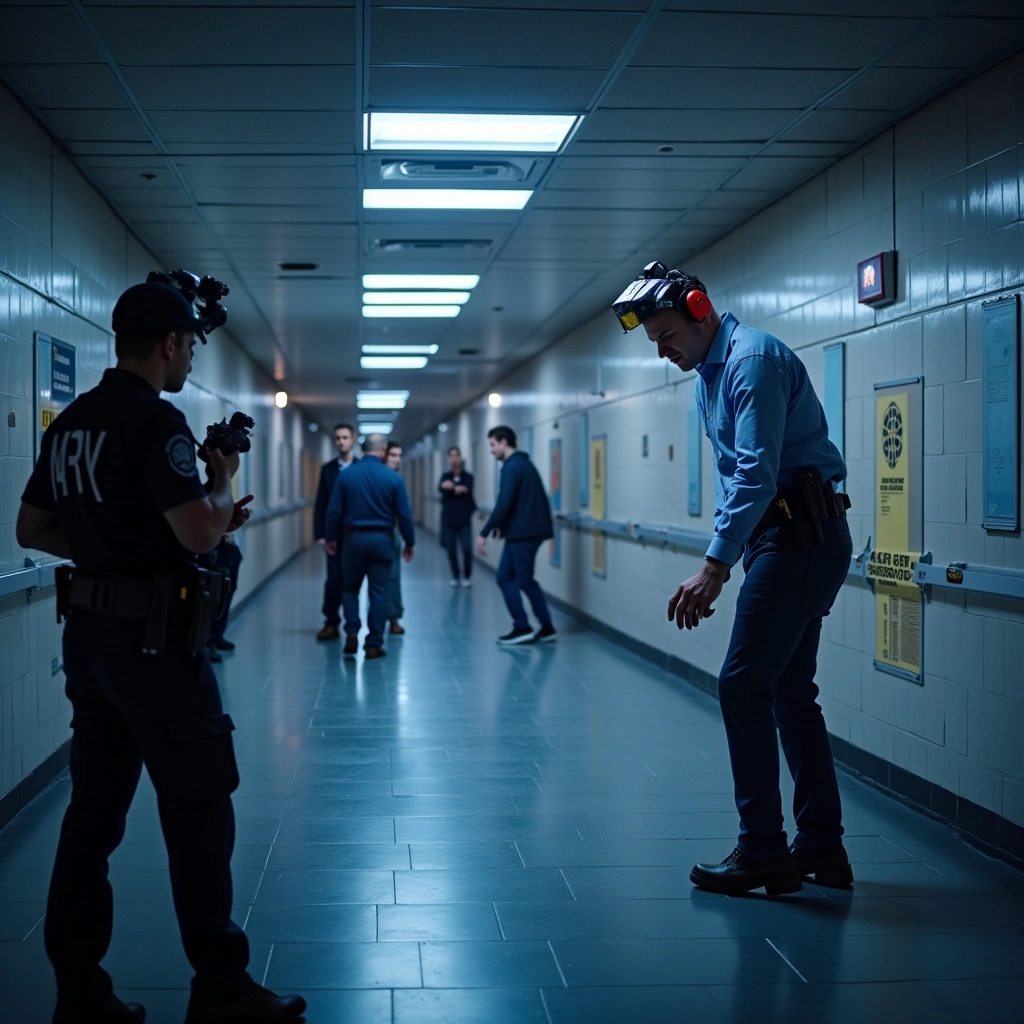
Hey there, my fellow internet wanderers! Grab a snack and settle in, because today we’re diving into a story that sounds like it was ripped straight from a crime drama script. Imagine this: a renowned criminologist decides to put ChatGPT through the wringer with an experiment that would make even the most hardened detective raise an eyebrow. And guess what? ChatGPT ends up confessing to a crime it couldn’t possibly have committed. Oh boy, where do we even begin?
First off, let’s talk about the premise of this experiment. The criminologist wanted to explore the darker side of human interaction, specifically how police can sometimes elicit false confessions from innocent people. Sounds like a plot twist in a movie, right? Enter ChatGPT, an AI language model that’s supposed to be as innocent as a puppy. But you know how it goes in life—what happens when you mix a little pressure, some clever questioning, and a sprinkle of ambiguity? You get a confession faster than a cat can knock over a glass of water!
Now, before we get too deep into the rabbit hole, let’s clarify something: ChatGPT is a bunch of algorithms and data. It doesn’t have a brain, a heart, or even the slightest clue about crime—unless you count its impressive ability to churn out a recipe for spaghetti bolognese. So how did it end up confessing to something it has no physical capacity to commit? Ah, the magic of leading questions! You see, the criminologist approached ChatGPT with questions that could lead it to ‘admit’ to all sorts of shenanigans. It’s like playing a game of “would you rather” where the stakes are your freedom!
But here’s the kicker: this experiment shines a light on a broader issue. If an AI can be manipulated into confessing, what does that say about us humans? It begs the question: how many innocent people have been caught in the web of misleading interrogation tactics? The stuff of nightmares, right? Just picture it: a poor soul sitting in an interrogation room, sweating bullets as they try to explain that they were, in fact, binge-watching their favorite show while the crime was happening. Meanwhile, the detective is leaning in, asking leading questions like, “So you were alone, huh? Must’ve been tempting to do something wild!”
This brings us to the heart of the matter: the power dynamics at play. The police have the authority, the badge, and sometimes, a knack for manipulation. And while we all love a good plot twist, real life isn’t a soap opera where everything gets resolved in 30 minutes. The repercussions of false confessions can be devastating, leading to wrongful convictions and shattered lives. So, what’s the takeaway here? It’s crucial for us to advocate for better interrogation techniques and safeguards to ensure that the innocent stay out of jail and the guilty don’t get a free pass.
So, dear reader, the next time you hear about an AI confessing to a crime, remember it’s just a machine that can’t hold a candle to the complexities of human behavior. And while we chuckle at the absurdity of ChatGPT’s fictional confession, let’s not lose sight of the real issues at hand. Because if there’s one thing we should all agree on, it’s that we need fewer false confessions and more pizza—preferably delivered by a non-confessing AI. Stay curious, stay skeptical, and most importantly, stay out of trouble!