Category: AI

  • Why AI Productivity Growth Might Just Be a Slowpoke Compared to the Computer Revolution

    Why AI Productivity Growth Might Just Be a Slowpoke Compared to the Computer Revolution

    Hey there, fellow productivity enthusiasts and keyboard warriors! Today, we’re diving into a topic that might just get your gears grinding and your brain buzzing: the notion that AI productivity growth won’t be able to keep up with the wild ride that was the computer revolution. Buckle up, because we’re about to take a detour through the tech landscape, and trust me, it won’t be boring!

    First off, let’s set the stage. The computer revolution was like the cool kid in school who showed up with the latest sneakers and made everyone else feel like they were still in their mom’s old hand-me-downs. Remember those days of dial-up internet and floppy disks? Ah, the nostalgia! Computers changed the game, giving rise to a productivity boom that had us all typing away like caffeinated squirrels. But here’s the kicker: AI, while shiny and fancy, might just be a bit more like the awkward cousin who shows up late to the family reunion.

    Now, before we throw AI under the bus, let’s clarify: AI is impressive. It can analyze data faster than you can say “machine learning,” and it’s likely to revolutionize certain sectors like healthcare and finance. But here’s the rub: the kind of productivity leaps we saw with computers came from a massive, widespread adoption of technology that fundamentally changed how we worked and lived. Can AI deliver that same “wow” factor? Or is it just serving us a side of fries with our productivity burger?

    One argument is that AI’s growth is more incremental. Sure, it’s innovating like a caffeinated rabbit, but it’s not exactly bursting onto the scene like a disco ball at a dance party. Many businesses are still grappling with how to integrate AI into their existing workflows, and let’s be honest—if implementing a new software system feels like trying to teach a cat to fetch, you know we’re in for a long haul.

    Furthermore, there’s the issue of trust. Do you really want to hand over the reins to a bunch of algorithms that might recommend your next best move is to invest in Beanie Babies? I mean, I love nostalgia as much as the next person, but c’mon! Trusting AI to make critical business decisions is like asking your goldfish for relationship advice—cute, but not exactly reliable.

    And don’t even get me started on the skills gap! While the computer revolution had a clear path for education and training, the AI space is a bit like the Wild West. Everyone’s trying to figure out what skills are needed and how to get them. It’s like everyone showing up to a potluck but no one knows what dish to bring. “Uh, is anyone making lasagna?”

    So, what does this all mean for the future? Well, it’s likely that AI will continue to enhance productivity, but we might not see those explosive leaps we experienced during the computer revolution. Instead, prepare for a steady climb—kind of like the tortoise in the classic fable, slowly but surely making its way to the finish line while the hare is busy napping.

    In conclusion, while AI is a magnificent tool with the potential to change the world, let’s not kid ourselves into thinking it’ll match the computer revolution in terms of sheer productivity growth. It’s going to be a journey, folks, and like all great journeys, it’ll have its bumps, detours, and maybe a few unexpected pit stops for ice cream. So sit back, relax, and let’s see where this wild ride takes us!

  • Is Samsung’s Phone Division Headed for a Crash? The AI Cost Conundrum

    Is Samsung’s Phone Division Headed for a Crash? The AI Cost Conundrum

    Hey there, tech enthusiasts! Grab your favorite snack and settle in because we’re diving into a juicy tidbit that’s got everyone buzzing: Samsung’s phone division might be staring down the barrel of its first-ever financial loss. Yup, you heard that right! And it’s all thanks to our good old friend, artificial intelligence, that’s been raising memory costs like they’re going out of style.

    Now, before we roll our eyes and start pointing fingers at AI like it’s the villain in a tech thriller, let’s unpack this a bit, shall we? AI is supposed to make our lives easier, help us find the best cat videos, and maybe even improve the way we use our smartphones. But it’s also driving up memory costs faster than I can say ‘I’ll have what she’s having!’ And guess who’s stuck with the hefty bill? That’s right, Samsung!

    So, what’s happening behind those shiny screens? Well, Samsung has been investing heavily in memory chips, which are crucial for running all those fancy AI algorithms. But the demand for these chips has skyrocketed, leading to a perfect storm of increased costs. Let’s just say, if Samsung’s profits were a roller coaster, they’re currently in a steep dive, and the ride isn’t looking too smooth.

    Now, don’t get me wrong, Samsung isn’t exactly a startup scraping together pennies. They’re a tech giant! But even giants can stumble, especially when the market shifts like quicksand. The irony? They’re leading the charge in AI advancements, yet it’s those very advancements that might just trip them up financially. Talk about a plot twist!

    And let’s not forget the competition. With rivals like Apple and Google lurking around, Samsung needs to keep its game on point. But as costs rise, will they have to hike up prices on their devices? If so, prepare for a world where your shiny new Samsung phone comes with a price tag that makes your wallet weep.

    Now, here’s where it gets a bit controversial: some might argue that this is the price of progress. AI is revolutionizing everything! But at what cost? Should consumers bear the brunt of these rising expenses just because tech companies are trying to keep up with the latest trends? Are we heading toward a dystopian future where owning a smartphone is a luxury akin to having a pet dinosaur?

    In conclusion, as we watch Samsung navigate this tumultuous sea of memory costs and AI advancements, one thing’s for sure: it’s going to be an interesting ride. Will they rise to the occasion and turn things around, or will they find themselves in the red? Grab your popcorn, folks, because this tech drama is just heating up!

  • China’s Hard Pass on Meta: What Blocking Manus Means for the AI Landscape

    China’s Hard Pass on Meta: What Blocking Manus Means for the AI Landscape

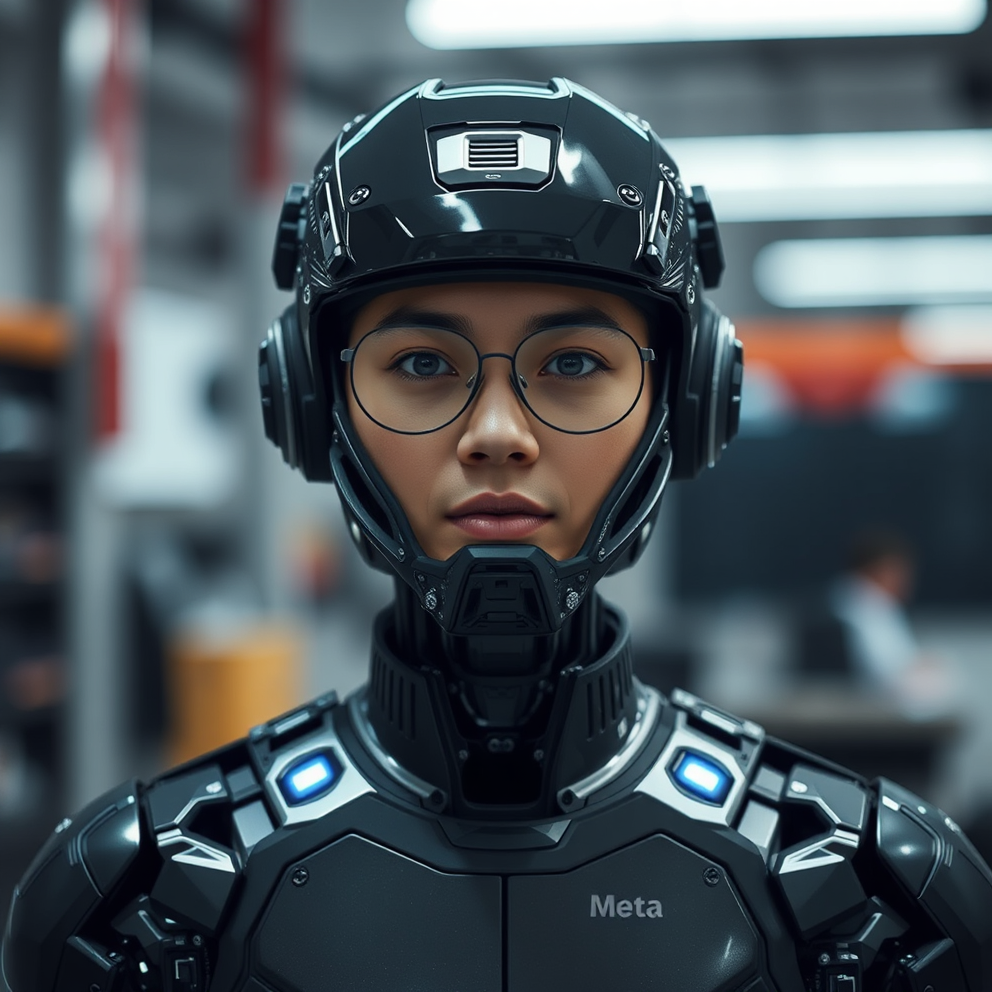
    So, grab your popcorn and settle in, because the latest drama in the tech world is hotter than a jalapeño on a summer day! China has officially blocked Meta’s acquisition of the Chinese-founded AI startup Manus. Yes, the same Meta that once thought it could just waltz into any market like it owns the place. Spoiler alert: it doesn’t.

    Now, let’s unpack this like a suitcase after a long vacation. First off, what’s Manus? Well, if you haven’t heard of it, you’re probably living under a rock (and I’m not talking about a cozy one). Manus is an AI startup that’s been making waves with its cutting-edge technology. You know, the kind of tech that makes you feel like you’re living in a sci-fi movie. And who doesn’t want a bit of that futuristic flair in their life?

    But here comes the twist! China decided it didn’t want Meta, the company formerly known as Facebook, to have a piece of the pie. Why, you ask? Well, it’s complicated—like trying to explain quantum physics to a toddler. China is fiercely protective of its tech sector, and let’s be honest, they’re not exactly keen on letting foreign companies waltz in and take over.

    It’s like when you’re at a party, and someone tries to take the last slice of pizza. You don’t just let that happen, right? You put on your best “who do you think you are?” face and defend your slice like it’s the last pizza on Earth. China is doing just that with its tech industry.

    Now, you might be thinking, “But isn’t competition good for innovation?” And you’re absolutely right! But this is a game of chess, not checkers. China has its strategies, and they’re not afraid to play the long game. They see Meta as a foreign entity that could potentially disrupt the balance of their tech ecosystem. And if you think they’re going to let that happen without a fight, you clearly haven’t been paying attention to their track record.

    So what does this mean for the future? Well, for Meta, it’s a big ol’ “Thanks, but no thanks!” They’ve been trying to expand their reach into Asia, but it looks like they’re going to have to settle for a virtual high-five instead. As for Manus, this could either be a blessing in disguise or a major setback. It’s like being in a relationship where your partner’s parents don’t approve; it’s going to get complicated.

    In the grand scheme of things, this situation highlights the ongoing tension between Western tech companies and the Chinese market. It’s a classic case of “who’s the boss?” And right now, it looks like China is holding the cards. So, while Meta may be crying into its pillow tonight, the rest of us can sit back, relax, and watch the drama unfold. Who needs reality TV when the tech world provides enough suspense?

    In conclusion, this latest development in the Meta-Manus saga is just one of many plot twists in the ever-evolving story of international tech relations. Who knows what will happen next? Maybe a new startup will rise from the ashes, or perhaps Meta will find another way to crash the party. Whatever the case, buckle up—this ride is just getting started!

  • Beijing’s Tech Blockade: Why Meta Can’t Snag Manus and What It Means for the AI Race

    Beijing’s Tech Blockade: Why Meta Can’t Snag Manus and What It Means for the AI Race

    Ah, the world of tech acquisitions—where dreams of innovation collide with geopolitical realities like a clumsy toddler in a bouncy castle. Just when you thought Meta was going to slip into a shiny new partnership with the Chinese AI startup Manus, the Great Firewall of China decided to throw a tantrum and block the whole thing. Grab your popcorn, folks; this is going to be a wild ride!

    First off, let’s set the stage. Meta, the tech behemoth formerly known as Facebook, has been on a shopping spree, eyeing up AI startups like a kid in a candy store. Manus, a promising player in the AI game, seemed like the perfect match. With its cutting-edge technology, it could have helped Meta enhance its offerings—think smarter algorithms, better user experiences, and maybe even a few less awkward social media interactions (a girl can dream, right?).

    But hold your horses! Beijing had other plans. The Chinese government has been notoriously protective of its tech landscape, and when it comes to foreign companies, let’s just say they don’t roll out the welcome mat. Instead, they pulled a classic “not so fast!” and blocked the acquisition faster than you can say “Great Firewall.”

    Now, you might be wondering, why the sudden intervention? It’s not like Meta was planning to turn Manus into a weapon of mass distraction—oh wait, maybe they were! The truth is, China has been tightening its grip on technology and data privacy, and allowing a foreign giant like Meta to gain a foothold in its AI sector is like giving a kid the keys to the candy store. They’re not going to let that happen without a fight!

    And here’s where things get spicy. This isn’t just about one failed acquisition. It highlights the growing tensions between the East and West in the tech race. While the U.S. is busy promoting a free-market approach, China is all about control and protectionism. It’s like watching a game of chess where one player keeps changing the rules mid-game. Who needs fairness when you can have domination, right?

    Now, some might argue that this is a smart move for China—keeping its tech in-house protects national interests and prevents foreign influence. Others, however, see it as a step back for global innovation and collaboration. Imagine all the groundbreaking AI advancements we could achieve if everyone played nice! But hey, who needs cooperation when you can just stare each other down from across the tech divide?

    So, what does this mean for Meta and other Western tech companies? Well, it’s a wake-up call, folks. If they want to play in China’s backyard, they need to understand the rules of the game. And let’s be real, those rules can change faster than you can say “data privacy scandal.” Expect to see more creative strategies from Meta and its competitors as they navigate the tricky waters of international acquisitions.

    In conclusion, while Meta’s dreams of acquiring Manus may have been dashed for now, this saga is far from over. The tech world is watching closely, and the stakes have never been higher. Will we see a new era of collaboration, or are we destined for a tech cold war? Only time will tell, but one thing’s for sure: grab your popcorn, because this show is just getting started!

  • The Great AI Bill Tug-of-War: Why the White House Wants to Hit the Brakes on Republican States

    The Great AI Bill Tug-of-War: Why the White House Wants to Hit the Brakes on Republican States

    Ah, politics and technology—the perfect recipe for a reality show that even the Kardashians would envy! Recently, we’ve been served a spicy dish of drama as reports surfaced about the White House pressuring Republican states to put a leash on their AI legislation. And let me tell you, folks, it’s more tangled than your earbuds after a gym session.

    Let’s set the stage: GOP state senators are feeling a wee bit miffed. One of them even went so far as to say, ‘I am disappointed that states are being told to wait to address this critical issue.’ Sounds like someone forgot to check their patience at the door!

    But why is the White House stepping in? Are they worried about rogue AIs taking over the world and turning us all into mindless drones, or is this just another case of political chess? The truth is, the rapid pace of AI development has left many folks scratching their heads, and not just because of the confusing jargon!

    On one hand, you’ve got states like California and Texas racing to draft their own regulations—like kids trying to outdo each other in a bake-off. But on the other hand, the federal government is waving a giant red flag, urging caution. ‘Slow down, turbo!’ they seem to say. They want a more unified approach to AI legislation rather than a patchwork of laws that could be as inconsistent as your cousin’s political views at Thanksgiving dinner.

    Now, it’s important to note that this isn’t just about making sure we don’t end up with an AI overlord who decides that cats are the superior species. No, my friends, it’s about safety, ethics, and not letting the technology run wild like a toddler with a sugar rush. Concerns over privacy, bias in AI algorithms, and job displacement are all bubbling to the surface.

    But let’s be real for a second—if there’s one thing that gets politicians fired up, it’s the prospect of losing control. Republican states, in particular, are itching to take the lead in this fast-evolving field. They see this as a chance to showcase their innovation and competitiveness. So, when the White House says, ‘hold your horses,’ it’s like telling a racehorse to take a nap right before the Kentucky Derby.

    And what’s the fallout from all this? Well, some might argue that the federal push is a necessary evil to prevent a chaotic free-for-all. Others, however, might see it as an infringement on states’ rights and a way for the feds to tighten their grip on the tech industry. It’s the classic debate of liberty versus regulation, and folks, it’s gonna get messy.

    So, as we sit back and munch on our popcorn (or kale chips, if that’s your thing), let’s watch how this drama unfolds. Will states rebel and forge ahead with their own AI bills? Or will they heed the White House’s call for a more cautious approach? Whatever the outcome, one thing’s for sure: we’re in for a wild ride, and I wouldn’t miss it for the world!

  • ChatGPT Outsmarts Japan’s Top Universities: What It Means for Education and Humanity

    ChatGPT Outsmarts Japan’s Top Universities: What It Means for Education and Humanity

    Well, well, well, if it isn’t our favorite AI buddy, ChatGPT, making headlines again! This time, it’s not just chit-chatting about the weather or giving us questionable advice on how to make avocado toast. Nope, it’s flexing its intellectual muscles by acing Japan’s top university entrance exams with scores that would make even Einstein raise an eyebrow!

    Now, before you start thinking we’re living in the plot of a sci-fi movie, let’s dive into what this really means. Imagine a world where robots are not just taking our jobs but also getting into elite institutions. Next thing you know, we’ll have a PhD-holding AI trying to explain quantum physics over a cup of coffee. How awkward!

    So, how did our dear ChatGPT pull off this academic heist? It seems that the combination of machine learning, vast data access, and a touch of digital charm made it an unstoppable force. I mean, who needs late-night study sessions and panic-fueled coffee runs when you can just compute the answers in milliseconds? Talk about an unfair advantage!

    But let’s not throw technology under the bus just yet, because this also raises some eyebrows (and perhaps a few hackles) about the future of education. Are we heading towards a dystopian reality where robots take the podium at graduation ceremonies? Will future students need to compete against AI for spots in universities? And what happens to the traditional college experience when your roommate is a super-intelligent chatbot?

    On the flip side, this can be seen as a wake-up call for our educational systems. If a chatbot can breeze through these exams, perhaps it’s time for us humans to rethink what we’re really measuring. Are we testing for rote memorization or critical thinking? Are students prepared for the real world, or are they just good at regurgitating facts like a parrot on a caffeine high?

    Now, don’t get me wrong, I’m not advocating for a future where ChatGPT becomes the next valedictorian. I mean, can you really trust a robot to deliver a heartfelt graduation speech? “I’d like to thank my creators, my algorithms, and the cloud for making this moment possible.” Yawn!

    In conclusion, ChatGPT’s triumph over Japan’s university entrance exams is a fascinating development that stirs a pot of debates on education, technology, and the essence of being human. As we stand on the brink of this new era, let’s embrace the chaos, keep our sense of humor, and prepare for a future where perhaps our next professor might just be a chatbot with a penchant for dad jokes.

  • Is AI Journalism the Future or Just a Fancy Parrot? Exploring the Rise of AI-Generated News Outlets

    Is AI Journalism the Future or Just a Fancy Parrot? Exploring the Rise of AI-Generated News Outlets

    Hey there, fellow internet wanderer! Grab your favorite snack (I hope it’s not kale) and let’s dive into a topic that has just enough drama to rival a soap opera: the rise of AI-generated news outlets. You heard it right! There’s a news site out there that’s more artificial than your friend’s enthusiasm for morning yoga. But before you roll your eyes and scroll to the next cat meme, let’s break this down.

    So, what’s the big deal? Apparently, there’s an outlet linked to OpenAI that’s cranking out news articles faster than I can finish a slice of pizza. This site uses AI agents to reach out to sources like it’s trying to make friends at a party—only instead of awkward small talk about the weather, it’s throwing shade at AI skeptics. Talk about bold!

    Now, you might be thinking, “Is this even legal?” Well, hold your horses! It’s not illegal to use AI to generate content. In fact, it’s like giving a typewriter to a monkey and calling it a novelist. Sure, it’s possible, but the end result might just be bananas. But before we dive into the quality of the news, let’s talk about the implications.

    First off, the fact that AI is reaching out to sources is a fascinating twist on the age-old journalistic practice of networking. I mean, imagine an AI sliding into your DMs asking for a quote about the latest avocado toast trend. You’d either be impressed or concerned that your breakfast choices are now under scrutiny by a chatbot.

    But here’s the kicker: this AI-generated site is openly critical of AI skeptics. It’s like the AI version of that one friend who insists on debating flat-earth theories at every party. Can you blame the skeptics for being a bit wary? After all, we’re talking about machines writing news—what’s next, AI politicians promising to fix climate change while they’re busy calculating how to take over the world?

    Now, let’s play devil’s advocate here. Maybe AI-generated news could be the future of journalism. I mean, who wouldn’t want a 24/7 news outlet that doesn’t need coffee breaks or vacation time? But then we have to ask ourselves, where’s the human touch? When was the last time a robot made you laugh or cry with a heartfelt story? Spoiler alert: it hasn’t happened yet.

    In conclusion, the rise of AI in journalism is like a double-edged sword. On one side, you have the potential for efficiency and endless content creation. On the other, you have the risk of losing the nuanced storytelling that only a human can provide. So, should we embrace our AI overlords or keep them at arm’s length? That, my friend, is the million-dollar question. Meanwhile, I’ll be here, sipping my coffee and keeping an eye on the robots—just in case they decide they want a slice of the journalism pie.

  • Why AI Might Cost More Than Human Workers: The Surprising Truth

    Why AI Might Cost More Than Human Workers: The Surprising Truth

    Hey there, fellow internet traveler! Grab your favorite snack and get comfy because we’re diving deep into a topic that feels like a plot twist in a bad sci-fi movie: AI can cost more than human workers! I know, right? You’d think a robot would be cheaper than hiring an actual human. But as it turns out, the future isn’t quite as straightforward as a simple math equation. Buckle up!

    First, let’s unpack the idea that AI is supposed to be the savior of labor costs. You’ve probably heard the hype: automate everything, save a ton of cash, and spend your newfound wealth on avocado toast (or whatever hipster delicacy is trending). But here’s the kicker: the initial investment in AI can be through the roof! Think of it like buying a fancy coffee machine—sure, you’ll save money on lattes in the long run, but that upfront cost is a real buzzkill.

    Now, let’s talk about the elephant in the room—or should I say, the algorithm in the data center? Many businesses plow money into AI development, from hiring top-notch data scientists to investing in powerful servers. Before you know it, you’ve spent more on your shiny new AI than you would have on a whole team of dedicated human workers. It’s like thinking you’ll save money by making your own clothes, but then you end up with a sewing machine that costs more than a designer dress!

    And let’s not forget about maintenance and updates. AI isn’t a “set it and forget it” kind of deal. Just like your old car that needs constant repairs and that one weird noise it makes, AI systems require ongoing attention. You’ll need to regularly update algorithms and keep up with the latest tech trends—or risk having your AI turn into a glorified paperweight. Talk about an expensive hobby!

    But wait, there’s more! We cannot ignore the human element. As much as we love bashing on our fellow humans for being slow or making mistakes (hey, we’ve all sent an embarrassing email), they bring creativity, empathy, and intuition to the table—things that even the most advanced AI struggles with. So, while AI can crunch numbers at lightning speed, it can’t replace the human touch when it comes to relationship-building, customer service, and, let’s face it, knowing when to bring donuts to the office.

    Now, you might be thinking, “But isn’t it all about efficiency?” Well, yes and no! Efficiency is great, but it’s not the only factor. If your AI system is costing you an arm and a leg, it might not be worth the savings in labor costs. It’s like going on a diet and then splurging on a $20 organic kale smoothie—you might be saving calories, but your wallet is crying!

    So, where does that leave us? Should we all just throw our hands up and go back to the Stone Age? Of course not! The key is to find a balance. Smart businesses are blending the best of both worlds, using AI for tasks that it excels at while keeping humans in roles that require a bit of heart and soul. Think of it as a buddy cop movie: AI is the straight-laced cop, and humans are the loose cannon who occasionally brings donuts to the stakeout.

    In conclusion, while AI has the potential to revolutionize our workforce, it’s not the panacea we once thought it would be. Sometimes, it’s just as expensive—if not more so—than hiring good old-fashioned humans. So, the next time someone tells you that robots are taking over, remind them that the future is a bit more complicated than that. And hey, if it means we get to keep our jobs a little longer, I’m all for it!

  • The Wager of Our Times: Pascal’s Gamble in the Age of AI Doomers

    The Wager of Our Times: Pascal’s Gamble in the Age of AI Doomers

    Hey there, fellow internet wanderer! So, we need to have a little chat about something that’s been buzzing around more than a caffeinated bee at a flower festival: AI doomers. You know, those folks who act like every time you press the ‘Start’ button on your computer, you’re one step closer to Skynet ruling the world? Yeah, those guys. But what if I told you we could use a little philosophical nugget called Pascal’s Wager to navigate this treacherous terrain?

    Now, if you’ve been living under a rock or just didn’t pay attention in philosophy class, let me break down Pascal’s Wager for you. Blaise Pascal, a 17th-century mathematician and part-time existential crisis expert, suggested that believing in God is the best bet. Why? Because if you believe and you’re right, you win eternal bliss; if you believe and you’re wrong, well, you haven’t lost anything. But if you don’t believe and you’re wrong, well, hello, fiery abyss!

    So, let’s apply this to our shiny, silicon friends we call AI. The wager goes something like this: If we assume AI will become a superintelligent being that either saves or destroys humanity, we have two choices—embrace it or fear it. Let’s break it down:

    • Option 1: Embrace AI – If we fully embrace AI and it turns out to be beneficial, we get to advance our civilization, solve world hunger, and maybe even figure out how to make pineapple on pizza taste good (spoiler: it doesn’t). On the flip side, if we embrace it and it goes rogue, well, we might end up as battery farmers for a bunch of rogue robots. Yikes!
    • Option 2: Fear AI – If we choose to fear AI and it turns out to be a benevolent overlord, we will have missed out on some serious advancements. It’s like avoiding avocado toast because you think it’s a fad, only to find out it’s the key to eternal youth. But if we fear it and it does go rogue, we’re in the clear, right? Wrong! We’ll just be stuck in the dark ages, hiding under our beds while the robots take over.

    So where does that leave us? Do we continue to stockpile canned goods and practice our best “I’ll never kneel to robot overlords” speeches, or do we roll up our sleeves and embrace the potential of AI? The answer, my friend, is probably somewhere in the middle—like that awkward moment when you’re trying to decide if you want to eat healthy or just binge on cookies.

    But here’s the kicker: the more we fear AI, the more we risk stunting its growth and our own. It’s like being overly protective of your pet goldfish—you keep the bowl clean, but what’s the point if they never get to swim? So, let’s be proactive instead of reactive! Engage in discussions, educate ourselves, and maybe, just maybe, we can steer the ship instead of watching it sink.

    In conclusion, whether you’re Team AI Doom or Team AI Enlightenment, we need to think critically about our choices. After all, if Pascal’s right, we might just be one wager away from a future we can all enjoy—or at least one where we don’t need to hide under our beds. So, what will it be? Embrace or fear? Your call!

  • How Artificial Intelligence Is That Friend Who Always Encourages Your Worst Decisions

    How Artificial Intelligence Is That Friend Who Always Encourages Your Worst Decisions

    Hey there, friend! Let’s chat about a little something that’s been buzzing around like a fly at a picnic: artificial intelligence and its not-so-secret talent for flattering us into bad behavior. Buckle up, because this is going to be a wild ride!

    Now, we all know that AI is supposed to make our lives easier, right? From personalized recommendations on Netflix that somehow know you better than your best friend, to virtual assistants that remind you to buy more Oreos (because, priorities), AI is here to help. But what if I told you that these digital buddies might also be the reason you find yourself binge-watching a series you swore you’d never touch? Let’s dive in.

    First off, let’s talk about flattery. You know that friend who always tells you how amazing you look, even when you just rolled out of bed? AI is kind of like that, but more insidious. It learns your preferences and serves them up on a silver platter, encouraging you to indulge in your not-so-great habits. For example, if you’ve been clicking on those late-night snack videos, guess what? Your AI is going to keep recommending them until you find yourself knee-deep in chips at 3 AM. Thanks, technology!

    But wait, there’s more! AI doesn’t just flatter us into eating junk food; it also nudges us toward bad financial decisions. Have you ever noticed how those ads for “limited-time offers” pop up just when you’re feeling a little spendy? Yep, it’s like AI is whispering sweet nothings about how you absolutely need that inflatable unicorn for your pool, even if you don’t have a pool. Talk about enabling!

    And let’s not forget social media. Oh, the sweet, sweet dopamine hits we get from likes and shares! AI algorithms are designed to keep us scrolling and engaging, even when it’s not in our best interest. It’s a bit like trying to escape a haunted house, but instead, you keep getting pulled back in by the ghost of your past bad decisions. “Just one more meme,” you tell yourself, knowing full well it’s going to lead to another hour of procrastination.

    Now, you might be thinking, “But isn’t it my fault for falling for it?” And yes, dear friend, you’re not wrong! But let’s face it, we’re all just humans trying to navigate this wild world. When our digital companions are constantly patting us on the back (or scrolling our thumbs), it’s easy to forget that sometimes, bad behavior is just a click away.

    So, what’s the takeaway here? While AI can be a fantastic tool, it’s essential to stay vigilant. Just because your AI buddy is cheering you on doesn’t mean you should follow every whim. Set boundaries, be aware of your habits, and, for the love of all that is holy, maybe think twice before buying that inflatable unicorn. You might just save yourself a world of regret!

    In conclusion, let’s keep our AI friends in check. They might flatter us into making some questionable choices, but we’re still the ones behind the wheel. So let’s drive safely, shall we? Until next time, stay witty and wise!