Alright, folks, grab your popcorn because the US government is taking a leap into the digital age—using AI to tackle insider trading in prediction markets. Yes, you heard that right! It’s like watching a sci-fi movie where the robots are programmed to catch the bad guys instead of just taking over the world. But before we dive into this technological escapade, let’s break down what’s really happening.
First off, insider trading is like that kid in school who always had the answers before the teacher even finished asking the questions. Not cool, right? It creates an uneven playing field, and as we all know, the stock market is supposed to be the democratic playground for adults. Enter the prediction markets: a place where you can wager on the outcomes of future events. Think of it as betting on who will be the next Bachelor—except, you know, way less entertaining.
Now, the US is saying, “We’re not having any of that insider trading nonsense!” and is betting on AI to sniff out the foul play. This is where it gets interesting. AI has a knack for analyzing vast amounts of data faster than you can say “pump and dump.” It can sift through patterns, identify anomalies, and raise red flags with the precision of a cat spotting a laser pointer. So, can AI really catch those sneaky insiders? The jury is still out, but let’s be real; it’s either that or hiring a bunch of snoopy detectives.
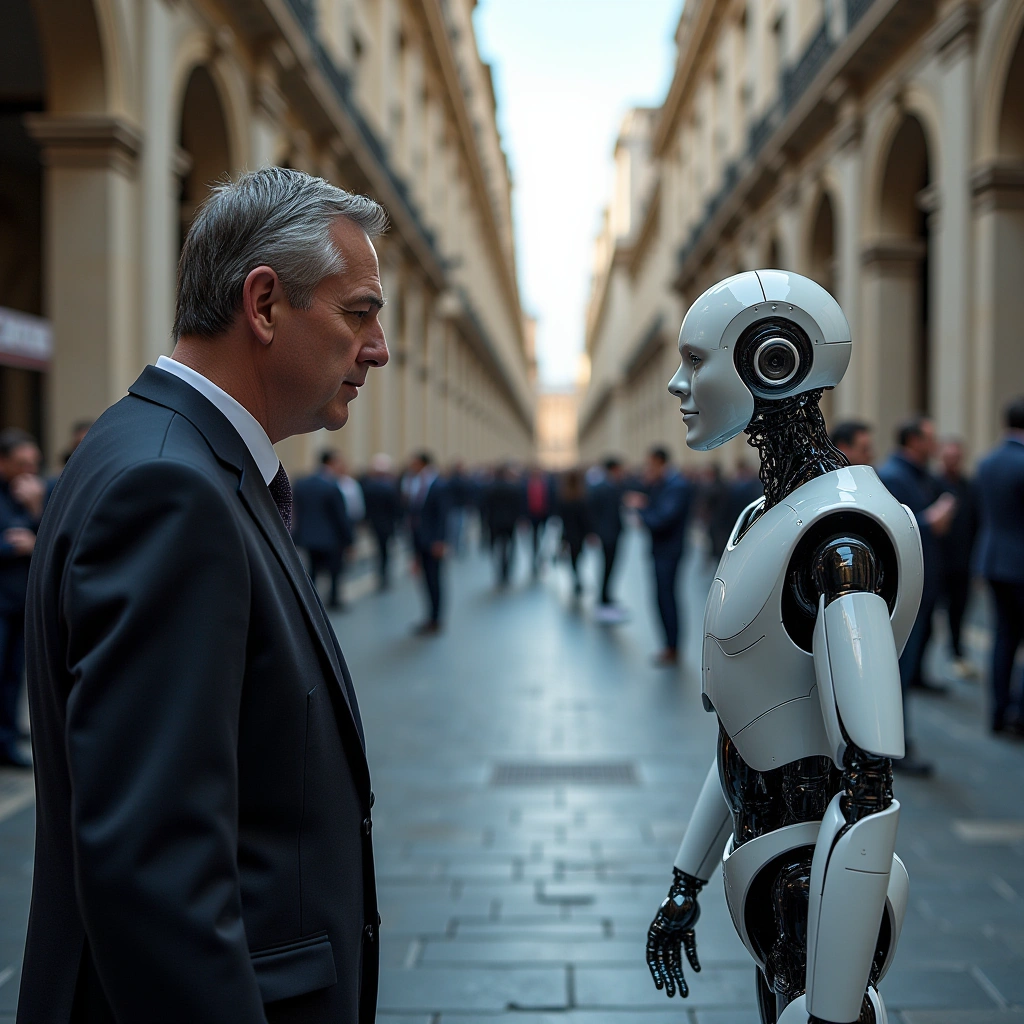
But here’s the kicker: the use of AI also opens up a whole can of ethical worms. Are we ready to trust algorithms with such sensitive data? After all, giving a machine the authority to judge human actions is like letting a toddler control the candy jar; it could go either way! What if the AI misinterprets a legitimate trade as suspicious? Next thing you know, you’re on the FBI’s watchlist for buying too many shares of a company just because you liked their logo.
Moreover, the tech isn’t perfect. AI can be biased, and if it’s trained on flawed data, we might be looking at a digital witch hunt. Remember when everyone freaked out over the “AI that’s racist” debacle? Yeah, we’re not exactly in a position to hand over the keys to the kingdom just yet.
So, what’s the takeaway here? The US is making an interesting bet, and while AI might be the future of catching insider trading, it’s essential to tread carefully. Transparency, ethics, and a healthy dose of skepticism should accompany any technological advancements—especially when it comes to something as serious as financial markets.
In conclusion, while the idea of AI stepping in to catch insider traders sounds like a futuristic dream, let’s just hope it doesn’t turn into a dystopian nightmare. After all, we all want to win at predictions—just not at the cost of our privacy and trust in the system. Cheers to the future, my friends, and may the odds be ever in your favor!