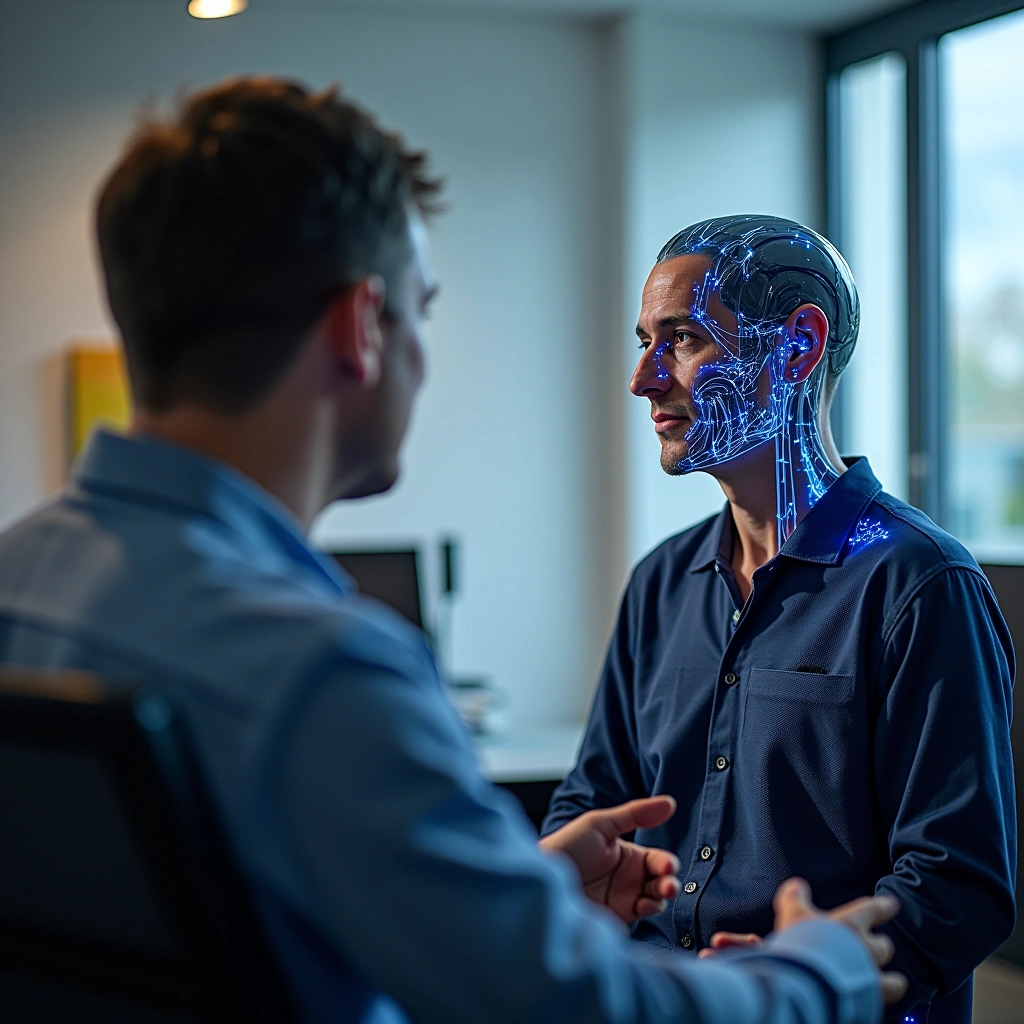
Imagine a world where communication barriers dissolve, where the power of technology meets the resilience of the human spirit. Sounds like the plot of a sci-fi movie, right? Well, buckle up, because we’re living it! The latest buzz in the tech and medical worlds is about Neuralink’s groundbreaking achievement with their first patient suffering from ALS. Yes, you heard it right—thanks to a little brain-computer interface magic, this patient is now able to have conversations using AI!
The first patient with ALS to receive a Neuralink brain transplant has demonstrated his new ability to communicate with only his mind.
For those who might not be up-to-date on their medical jargon, ALS (Amyotrophic Lateral Sclerosis) is a nasty little condition that affects nerve cells in the brain and spinal cord, leading to loss of muscle control. In layman’s terms, it’s not a fun diagnosis, and it can make communication incredibly challenging. But fear not, because Neuralink, the brainchild of our favorite tech wizard Elon Musk, is here to save the day—or at least try to.
So, how does this all work? Neuralink’s devices are tiny little chips that are implanted in the brain, connecting neurons to computers. It’s like giving your brain a Wi-Fi upgrade. The chips pick up signals from the brain and convert them into digital commands. Think of it like a translator for your thoughts. Instead of speaking or typing, this patient can now communicate by simply thinking about what they want to say. Talk about taking ‘thinking outside the box’ to a whole new level!
The first patient, who shall remain nameless for their privacy (let’s not turn this into a reality show), has been using the Neuralink device to engage in conversations with an AI. And before you get too excited, no, the AI isn’t going to take over the world just yet. It’s just there to help translate the patient’s thoughts into words. But honestly, who wouldn’t want to have a chat with an AI? Just imagine the possibilities—arguing about the best pizza toppings without ever having to leave your couch!
While this technology is still in its early stages, it opens up a world of possibilities for not just ALS patients but anyone with communication difficulties. It’s like having a personal assistant who knows exactly what you want to say, even when you can’t say it. It’s the ultimate game changer in the realm of assistive technology.
Of course, there are some skeptics out there. Some people are worried about the ethical implications of brain-computer interfaces. Will we all end up with chips in our heads, or worse, will we start having to pay rent to our thoughts? But let’s take a moment to appreciate the positives. This technology could potentially give a voice back to those who have lost it, and that’s something worth celebrating.
In conclusion, Neuralink’s first ALS patient is not just a testament to advancements in technology; it’s a beacon of hope for many. It shows us that even in the face of adversity, there are incredible innovations that can change lives. So, here’s to the future—may it be filled with more conversations and fewer barriers, all thanks to a little chip in the brain. Who knows, maybe one day we’ll all be having deep philosophical discussions with our AI companions. Just remember to keep it light; no one likes a know-it-all, even if they’re powered by neurons!
Inspired by: “First Neuralink Patient With ALS Can Now Use AI to Have Conversations” (r/technology)