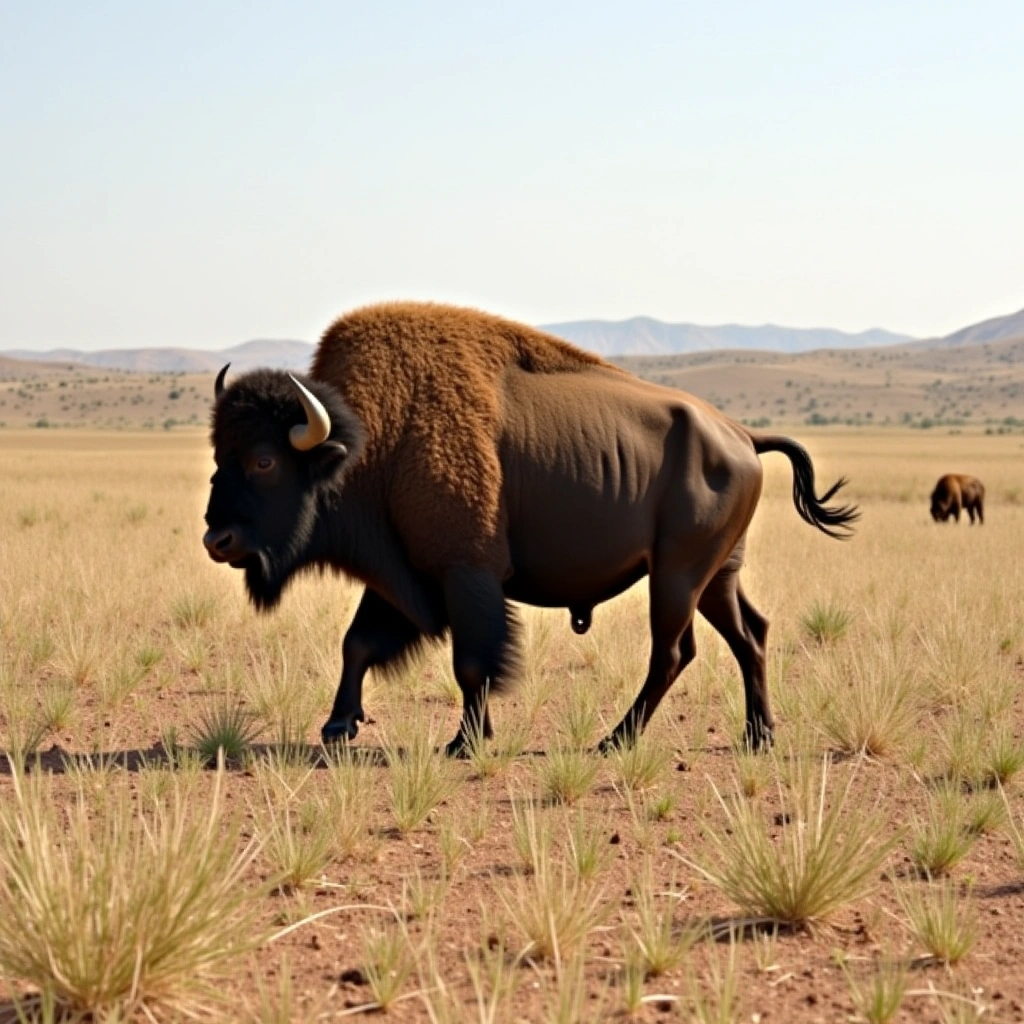
In a nature reserve in northern Mexico, bison have returned to “ reactivate the dynamics and the health of an ecosystem ”.
In a world where climate change seems to be the villain of the story, it’s refreshing to hear about a hero—or in this case, a herd of heroes. Yes, you guessed it right: we’re talking about bison. In 2025, Mexico decided to reintroduce 47 bison into a sprawling 84,000-hectare nature reserve, marking a triumphant return after over a century of absence. And let me tell you, it’s not just a feel-good story; it’s a full-on ecosystem revival party!
So, what’s the big deal about bison, you ask? Well, these magnificent creatures are not just large, furry mammals that look like they’ve just come from a very intense gym session. They play a crucial role in maintaining the health of grasslands. Their grazing helps control the vegetation and promotes the growth of various plants. Think of them as nature’s lawnmowers, only they don’t require gas or a trip to the repair shop.
Fast forward just a few months after their reintroduction, and the results are nothing short of miraculous. The ecosystem—which is home to hundreds of plant and animal species, some of which are critically vulnerable or even endangered—is starting to restore itself. It’s like the bison walked in, threw a party, and suddenly, all the other animals decided to RSVP.
Let’s break this down. When bison graze, they not only keep the grass in check but also help create a diverse habitat. This diversity is crucial because it allows other species to thrive. More plants mean more food for other herbivores, which means more predators can come along for the feast. It’s a classic case of “you scratch my back, I’ll scratch yours,” but in the animal kingdom, it’s more about, “you munch my grass, I’ll share my ecosystem.”
One could argue that this is a textbook case of ecological restoration. The bison are acting like a natural fertilizer, enriching the soil with their droppings, which in turn supports a variety of plants. And let’s not forget about the little critters—birds, insects, and other wildlife that depend on a healthy ecosystem. They’re now finding their way back to the area, probably excited to see what’s been cooking while they were away.
Of course, this isn’t just a case of throwing a few bison into a field and hoping for the best. The reintroduction was part of a larger conservation effort aimed at restoring balance to the ecosystem. It involved careful planning, monitoring, and a whole lot of hope. And let’s be real: who wouldn’t want to root for a bunch of bison trying to save the world?
In conclusion, the return of the bison to Mexico is more than just a feel-good story; it’s a reminder of the impact that one species can have on an entire ecosystem. It’s a beautiful synergy of nature working hand in hoof—err, paw. So, the next time you come across a bison, remember: they’re not just big, hairy beasts; they’re eco-warriors! And if they ever ask you to join their herd, you might want to consider it. After all, they seem to know what they’re doing when it comes to saving the planet.
Inspired by: “Mexico reintroduced 47 bison to a 84,000-hectare nature reserve in 2025 after more than 100 years:…” (r/climatechange)