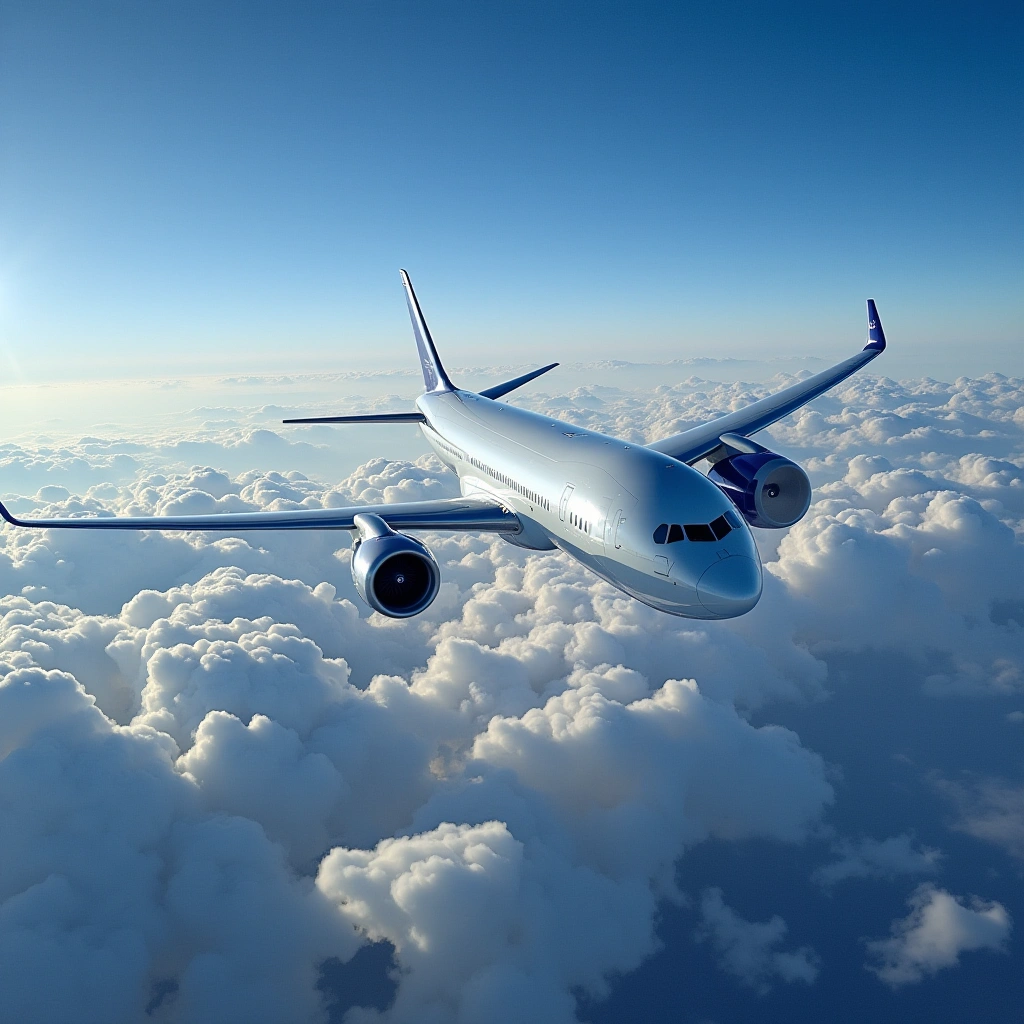
Ah, aviation engineering! The magical realm where dreams of flying meet the cold, hard reality of physics. It’s like trying to bake a soufflé while riding a roller coaster—chaotic, thrilling, and not for the faint of heart.
Related reading: Aviation Engineering
Now, let’s get one thing straight: aviation engineering is not just about sticking wings on a metal tube and hoping for the best. No, my friend! It’s a complex tapestry woven with threads of aerodynamics, materials science, and a sprinkle of insanity (because who wouldn’t want to design something that defies gravity?).
First off, let’s talk about aerodynamics—the art of making things fly without looking like a brick. Ever tried to throw a brick and expect it to soar? Exactly. Aviation engineers spend countless hours studying airflow, lift, drag, and all those other terms that sound like they should belong in a sci-fi novel. They’re the wizards behind the curtain, ensuring that when you board a plane, you’re not just clinging to your seat for dear life.
And then there’s materials science. You think your smartphone is cool? Please! Aviation engineers are working with materials that are lighter than a feather yet stronger than your ex’s excuses for why they ghosted you. Carbon composites and titanium alloys are the real MVPs here, allowing planes to be both fast and fuel-efficient while looking sleek enough to make a runway model jealous.
But wait, there’s more! Let’s not forget about the technology that keeps these flying machines airborne. From advanced avionics to autopilot systems that are smarter than your average politician, aviation engineers are constantly innovating. Just imagine a plane that can almost fly itself—oh wait, that’s already happening! But don’t worry; your pilot isn’t going anywhere. They’re just there to look cool and make sure the coffee is strong enough to keep them awake during those long hauls.
And here’s where the conversation gets spicy. Some folks argue that automation is taking the human touch out of aviation. But let’s be real—how many of us really want a pilot who’s just had a breakup flying our plane? Yeah, I thought so. So, while aviation engineers push the boundaries of technology, they’re also responsible for ensuring that humans remain safely in control. Think of it as a buddy system: if the tech fails, there’s always a human ready to jump in and save the day.
Now, let’s touch on sustainability because, you know, the planet and all that good stuff. Aviation engineering is making strides towards greener planes. Picture this: aircraft that run on biofuels or even electric propulsion. It’s like going from driving a gas-guzzling SUV to zipping around in a Tesla. Sure, it’s not happening overnight, but aviation engineers are working tirelessly to ensure that air travel doesn’t become the environmental villain of the century.
So, whether you’re a future aviation engineer or just someone who loves the idea of flight, remember that behind every successful flight is a team of passionate individuals who’ve dedicated their lives to making aviation better, safer, and, dare I say, cooler. So next time you hop on a plane, give a nod to the geniuses who made it all possible. They’re the real superheroes—cape and all (well, maybe not the cape part, but you get the point).
Inspired by: “Aviation Engineering at Its Sharpest” (r/interestingasfuck)