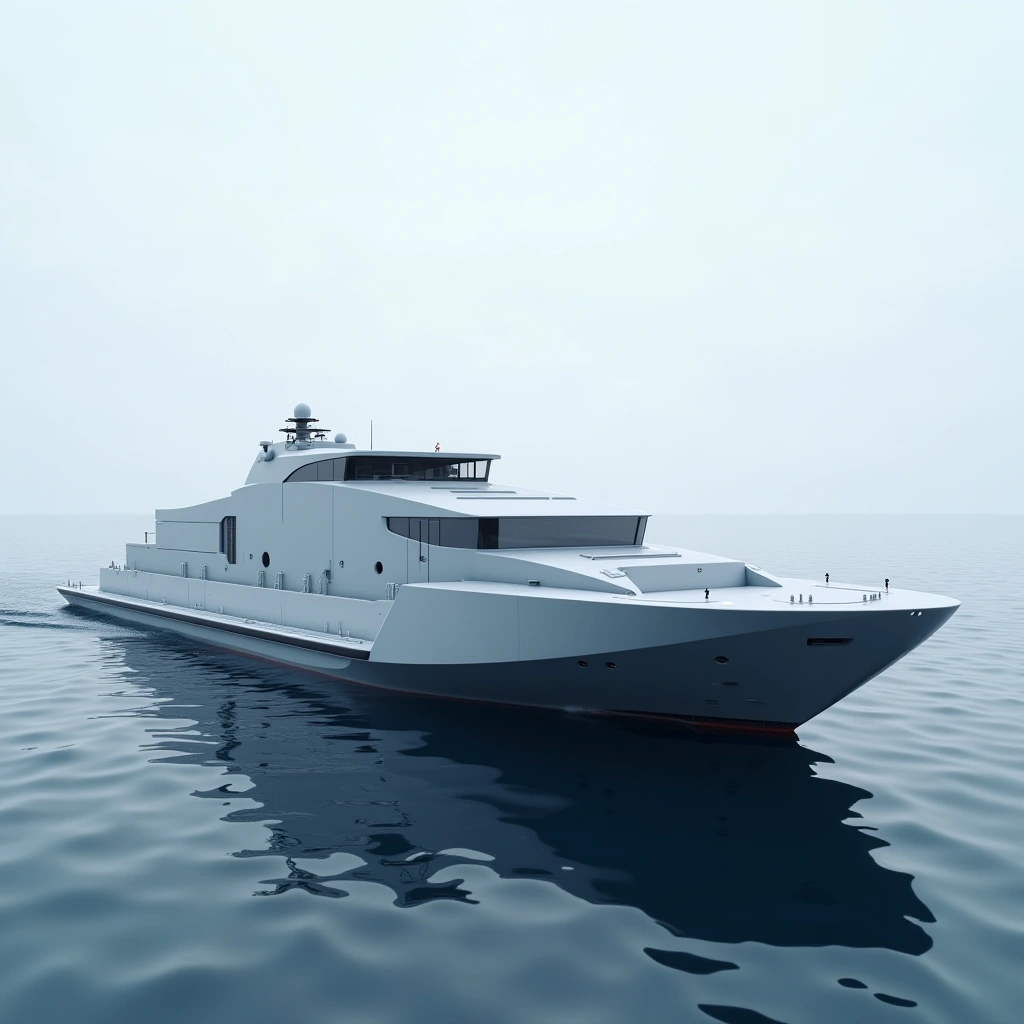
Ahoy there, shipmates! So, it seems Navantia UK has decided to dip its toes into the futuristic waters of autonomous vessels. Yes, you heard right! The Royal Navy is about to get a tech makeover that might make even Captain Jack Sparrow raise an eyebrow or two. But before you start picturing robots doing the cha-cha on the deck, let’s take a deeper dive into what this means for the Navy of the future.
Related reading: Original source
First off, let’s talk about what an autonomous vessel actually is. Imagine a ship that can navigate, detect threats, and even make a cup of tea (okay, that last one might still be in R&D). These ships are designed to operate without much human intervention, relying on a cocktail of AI, sensors, and maybe a sprinkle of magic. This could mean fewer sailors on board, which raises a few eyebrows and, dare I say, a few pirate flags?
Now, some might argue that having fewer humans on a ship could lead to a loss of that quintessential naval camaraderie. You know, the kind where sailors bond over seasickness and the occasional “who can eat the most hardtack” contest. But fear not! The folks at Navantia UK are not turning our beloved Navy into a fleet of robot overlords. Their vision is to create a hybrid navy, blending the best of both worlds: human ingenuity and robotic efficiency.
Imagine a fleet where humans and machines work together, like a buddy cop movie but on the high seas! You’d have seasoned sailors strategizing while drones do the heavy lifting. It’s like having your cake and eating it too—except this cake might just fire torpedoes at enemy ships.
But let’s not kid ourselves; the introduction of autonomous vessels isn’t all smooth sailing. There are definitely some waves of controversy rolling in. What about cybersecurity? With everything being connected, one rogue hacker could turn our ships into floating TikTok stars. The last thing we want is for an enemy to hack into our vessels and make them dance to the latest pop hits.
And then there’s the question of decision-making. Can a machine really make life-and-death decisions in a split second? Sure, it can calculate trajectories and analyze threats, but can it weigh the moral implications of blowing something up? That’s a philosophical debate for another day, my friends.
Finally, let’s not forget about the cost. Developing these high-tech vessels will require an investment that might make even Scrooge McDuck raise an eyebrow. Will the budget allow for such a leap into the future, or will we be stuck with rusty ships and a fleet of disgruntled sailors?
In conclusion, while the prospect of autonomous vessels in the Royal Navy sounds like something out of a sci-fi movie, it’s also a thrilling leap into uncharted waters. With the right balance of technology and humanity, we could very well be looking at a new era of naval warfare. So, what do you think? Are we ready to embrace our robotic naval buddies, or should we keep our sailors manning the ship? Let the debates begin!
Inspired by: “Navantia UK Debuts Design for Autonomous Vessel to Support Hybrid Navy of the Future” (r/technology)