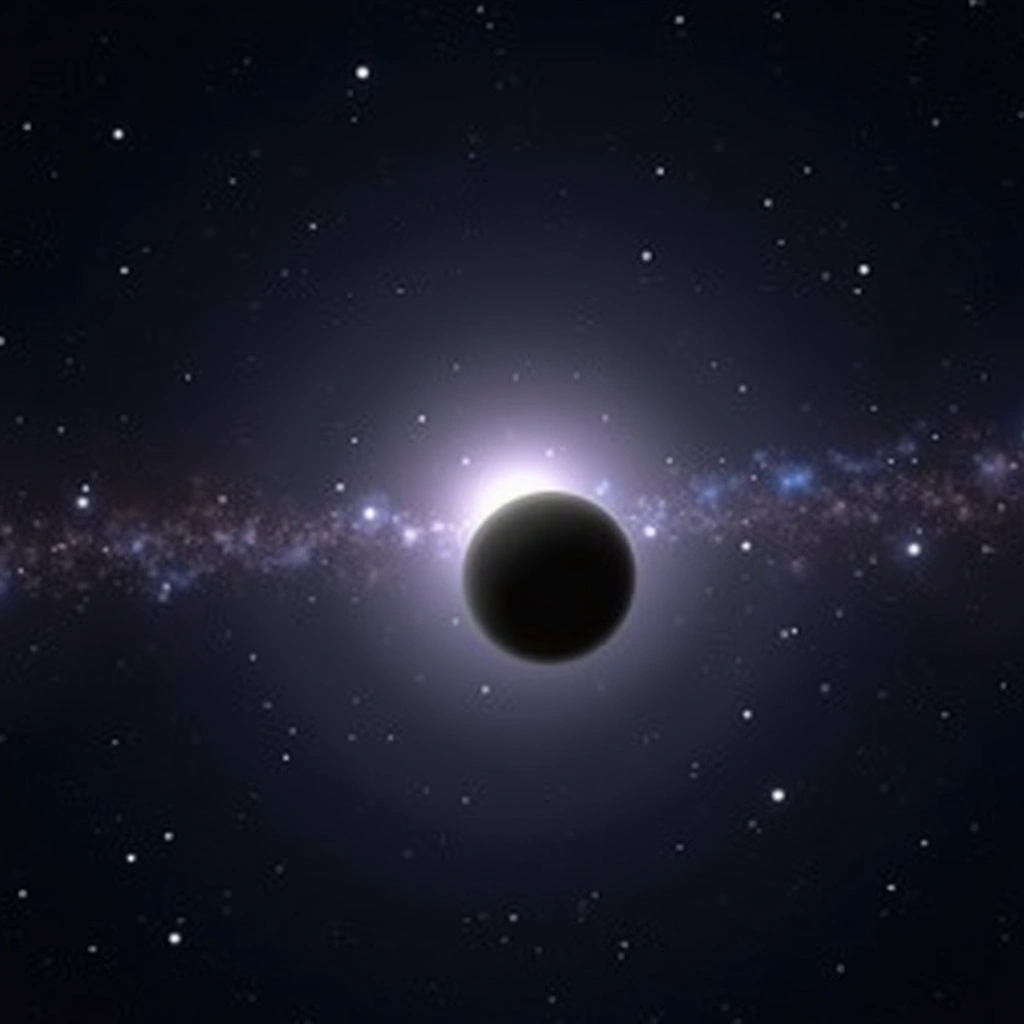
Hey there, cosmic wanderers! Grab your telescopes and hold onto your hats because astronomers have just dropped a bombshell: they’ve detected a ridiculously thin atmosphere on the trans-Neptunian object (TNO) known as (612533) 2002 XV93. Yes, you heard that right! This little celestial body, measuring only 500 km wide, is giving us all the feels of an existential crisis as it decides to flaunt its atmospheric ‘je ne sais quoi’ way beyond the cozy confines of Pluto.
Now, before you go running to your friends to proclaim your newfound knowledge (and possibly scare them with your nerdy exuberance), let’s break down what this really means. This detection is not just a scientific anomaly; it’s like finding out your pet goldfish has developed a taste for fine wine! I mean, come on—how can an object so far out in the icy reaches of our solar system manage to have an atmosphere when it’s supposed to be as barren as a desert?
Here’s where it gets juicy: the atmosphere is described as ‘impossible.’ Yes, folks, we’re talking about a situation that even the most optimistic astronomer would raise an eyebrow at. It’s like finding a unicorn at a dog park. The atmosphere is so thin that it barely counts as one, resembling a wispy dream rather than a substantial layer of gas. The implications of this discovery are mind-boggling, leading us to question everything we thought we knew about atmospheric composition and retention in the frigid outer solar system.
But hold on to your stargazing gear! What does this mean for our understanding of TNOs and their atmospheres? One possibility is that this thin atmosphere could be a remnant from the object’s past, like those embarrassing childhood photos we just can’t seem to get rid of. Or perhaps it indicates some sort of geological activity that we previously didn’t think was possible in such cold, far-flung regions. Imagine a cosmic party happening right under our noses, and we didn’t even get an invite!
As we venture deeper into our solar system, discoveries like this one could drastically change how we view celestial bodies beyond the main planets. Are we looking at the potential for more atmospherically active TNOs? Could this change the way we classify these distant objects? Who knows! The universe is full of surprises, and this is just one of the many ways it keeps us on our toes.
So, let’s give a big round of applause to the astronomers who are digging deep into the cosmos and challenging our understanding of what’s possible. Will we find more ‘impossible’ atmospheres? Will we ever get a clear answer as to why (612533) 2002 XV93 is living its best life out there? Only time will tell.
In the meantime, keep your eyes on the stars and your heart open to the mysteries of the universe—because who knows what other ‘impossible’ wonders are waiting just around the cosmic corner!