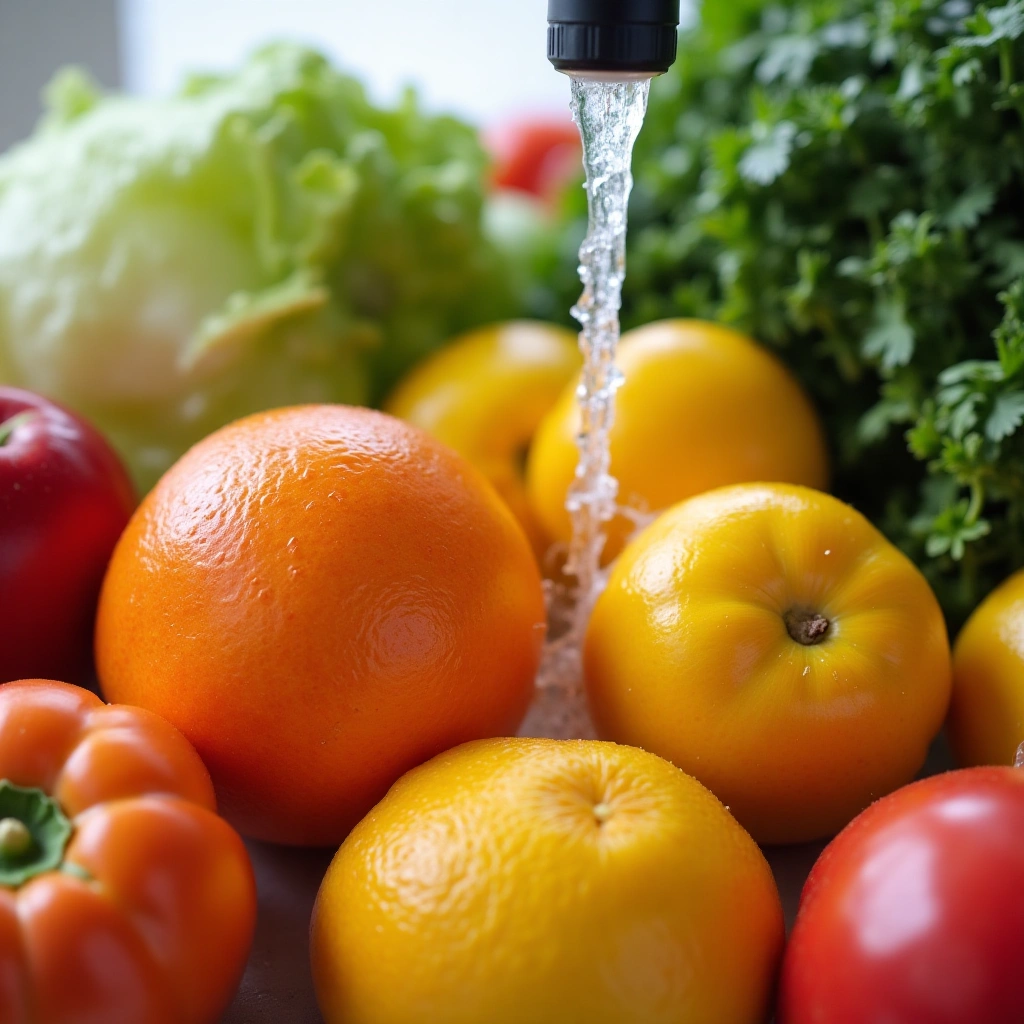
How you treat your produce after you get home from the store could be exposing you to bacteria that causes food-borne illness , experts say.
Ah, the age-old question: how do you wash your fruits and vegetables? It seems simple enough, right? You just give them a rinse and voilà! But wait—what if I told you that you might be doing it all wrong? Yep, that’s right.
We’ve all seen those viral hacks floating around the internet. You know, the ones that involve soaking your produce in a baking soda solution or some other concoction that sounds like it was whipped up by a mad scientist. While these methods might get millions of views, food safety experts are here to tell us that the safest and most effective way to wash your fruits and veggies is much more straightforward.
So, what’s this magical method, you ask? Drumroll, please… it’s just plain ol’ water! Yes, you heard that right. No fancy baking soda or vinegar solutions required. Just water. But before you roll your eyes and think, “Great, I could have figured that out myself,” let’s dive into why this simple approach is actually the best.
First off, washing your produce under running water helps to remove dirt, bacteria, and pesticides that may be lurking on the surface. It’s like giving your fruits and veggies a refreshing shower after a long day of being handled by who-knows-how-many people at the grocery store. Just make sure to use cold or lukewarm water—hot water can actually cause some fruits, like tomatoes, to lose their flavor. Who wants a tasteless tomato? Not this guy!
Now, you might be thinking, “But what about those pesky pesticides?” Good question! While washing with water can help reduce pesticide residues, it won’t completely eliminate them. If you’re really concerned, consider buying organic produce. But remember, even organic fruits and vegetables need a good rinse. It’s not just about pesticides; they can also carry dirt and bacteria from the farm to your table.
And let’s not forget about those leafy greens. You might be tempted to just give them a quick rinse and call it a day, but they deserve a little extra love. For leafy greens, it’s best to soak them in a bowl of cold water first, gently agitate them, and then rinse thoroughly under running water. Think of it as a spa day for your salad!
Another tip? Don’t forget to wash your hands before washing your produce. It’s like the first rule of cooking—keep those hands squeaky clean. You don’t want to be the person who spreads germs from their hands to their apples. That’s a hard pass for me!
So, the next time you’re prepping your fruits and veggies, remember that less is more. No need for elaborate hacks that require a chemistry degree to understand. Just water, a little time, and maybe a gentle scrub with a brush for those thicker-skinned fruits and veggies like potatoes or cucumbers, and you’re good to go.
In conclusion, washing your produce doesn’t need to be complicated. Just remember: the simpler, the better. So put down that baking soda and grab your faucet—your fruits and veggies will thank you for it. Now go forth and wash like a pro!
Inspired by: “You might be washing fruits and vegetables wrong. Here’s the simple method food safety experts reco…” (r/Local)