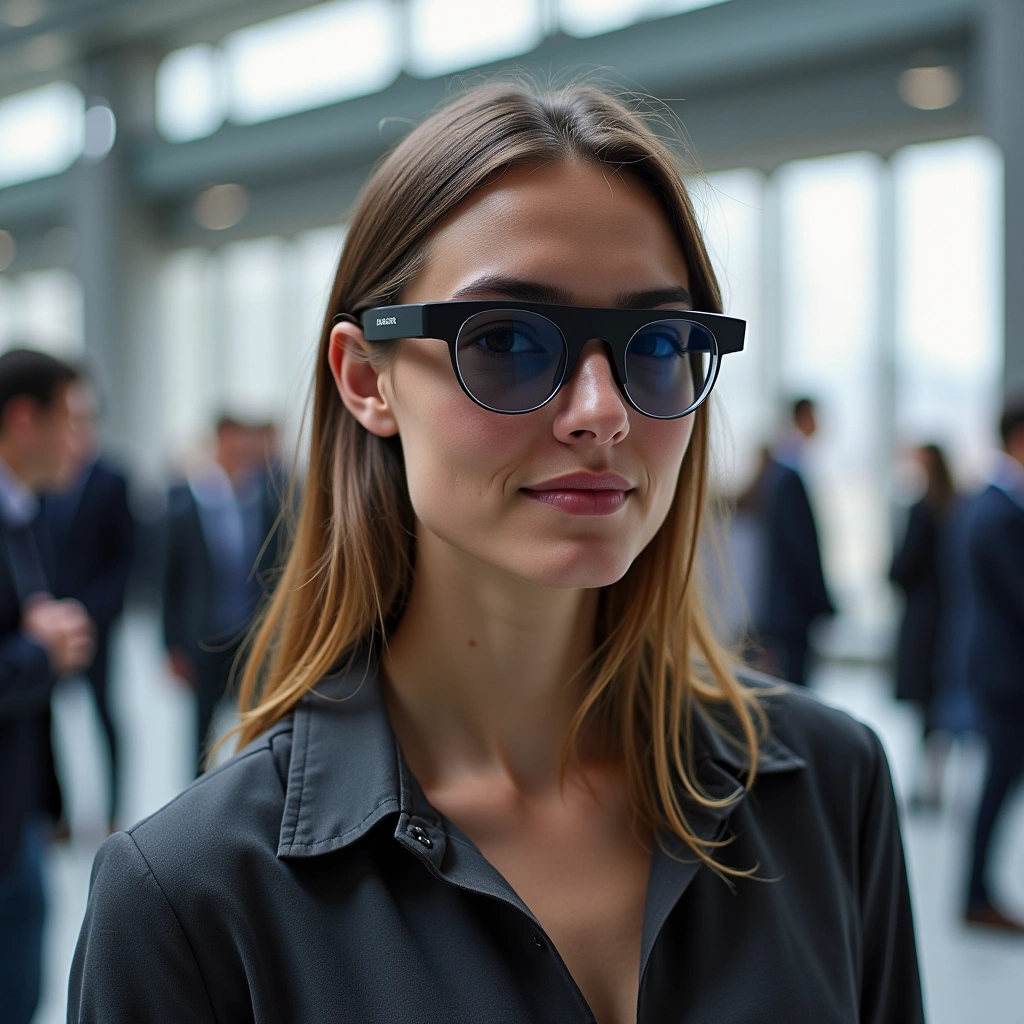
So, the tech world is abuzz with the latest rumors about Apple’s upcoming smart glasses, set to be unveiled as early as June 2027 during WWDC. Yes, you heard that right—another shiny gadget to add to our collection of devices that we never knew we needed but somehow can’t live without. But before we start dreaming about augmented reality (AR) selfies and hands-free scrolling, let’s take a moment to address the elephant in the room: privacy.
The fact is, if Apple’s smart glasses don’t have a way to record things in POV, they’re going to be considered leagues behind most people who are interested in spending money to dip their toes in the form factor. Not a good look for a late-market entry. Obviously, Apple already sells plenty of devices capable of doing bad things when used the wrong way—you could whip out your iPhone and record someone discreetly just as easily, right?
You see, Apple isn’t just stepping into the world of smart glasses; they’re doing so with a hefty load of privacy baggage, mainly because of what their competitors—looking at you, Meta—have done in this space. Meta’s foray into smart glasses was met with mixed reactions: some loved the concept, while others were more concerned about being spied on by their own eyewear. I mean, who wouldn’t want their every blink and glance monitored by a corporation? It’s practically a dream come true!
Now, Apple has a reputation to uphold. They’ve built their brand on the promise of privacy and security, a refreshing change from the “We’ll collect all your data and sell it to the highest bidder” approach taken by many tech giants. So, how do they plan to present their smart glasses without sending consumers running for the hills (or at least their good old-fashioned sunglasses)?
First off, Apple will need to ensure that their glasses don’t resemble Meta’s offerings in any way. We’re talking about avoiding the “creepy tech” vibe that seems to come standard with Meta’s products. If Apple’s glasses look like they belong in a sci-fi movie featuring aliens with questionable motives, it’s game over. No one wants to wear a device that makes them feel like they’re in a surveillance state.
To win over skeptics, Apple might need to pull out all the stops—think privacy-first features, robust security measures, and perhaps even a reassuring public relations campaign that emphasizes how these glasses will not be a portal to your every thought and action. They could even throw in a cheeky tagline like, “Our glasses won’t watch you, but they might help you watch your favorite shows.”
And let’s not forget the design. Apple has a knack for making even the most mundane items look like high fashion. If they can create a pair of smart glasses that are stylish enough for a runway show while being functional enough to avoid the “creepy tech” aesthetic, they might just have a winner on their hands.
But the road to success isn’t easy. Apple will need to tread carefully, especially in a world where consumers are becoming increasingly aware of their privacy rights. With a growing number of people saying “no thanks” to anything that looks remotely invasive, Apple must ensure that their smart glasses are not just another device that contributes to our collective anxiety about privacy.
In conclusion, as we await the grand unveiling of Apple’s smart glasses, it’s clear that they have their work cut out for them. They need to overcome the shadow cast by Meta and prove that they can innovate without invading our privacy. If they manage to pull it off, who knows? We might just find ourselves wearing smart glasses that make us look more like tech-savvy fashionistas instead of characters in a dystopian novel. Fingers crossed, right?
Inspired by: “NEW LEAK: Apple’s upcoming smart glasses – planned to be introduced as early as next June at WWDC 2…” (r/technology)