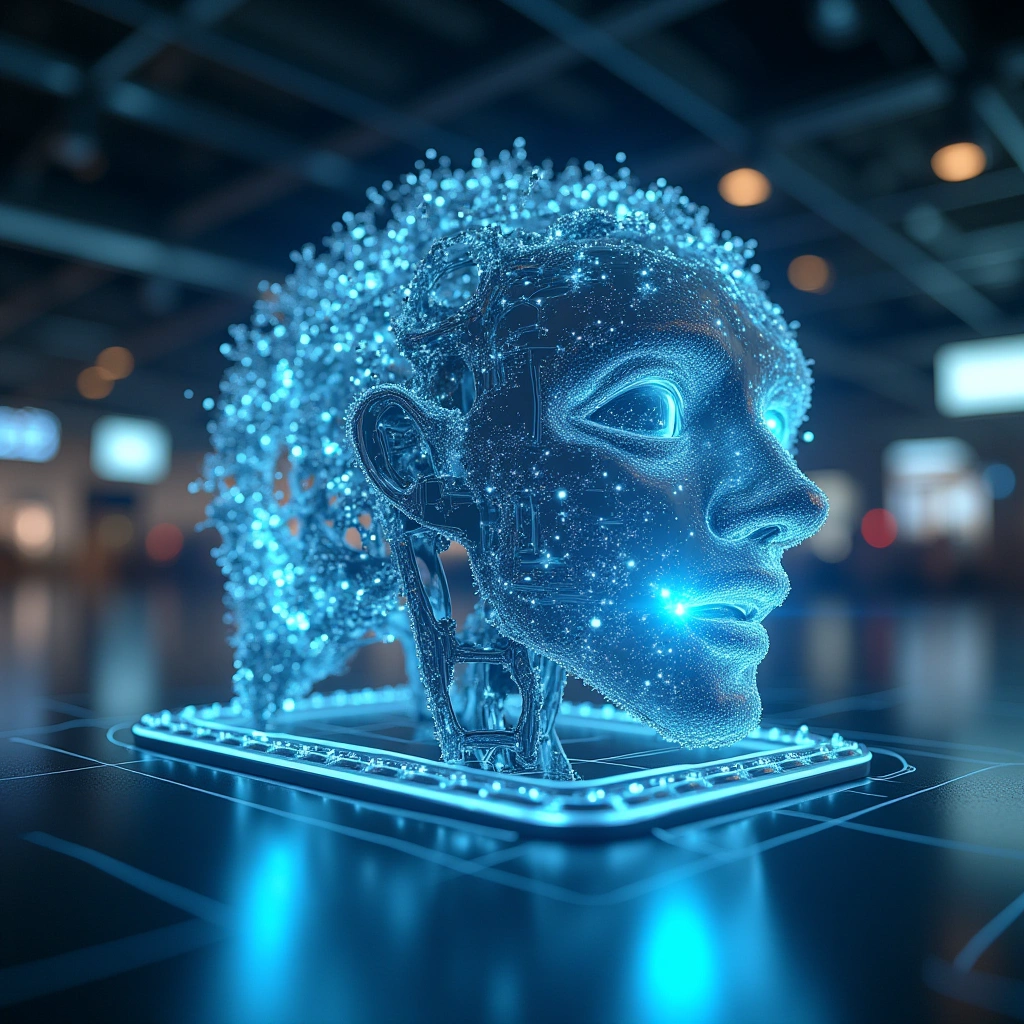
Ah, America’s AI revolution. It sounds like the title of a blockbuster movie, doesn’t it? Picture this: robots and algorithms take center stage, dazzling us with their intelligence and efficiency, while we sit back with our popcorn, occasionally questioning whether those robots might just decide that humans are overrated. Spoiler alert: they might.
The problems of the everyday, many of those in this ruling class seem to believe, are insoluble and can safely be ignored; after the AI revolution, everything will be fine. As such, both societies are organizing culturally, economically, and politically around the pursuit of this new technology: China is adopting more capitalist “characteristics,” while the U.S. is embracing more tech-driven authoritarian state controls. But AI will not converge China and America into any one system. It will refract their civilizational logics into distinct technological futures: America’s restless frontier vs.
The excitement surrounding artificial intelligence is palpable. From self-driving cars to smart assistants that know more about us than our closest friends (thanks for that, Alexa), it seems we’re on the brink of a technological utopia. But hold your horses! Before we start handing over the keys to our lives to these digital overlords, we might want to take a moment to consider potential pitfalls.
Let’s face it: with great power comes great responsibility—or in this case, great potential for disaster. Imagine a world where AI systems make critical decisions without human oversight. Sure, it sounds efficient, but let’s not forget that a computer doesn’t have a heart, a sense of ethics, or the ability to empathize. We’ve all seen how a simple bug can cause chaos in our favorite apps; now imagine what could happen if an AI miscalculates something crucial, like, oh, I don’t know, military strategies or healthcare decisions?
One major concern is the ethical implications of AI. Who gets to decide what’s right or wrong when it comes to programming these algorithms? If we’re not careful, we could end up with a system that perpetuates biases and inequalities. Picture a world where your job application is rejected because an AI decided you don’t fit into its narrow definition of “ideal candidate.” Not exactly the American Dream, is it?
And then there’s the whole issue of privacy. We’re already living in an age where our data is being collected, analyzed, and sold faster than we can say “data breach.” What happens when AI takes this to the next level? The thought of an algorithm knowing my shopping habits, my medical history, and my deepest secrets is a little unsettling, to say the least. I mean, do we really want our toaster to know we binge-watched three seasons of a reality show in one weekend?
Furthermore, let’s talk about the economic impact. AI has the potential to revolutionize industries, but it also threatens to displace millions of workers. It’s a double-edged sword: while some jobs will be created in the tech sector, many more could vanish as machines take over tasks that humans once performed. So, if you see a bunch of people wandering around looking confused and jobless, just remember: they’re not lost; they’re victims of the AI revolution.
Now, don’t get me wrong. I’m not saying we should throw our hands up in despair and abandon all technological advancements. That would be like throwing away the baby with the bathwater—except in this case, the baby is a super-intelligent robot that could potentially save us from climate change. The key is to approach AI with caution and foresight. We need to establish regulations, ethical guidelines, and frameworks that ensure AI serves humanity, not the other way around.
So, as we stand on the brink of this AI revolution, let’s keep our eyes wide open. It’s an exciting time, but it’s also a time to be vigilant. Because if we aren’t careful, we might just find ourselves in a disaster movie we didn’t sign up for. And trust me, no one wants to be the unsuspecting hero trying to save humanity from its own creation.
In conclusion, let’s embrace the AI revolution, but let’s do it with a healthy dose of skepticism and a side of humor. After all, if we can’t laugh at ourselves while navigating the unknown, we might just end up crying into our robot overlords’ circuits. And nobody wants that.
Inspired by: “America’s AI revolution could end in disaster” (r/technology)