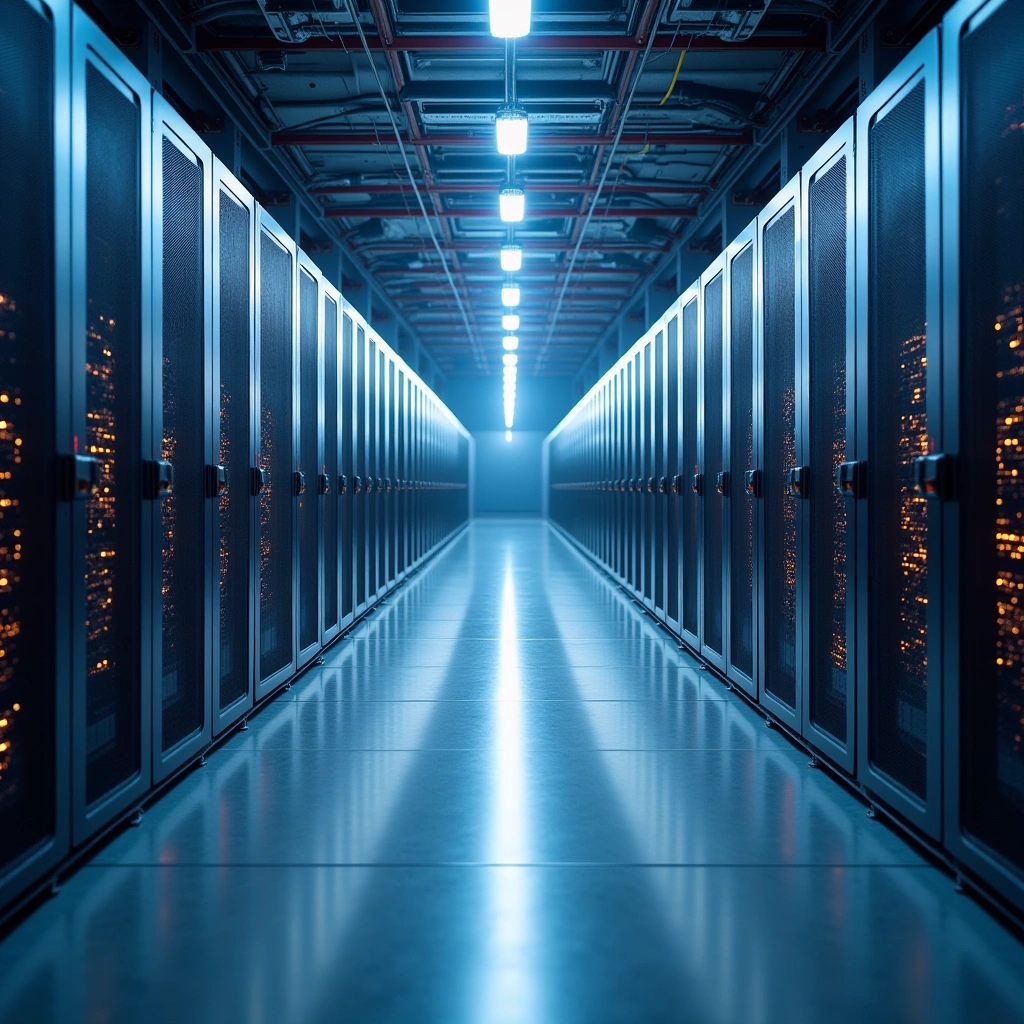
So, Amazon is at it again! This time, they’ve decided to expand their empire by purchasing a site in Texas to build what they call a “data center campus.” Sounds fancy, right? But before we start imagining a utopia of servers and cloud computing, let’s pause for a moment and consider what this really means for our planet.
The closest government air monitor is 30 miles from the Amazon site. The neighborhoods near the data center are burdened with dozens of pollution sources, including landfills and hazardous waste sites.
Now, I know what you’re thinking: “A data center? What’s the big deal?” Well, buckle up, because this isn’t just a bunch of computers sitting in a room, sipping lattes and discussing the latest tech trends. These data centers, while crucial for our digital lives, have a dark side— and I’m not talking about the latest superhero movie.
Let’s break it down. Data centers consume an enormous amount of energy. We’re talking about enough electricity to power thousands of homes. And where does that energy come from? In many cases, it comes from fossil fuels, which means more emissions and more pollution. So, while Amazon is busy delivering your next online purchase in record time, they’re also contributing to the very pollution that’s causing climate change. It’s like a superhero with a secret villain identity— except instead of a cape, it’s wearing a Prime logo.
Some might argue, “But they’re investing in renewable energy!” And sure, they are. But let’s not kid ourselves; the scale of energy consumption for these data centers often overshadows any green initiatives. It’s like putting a Band-Aid on a gaping wound— sure, it looks nice, but it’s not really solving the problem, is it?
And let’s not forget about the water usage. Yes, data centers need to be cooled, and that requires water— a precious resource that’s becoming scarcer by the day. So, while we’re all busy binge-watching our favorite shows on Prime Video, we might want to think about the environmental cost of keeping those servers running smoothly. It’s a bit like ordering takeout while simultaneously complaining about food waste.
Now, I can already hear the groans of the tech lovers out there, ready to defend Amazon like it’s their long-lost puppy. “But data centers are essential for our digital world!” you might say. And yes, I get it. We live in a digital age where everything is connected, and data centers are the backbone of that connectivity. But at what cost? It seems a bit hypocritical to champion technological advancement while simultaneously contributing to environmental degradation.
So, what can we do about it? Well, it starts with awareness. As consumers, we have the power to demand better practices from companies like Amazon. We can choose to support organizations that prioritize sustainability and hold those that don’t accountable. And who knows, maybe one day we’ll live in a world where data centers are as eco-friendly as they are technologically advanced. Until then, let’s keep the conversation going and remember: every time we click “Buy Now,” there’s a little bit of pollution that comes along for the ride.
In conclusion, Amazon’s new data center campus in Texas might be a marvel of modern technology, but it also serves as a reminder of the environmental challenges we face. So, while you’re ordering your next gadget or binge-watching a series, take a moment to think about the impact behind that convenience. Because let’s face it, the future of our planet is a lot more important than the latest smartphone release.
Inspired by: “Amazon Is Creating the Biggest Pollution Source in the Entire Country: Amazon has bought a site in…” (r/technology)