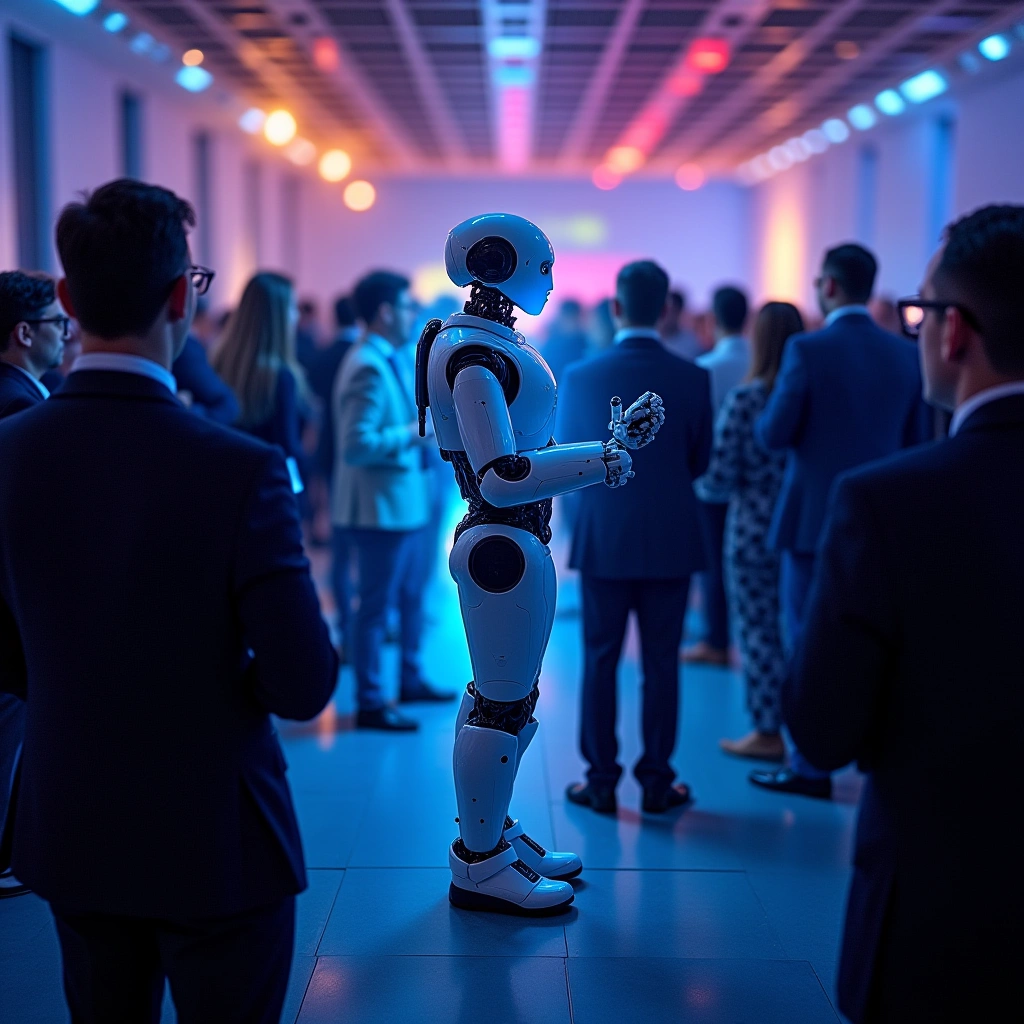
So, let’s talk about AI surveillance. You know, that thing that sounds like it’s straight out of a dystopian novel but is actually happening right now in our not-so-dystopian world? Yeah, that one. It seems like every day we hear about new advancements in artificial intelligence that make our lives easier (thanks, AI, for helping me find my phone when I’ve lost it for the third time this week). But here’s the catch: while we’re busy enjoying our smart fridges and virtual assistants, we might be overlooking the fact that this technology is also being used to keep an eye on us, and not in a friendly, “I’m just checking in” kind of way.
These systems will combine powerful AI, public and private surveillance via real-time facial recognition technology and digital tracking, mass databases and highly personalized enforcement.
AI surveillance has been supercharged recently, and it’s starting to feel like we’re all living in a reality show where the producers are the government and the plot twist is that we have no say in it. With facial recognition technology, data mining, and a whole host of algorithms that can analyze our behavior, it’s like Big Brother got a tech upgrade and is now watching us with the keen interest of a reality TV producer.
Now, you might be thinking, “I have nothing to hide, so why should I care?” Ah, the classic defense. But let’s take a moment to unpack that. Just because you’re not planning a heist or a dramatic escape from a top-secret facility doesn’t mean that the constant surveillance doesn’t have implications for social progress. Imagine a world where every little thing you do is monitored and analyzed. Sounds fun, right?
Here’s where it gets interesting: AI surveillance can chill social progress in ways that are not so obvious. For instance, people might feel less inclined to express their opinions or engage in activism if they know they’re being watched. Let’s face it, nobody wants to end up on a government watchlist just because they posted a meme about how pineapple doesn’t belong on pizza.
Moreover, marginalized communities are often the first to feel the effects of this AI watchtower. With biased data sets and algorithms, the surveillance systems can disproportionately target certain groups, leading to increased profiling and discrimination. It’s like the worst kind of game of whack-a-mole, except instead of moles, it’s real people whose lives are being affected by a system that claims to keep us safe.
And if you think about it, the chilling effect doesn’t just stop at activism. It seeps into everyday life. Who wants to take a risk or try something new when they know there’s a chance they might be judged by an algorithm that has no sense of humor? The fear of being misinterpreted or misrepresented can stifle creativity, innovation, and even the simple act of having fun.
In a world where AI surveillance is thriving, we might find ourselves in a state of constant self-censorship, where we’re afraid to speak up or step out of line. Sure, it’s great that we have technology that can help us in various ways, but when that same technology starts to dictate how we live our lives, we have a problem.
So, what can we do about it? For starters, we can start conversations about the ethical use of AI. We need to hold companies and governments accountable for how they’re using this technology. Let’s advocate for transparency and regulations that protect our privacy. Because if we don’t, we might just find ourselves living in a world where the only thing we’re allowed to express is how delicious our avocado toast is.
In conclusion, while AI surveillance might seem like a harmless tool for efficiency and safety, it has the potential to chill social progress in ways that we can’t afford to ignore. Let’s not let our desire for convenience come at the cost of our freedom to express, connect, and grow as a society. After all, a world where we’re all being watched isn’t just a little unsettling—it’s downright boring. And nobody wants a boring reality show, right?
Inspired by: “AI surveillance is being supercharged – and it will chill social progress” (r/technology)