One of the primary benefits of AI in real estate is its capacity to enhance and optimize property valuations . Traditional approaches, which depend largely on manual evaluations of recently sold properties and on-site inspections, are time-consuming …
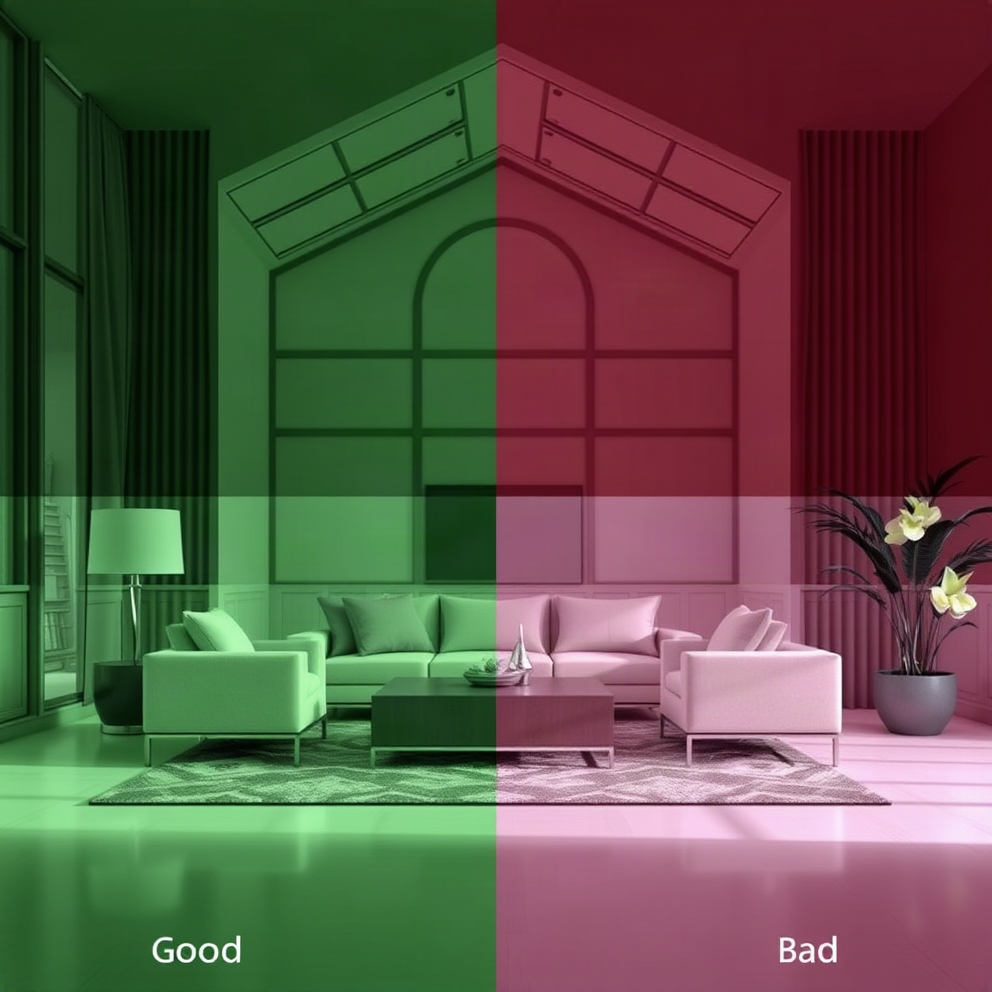
So, let’s talk about real estate agents and their new best friend: AI. If you’ve been scrolling through property listings recently, you might have stumbled upon some images that looked more like a scene from a glossy magazine than a humble abode. And it’s all thanks to our robot overlords.
A recent post on Reddit’s Melbourne subreddit brought this issue to light, asking the important question: Should we trust real estate agents who use AI to generate or alter images of homes? Spoiler alert: the answer isn’t a straightforward yes or no.
First off, let’s acknowledge that the world of real estate is competitive. Agents are vying for your attention like it’s a high school popularity contest, which means they need to pull out all the stops. Enter AI, the shiny new tool in their toolkit. With AI, agents can enhance images, create virtual staging, and even generate breathtaking views that make you think you’re living in a postcard.
But here’s the kicker: when does enhancement become deception? I mean, if I’m looking at a listing and the kitchen looks like it belongs in a cooking show, only to walk in and find it more closely resembles a college dorm, I’m going to feel a bit misled. AI can certainly make a space look appealing, but it can also create unrealistic expectations.
Let’s take a look at a specific example: the listing for 932 Toorak Road, Camberwell. If you check it out, you might find yourself wondering if the house is actually as pristine as the photos suggest or if it’s just another case of AI wizardry gone too far. Are those perfectly arranged cushions and that sunlight streaming in through the window real, or are they just pixels playing tricks on your eyes?
And while we’re at it, can we talk about trust? Trust is a huge factor in the real estate game. If buyers feel like they’ve been duped by a few clever AI alterations, they might not be so eager to engage with that agent—or any agent, for that matter. It’s a slippery slope.
Of course, not all AI enhancements are created equal. Some can genuinely improve the presentation of a property without crossing the line into deception. Virtual staging, for instance, can help buyers visualize how a space could look without the hassle of moving furniture around. But there’s a fine line, and it’s getting blurrier by the day.
So, what’s the verdict? Should real estate agents be using AI to generate or alter images? It seems like a classic case of “with great power comes great responsibility.” Agents need to strike a balance between showcasing a property in its best light and keeping it real. After all, buyers deserve to know what they’re actually getting into.
In conclusion, if you’re house hunting and come across an image that looks too good to be true, it might just be. So, do your due diligence, ask questions, and maybe even take a virtual tour before you get too attached to that picture-perfect kitchen. Because in the end, the only thing worse than a bad real estate deal is a bad AI-enhanced picture of a house you’ll never live in.
Inspired by: “Real estate agents using AI.” (r/melbourne)