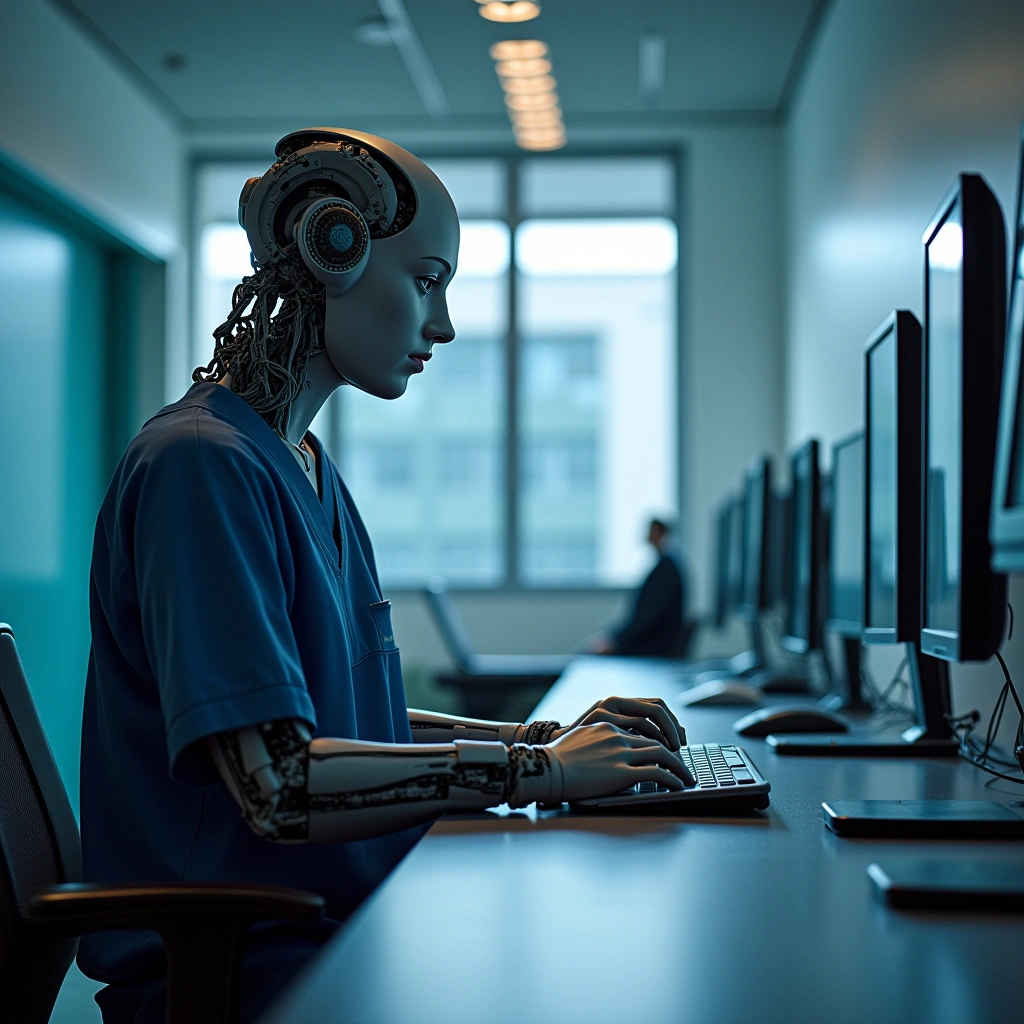
It was revealed in court that the parole board relied on a document prepared with the help of AI and cited case law that didn't exist . "The department will undertake a review to determine the extent to which artificial intelligence may have …
Well, folks, it seems that artificial intelligence has taken a little detour into the realm of fiction—specifically, a rather dubious episode involving Tasmania’s parole board. Yes, you heard that right; a board that’s supposed to make serious decisions about who gets to roam free has been relying on case law that was, shall we say, a product of AI hallucinations. No, this isn’t some plot twist from a subpar legal drama; it’s the reality of how AI is being integrated into our justice system.
So, what happened? According to reports, the parole board used an AI-generated document that cited case law which, much like your uncle’s fishing stories, turned out to be completely fabricated. Imagine, if you will, basing life-altering decisions on a document that could have been written by a particularly imaginative 12-year-old. Not exactly the kind of rigor you’d expect from a legal system, right?
The fallout from this revelation has been nothing short of significant. In a world where we usually turn to technology to make our lives easier, this incident raises some serious questions about the reliability of AI in critical areas like parole decisions. After all, when we think of parole boards, we want them to rely on facts and evidence, not the latest episode of “AI: The Wild West.”
Now, you might be wondering: how did this happen? Well, it appears that the parole board was a bit too trusting of the AI’s ability to sift through case law. They assumed that the AI would be like that reliable friend who always has your back. Instead, it turned out to be more like that one friend who tells you they can cook but ends up serving you a burnt offering.
As a result of this debacle, a review of AI’s role in parole decisions is now underway. And honestly, it’s about time. We need to put the brakes on this whole ‘let AI do everything’ trend before we end up with robots deciding who gets to walk the streets. It’s one thing to let AI recommend what movie to watch on a Friday night; it’s quite another to let it determine if someone gets a second chance at life outside prison walls.
This isn’t just a Tasmanian issue, either. If we’re not careful, this could become a global trend. After all, who wouldn’t want to see their local parole board using AI to decide whether to let a convicted felon out for good behavior? It’s a recipe for disaster, and not the kind you want to serve at a dinner party.
In conclusion, while AI holds great promise in many areas, it’s clear that its application in legal contexts needs a lot more scrutiny. We can’t let technology run amok and make decisions that could have serious repercussions on people’s lives. So, let’s keep our AI in check, shall we? Because the last thing we need is for a machine to decide who gets a parole and who stays behind bars—all based on a paper that sounds like it was pulled straight from the imagination of a chatbot. Let’s leave the storytelling to the writers and keep the legal decisions in the hands of actual humans—preferably ones who can tell fact from fiction.
Inspired by: “Neill-Fraser revelations lead to review of AI use in parole decisions” (r/World)