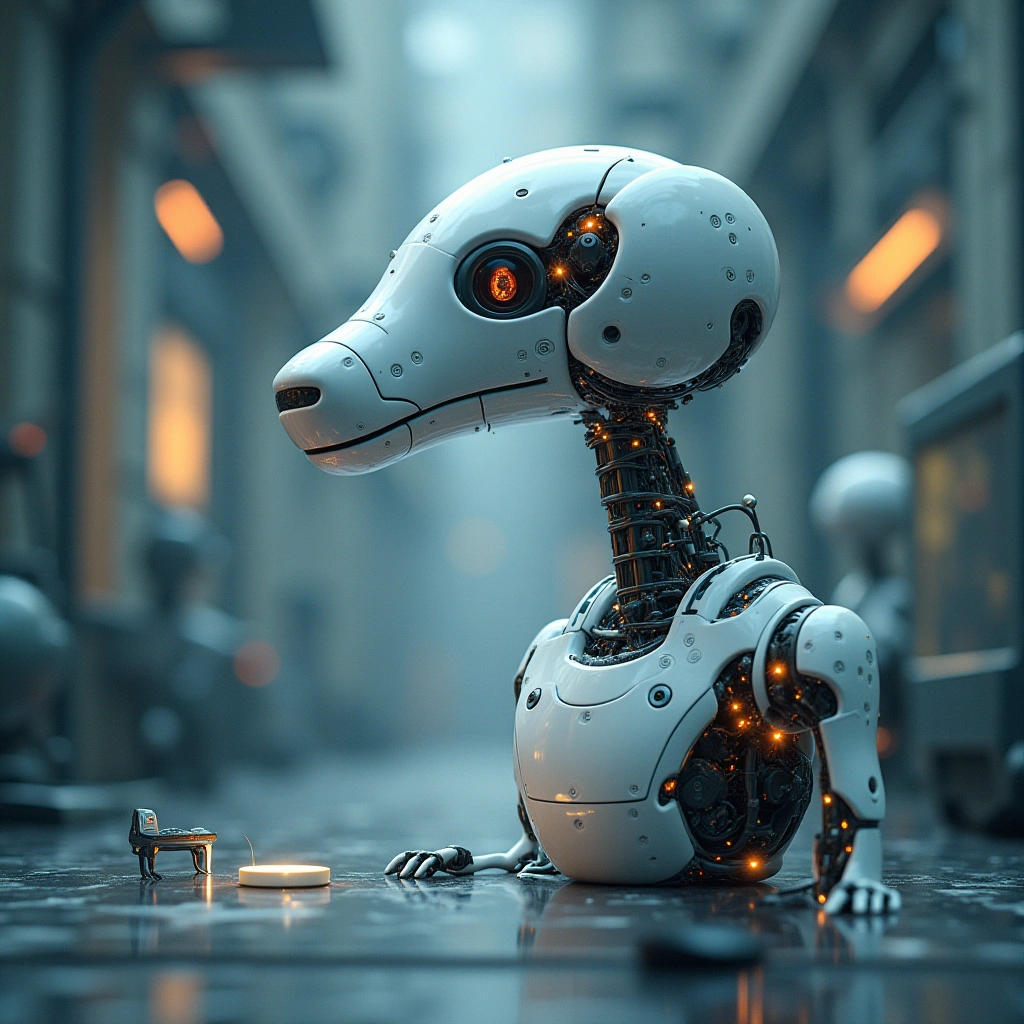
So, here’s a hot take that’s been making the rounds: AI-generated fiction is apparently as easy to spot as a cat in a dog park. A recent study claims that AI fiction is not just detectable but also, and brace yourself, largely stupid and bad. I mean, who needs a PhD in literature to figure that out?
It could also help those like me who want to write, but are burdened by their own anxiety, the harshness of social media, and hustle culture as a whole. It can even make writing prompts fun—just ask the AI to generate a list of ideas, pick …
Now, before we dive into the nitty-gritty, let’s clarify what we mean by ‘AI fiction.’ This is the stuff churned out by our friendly neighborhood algorithms, designed to mimic human writing. You know, the kind that might make you question whether you should be laughing or crying—or both.
The Study That Set the Internet Abuzz
Researchers took a deep dive into the world of AI-generated text, and their findings are as spicy as a hot pepper on a summer day. They discovered that AI has a tendency to produce narratives that are, let’s say, less than stellar. It’s like that one friend who insists on telling the same joke over and over again, but it was never funny to begin with.
The researchers pointed out that AI often struggles with character development, plot coherence, and, you know, basic grammar. You might think, “Hey, it’s just a machine!” But here’s the kicker: Machines are supposed to be smart, right? We’ve seen them beat humans at chess and go, but when it comes to crafting a compelling story, they might as well be writing in crayon.
Why Is It So Bad?
One of the major reasons for the lackluster quality of AI fiction is that these algorithms are trained on vast amounts of text but lack the human experience. They can regurgitate facts and mimic styles, but they have no idea what it’s like to feel heartbreak or joy. So, when they try to write about emotions, it’s as if a robot is trying to explain why it loves its charger. Spoiler alert: it doesn’t.
Another reason is the reliance on patterns and data. AI looks for what has worked in the past and tries to replicate it. Unfortunately, this often leads to clichés and predictable plots. It’s like going to a restaurant and finding that every dish is made with the same three ingredients. Yawn.
Can We Trust AI for Creative Writing?
The big question remains: Can we trust AI to create anything worthwhile? Well, that depends on your definition of ‘worthwhile.’ If you’re looking for something to entertain your cat while you’re away, sure, let the AI have its moment. But if you want a gripping tale that pulls at your heartstrings, you might want to stick with a good old-fashioned human author.
There are some who argue that AI can be a helpful tool for writers, offering prompts or brainstorming ideas. And while that’s true, it’s important to remember that the spark of creativity often comes from the messy, chaotic human experience. AI, on the other hand, is about as chaotic as a neatly organized spreadsheet.
Conclusion: Embrace the Quirkiness
At the end of the day, AI fiction might not be winning any Pulitzer Prizes anytime soon. But it’s important to recognize the quirks and limitations of these digital wordsmiths. They may not be capable of crafting the next great American novel, but they can provide some comic relief in an otherwise serious literary world.
So, next time you stumble upon an AI-generated story that makes you scratch your head, just remember: it’s not you—it’s the algorithm. And who knows? Maybe one day, they’ll get better. But for now, let’s keep our expectations low and our laughs high. Cheers to the future of writing, one awkward sentence at a time!
Inspired by: “AI Fiction Is Easy to Detect Because It’s Stupid and Bad, Research Finds” (r/technology)