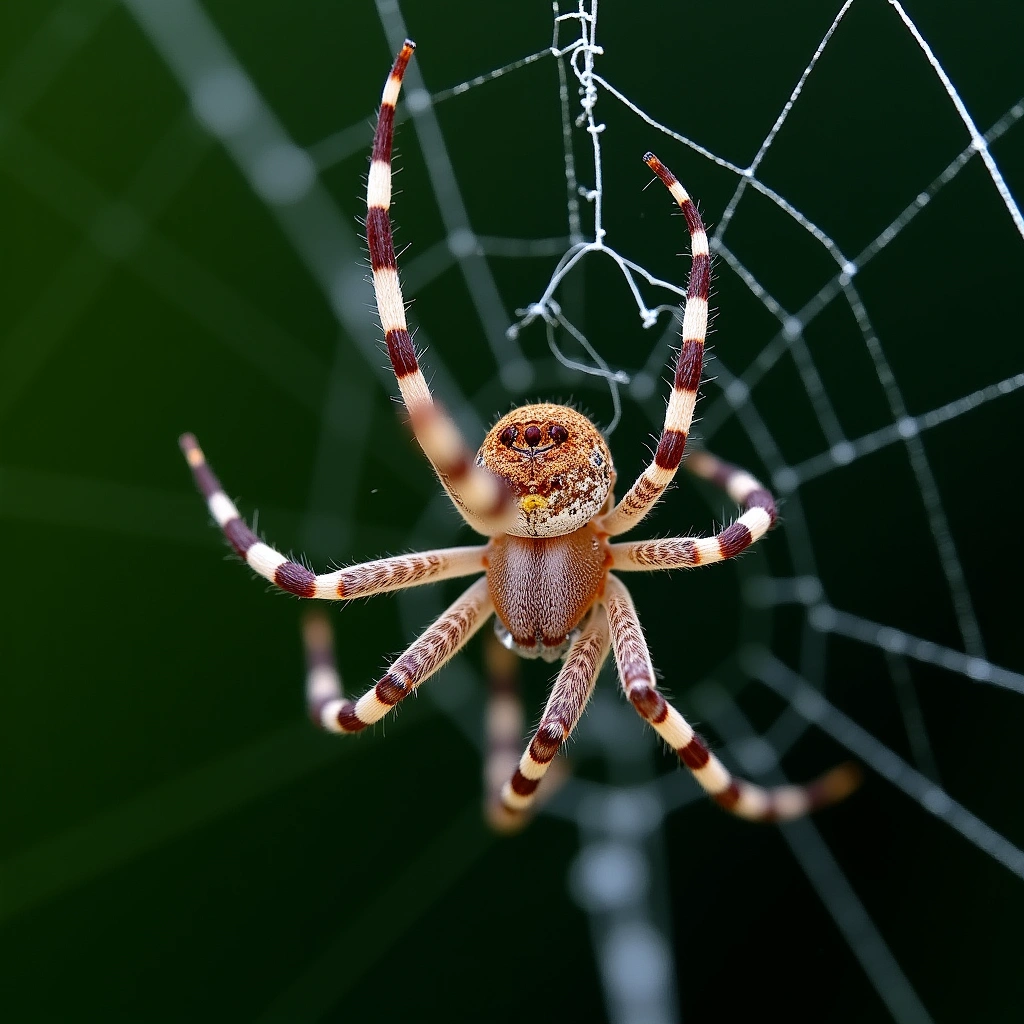
So, let’s talk about spiders. You know, those eight-legged, sometimes terrifying little creatures that make us question our life choices when they unexpectedly crawl out from under the couch. But before you reach for the nearest shoe, let’s take a moment to appreciate the true artistry behind their infamous webs. Yes, folks, we’re diving into the world of spider web-making—where sticky silk meets pure engineering brilliance!
First off, let’s address the elephant in the room—or should I say, the spider in the room? Spiders are not just creepy crawlies; they’re nature’s architects! Just think about it: while we sit around contemplating our next Netflix binge, these tiny titans are out there crafting intricate homes that would put even the best human architects to shame. Seriously, have you seen some of these webs? They’re like the Sistine Chapel of the insect world, minus the crowds and with a whole lot more bugs getting caught.
Now, how do they do it? Spiders produce silk from specialized glands, and the process is nothing short of magical. It’s like they’re walking around with their very own silk factory. The silk strands are strong, flexible, and incredibly lightweight—think of it as nature’s version of a superhero cape! They use different types of silk for various purposes: some for building webs, others for wrapping up dinner (because, let’s face it, who doesn’t like a good takeout?).
But let’s not forget about the web design itself. There are several types of spider webs, each with its own purpose. The classic orb web, for example, is the one you’d typically associate with your friendly neighborhood spider. This beauty is not only aesthetically pleasing but also designed for maximum bug-catching efficiency. It’s like the spider version of a well-laid trap, luring unsuspecting flies into a sticky demise. You know, the kind of trap that would make Wile E. Coyote proud!
Interestingly, the web design can vary depending on the spider species. Some prefer the classic spiral design, while others opt for a more chaotic, tangled approach. It’s as if they’re all competing in a web-making reality show, trying to impress the judges with their unique takes on web architecture. “And for your next challenge, we want you to incorporate a touch of modern art into your web!”
Now, you may be thinking, “That’s all fine and dandy, but how does this relate to my life?” Well, my friend, consider this a lesson in resilience and creativity. Spiders don’t just give up when their webs get destroyed—oh no! They rebuild, sometimes even stronger than before. Talk about a life mantra! Next time you face a setback, just imagine how a spider would react. “Oh, my web got blown away in the wind? No biggie, let’s whip up another masterpiece!”
So, the next time you encounter a spider weaving its web, take a moment to appreciate the sheer talent and tenacity of these little engineers. Sure, they might give you the heebie-jeebies, but they also provide us with a valuable lesson in creativity, persistence, and the importance of a well-crafted web.
In conclusion, let’s lay off the spider-squishing for a while and give these eight-legged wonders the respect they deserve. They’re not just lurking in the corners of your house; they’re out there working hard, spinning silk, and crafting intricate designs that would make even the most seasoned artists envious. So, grab a camera and get ready to document the next web masterpiece you encounter! But remember, no touching—those silken strands are best left to the professionals!
And before you go, here’s a visual treat to tide you over: [insert beautiful spider web image here]. Now go forth, my fellow web enthusiasts, and share the spider love!