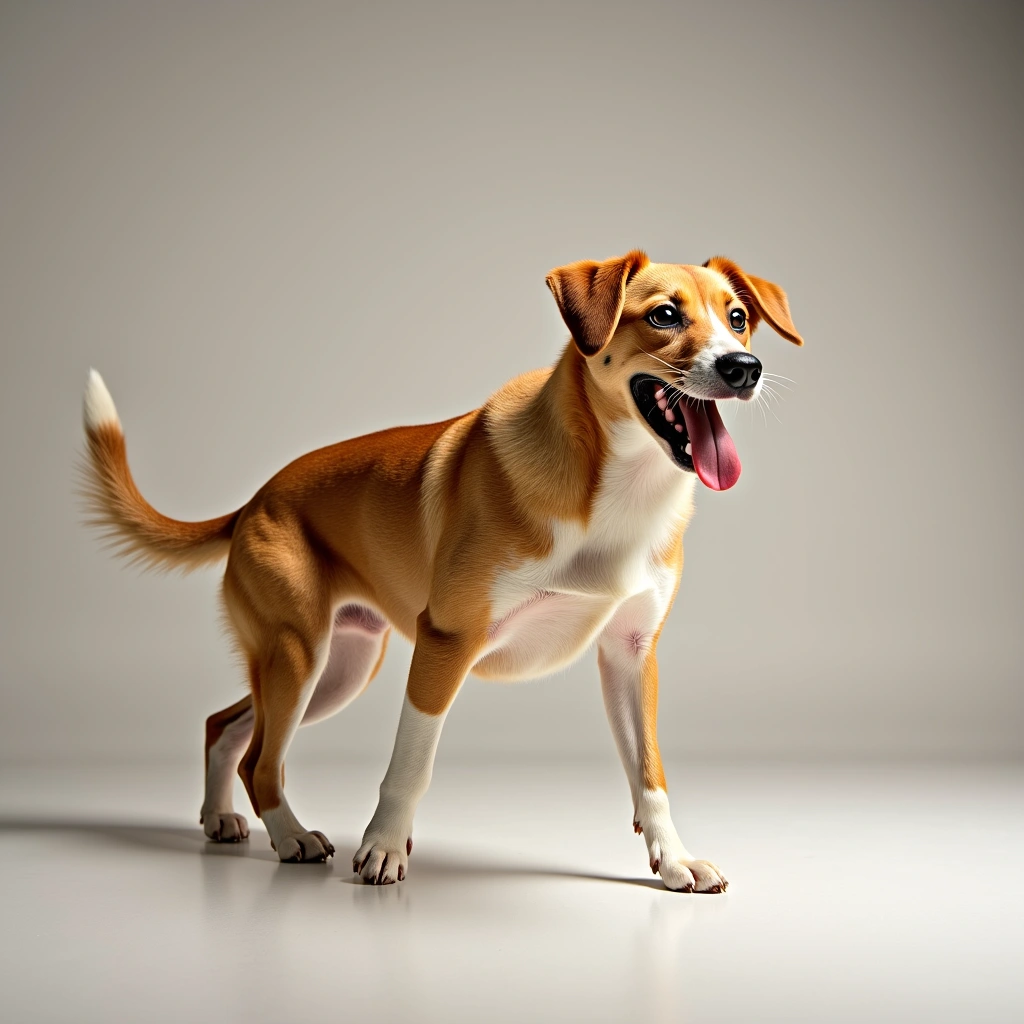
Ah, dogs! Our furry little companions that seem to have mastered the art of walking, running, and let’s be honest, sometimes just plain prancing around like they own the place. Have you ever noticed how your pup moves? It’s not just random chaos; there’s a method to their madness! Let’s dive into the six distinct gaits of dogs, and trust me, it’s more fascinating than you might think. Plus, it gives you something to impress your friends with at the next dog park hangout!
1. The Walk: This is the classic doggy stride, the good ol’ ambulation. Picture your dog strolling casually, tail wagging like it’s a flag of freedom. They typically move their legs in a coordinated fashion, with the front and back legs on one side moving together, followed by the other side. It’s like synchronized swimming, but on land, and without the bathing suits. Dogs often use this gait when they’re exploring their territory or just out for a leisurely stroll.
2. The Trot: Oh boy, this is where things get a bit more energetic! The trot is a two-beat gait where the dog moves diagonally opposite legs in unison. You know, like those awkward dance moves we all try at weddings? This gait lets dogs cover ground quickly and is often seen when they’re excited, like when you’re about to throw a ball. The trot is efficient, and let’s be real, it’s pretty adorable to watch.
3. The Canter: If you’ve ever watched a dog run with a little bit of swagger, you’ve seen the canter. It’s a three-beat gait that’s sort of a trot’s cooler cousin. One of the back legs and the opposite front leg touch the ground at the same time, while the other two legs follow. It’s an elegant move, often used when your dog feels like showing off, or when they’re trying to impress that cute poodle down the street.
4. The Gallop: Now we’re talking about full-on speed! The gallop is the four-beat gait that we all recognize when our dogs are in full chase mode, whether that’s after a squirrel or just running for the sheer joy of it. It’s like the dog version of a cheetah on a caffeine rush. The back legs push off the ground and come forward, while the front legs reach ahead. Honestly, it’s like watching a fluffy rocket take off.
5. The Pace: The pace is slightly less common and is often seen in certain breeds, especially those like Great Danes and other large dogs. In this gait, the front and back legs on the same side move together rather than opposite sides. It may look a little awkward, but it’s actually quite efficient for larger breeds. Just imagine them strutting down the street like they’re on a catwalk, only it’s a dogwalk, and there’s no runway, just your neighbor’s lawn.
6. The Backward Walk: Yes, you read that right! Some dogs can walk backward, and it’s a sight to behold. Usually, they do this when they’re trying to get out of trouble or when they think they can fool you into giving them a treat by pretending they didn’t hear you call them. It’s like their own version of reverse psychology, and honestly, it’s hard to resist giving them a treat just for the effort.
In conclusion, dogs are like furry little athletes, showcasing various gaits that reflect their mood, energy level, and intentions. Next time you’re out with your canine companion, take a moment to appreciate their unique style of movement. Whether they’re walking, trotting, cantering, galloping, pacing, or even moonwalking (yes, I’m talking about that backward walk), each gait tells a story. Plus, it’s a great way to bond with your pup over a shared love of all things weird and wonderful. So, grab that leash, and let’s hit the park—gait style!