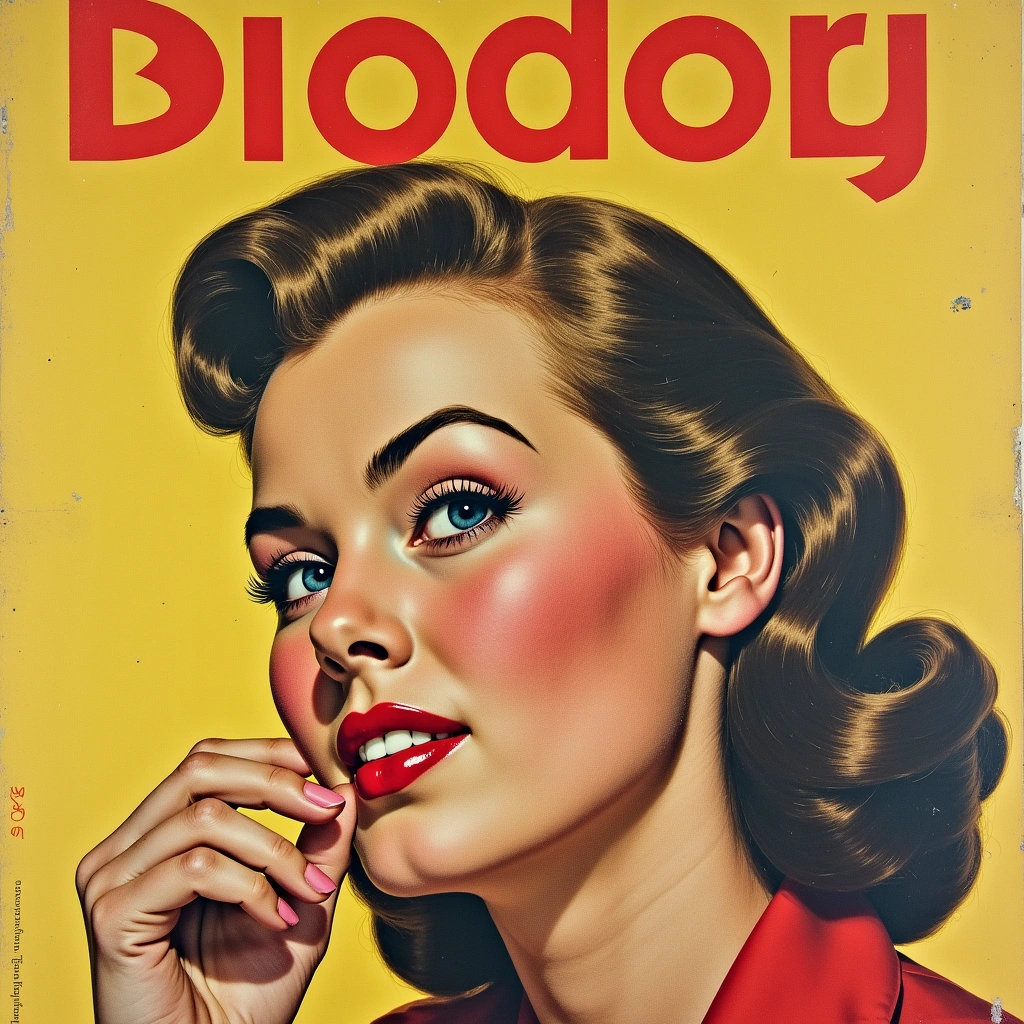
Ah, 1951! A time when poodle skirts were all the rage, rock ‘n’ roll was just beginning to get its groove, and the world was in a frenzy over the latest boogeyman: drugs! Grab your popcorn and settle in, because we’re diving into the wild world of anti-drug propaganda from this era—an escapade filled with melodrama, over-the-top cautionary tales, and a healthy dose of paranoia!
First off, let’s set the scene. The post-war United States was buzzing with a cocktail of optimism and anxiety. On one hand, the economy was booming, and the suburbs were expanding faster than a kid’s waistline after Halloween. On the other, the Cold War was heating up, and as if that wasn’t enough to keep people up at night, drug use was becoming a hot topic. Enter the anti-drug propaganda machine, which churned out some of the most memorable, albeit cringe-worthy, material we’ve ever seen.
Picture this: a black-and-white poster featuring a dramatically portrayed ‘drug fiend’ with wild hair and bloodshot eyes, clutching a joint like it’s the last slice of pizza at a party. The caption reads something like, “Just one hit can lead to a life of crime and despair!” Really? It’s almost like they thought one puff would have you trading in your suburban home for a cardboard box under the highway. The paranoia was real, folks!
But this wasn’t just limited to posters. Oh no, kids! The 1951 anti-drug campaign was a multi-faceted affair. They had pamphlets, films, and even public service announcements that would make your grandma clutch her pearls. One popular film, *Reefer Madness*, was so over-the-top that it’s become a cult classic. Not only did it show young people turning into deranged maniacs after smoking marijuana, but it also featured a piano player who inexplicably lost his mind and started playing jazz. Apparently, jazz was the gateway to insanity? Who knew?
And let’s talk about the language used back then. The anti-drug advocates had a flair for the dramatic that could rival Shakespeare. Words like “moral decay,” “dangers of addiction,” and “life of crime” were thrown around like confetti at a wedding. You’d think they were describing a zombie apocalypse rather than a few teenagers experimenting with substances. Talk about raising the stakes!
Now, you might be wondering: did this propaganda actually work? Well, it’s complicated. For some, it instilled a deep fear of drugs that kept them clean. For others, it had the opposite effect. The more they were told to stay away from drugs, the more curious they became—like telling a toddler not to touch that shiny red button. Spoiler alert: they’re going to touch the button!
As we look back on this piece of history, it’s important to recognize the impact of such propaganda on society’s views toward drugs. While the methods were sometimes laughable, the underlying message about the dangers of addiction and substance abuse remains relevant today. However, it’s crucial to approach the topic with a balanced perspective rather than resorting to fear-mongering tactics.
So, the next time you hear someone reminiscing about the good ol’ days, remind them of the thrilling ride that was 1951 anti-drug propaganda. It was a time when fear ruled the airwaves, and the only thing more exaggerated than the portrayal of drug users was the hairstyles of the time. And hey, if you ever find yourself in need of a good laugh, dive into some of those old films and posters. They’re a reminder that while times change, the human propensity for melodrama remains timeless!
In conclusion, let’s appreciate the creativity of the past while striving for a more informed and compassionate approach to substance use today. After all, it’s not just about saying no; it’s about understanding the reasons why someone might say yes in the first place. And who knows? Maybe one day we’ll look back on our current methods with the same mix of nostalgia and laughter.