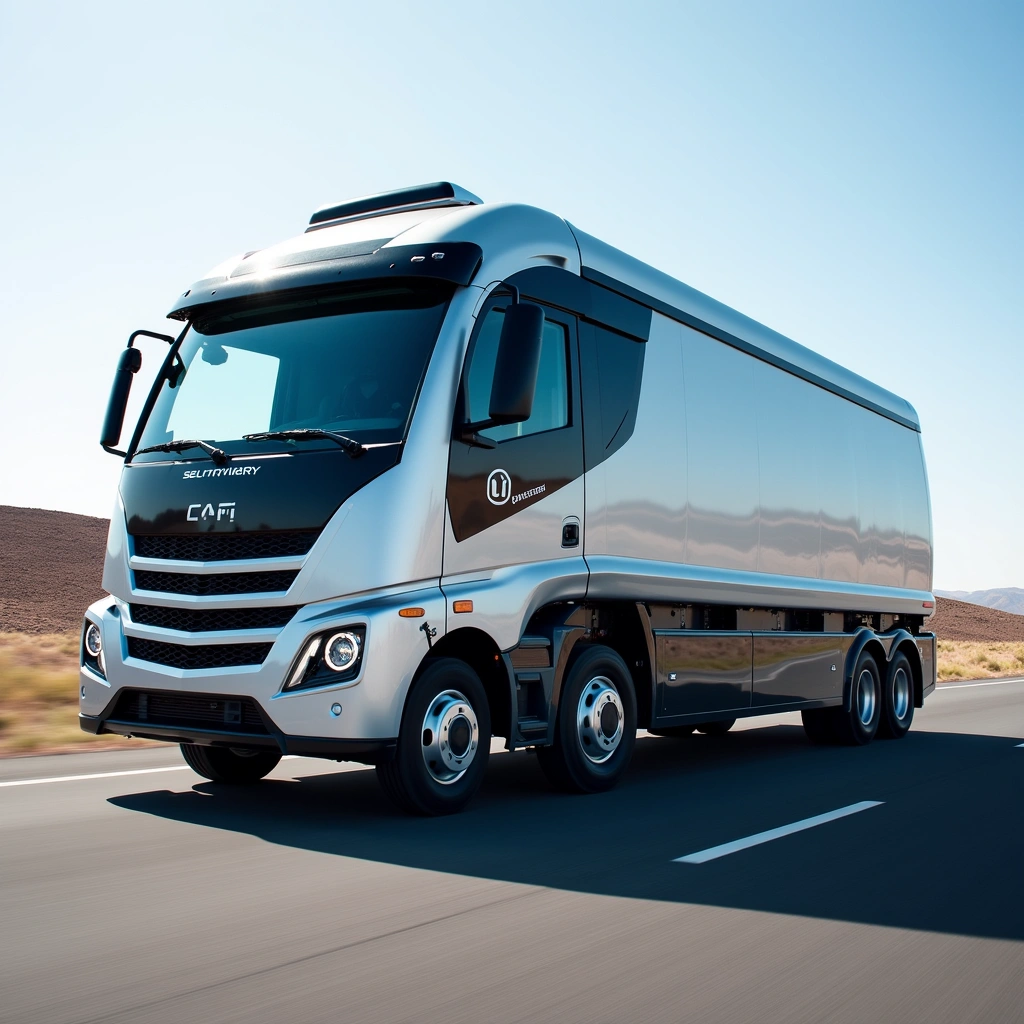
Imagine this: you’re cruising down the highway, wind in your hair, and suddenly, a truck zooms past you that has no driver. No, this isn’t a scene from a futuristic sci-fi movie where robots have taken over the world (though, let’s be real, that’s probably coming soon). This is Colorado’s latest initiative to protect highway workers with self-driving crash trucks, and it’s both ingenious and a little bit terrifying!
Now, before you start picturing a bunch of robots in hard hats sipping coffee on the job, let’s break this down. These self-driving crash trucks are essentially mobile barricades designed to shield road construction crews from the reckless drivers zooming by at 90 miles per hour like they’re in a NASCAR race. With the increasing number of accidents involving roadside workers, it’s about time we let technology lend a helping hand – or, in this case, a wheel.
The Need for Speed (and Safety)
Highway construction is a hazardous occupation. Workers are often at the mercy of distracted drivers who might not see them until it’s too late. According to statistics, nearly 800 people are killed in work zone crashes each year in the U.S. alone. Let’s face it: that’s way too many to be chalked up to “oops, I didn’t see you there!”
Enter the self-driving crash truck. This beast of a machine autonomously maneuvers through traffic, creating a protective buffer zone around workers, ensuring they remain unharmed while they fix the roads that we all love to complain about. It’s like having a bodyguard on wheels, but instead of wearing sunglasses and a black suit, it’s painted bright orange and adorned with reflective tape. Talk about the ultimate safety accessory!
How Does It Work?
So, how does this technological marvel actually work? Well, it’s equipped with sensors and cameras that allow it to detect vehicles approaching from all angles. It can autonomously adjust its position to maintain an optimal distance from the workers while keeping an eye out for those rogue drivers who think the highway is their personal racetrack.
The crash truck can also communicate with other vehicles on the road, basically saying, “Hey, buddy, slow down! There are humans at work here!” Imagine the look on a driver’s face when their car starts talking back to them – it’s the ultimate wake-up call!
The Controversial Side
Now, let’s not sugarcoat it – there are some folks who are raising eyebrows about the whole self-driving thing. Some skeptics argue that relying on machines could lead to more accidents if the technology fails or misjudges a situation. After all, we’ve all seen those hilarious (and slightly terrifying) videos of self-driving cars getting into sticky situations.
But here’s the kicker: if we’re going to have machines doing a great job of protecting our essential workers, it might just be worth the risk. Plus, let’s face it, it’s way better than having a human crash truck driver who might be distracted by their morning coffee or the latest TikTok trend.
The Future Is Here
Colorado isn’t just setting the bar for highway safety; it’s paving the way for a future where technology and human safety coexist harmoniously. If this initiative takes off, we might see self-driving vehicles popping up in other areas too – who knows, maybe even at your local fast-food joint to avoid those awkward drive-thru conversations!
So, the next time you’re on the highway and see a crash truck doing its thing, remember: it’s not just a truck; it’s a shield of technology protecting our hardworking road warriors. And who knows, maybe one day we’ll all be commuting in self-driving cars that respect their human passengers as much as these trucks respect their human coworkers. Until then, let’s give a round of applause to Colorado for leading the charge into the future.
Stay safe out there, folks, and remember – the only thing you should be driving is your attention to the road!