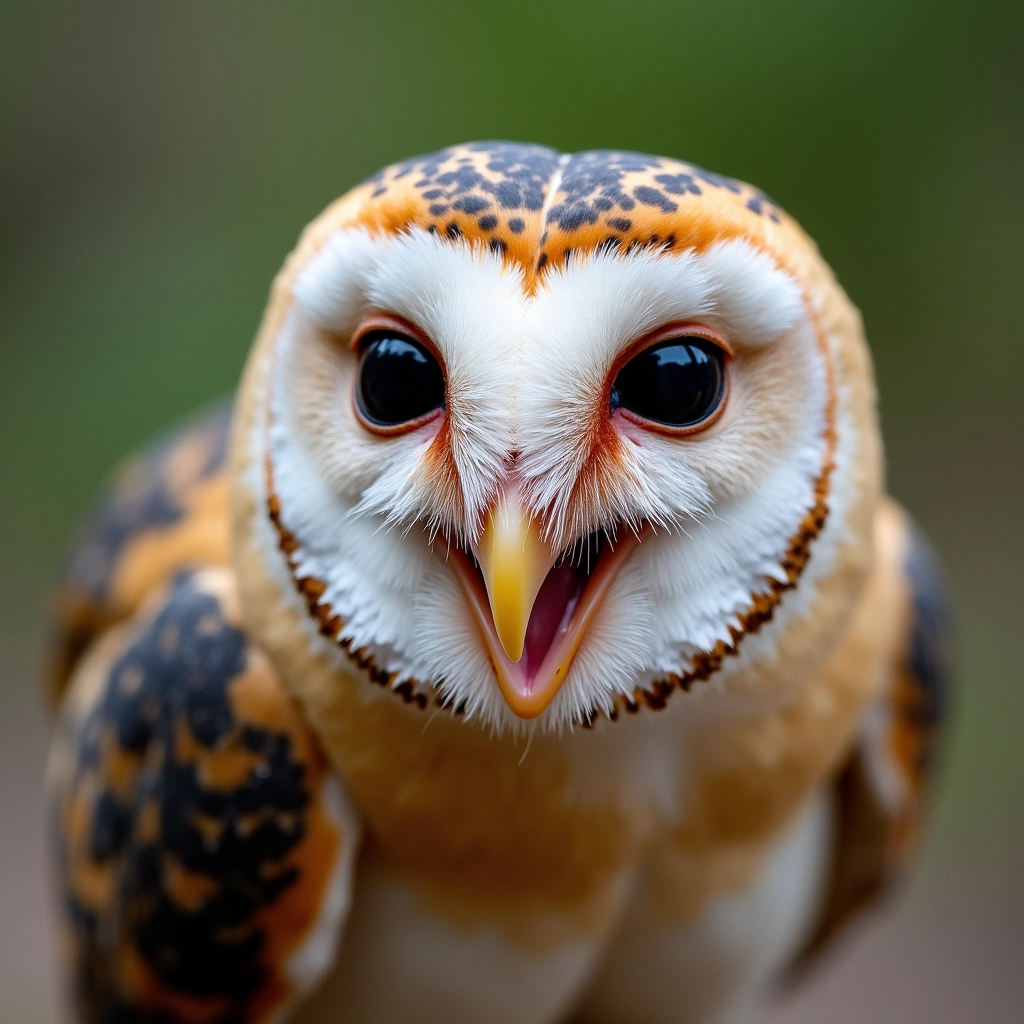
Have you ever watched a baby owl eat and thought, “Wow, that’s cuter than my last three dates combined!”? Well, you’re not alone! Baby owls, those fluffy little balls of feathers and wide-eyed wonder, have a fascinating journey before they spread their wings and take to the skies. Today, we’re diving into the magical world of how these adorable creatures are fed at rehabilitation centers, ensuring they stay wild and ready for their big debut back in the great outdoors.
The First Bite: What’s on the Menu?
Picture this: a baby owl wide-eyed and bewildered, perched on a branch, eagerly awaiting its next meal. At rehabilitation centers, the diet of these little rascals is carefully curated. Forget about mushy peas and bland baby food – we’re talking about a gourmet spread of whole prey like mice, small birds, and even insects! Yes, you heard that right. These little guys need to learn how to hunt, and what better way to do that than by serving them up a buffet of nature’s finest?
The Art of Feeding: Keeping It Wild
Now, you might be wondering, “How do they feed these tiny feathered creatures without turning them into petting zoo residents?” Great question, my friend! The key is to mimic natural feeding habits as closely as possible. Rehabilitation experts use a method called ‘hunting simulation’. This involves placing the food in a way that encourages the owls to use their natural instincts to find and capture it. It’s essentially a game of hide and seek, just with a lot more feathers and talons involved.
The Role of Humans: Less is More
While it might be tempting to swoop in and help these little fluff balls with their meals, rehabilitation centers take a step back. They aim to minimize human interaction to keep the baby owls wild. Imagine trying to teach a kid how to ride a bike while you’re holding onto the back of the seat; it’s just not going to work! By allowing the owls to struggle a bit, they develop essential skills that will serve them well in the wild.
A Little Help from Friends
But don’t worry! These baby owls aren’t left to fend for themselves completely. Staff members are like the supportive coaches on the sidelines, making sure that the little ones are safe and sound while they’re learning. They monitor their progress, ensuring they’re not only eating but also developing the skills necessary for survival in the wild. It’s a fine balance between providing support and letting nature take its course.
The Release: A Bittersweet Goodbye
Once the baby owls have mastered the art of hunting and are ready to take on the world, it’s time for the big release! This is the moment every rehabilitation center staff member has been waiting for. Imagine the tears – both joyful and heartbreaking – as they watch these little warriors take flight for the first time. It’s a bit like sending your kid off to college, except instead of a dorm room, they get a tree.
Conclusion: Why This Matters
Feeding baby owls at rehabilitation centers isn’t just about filling their tummies; it’s about preparing them for a life of freedom and adventure. It’s a labor of love that requires patience, skill, and a whole lot of heart. So, the next time you see a baby owl, just remember the incredible journey it took to get there, and maybe give a little salute to the unsung heroes at the rehabilitation centers working tirelessly behind the scenes.
Whether you’re a bird lover or just someone who enjoys cute animal videos, the story of how these baby owls are fed is a reminder that nature can be both adorable and awe-inspiring. And who knows? Maybe one day you’ll spot one of these feathered friends soaring through the sky, a testament to the hard work of those dedicated to keeping them wild and free!