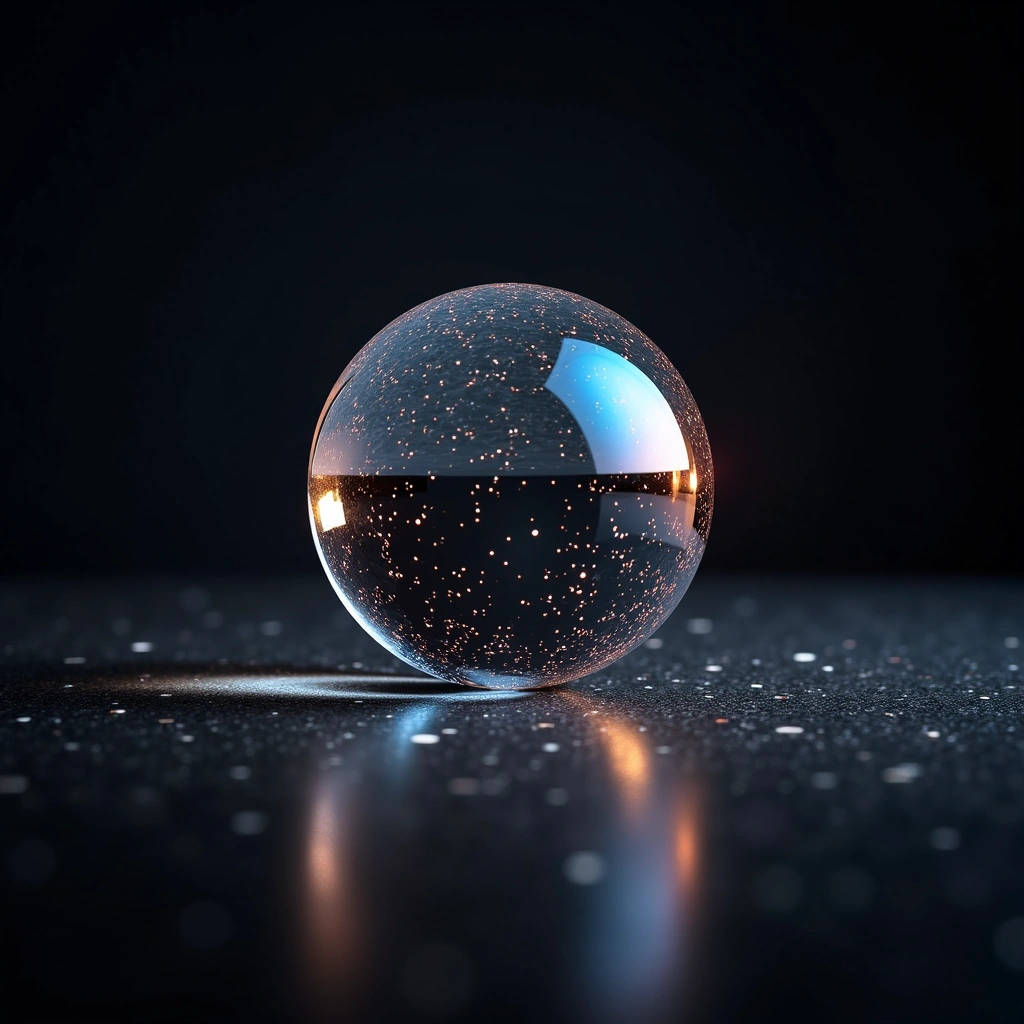
Hey there, fellow science enthusiasts! Today, we’re diving into the fascinating world of refractography, where we get to play with light, water, and a sprinkle of magic—minus the lenses! Yes, you heard it right. We’re talking about capturing videos without the traditional glassy gadgets and instead observing the whimsical caustics that dance before our eyes. So grab your favorite beverage, and let’s get into it!
What Is Refractography, Anyway?
Refractography is essentially the art and science of recording images (or videos, in our case) by harnessing the power of refraction. Refraction, my dear Watson, is that nifty phenomenon that occurs when light bends as it passes through different mediums. Think of it as light doing the limbo while trying to cross from air into water, or from glass to air. How low can it go? Spoiler alert: very low, and it can even create some mind-bending visuals!
The Magic of Caustics
Now, let’s talk caustics—the star of the show! Caustics are those mesmerizing patterns of light that you see when sunlight is refracted through water. Imagine a sunbeam hitting the bottom of a swimming pool, creating that dazzling dance of light. It’s like nature’s very own disco party, and everyone’s invited! When you bypass the lens and directly observe these caustics, it’s like discovering an entirely new dimension of visual artistry. You get to see light behaving like a playful puppy, wagging its tail in all directions.
How Do You Capture Video Without a Lens?
This is where it gets a bit tricky, but bear with me! Instead of using a standard camera lens, which is basically the adult version of a magnifying glass, refractography employs various techniques to manipulate light paths directly. You might use a flat surface, like a pool of water or a curved glass, to create these light patterns. By placing a camera above or around the medium, you can capture the light in all its refractive glory. Boom! Video captured. It’s like sneaking into a club without an ID—if you do it right, no one will even notice!
The Science Behind It
If we want to get a little nerdy (and why not?), the science behind this is rooted in optics and wave theory. Light behaves like both a particle and a wave, and when it encounters a change in medium, its speed changes, leading to that delightful bending effect. Think of it as the light having an identity crisis and trying to figure out which medium it belongs to. The beauty of refractography lies in how we can manipulate these changes to create stunning visuals.
Applications of Refractography
So why should you care about this nerdy art form? Well, aside from impressing your friends at parties (because who doesn’t want to be the ‘cool science nerd’?), refractography has practical applications too. It’s used in fields like art, design, and even in scientific research to visualize complex data. Think about it: you can literally see the light at the end of the tunnel—or at least in your pool!
Final Thoughts
In conclusion, refractography is a remarkable way to explore the bending behavior of light without the need for those pesky lenses. It invites you to connect with the ethereal beauty of caustics and to appreciate the intricacies of nature in a whole new light—pun absolutely intended. So, next time you find yourself near a body of water, grab your camera and start capturing those dazzling patterns. Who knows? You might just stumble upon your own masterpiece!
If you’re curious and want to see some refractography in action, check out this [image](insert-image-url-here) that showcases the kind of stunning visuals you can create. Who knew science could be so visually appealing? Keep exploring, and may the light be with you!