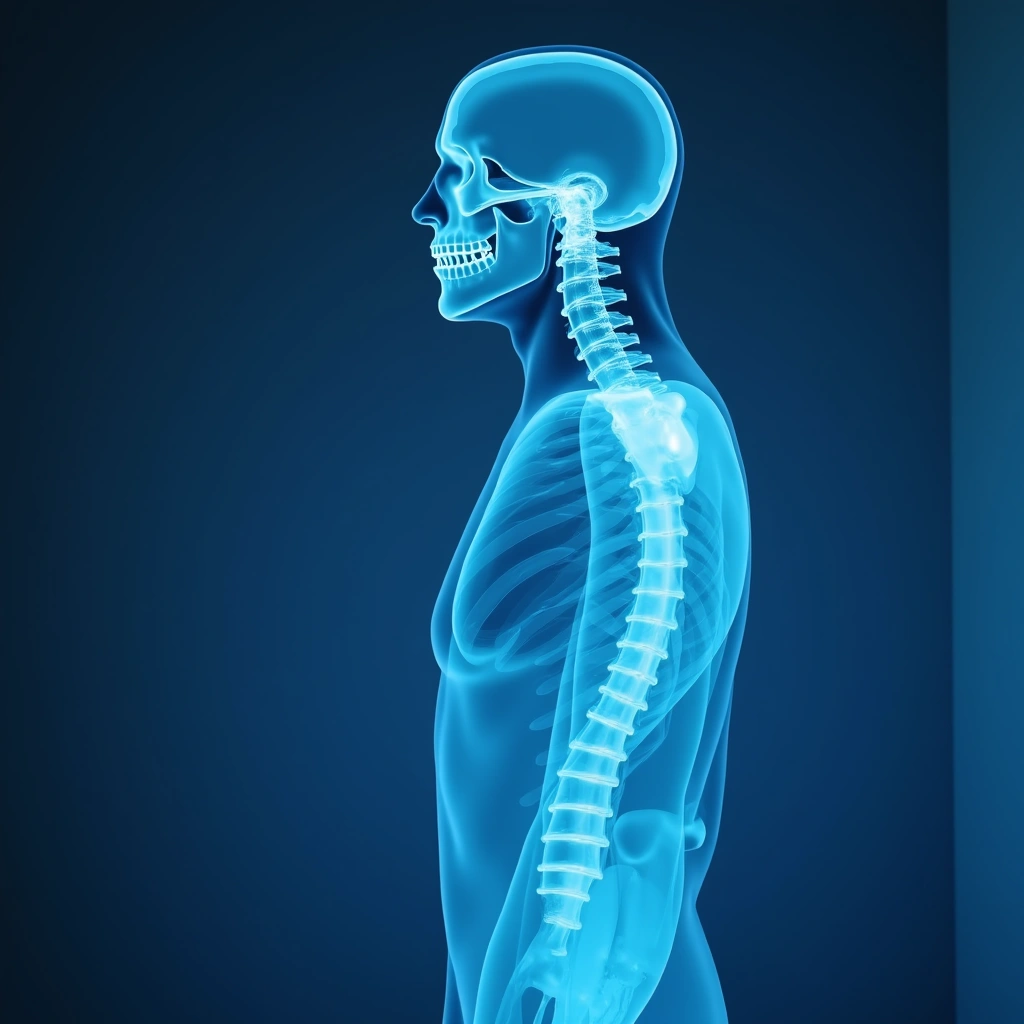
Alright, folks, gather ’round! Let’s dive into the fascinating world of radiology and artificial intelligence (AI) – a topic that has more twists and turns than a soap opera! If you’ve been following the chatter on the internet, you might think that AI is here to kick radiologists to the curb, but hold your horses! Let’s unpack why that’s not quite the case.
First off, let’s address the elephant in the room: AI is smart. Like, ‘I-can-process-10,000-images-in-a-millisecond’ smart. It can spot patterns in images faster than you can say “radiology report.” But before you start imagining a future where doctors are replaced by robots with shiny metal arms, let’s consider what AI really brings to the table.
The Sidekick, Not the Superstar
Think of AI as the trusty sidekick in a superhero movie. Sure, it can do some amazing things, but it’s not the one wearing the cape. In the realm of radiology, AI tools are designed to assist, not replace. They help radiologists by identifying potential issues in scans, which speeds up the process and allows doctors to focus on the big picture. Imagine having a super-smart assistant who does all the legwork while you, the expert, get to make the final call. Sounds like a win-win, right?
The Human Touch: The Unsung Hero
Now, let’s not forget about the human element. Radiologists aren’t just there to read images; they’re there to provide context, compassion, and a sprinkle of humanity. When a patient is sitting there, anxiously waiting for results, they’re not just looking for a cold, hard diagnosis. They need someone to explain what’s going on, answer their questions, and maybe even crack a joke or two to lighten the mood. Can AI do that? Not yet! It’s like trying to teach a cat to fetch – good luck with that.
The Training Ground: What’s in the Data?
Did you know that AI’s ability to analyze images is only as good as the data it learns from? If it’s trained on faulty data or limited datasets, it could lead to catastrophic results. Radiologists, on the other hand, have years of rigorous training that includes understanding the nuances of human anatomy, pathophysiology, and the art of diagnosis. AI might be able to highlight a spot on an X-ray, but it can’t yet understand the story behind it.
The Future: Collaboration, Not Competition
Here’s the kicker: the future of radiology isn’t about humans versus machines; it’s about humans and machines working together. Imagine a world where AI handles the tedious tasks, allowing radiologists to spend more time on patient care and complex cases. It’s like having your cake and eating it too – or in this case, having AI do the boring stuff while you shine at what you do best.
Conclusion: Embrace the Change
So, my friends, the next time you hear someone say that AI is going to replace radiologists, just smile and nod. Sure, it’s changing the landscape of medical imaging, but it’s not sending our beloved radiologists into retirement anytime soon. Instead, it’s paving the way for a more efficient, collaborative, and compassionate healthcare system.
In conclusion, let’s embrace the change and look forward to a future where radiologists and AI work hand in hand. Who knows? Maybe one day, they’ll even share a coffee break together! Until then, keep your capes on, radiologists – the world needs you now more than ever!