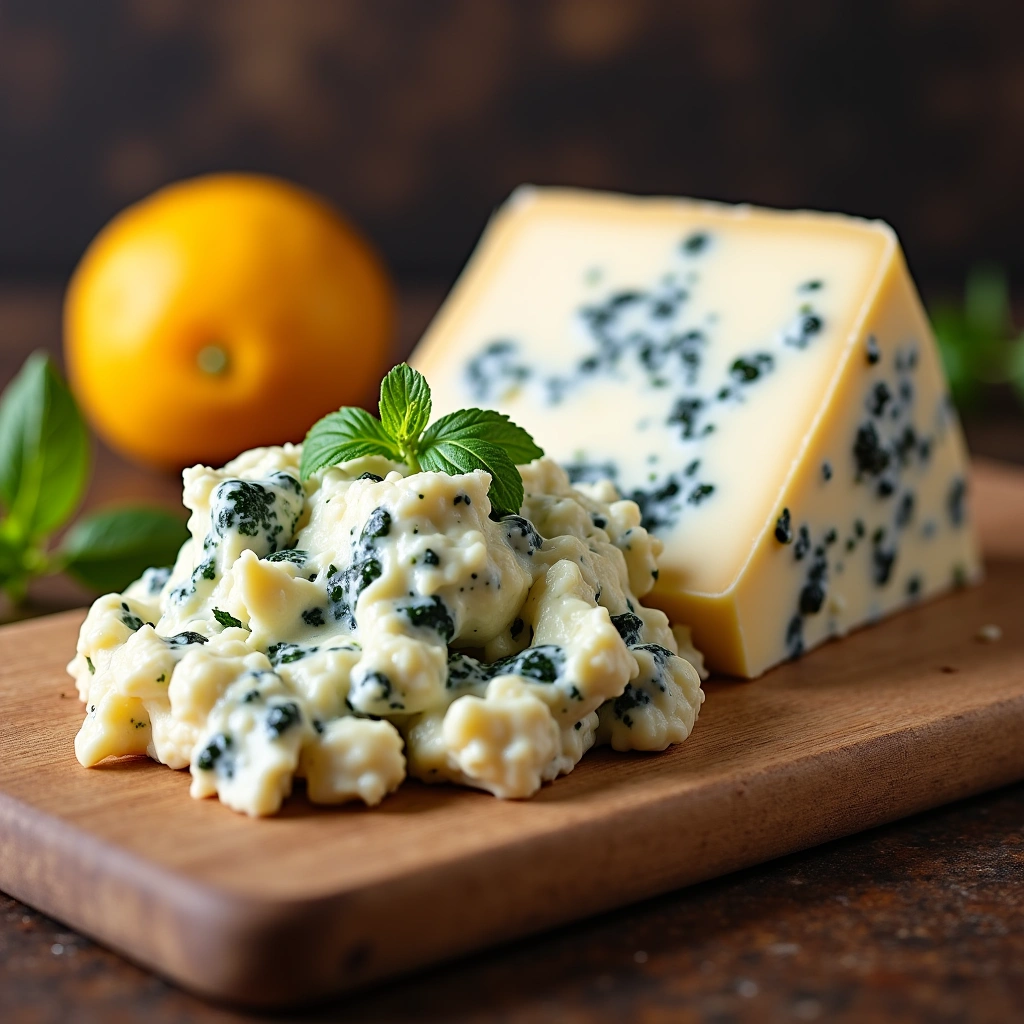
Ah, Gorgonzola! The name alone is enough to make cheese lovers everywhere swoon. Originating from the quaint little village of Gorgonzola, Italy, this blue cheese is not just a culinary delight but a legendary staple of Italian gastronomy. Let’s dive into the fascinating world of Gorgonzola, where creamy textures and bold flavors collide in a delicious dance of moldy goodness.
A Happy Accident
You know how some of the best inventions happened by sheer accident? Like when someone spilled soda on their computer and instead of crying, they invented the world’s first sticky keyboard? Well, Gorgonzola’s origin story is no different! The tale goes that cheese makers in Europe were aging their cheeses in high moisture caves, and who could have guessed that the dampness would lead to the birth of blue cheese?
Picture this: You’re in a dark, cool cave, surrounded by cheese wheels, and suddenly mold starts to develop on your precious dairy creation. Most people would freak out. But not these cheese pioneers! They looked at that mold and thought, ‘Hey, this could be something special!’ And thus, the deliciously tangy Gorgonzola was born. Who knew that a little mold could lead to such a heavenly taste? Talk about a twist in the cheese plot!
The Different Types of Gorgonzola
Not all Gorgonzola is created equal, my cheese-loving friend! There are two primary types that you need to know about: Gorgonzola Dolce and Gorgonzola Piccante.
1. Gorgonzola Dolce: This version is the softer, creamier cousin of the two. It’s like the sweet, cuddly teddy bear of blue cheeses. With its mild flavor and buttery texture, it’s perfect for slathering on crackers or mixing into your favorite pasta dish.
2. Gorgonzola Piccante: If Gorgonzola Dolce is the teddy bear, Piccante is the wild, adventurous sibling who’s always off on a thrill-seeking expedition. This one has a stronger flavor and a crumbly texture that packs a punch—ideal for those who like to live life on the edge (of their cheese plate).
Culinary Uses Galore
Gorgonzola is incredibly versatile! You can find it in salads, risottos, pizzas, and even desserts. Yes, you read that right—desserts! Ever tried a Gorgonzola cheesecake? If not, you’re missing out on a sweet and savory love affair that will make your taste buds do the cha-cha.
Pair it with fruits like pears or figs for a flavor explosion that will transport you straight to Italy. Or, if you’re feeling particularly fancy, drizzle some honey over it. Trust me, your cheese board will thank you.
The Controversial Love-Hate Relationship
Now, let’s get a bit spicy. Blue cheese, including Gorgonzola, often sparks heated debates. You either love it or you hate it, and there’s no in-between! Some folks can’t get enough of that pungent aroma and bold taste, while others wrinkle their noses at the very thought. It’s like that one friend who insists on bringing kale chips to the party—either you’re all in, or you’re running for the exits.
In the end, whether you’re team Gorgonzola or team ‘no way, José’, one thing’s for sure: this blue cheese has left an indelible mark on our palates and on Italian cuisine. So, next time you’re at a cheese shop or perusing the dairy aisle, don’t shy away from trying Gorgonzola. Embrace the moldy magic and join the ranks of cheese aficionados who appreciate this Italian treasure!
Conclusion
To wrap it all up in a delicious, cheesy bow: Gorgonzola is more than just a blue cheese. It’s a testament to the beauty of culinary accidents and the joy of exploration in the world of flavors. So go ahead, grab a wheel of Gorgonzola, gather your friends, and see which side of the cheese debate you land on. Just remember: no matter the outcome, there’s plenty of cheese to go around!