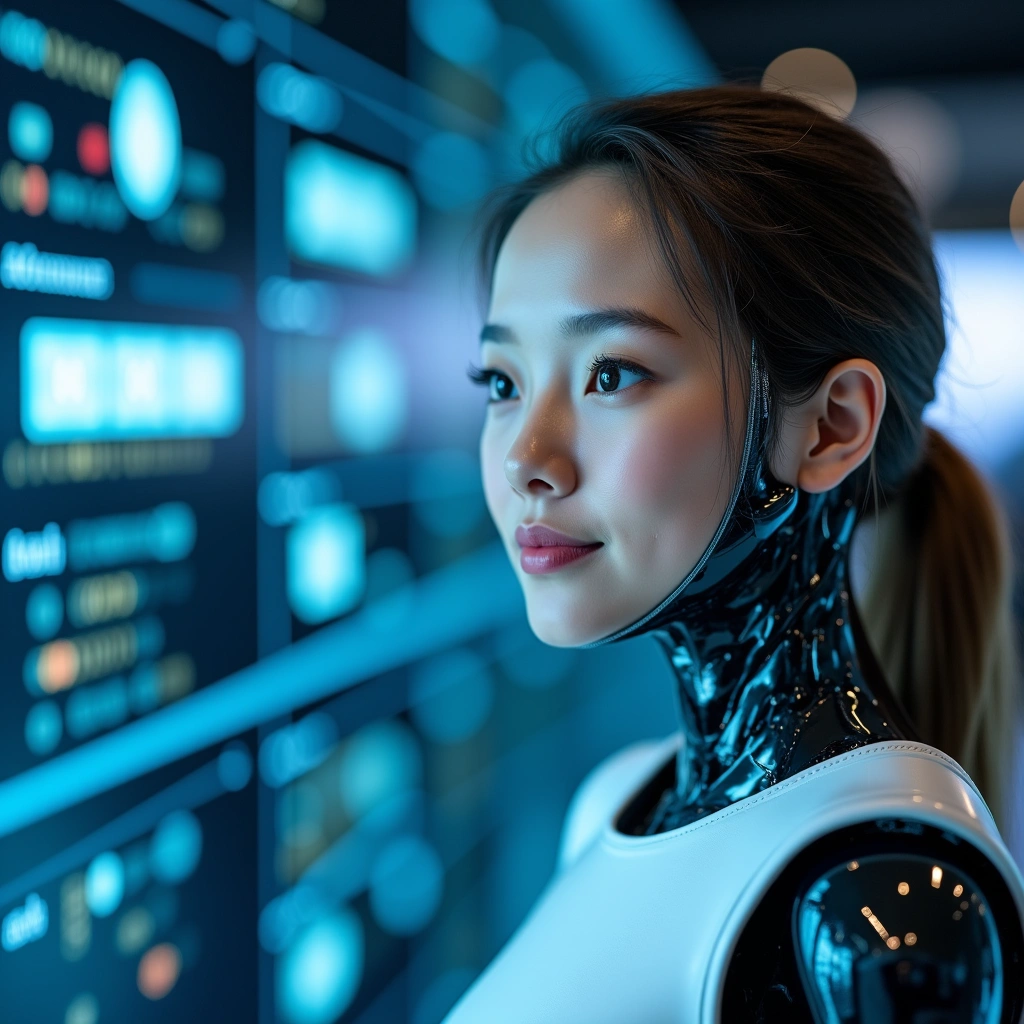
Alright, my friend, let’s dive into the glittering, yet somewhat murky waters of generative AI. If you’ve been living under a rock—or perhaps just in a very nice, cozy cave—you might have noticed that generative AI is the shiny new toy everyone is raving about. But let me tell you, not everything that glitters is gold. In fact, some of it might just be an overly ambitious piece of technology that needs a stern talking-to.
First off, let’s talk about creativity. Generative AI is like that friend who always shows up to the party with a new board game but can’t play a single round without Googling the rules. Sure, it can churn out art, music, and even text that looks impressive at first glance, but can it really capture the essence of human experience? I mean, can it understand that feeling when you’re sipping your morning coffee and the world just feels right? Probably not. It’s more likely to spit out something that sounds like it was written by a robot who’s had one too many energy drinks.
Now, let’s address the elephant in the room: the ethical dilemmas. Generative AI has a knack for taking existing works and remixing them like a DJ at a wedding. But here’s the kicker—who owns the rights to that remix? Is it the AI? The developer? The person who fed it the data? I mean, if I create a masterpiece using a generative AI tool, can I really claim it as my own? Or am I just a glorified parrot?
Speaking of parrots, let’s chat about misinformation. Generative AI can create texts that sound convincing, but let’s face it, it can also generate a whole lot of nonsense. Remember that time when you thought you saw a talking cat on the internet? Yeah, generative AI can make that happen, folks. It can fabricate stories that are so believable they could convince your aunt Karen to buy a “miracle” potion online. And we all know how that ends. Spoiler alert: it’s not good.
Another concern is job displacement. With generative AI becoming more capable, it’s like a sneaky ninja lurking in the shadows, ready to take over jobs that once required a human touch. Writers, artists, and even developers might find themselves in a bit of a pickle. Just imagine a world where your job interview is conducted by a robot that doesn’t even drink coffee! I mean, how could it possibly know the struggle of trying to stay awake during a 9 AM meeting?
Now, don’t get me wrong. I’m not saying generative AI is all doom and gloom. It can definitely assist in many areas, but it’s important to keep a close eye on it. Like that friend who always borrows your favorite shirt but never returns it—trust me, you want to set some boundaries.
So, what’s the takeaway? Generative AI is like that wild cousin who shows up at family gatherings: it’s exciting, unpredictable, and may just steal the show. But at the end of the day, we need to remember that it’s just a tool—a very fancy tool, but still just a tool. If we don’t want it to ruin the party, we have to keep an eye on it and ensure it doesn’t wander off with the good snacks.
And there you have it. Next time someone tells you generative AI is going to change the world, maybe take a moment to remind them about the potential pitfalls. After all, we don’t want to end up in a sci-fi horror movie, do we?
Let’s navigate this brave new world together, but let’s do it with a dash of caution and a sprinkle of humor!