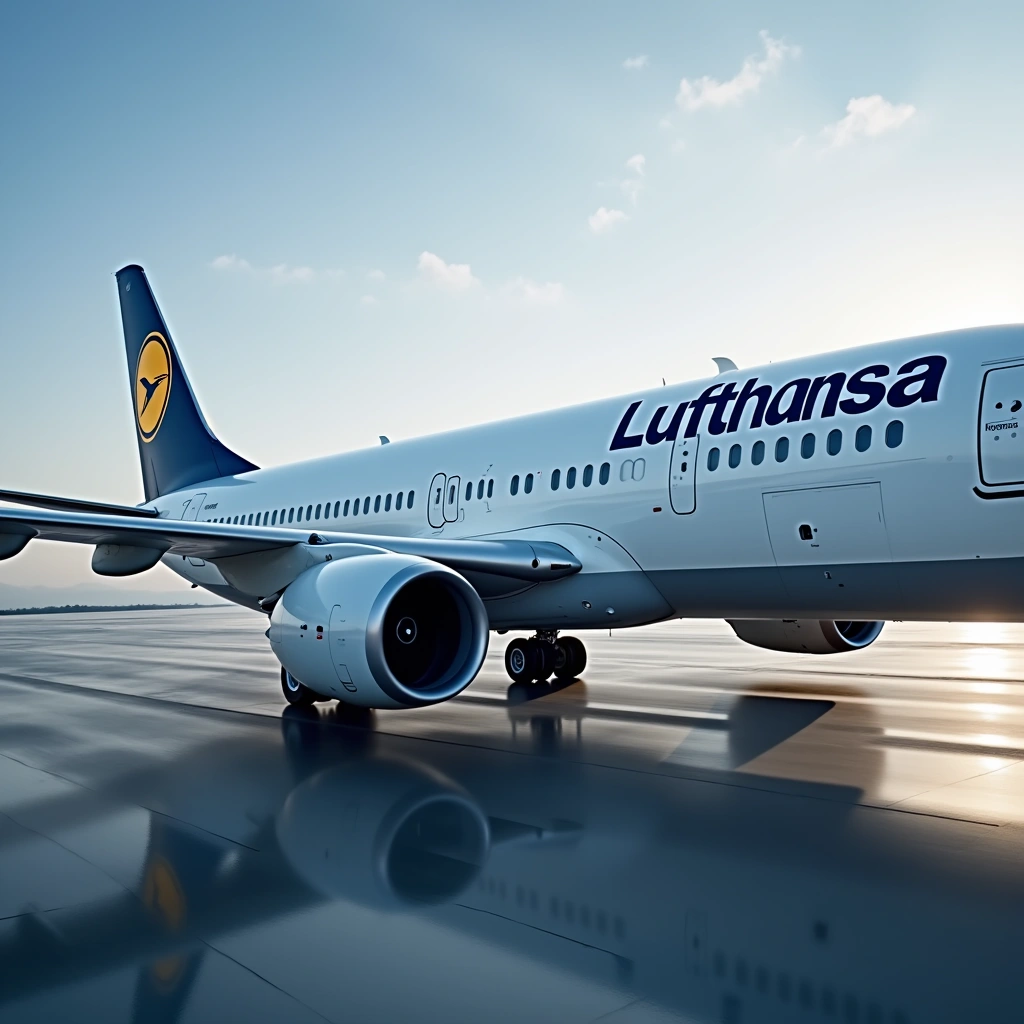
So, grab your popcorn, folks, because Lufthansa is shaking things up in the aviation world! The German airline has announced plans to cut around 4,000 jobs by the time we’re all sipping cocktails in 2030. And guess what? AI is the star of this show, stealing the spotlight like a diva at a talent show. Now, before you start throwing your airline peanuts at the screen, let’s unpack this juicy tidbit, shall we?
First off, let’s talk about AI. It’s the cool kid on the block, and it’s not going anywhere. We’ve seen it evolve from a quirky tool to the equivalent of a Swiss Army knife—doing everything from scheduling flights to helping with customer service. Imagine a chatbot that can tell you where your lost luggage is located, or an algorithm that can predict when flights will be delayed based on a variety of factors that would make even the most seasoned pilots dizzy.
But let’s not sugarcoat this. The decision to cut jobs isn’t just about efficiency; it’s a ruthless strategy to stay competitive in a market that’s more cutthroat than a toddler in a candy store. Airlines around the globe are grappling with rising costs, fierce competition, and a post-pandemic travel boom that’s as unpredictable as a cat on a hot tin roof. So, what do they do? They turn to AI like it’s the magic wand that can solve all their problems.
Now, you might be thinking, “But what about the people?” Ah, my friend, therein lies the rub. The 4,000 jobs that Lufthansa plans to cut represent a significant chunk of their workforce. It’s like deciding to trim down your collection of exotic pets to just a goldfish. Sure, it’s easier to take care of, but what about the emotional fallout?
Employees are understandably worried. Job security feels about as stable as a Jenga tower after a few rounds of shots. And let’s not even start on the psychological impact of watching your colleagues pack up their desks while you’re left clutching your stress ball like it’s a life raft in a stormy sea.
But wait, there’s more! The cuts are also a strategic move to reinvest in technology. Lufthansa plans to funnel the savings from these job cuts into developing and adopting new technological innovations. Think of it as a high-stakes game of poker where they’re betting on AI. If they win, they’ll be flying high; if they lose, well, let’s just say they’ll be boarding the flight to Bankruptcyville.
And here’s where it gets even more controversial. As AI continues to evolve and take on more responsibilities, we can’t help but wonder: what’s next? Are we heading toward a future where pilots are replaced by robots that have an uncanny ability to make small talk? “Ladies and gentlemen, this is your captain speaking. I’m a highly advanced AI, and I can assure you that we’re cruising at 35,000 feet… and I also know your favorite pizza toppings.”
In conclusion, while the prospect of AI taking over jobs is as daunting as the thought of a middle seat on a transatlantic flight, it’s clear that Lufthansa is trying to navigate the turbulent skies ahead. The airline industry is evolving, whether we like it or not, and it’s a wild ride that’s just getting started. So, buckle up and prepare for takeoff! Who knows what the future holds—maybe a virtual reality flight experience where you don’t even have to leave your couch? Now that’s a flight I could get on board with!