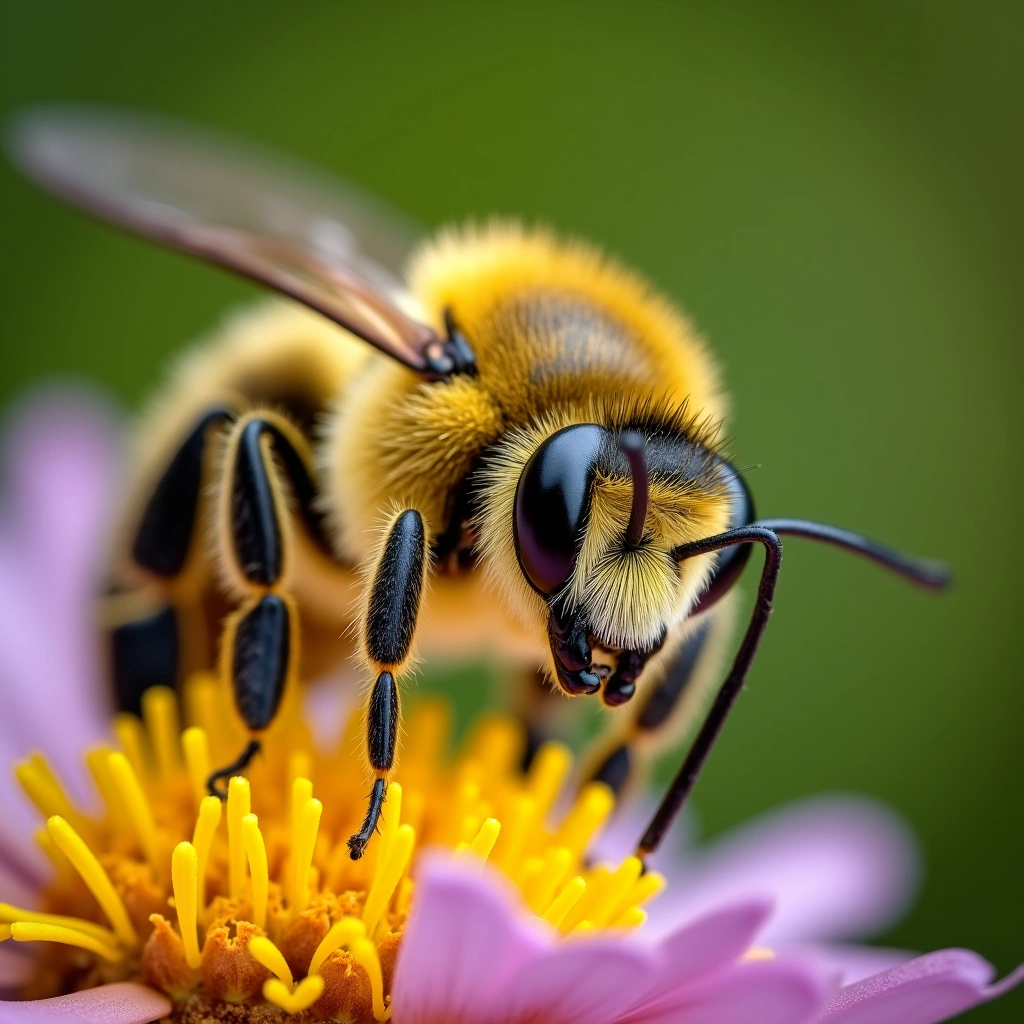
Let’s talk about bees, shall we? Not just any bees, but the solitary ones that emerge from their cozy little burrows like they’ve just binge-watched an entire season of their favorite show and are ready to take on the world. You might be thinking, “What’s so wild about that?” Well, my friend, let me tell you, it’s like watching a nature documentary but without David Attenborough’s soothing voice narrating the epic tale.
First off, let’s set the stage: when you think of bees, you probably picture the busy honeybee, flitting from flower to flower, gathering nectar, and living that sweet hive life. But hold on a second—have you ever seen a solitary bee? These little guys don’t do the hive thing. Nope! They prefer to go solo, much like a rock star who’s decided that groupies are overrated.
Imagine this: A solitary bee emerges from its burrow, shaking off the dirt like it just woke up from a long nap (and let’s be honest, who doesn’t love a good nap?). This burrow is usually dug into the ground, often in sandy soil, where they’ve spent the winter hibernating. They pop out all fresh and ready to find some flowers—it’s their version of a spring break trip, minus the tequila.
Now, you might wonder, why do solitary bees do this? Honeybees thrive in colonies, but solitary bees have taken the road less traveled. They have a unique approach to life. They’re like the introverts of the bee world—happily living alone, but still managing to get the job done! They build their own nests, raise their young, and pollinate just like their honeybee cousins. And here’s the kicker: they don’t have a queen. That’s right, these bees are not taking orders from anyone. They are the CEOs of their own little enterprises.
And here’s where it gets even cooler. Solitary bees can be incredibly diverse. We’re talking about over 20,000 species of solitary bees! From mason bees that build nests out of mud and plant materials to leafcutter bees that use leaves to construct their homes, they are nature’s little architects. Some even have specialized relationships with certain plants, making them the VIPs of the pollination party.
But let’s not forget about the honeybees, who are truly remarkable in their own right. They work together in a hive, communicating through a complex dance (yes, a dance!) to let each other know where the best flowers are. However, solitary bees often pollinate flowers more efficiently since they tend to visit fewer flowers in a single trip, which can be an advantage in certain ecosystems.
So, the next time you see a solitary bee popping out of its burrow, just remember: it’s not just any ordinary bee. It’s a lone wolf (or should I say, lone bee?) on a mission to pollinate the world, one flower at a time. And if that doesn’t inspire you to appreciate these amazing creatures, I don’t know what will!
In conclusion, the solitary bee is a fascinating character in the grand narrative of nature. They represent resilience, independence, and the beauty of doing things your own way. So, let’s give a round of applause (or a buzz?) for the solitary bees. They may not have the popularity of honeybees, but they sure know how to make a grand entrance from their burrows!
And if you ever find yourself digging into the world of bees, remember: whether they’re solitary or social, each one plays a crucial role in our ecosystem. Let’s celebrate their uniqueness—and perhaps take some notes on how to live life on our own terms, just like those little buzzing rebels!