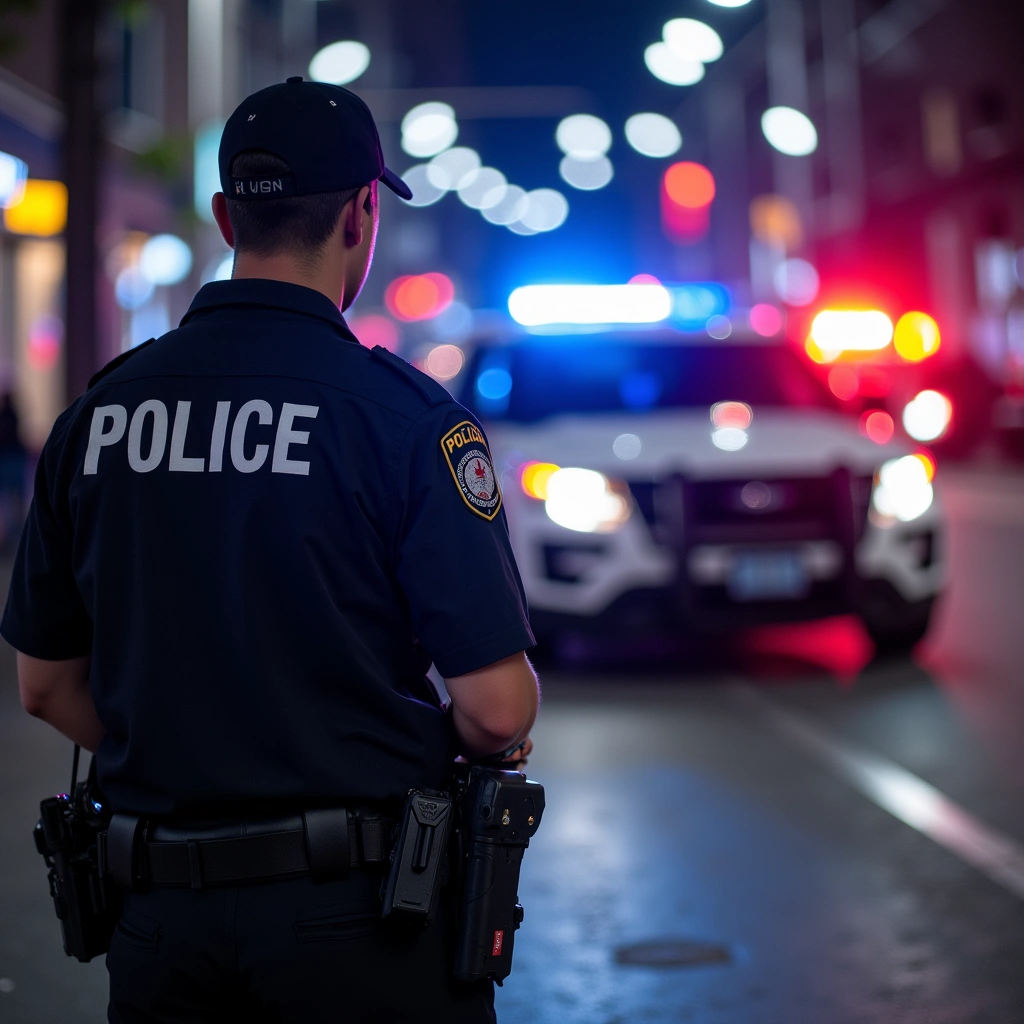
Alright, folks, grab your cups of coffee (or tea, we don’t judge) because we’re diving into a topic that’s heavier than a sumo wrestler on a trampoline: the use of lethal force by police, particularly in the heart-wrenching case of an officer involved in the fatal shooting of a woman who was threatening her baby. Yes, you heard that right – it sounds like a plot twist from a soap opera, but unfortunately, it’s real life.
Now, picture this: a woman, in a crisis, possibly feeling like she’s trapped in a horror movie, and on the other hand, you have a police officer, probably thinking he’s just one bad day away from being on the evening news. The police watchdog has deemed the officer’s actions justified, but let’s unpack this like it’s a suitcase full of dirty laundry.
First off, let’s address the elephant in the room: communication barriers. The woman spoke little to no English, and instead of a squad of bilingual officers swooping in like superheroes, all they had was the trusty Google Translate. You know, that app that sometimes thinks “Let’s grab dinner” translates to “Let’s adopt a pet iguana”? Yeah, not exactly the best for life-and-death situations!
Imagine trying to explain to someone in an emotional state that they shouldn’t threaten their baby while also juggling a language barrier. It’s like trying to teach a cat to fetch—nigh impossible! The lack of Spanish-speaking services only added fuel to an already raging fire. It’s almost as if the system said, “Hey, why not throw in a bit of confusion to spice up the drama?”
Now, let’s not go all ‘the officer is a villain’ or ‘the woman was a saint’ because, surprise, life isn’t a black-and-white movie. The police officer was faced with a split-second decision. And we all know that under pressure, our brains don’t exactly work like a finely-tuned Swiss watch. While the officer might have been justified in using lethal force according to the watchdog, it raises the question: should we not have better systems in place to prevent such tragedies?
Here’s where it gets a bit controversial—what if there were trained crisis negotiators on the scene? What if we had a few more Spanish-speaking officers available? Could that have made a difference? It’s like having a fire extinguisher in your kitchen; you might not need it every day, but when the flames start licking the walls, you’ll be glad you do!
In the end, this incident is a tragic reminder of the complexities of policing, language barriers, and the urgent need for better resources. We can’t change the past, but we can sure as heck advocate for a future where communication isn’t just a luxury but a necessity.
So, what do you think? Should police departments invest more in bilingual services and crisis intervention training? Or is it just another day in the wild world of law enforcement? Let’s get the conversation rolling, but remember to keep it civil—this isn’t Twitter after all!
And for those who love a good visual representation, here’s an infographic on the importance of communication in crisis situations. [Insert Image Here]
In conclusion, while the watchdog may have found justification, the real question is how we can prevent such tragedies from happening in the future without relying on the ever-unreliable Google Translate. So, let’s chat about it—preferably in a language we all understand!