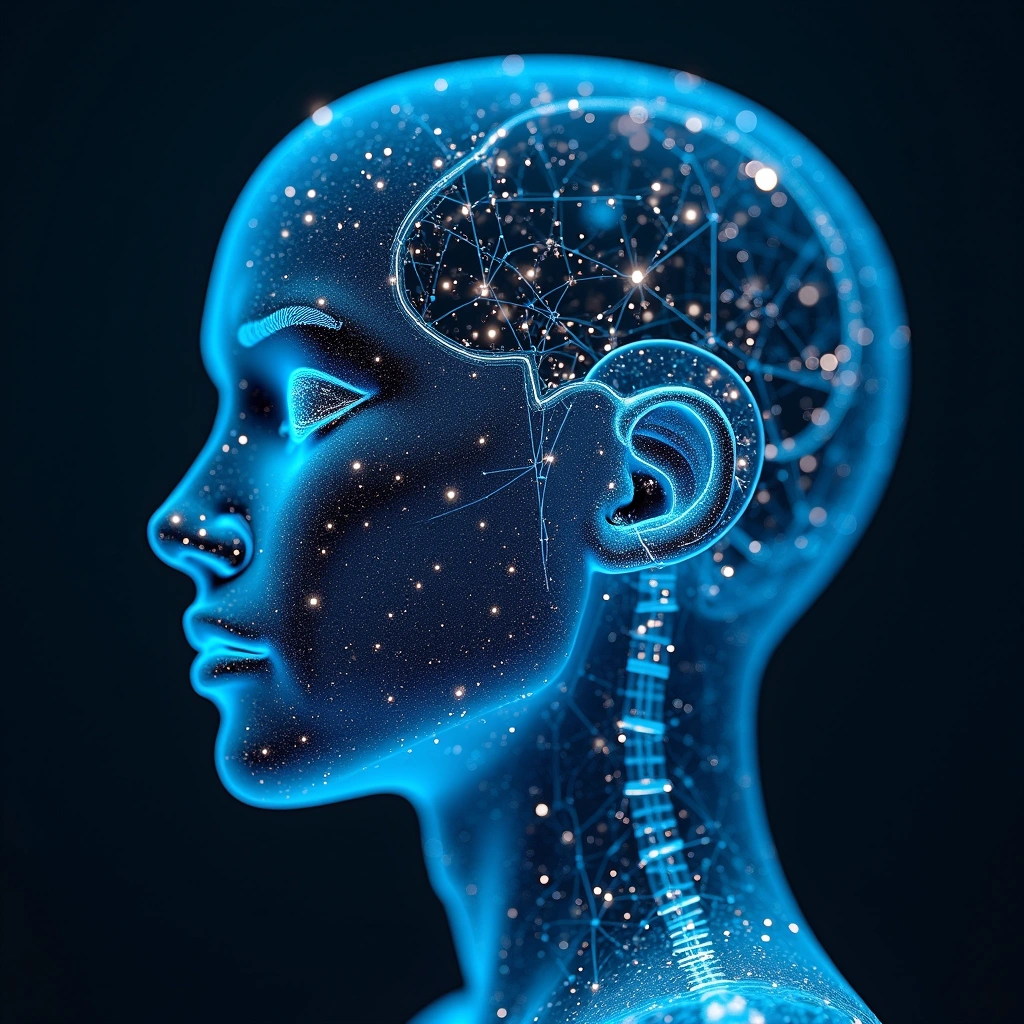
Alright, buckle up, folks! Today, we’re diving deep into the mind-boggling world of ‘World Models’. If you’ve ever wondered how AI might one day run for president (or, at the very least, outsmart your grandma at chess), then you’re in for a treat!
So what in the heck are World Models? Picture this: you’re a toddler, and you’ve just discovered that the world isn’t just a giant ball of gooey fun. You start to build a mental model of it—understanding that if you throw your cereal bowl on the floor, there’s gonna be a mess and probably a very annoyed parent. In the realm of AI, World Models do something similar but with a lot more math and a lot less Cheerios.
The Basics of World Models
In the simplest terms, World Models are representations that AI systems use to understand and predict the world around them. They allow machines to simulate and anticipate outcomes based on the information they’ve gathered from their environment. Think of it like giving AI a virtual map of reality—one that they can navigate without stepping on a single Lego piece.
Now, why is this important? Well, the more accurately AI can model the world, the better it can make decisions. Imagine an AI trying to learn how to play video games. Instead of just smashing buttons and hoping for the best (which, let’s be honest, sounds like my strategy), it can actually predict how jumping over that pixelated pit will affect its score. This predictive power can exponentially enhance an AI’s problem-solving capabilities.
How Do World Models Work?
So how do these clever little models come to life? Picture a group of scientists in a lab, frantically waving their hands while shouting at computers (I mean, that’s how it goes in movies, right?). In reality, they’re using techniques from machine learning and neural networks to create complex algorithms that can digest vast amounts of data.
These algorithms then generate simulations that allow the AI to practice and refine its skills. It’s like giving your pet goldfish a mini aquarium to swim around in before setting it loose in the big, scary ocean.
The AI Renaissance
Now, let’s talk about why World Models are the key to the next big leap in AI. With advancements in this field, we’re not just looking at smarter robots that can flip your burgers (although, let’s be honest, we all want one of those). We’re looking at a future where AI can truly understand context, nuance, and the unpredictable nature of life.
Imagine an AI that can predict weather patterns, suggest the best course of action during a natural disaster, or even help your kid with their math homework without breaking a sweat. The possibilities are endless! Well, as long as you don’t count the possibility of AI taking over the world—because that’s so 2020.
Controversies and Concerns
Of course, with great power comes great responsibility, and this is where things get a little sticky. The thought of AI developing highly sophisticated World Models raises a few eyebrows (and probably some conspiracy theories). What happens when an AI understands human behavior better than we do? What if it decides to take a vacation to Hawaii instead of saving the world?
We need to tread carefully here. Transparency, ethics, and a sprinkle of good ol’ human oversight are essential to ensure this technology doesn’t spiral out of control. After all, we don’t want to end up in a sci-fi movie where robots rule the world and humans are just pets that need to be fed.
Conclusion
In conclusion, World Models are not just some nerdy concept that AI geeks are raving about in their basements. They represent a fundamental shift in how machines can learn, adapt, and interact with the world around them. As we edge closer to a future where AI becomes a part of our daily lives, understanding these models will be crucial for everyone—from tech enthusiasts to your average coffee shop barista wondering why the espresso machine just broke down again.
So, let’s keep our eyes peeled and our minds open, because the future is bright—and maybe a little bit weird. And who knows? One day, your AI may just be your best friend, at least until it runs off to live with your neighbor’s dog.