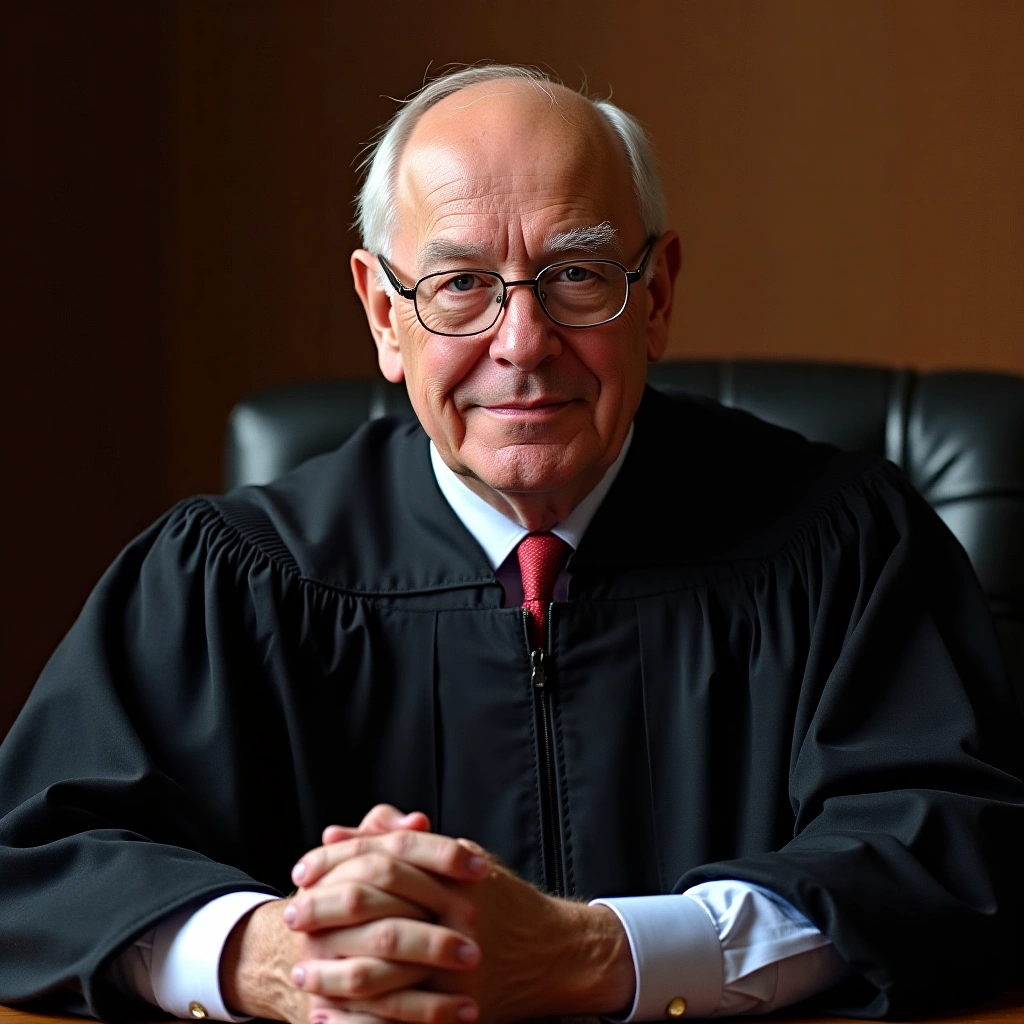
Richard Posner reshaped modern legal education by doing three things at once: he changed what law professors taught, how judges wrote, and what students read. At the center was his role in building law and economics into a mainstream method of legal analysis. At the University of Chicago, and especially through his 1973 book Economic Analysis of Law, Posner helped turn economic reasoning from a niche idea into a standard framework for studying contracts, torts, antitrust, regulation and property. That text became foundational in classrooms and remains widely assigned, helping shift legal edu
Richard Posner, the man, the myth, the judge, has passed away at the ripe age of 87. Appointed by President Reagan, Posner wasn’t just any federal appeals court judge; he was a veritable legal powerhouse. With a pen that seemed to flow with the ease of a fountain and an intellect sharper than your average legal brief, he authored over 50 books and thousands of judicial opinions. Yes, you read that right—thousands. If you’ve ever felt daunted by a long novel, just imagine Posner tackling legal concepts like they were a Sunday crossword puzzle.
Posner was known for his unique approach to the law, often blending economics with legal theory. This fusion made him a pivotal figure in how courts interpret economic issues. In a world where some judges might shy away from the complexities of economic principles, Posner dove in headfirst. He was the kind of guy who could make the intricacies of antitrust law sound like a page-turner. Who knew legal scholarship could be so… entertaining?
His death was announced on a Wednesday, a day that’s usually reserved for midweek existential crises, but this one hit a bit differently. The legal community and beyond are now left to grapple with the void his absence creates. When you’ve had a career that influences not just your court but the entire legal landscape, it’s hard to imagine someone stepping into those shoes. They might need a custom-made pair just to fill the role!
Posner’s influence extended far beyond the courtroom. As a prolific scholar at the University of Chicago, he shaped the minds of countless law students and budding attorneys. Imagine a classroom where the professor isn’t just lecturing about case law but is the very embodiment of it—complete with anecdotes, critiques, and perhaps a dash of sarcasm. That’s Posner for you.
While many judges might play it safe, Posner was known for his iconoclastic views. He wasn’t afraid to challenge the status quo, often stirring the pot and getting people to think differently about the law. He had a knack for making complex legal theories accessible, proving that you don’t need to be a legal eagle to understand the basics of economics in law. His writings encouraged discussions, debates, and maybe a few arguments at family gatherings.
In a world where legal jargon can sometimes feel like it’s designed to confuse the average citizen, Posner’s ability to clarify and elucidate made him a beloved figure among legal scholars and practitioners alike. He left behind a legacy that will likely be referenced for decades to come, not just in academic circles but also in courtrooms across the nation.
So here’s to Richard Posner, a judge who knew that the law isn’t just about rules and regulations; it’s about understanding the broader implications of those rules in the real world. He made the legal profession a little less intimidating and a whole lot more interesting. Rest in peace, Judge Posner. You’ve left us with a lot to think about—and a lot of reading to do.
Inspired by: “Richard Posner, Influential Appeals Court Judge, Dies at 87” (r/News)