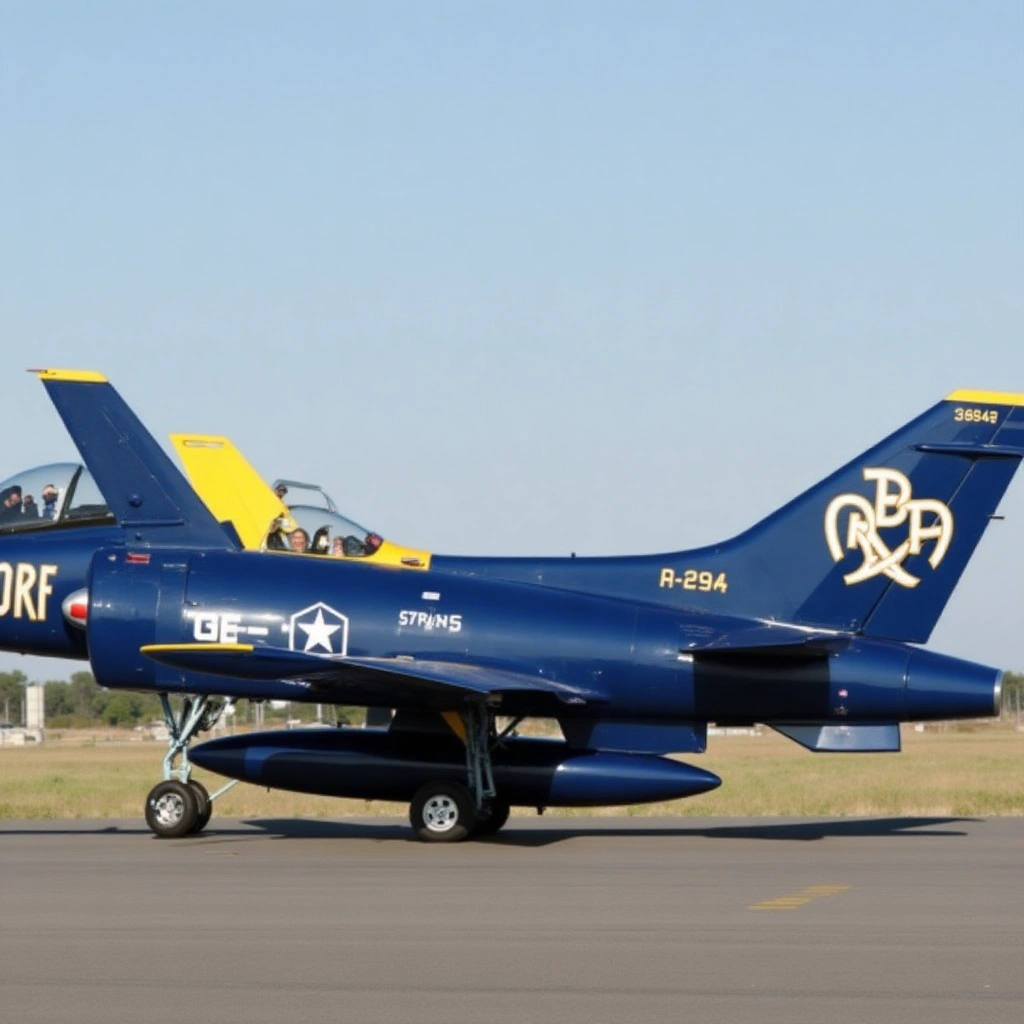
Light attack, close air support, armed reconnaissance, border patrol and counter-insurgency, plus advanced and lead-in fighter training. It is designed for permissive or lightly defended airspace, not for fighting modern jets.
Well, folks, the time has come to bid adieu to the A-29 ‘Super Tucano’ planes as the U.S. Air Force waves goodbye to its last few flying propeller-powered wonders. Yes, you heard that right! These aircraft, which have been doing their best impression of a flying lawnmower, are being retired. But before you start shedding tears for these lightweight champions of the skies, let’s talk about what happens next. Spoiler alert: they aren’t heading to the infamous boneyard in Arizona, where aircraft go to retire and reminisce about their glory days.
Instead, the Air Force is likely planning to transfer these planes to a foreign country. Now, you might be wondering, which lucky nation gets to take these bad boys off our hands? While the specifics are still under wraps, it’s safe to say that whoever ends up with them will have some fun. After all, who doesn’t want a few propeller planes that can swoop in like a superhero—albeit a very slow superhero?
For those unfamiliar with the A-29, let me give you a quick rundown. These planes are not your average fighter jets. They’re designed for light attack missions, which means they’re great at things like close air support, reconnaissance, and looking really cool while flying low and slow. Think of them as the friendly neighborhood Spider-Man of the air, ready to swoop in when things get a little hairy. But unlike Spider-Man, they can’t swing between buildings or shoot webs. They can, however, drop some serious firepower on the bad guys.
Now, as we wave goodbye to these trusty aircraft, it’s worth noting that the Air Force has a penchant for keeping things bureaucratic. You know, the kind of bureaucracy that makes you feel like you’re trying to get a reservation at a fancy restaurant on a Saturday night. So instead of letting these planes gather dust in the boneyard, they’re opting to pass them off to someone else—perhaps a country that could use a little extra firepower and a lot of charm.
But why is the Air Force opting for this route? Well, transferring the planes is a win-win. It saves taxpayers from watching these planes rust in peace, while also strengthening international ties. It’s like giving away your old couch to a friend instead of tossing it in the dumpster. Sure, it might have seen better days, but it still has some life left in it. Plus, you get to feel good about helping a buddy out!
So, as we say farewell to the A-29 ‘Super Tucano,’ let’s remember the good times and the missions they served. They may not have the speed of a jet fighter or the sleekness of modern aircraft, but they’ve certainly carved out a niche in the aviation world. And who knows? Maybe one day, we’ll see them flying over new skies, making friends with foreign pilots who are just as passionate about these planes as we are.
In conclusion, while the retirement of the A-29 might feel like a sad farewell, it’s really just the beginning of a new chapter. So, here’s to the A-29 ‘Super Tucano’—may their new adventures be as thrilling as a rollercoaster ride (with less screaming, hopefully). Cheers!
Inspired by: “The US Air Force Is Retiring Its Last A-29 ‘Super Tucano’ Planes. What Happens Now?” (r/Politics)