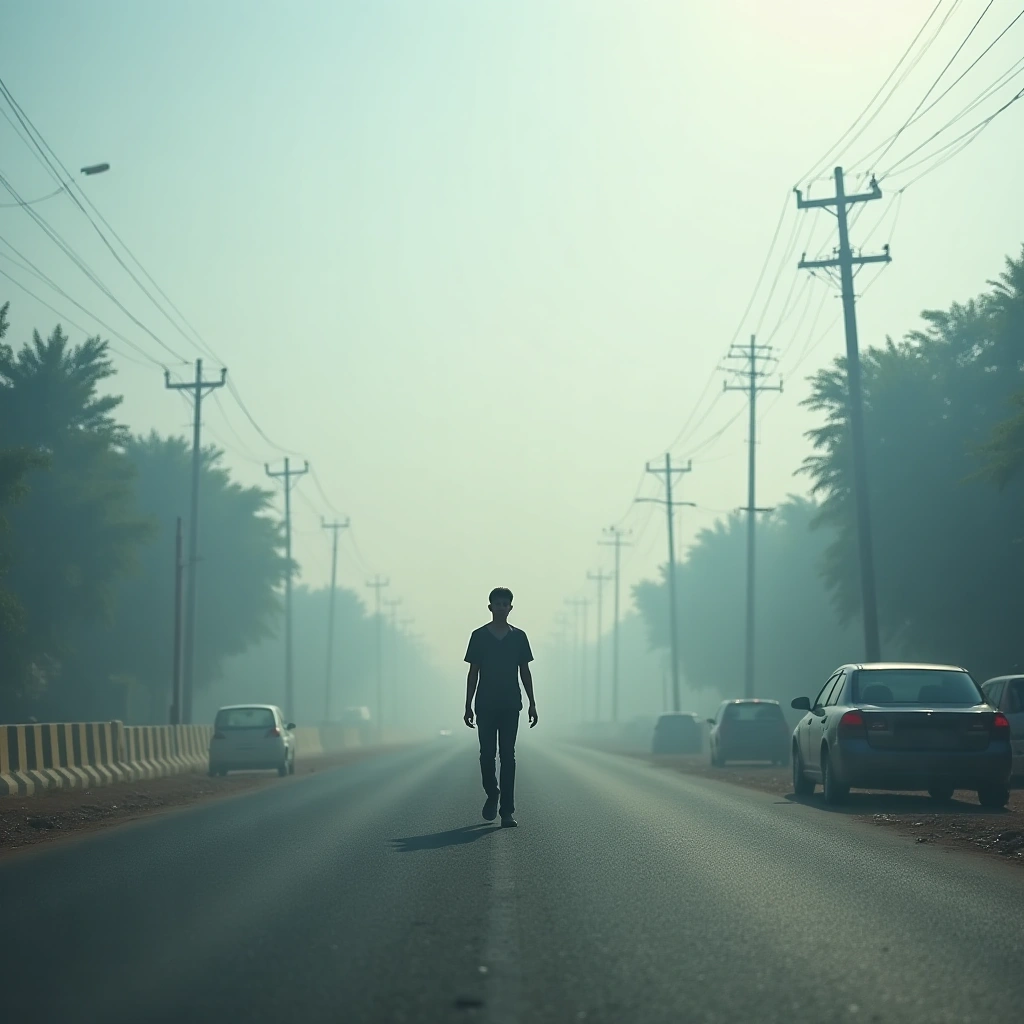
PM2.5 is the primary concern because its microscopic size allows it to penetrate deep into the lungs and enter the bloodstream, causing severe respiratory and cardiovascular damage, whereas larger PM10 particles are less dangerous. In Delhi, PM2.5 levels consistently exceed national standards by four times and WHO guidelines by eight times, making it the dominant pollutant responsible for the city’s “very poor” air quality. Experts argue that current policies focusing on PM10 are insufficient, as PM2.5 is the actual driver of the health crisis and premature mortality in the region.
So, let’s talk about air quality in Delhi, shall we? It seems like every time you turn on the news, there’s another report about how the air is worse than a bad day at a barbecue. And while we’re all busy trying to figure out if we should be wearing masks for fashion or health reasons, Jairam Ramesh from Congress has thrown a bit of shade at the current government, pointing out that while they’re focused on PM10, it’s the sneaky little PM2.5 that’s really the villain here.
Now, you might be wondering, what on Earth is PM10 and PM2.5? Well, my dear reader, these are not the latest dance moves or tech gadgets. They are particulate matter sizes in the air. PM10 refers to particles that are 10 micrometers or smaller, while PM2.5 is even finer, consisting of particles measuring 2.5 micrometers or smaller. To put that into perspective, PM2.5 particles are about 30 times smaller than a human hair. Yes, that’s right. They’re so tiny you could swear they were made by a magician.
Ramesh’s criticism isn’t just some political jab; it’s rooted in some serious public health concerns. PM2.5 is linked to a slew of health issues, including respiratory diseases, cardiovascular problems, and even premature death. It’s like the uninvited guest at the party who drinks all your beer and leaves you with a mess to clean up. Meanwhile, PM10 is more like that friend who overstays their welcome but doesn’t cause any real harm.
The National Clean Air Programme (NCAP) seems to be all about PM10, which might make you wonder if they’re trying to tackle the symptoms instead of the root cause. Imagine going to a doctor who prescribes a band-aid for a broken leg. Sure, it’s something, but it’s not going to fix the underlying issue, is it?
As the air quality in Delhi continues to plummet, it’s clear that the government needs to take a closer look at PM2.5. It’s not just a minor detail in the grand scheme of things; it’s the main character in this tragic air quality saga. If we keep ignoring it, we might as well start investing in oxygen bars instead of waiting for the government to figure it out.
In conclusion, while the government may be busy with its so-called PM 3.0, it’s high time they put on their glasses and took a good look at the real threat: PM2.5. Because if we don’t, we might find ourselves gasping for air—not just literally, but also in a metaphorical sense when we realize we’ve let this issue slide for too long. So here’s to hoping that our leaders will put down their political swords long enough to address the air we breathe. Cheers to cleaner air and fewer PM2.5 particles—because we all deserve to breathe a little easier!
Inspired by: “’So-called PM 3.0′ needs to worry about PM2.5: Congress’ dig over Delhi air quality” (r/World)