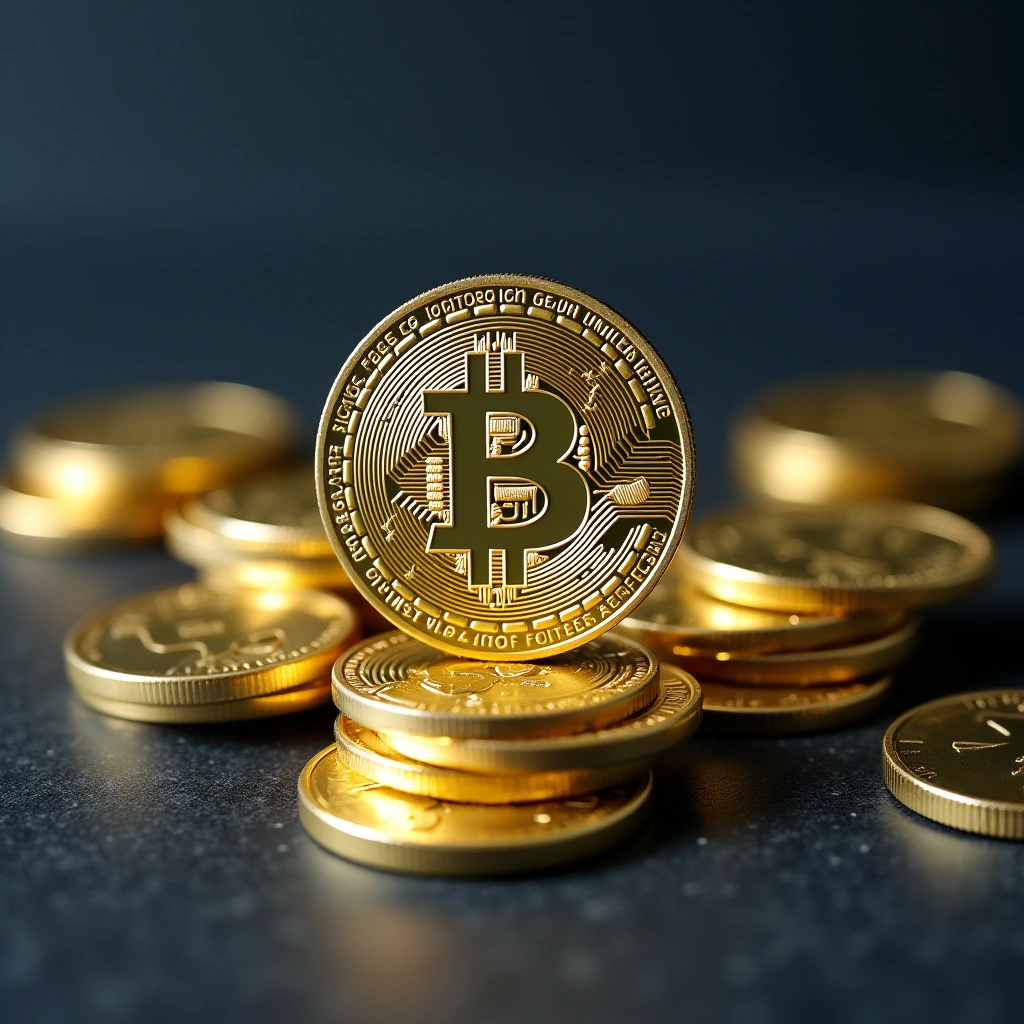
The numbers speak for themselves: With over $94 billion in settled payments in just five years, stablecoins are proving their value across business, consumer, and peer-to-peer payments worldwide.
Let’s talk about stablecoins, shall we? If you’re scratching your head wondering what exactly a stablecoin is, you’re not alone. According to a recent Visa survey of 14,250 people, interest in stablecoin payments is on the rise, with nearly half of respondents in the Asia-Pacific region expressing openness to using them by 2031. But here’s the kicker—only 6% of those surveyed actually understood how stablecoins work. Yikes!
So, what’s the deal with stablecoins? In simple terms, they’re cryptocurrencies designed to have a stable value, usually pegged to a fiat currency like the US dollar. Think of them as the sensible, well-behaved sibling of the wild and unpredictable cryptocurrency family. While Bitcoin and Ethereum might be the party animals, stablecoins are the ones who stay home, keep an eye on the finances, and make sure the bills get paid on time.
Now, why are people suddenly interested in these digital currencies? Well, as we venture deeper into the digital age, consumers are looking for more convenient and secure payment options. With the rise of e-commerce and the growing distrust in traditional financial systems, stablecoins present a viable alternative. They promise faster transactions, lower fees, and a bit of anonymity—who wouldn’t want that?
But here’s where it gets a little amusing. While almost half of respondents are on board with using stablecoins, a whopping 94% are either clueless or misinformed about how they function. It’s like being excited about a new diet fad without actually knowing what’s on the menu. “Oh, I’m going to eat all the kale!” but you have no idea how to prepare it.
This gap in understanding raises a red flag. Just because something sounds cool doesn’t mean it’s user-friendly. We’ve all seen the chaos that ensues when people try to use tech they don’t understand. Remember the last time you tried to set up a smart TV? Exactly.
So, what can we expect by 2031? If Visa’s predictions are correct, we might see stablecoins integrated into everyday transactions, from buying coffee to paying rent. However, that’s only if people get a handle on what they’re actually dealing with.
For businesses, this opens up a whole new world of possibilities. Imagine a world where you can pay for your morning latte with a digital currency that doesn’t fluctuate wildly like your mood on a Monday morning. But for that to happen, education is key. And let’s be honest, if the only thing you know about stablecoins is that they’re ‘stable’, you might want to hit the books (or the internet) before diving into the crypto pool.
In conclusion, the future of payments could very well involve stablecoins if we can bridge the knowledge gap. The potential is there, but whether consumers will embrace it or just stick to cash and credit cards remains to be seen. Until then, let’s raise a toast (with a stablecoin, if you can figure out how) to the future of finance—whatever that may look like!
Inspired by: “Visa survey says nearly half of APAC consumers open to using stablecoins by 2031” (r/Crypto)